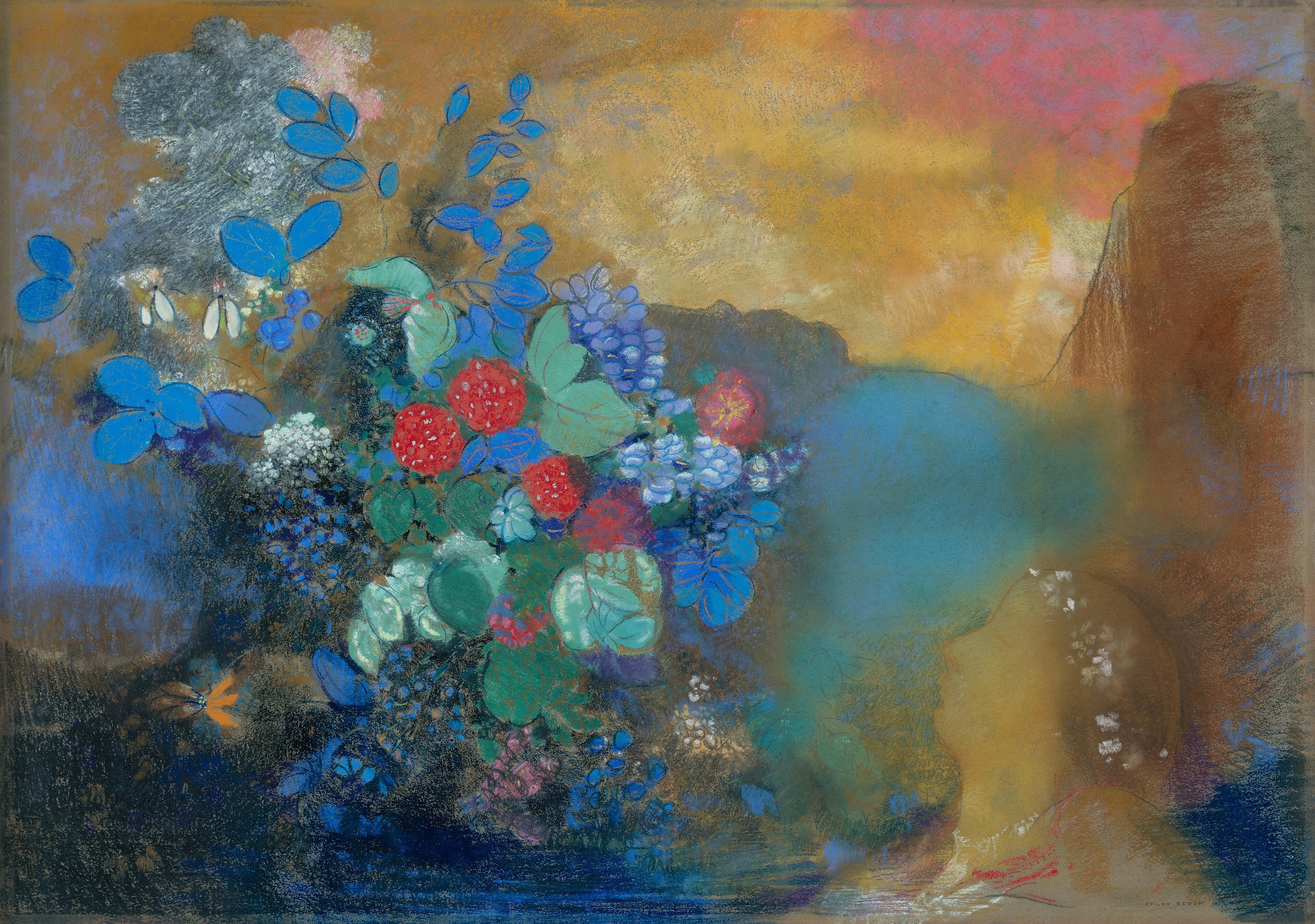
Leaving the Practice Room for the Art Museum: What Great Musicians Learned from Painting

2026.11.14
Leaving the Practice Room for the Art Museum: What Great Musicians Learned from Painting

Please note: I'm Japanese and still learning English, so I use AI for translations. Doing my best! Feel free to correct me if I make a mistake! 🙏

"Why don't you visit an art museum sometime and look at some paintings?"

During a lesson while studying abroad,
my teacher casually said these words to me.

Not about technique, nor about how to read a score—
my teacher's suggestion was an unexpected invitation
to an art museum.

To be honest, I was a little puzzled at the time.

"Why should I go look at paintings when this is a music lesson?"

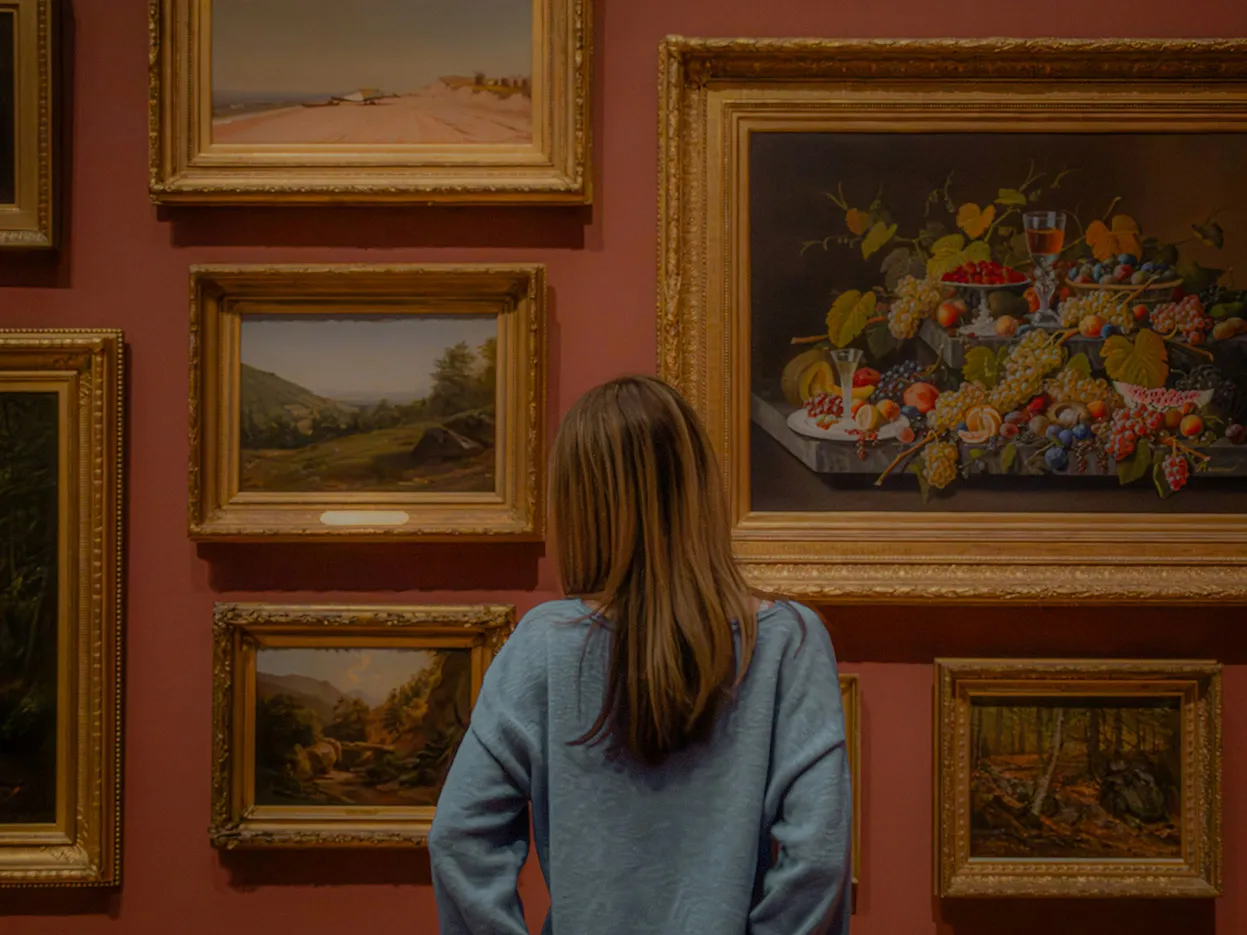
Still, I had always loved the quiet atmosphere of art museums,
so whenever I found the time, I often visited the city's galleries.

And now, I share content on Instagram
exploring the intersections between painting and music.

As I continue sharing and expressing myself,
the meaning behind what my teacher said back then
has gradually become clear to me.

An Art of Time? Why Sound Is Elusive Because It Cannot Be Seen
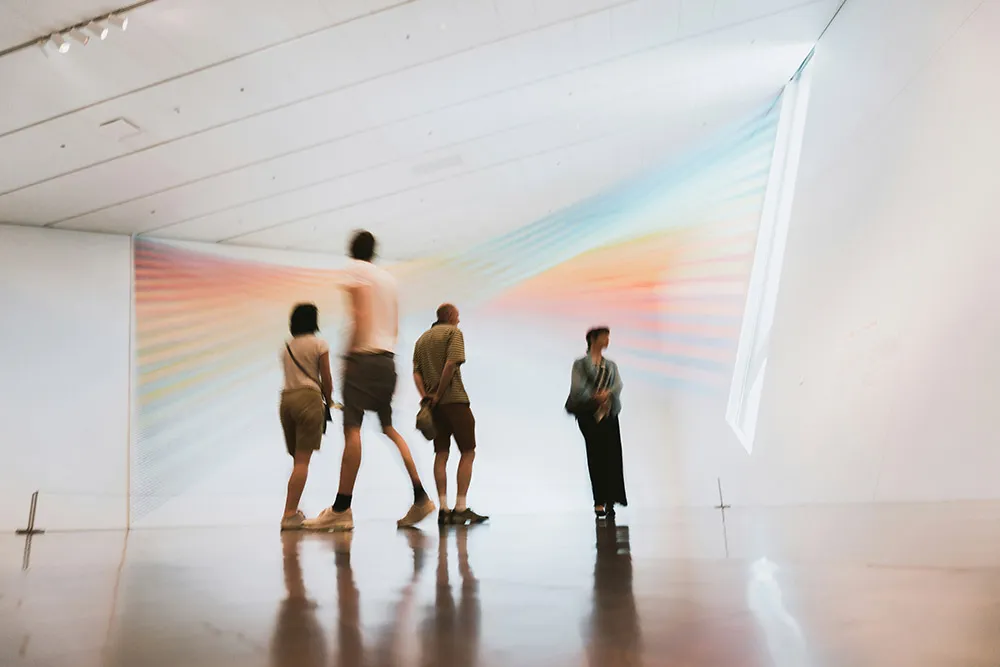
When performing or listening to music,
we often encounter the concept of "expressiveness."

"Put more feeling into it."
"Express it more richly."

Even when told this, have you ever felt at a loss for what to do?

Sound is elusive because it cannot be seen.

Music is an "art of time"
that dissolves into the air
the very moment it is heard.

It has neither shape nor outline.

When we try to grasp the entire picture using only our ears,
the mental map in our head becomes blurred.

"We are working with the invisible."

Once we recognize this difficulty, paintings—which rest quietly on canvas—begin to take on an entirely different meaning.

Great Composers, Too, Paused Before Paintings
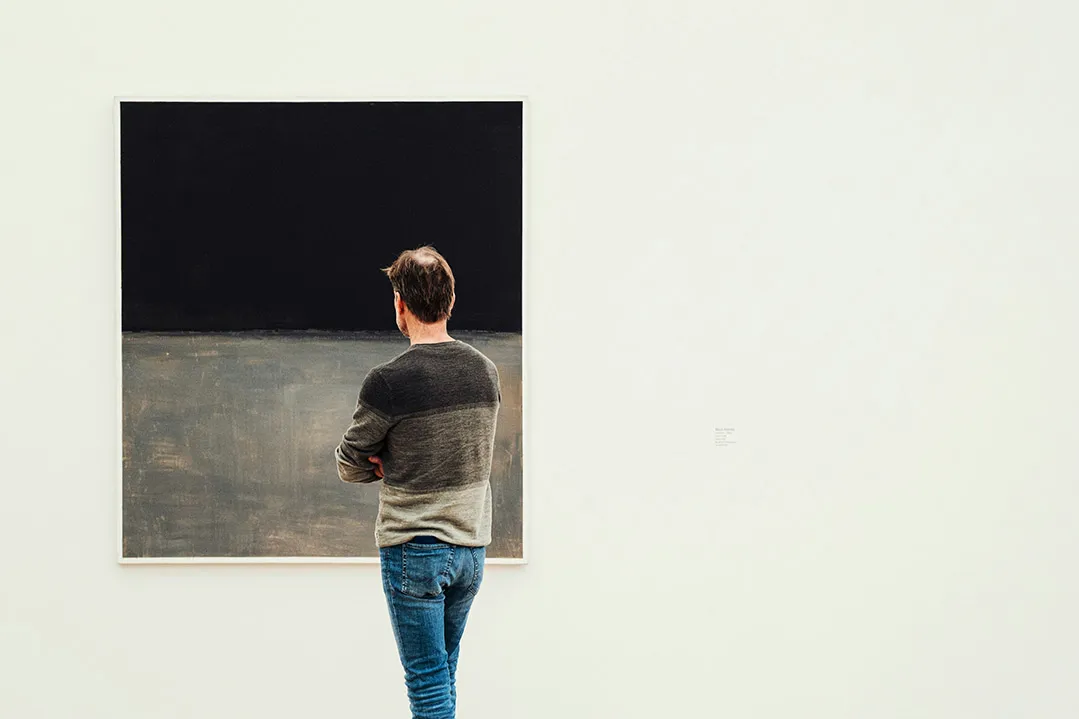
The great musicians who left their mark on history
likewise found inspiration for their expression in paintings.

Take, for instance, the Russian composer Sergei Rachmaninoff.

He composed a renowned orchestral work titled Isle of the Dead.

The inspiration for this masterpiece
came from a single painting he saw in Paris:

Isle of the Dead by the Swiss painter Arnold Böcklin.
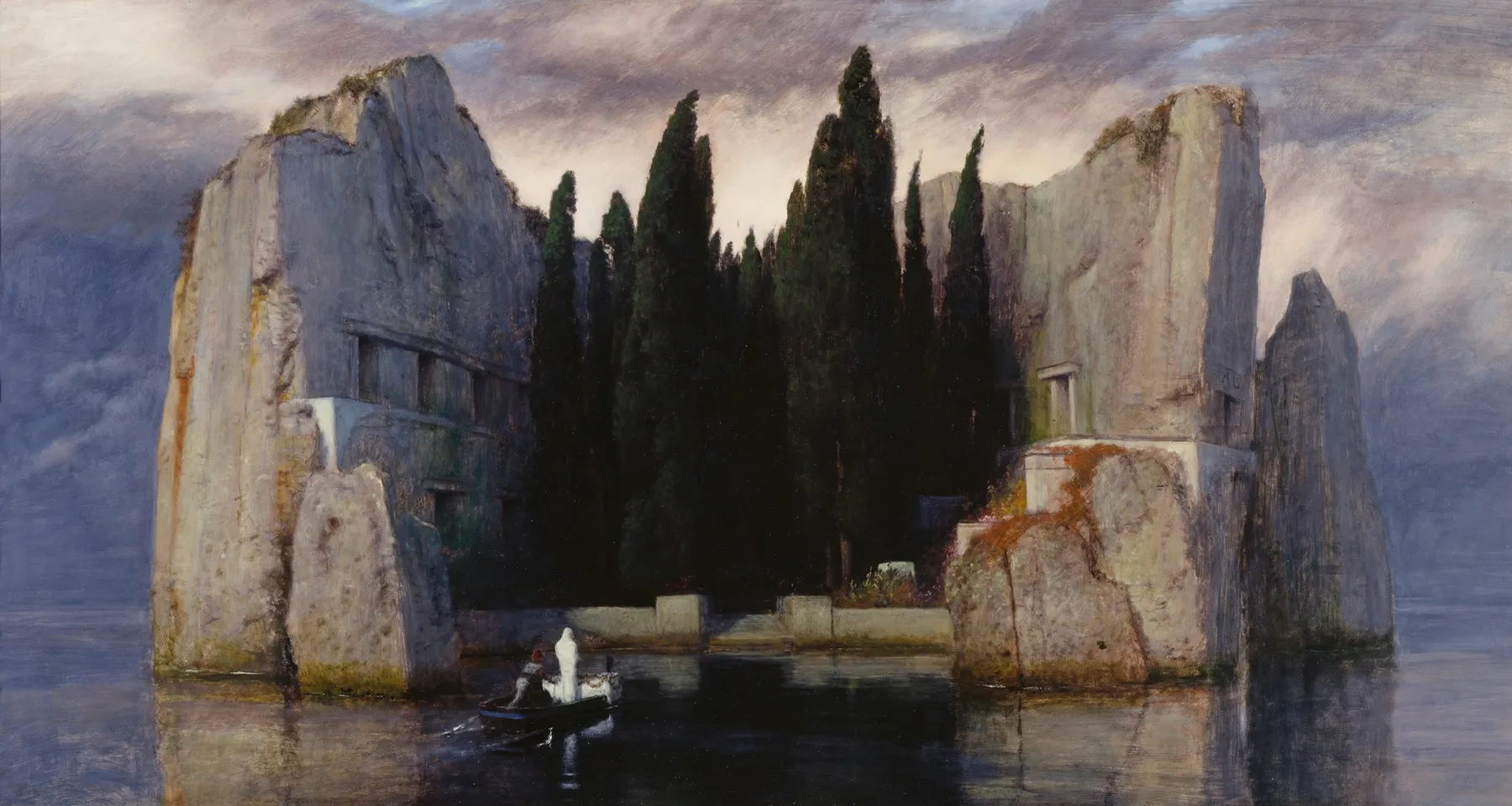
However, what Rachmaninoff saw was not the vivid oil painting.

It happened to be a black-and-white print—a monochrome reproduction.
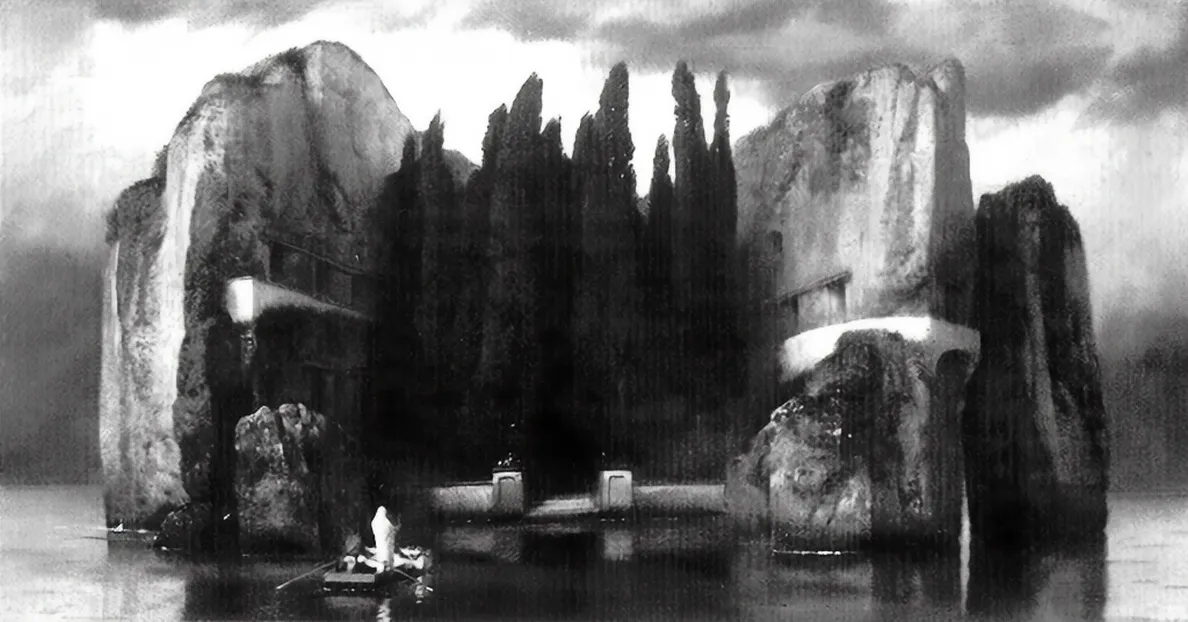
Later, upon seeing the original in color, he remarked:

"If I had seen the original first,
I probably would not have written Isle of the Dead.
I prefer it in black and white."

Precisely because there was no color, his imagination may have expanded in his mind:

"What tone color would this sound like?"
"What kind of light and shadow?"

The absence of visual color
paradoxically brought out the rich colors of the music.

When you think about it,
it is both intriguing and delightful.

* The story behind Rachmaninoff and Isle of the Dead is explored in more detail in this article. Please take a look as well:

How Did a Single Monochrome Print Become a World-Famous Masterpiece? Böcklin and Rachmaninoff's Isle of the Dead

Depth and Color Taught by Painting

What, then, did musicians learn from paintings in concrete terms?

Broadly speaking, there are two key elements.
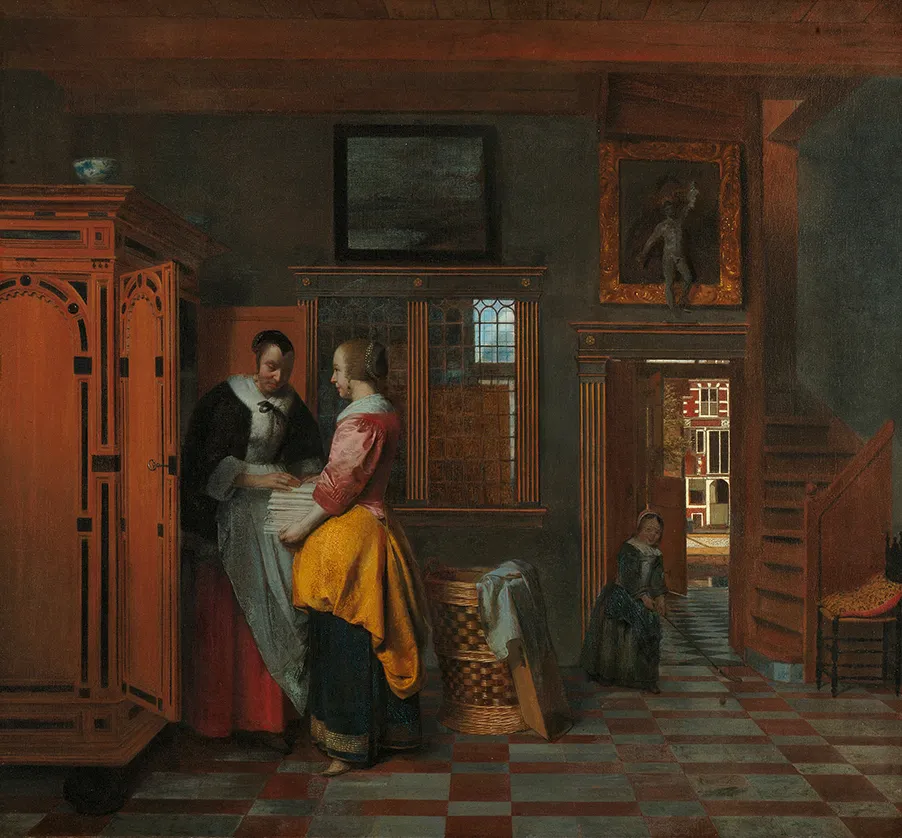
Interior with Women beside a Linen Cupboard

The first is perspective in sound.

In a painting, there is a central subject in the foreground, scenery in the middle ground, and a background in the distance.

This is what we call perspective.
Sign up free and enter Your Museum

Read the stories behind great paintings and music for free, in Your Museum

Continue with Google
or

By registering, you agree to our Terms of Service and Privacy Policy

What is Your Museum?

Already registered? Log in

The composer Franz Liszt, celebrated as the "magician of the piano," wrote the piano piece Sposalizio after seeing Raphael's painting The Marriage of the Virgin in Italy.

"A melody singing in the very foreground" and "an accompaniment resonating quietly in the background."

This piece contains
such overlapping layers of foreground and background,

and scholars recognize in it a structure reminiscent of perspective in painting.

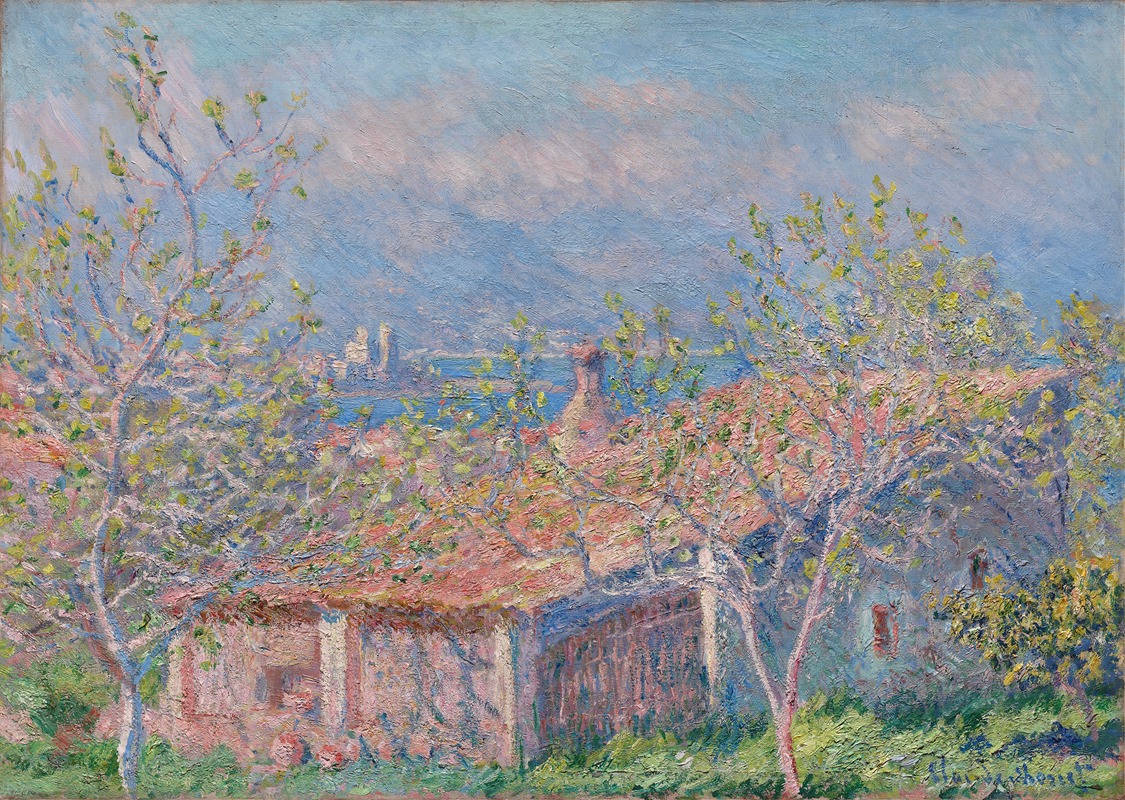
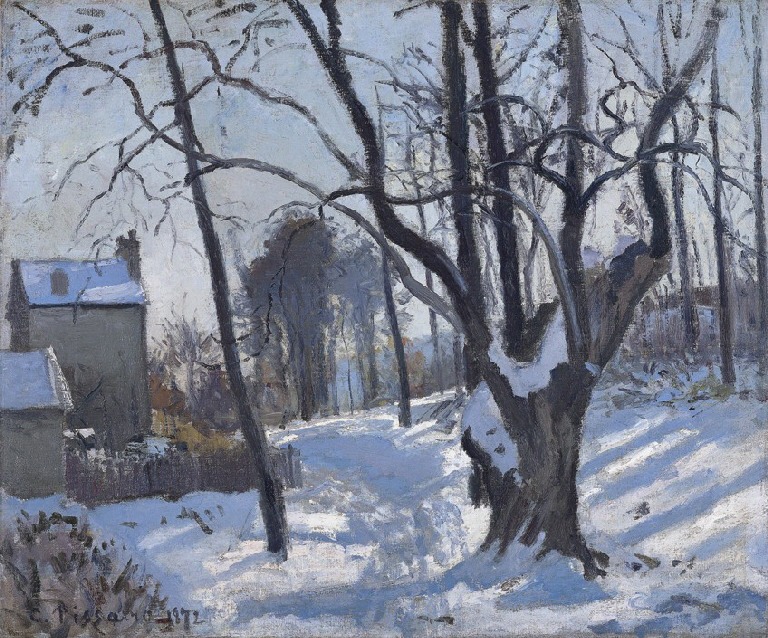
Gardener’s House at Antibes
Gardener’s House at AntibesClaude Monet

The second is the color and texture inherent in sound.

The sound of an instrument has color.

Warm tones,
cold, clear tones,
and tones as translucent as watercolor.

Sviatoslav Richter, one of the foremost pianists of the twentieth century,
deeply loved painting and even created pastel works himself.

In 1981, he launched
a music festival called "December Nights"
at the Pushkin Museum in Moscow.

Performing in galleries surrounded by paintings was an effort
to reunite music and art within a single shared space.

The rich, impasto thickness of oil paint,
the translucency of watercolor, and the gradations of light and shadow.

I feel that spending time quietly observing such works
enriches the "palette of tone colors" within oneself.

Because sound cannot be seen,
we borrow the colors and textures of painting.

In doing so, a clear, tangible musical image takes shape in the mind.

In fact, there is research supporting this idea.

A study reported that when music students were given imagery-based guidance by their instructors—such as "play as if..."—their expressive performance improved.

In particular, students who translated that imagery into concrete musical terms, such as "bright here, softer and recessed there," showed the greatest progress.

While looking at paintings has not been proven to directly make someone play better, the ability to translate imagery into sound undoubtedly transforms one's expression.

Not Studying, but Simply "Feeling"

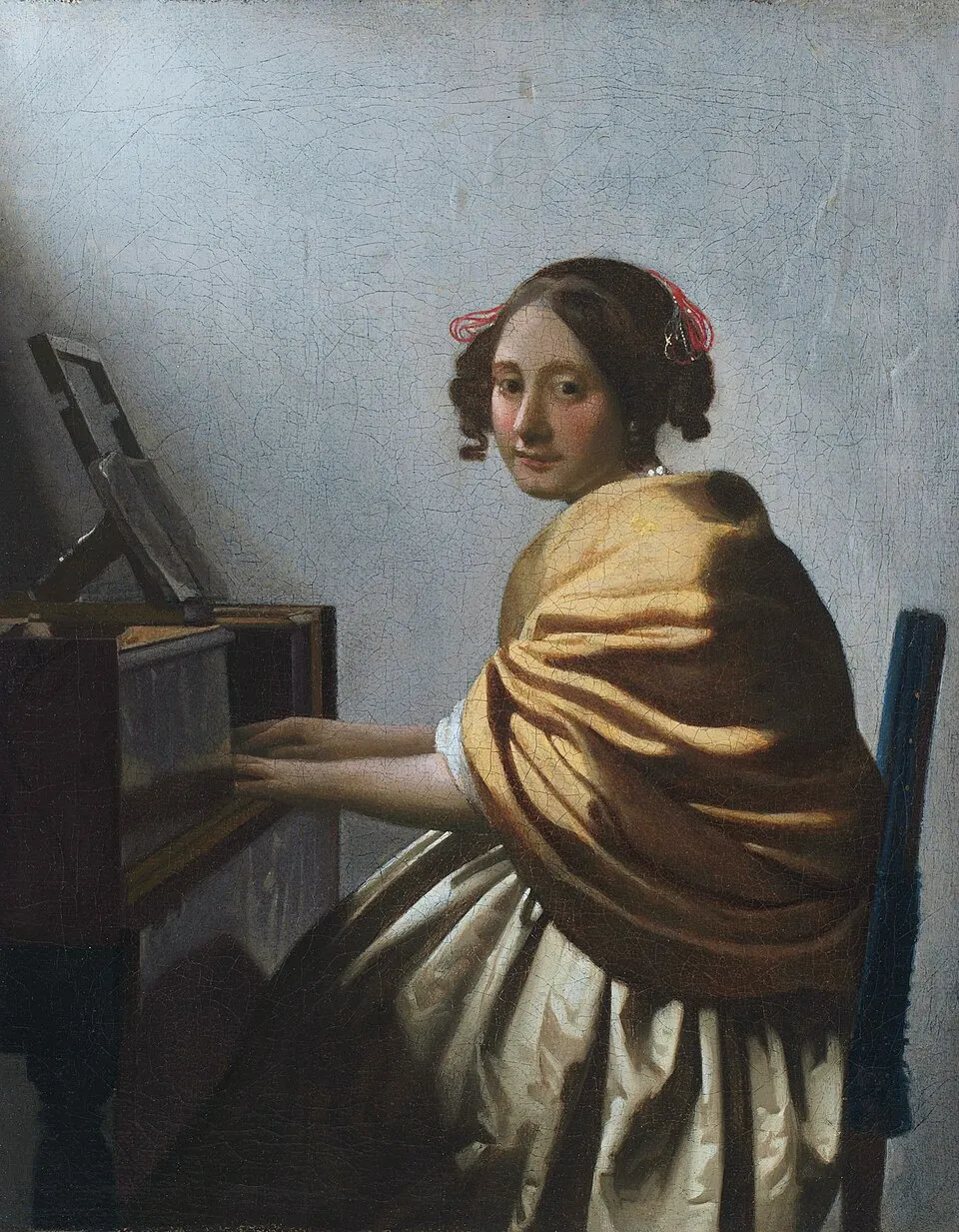
A Young Woman Seated at the Virginals
A Young Woman Seated at the VirginalsJohannes Vermeer

Having read this far,

you might wonder, "Do I really need to study art history and theory?"

What matters is not absorbing vast amounts of knowledge,
but simply looking at a painting and "feeling" it.

"Where is the focal point of this painting?"
"Where is the light coming from?"
"If sound flowed from this canvas, what would it sound like?"

Try pausing for just thirty seconds in front of a single work of art.

In art, there is no single correct answer as there is on an exam.

That is why you can let go of the pressure to avoid making mistakes
and reconnect with your own sensitivity.

A Place Where Painting and Music Become Part of Everyday Life

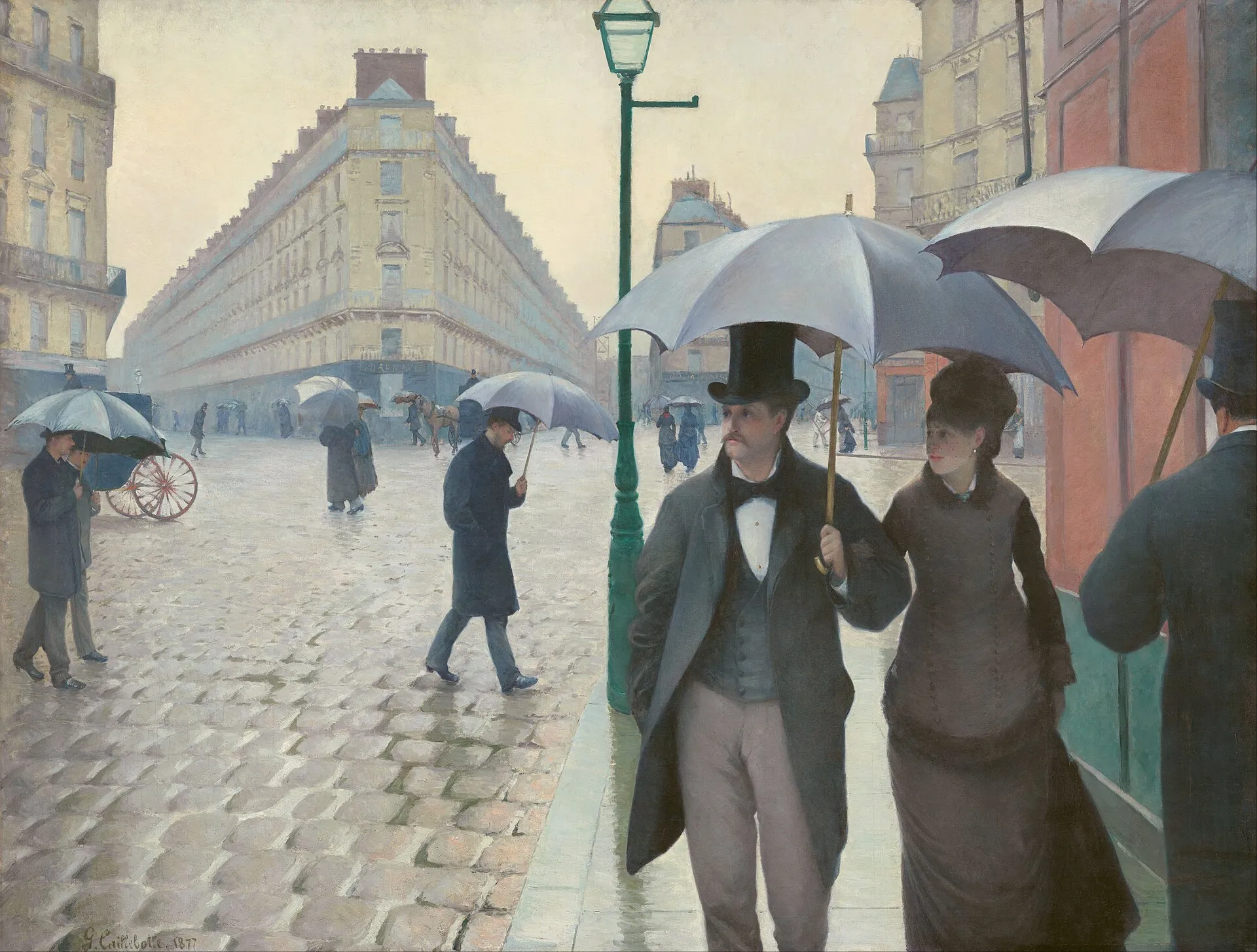
Paris Street; Rainy Day
Paris Street; Rainy Dayギュスターヴ・カイユボット

"Go to an art museum and look at some paintings"—the words my teacher in Austria once gave me.

I believe it was a message encouraging me
not merely to practice music, but to expand the way I experience sound
by immersing myself in another art form.

Even so, in the midst of busy everyday life, finding the time to say, "I'm going to the museum today!" can be quite challenging.

I run a website called MusicStory because I want people to easily connect with the world of painting and music even within their daily routines.

Here, we offer content designed to bring art closer to you:

  • Every Saturday, a curated painting recommendation delivered to each subscriber

  • In-depth magazines focusing on composers and painters

  • Unlimited access to art articles and painting commentaries

Just taking a moment in your spare time to gaze at a painting or discover the story behind it can make the music you listen to every day sound just a little different.

If this piques your interest, I would be delighted if you visited MusicStory and signed up!

Sign up for MusicStory here

References:

Sign up free and enter Your Museum

Read the stories behind great paintings and music for free, in Your Museum

Continue with Google
or

By registering, you agree to our Terms of Service and Privacy Policy

What is Your Museum?

Already registered? Log in

Your Note

What did this music and painting make you feel?
Write it down in your art notebook.

Please sign up to write notes.

Sign up for free

If you find an error in this content, please let us know here

This site is protected by reCAPTCHA, and the Google Privacy Policy and Terms of Service apply.

Every Saturday morning,
a museum made for you arrives

A journey through your own sense of beauty, beginning with three minutes of questions.

Start with a free 3-minute quiz

Sign up free & get the gift PDF “Paintings Transformed into Music”