
 日本語 (JA)
 English (EN)
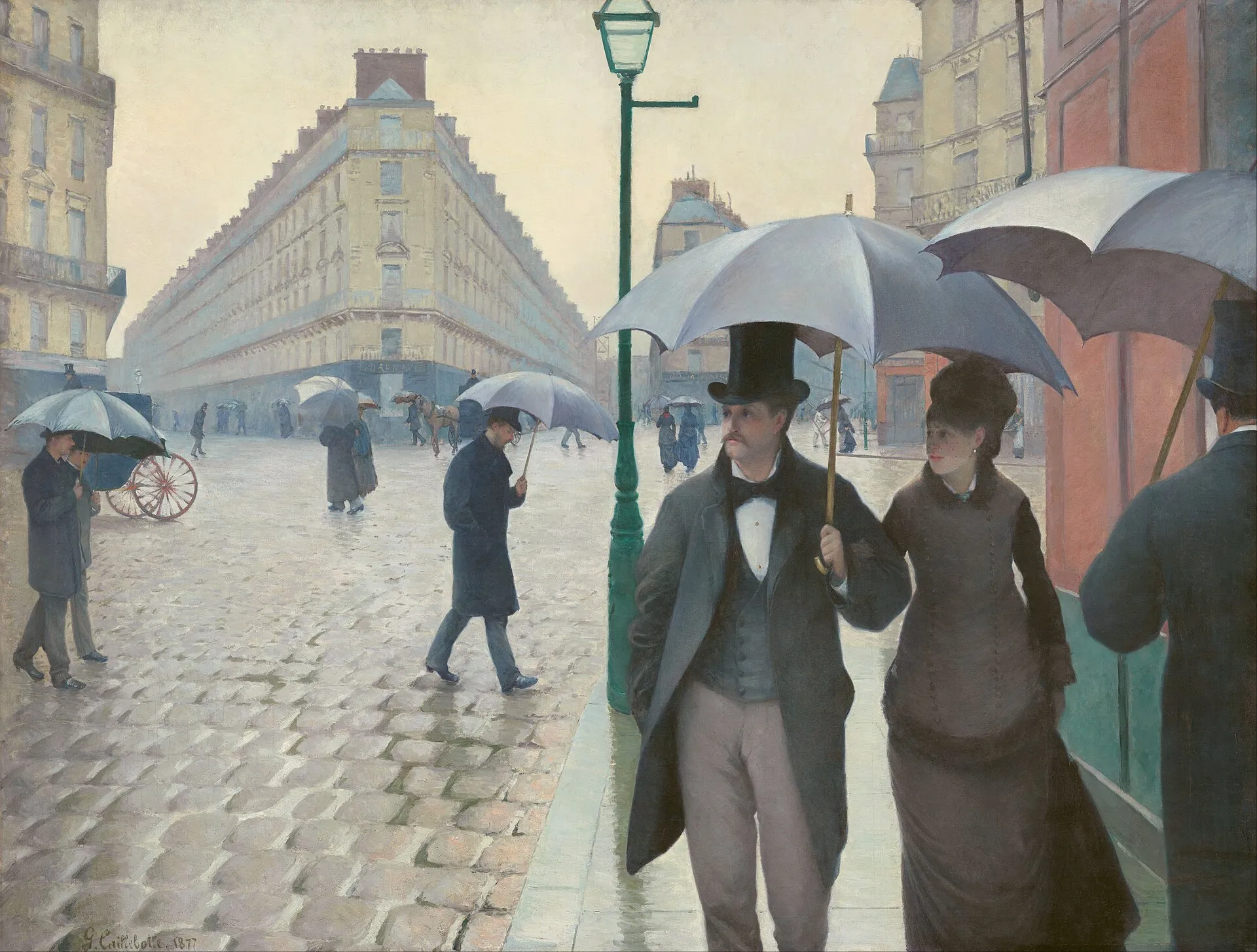
- Dimensions
- 212.2 cm × 276.2 cm
- Medium
- 油彩・カンヴァス
- Collection
- シカゴ美術館
19世紀後半に活躍したフランスの印象派画家であり、同時代の芸術家たちを経済的に支援した重要なパトロン兼コレクター。
仲間を支援しながら自身も新しい表現に挑み、近代都市の冷たい匿名性と孤独を、圧倒的なスケールと科学的な遠近法で正確に記録しようとしました。
✦ Highlights (technique & color)
画面中央の街灯が画面を二分し、幾何学的な安定感を与えています。右端の男性の体が半分切れているクロッピング技法や、奥の馬車の車輪の意図的なぼかしなど、写真のような一瞬を切り取る工夫が見られます。
✦ The setting of this painting
パリ8区のダブリン広場(当時はモスクワ交差点)。パリ大改造によって新しく作られた高級住宅街で、放射状に交差する道路と均一な石造りのアパルトマンが立ち並んでいます。
✦ Historical context
19世紀後半、オスマン男爵によるパリ大改造が完了し、近代都市のインフラが整備された時代。伸縮式雨傘が量産化され、ブルジョワ層が雨天でも快適に街を歩けるようになりました。
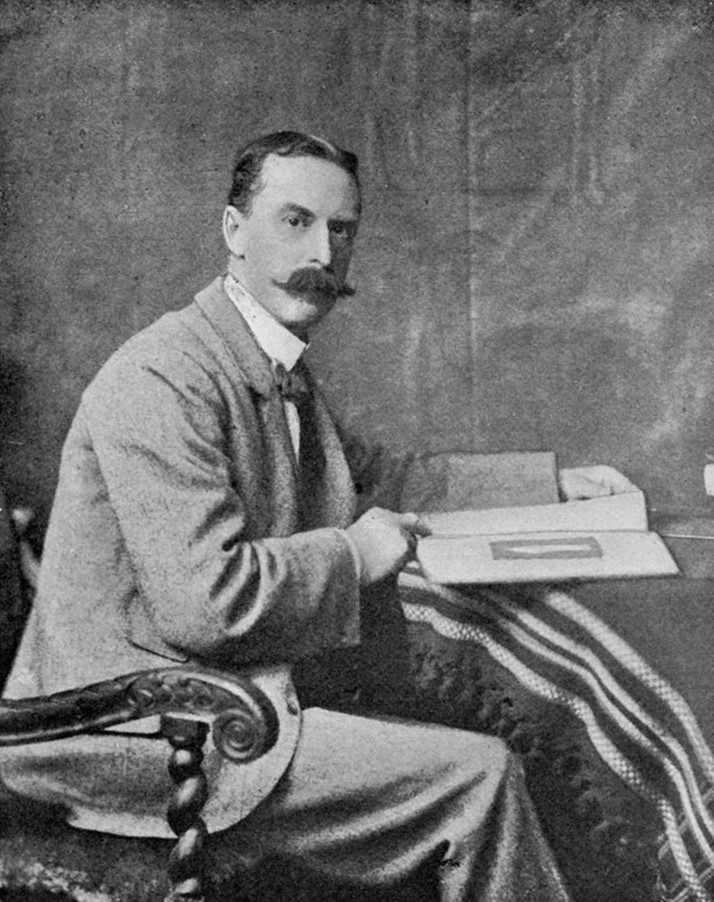
On a Paris street corner in the pouring, cold rain, figures carrying black umbrellas hurry past one another. The newly paved cobblestones gleam faintly under the wet sheen, and beneath a leaden sky, each person presses forward in silence, never meeting another's gaze. On the right, a distinguished gentleman with a full beard and a lady dressed in the latest fashion seem on the verge of stepping entirely out of view, oblivious to our presence. Standing before this monumental canvas, one feels almost cast into that rainy Parisian intersection, enveloped in the chilly solitude of the modern city. The artist who captured this serene, cool scene was a young man named Gustave Caillebotte.
The Wealthy Young Benefactor of Impressionism
In 1874, Caillebotte inherited a vast fortune from his father, becoming immensely wealthy at a remarkably young age. In Paris at that time, young painters striving for new forms of artistic expression were spurned by the traditional art establishment and faced severe financial hardship. Caillebotte believed deeply in their talent and generously poured his abundant resources into supporting them. When the Third Impressionist Exhibition was organized, he covered all the expenses out of his own pocket, from renting the apartment venue to printing and posting bills throughout the city.
Yet he never acted merely as a wealthy patron. He was an artist himself, eager to pursue innovative modes of expression. Alongside his financial backing, he contributed six of his own oil paintings—including this rainy Paris scene—and worked tirelessly alongside companions like Claude Monet and Auguste Renoir to organize the installation. Standing shoulder to shoulder with his peers, he helped forge the dawn of a new era in art.
A Brother's Sudden Death and a Will at Twenty-Eight
Even as he pursued these hopeful endeavors with his friends, a dark shadow hung over Caillebotte. In 1876, tragedy struck with the sudden death of his younger brother, dealing him a severe shock. The loss of so close a family member must have awakened in him an acute awareness of human fragility and his own mortality. At the mere age of twenty-eight, he took the extraordinary step of drafting his last will and testament.
In this document, he decreed that upon his death, his entire collection of Impressionist works by friends such as Monet, Renoir, and Degas should be donated to the French state. In an era when Impressionism was far from receiving widespread acclaim and the idea of its display in national museums was virtually unthinkable, Caillebotte remained certain that his friends' works would eventually be recognized as masterpieces that shaped art history. He entrusted that distant future to his final wishes.
A Cold Metropolis on a Monumental Canvas
Carrying both an awareness of mortality and a fervent devotion to art, Caillebotte produced a city scene of astonishing coolness and quiet. The setting was an intersection in an affluent residential district newly created by Baron Haussmann's modernization of Paris. This was no imaginary location, but the very neighborhood through which the painter walked each day. While the broad avenues and uniform buildings that replaced the medieval lanes offered comfort, they also stripped away old intimacies, giving rise to an indifferent anonymity.
Caillebotte captured this urban detachment on a life-sized scale, across a colossal canvas measuring over two meters high and 2.7 meters wide. Upon seeing the work, the novelist and critic Émile Zola remarked critically on its intense realism, calling it "so accurate as to be anti-artistic, cold, and bourgeois." To Zola's eyes, the painting may have appeared as nothing more than a detached record of bleak reality.
About 526 more words
Read the rest of this commentary —
and step into a secret gallery
opened just for you
An "art letter" delivered to you every Saturday morning
Works, music and words chosen for your sensibility, from your artist-type result and the paintings you love
A library of masterpieces and music you can enjoy "in your own words", not just look at
A "digital art notebook" (unlimited) where your impressions build into your own taste
Unlimited likes and notes
¥980 / month¥0 today
¥980/month (tax incl.) from day 8. Cancel anytime.
Already have an account? Log in
Music recommended for this painting
Stories featuring this painting
Your Note
Write down what this painting made you feel in your art notebook.
Please sign up to write notes.
Sign up for freeRecommended Artworks
Sources & references
More art movements
Pre-Baroque
1 artworks
Victorian era
10 artworks
Impressionism
48 artworks
Late Pre-Raphaelite
10 artworks
Baroque
2 artworks
American Impressionism
5 artworks
Realism
4 artworks
Pre-Raphaelite
3 artworks
Barbizon School
5 artworks
Academic art
5 artworks
Luminism
3 artworks
Rococo
2 artworks
Symbolism
22 artworks
Neo-Impressionism
3 artworks
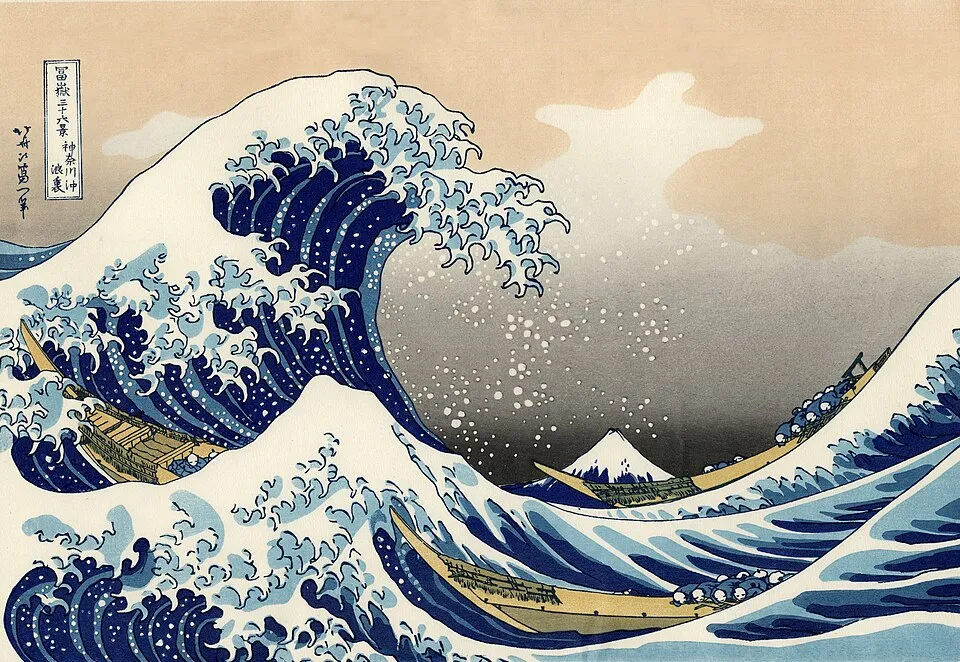
Ukiyo-e
1 artworks
Japonism
4 artworks
Edo period
1 artworks
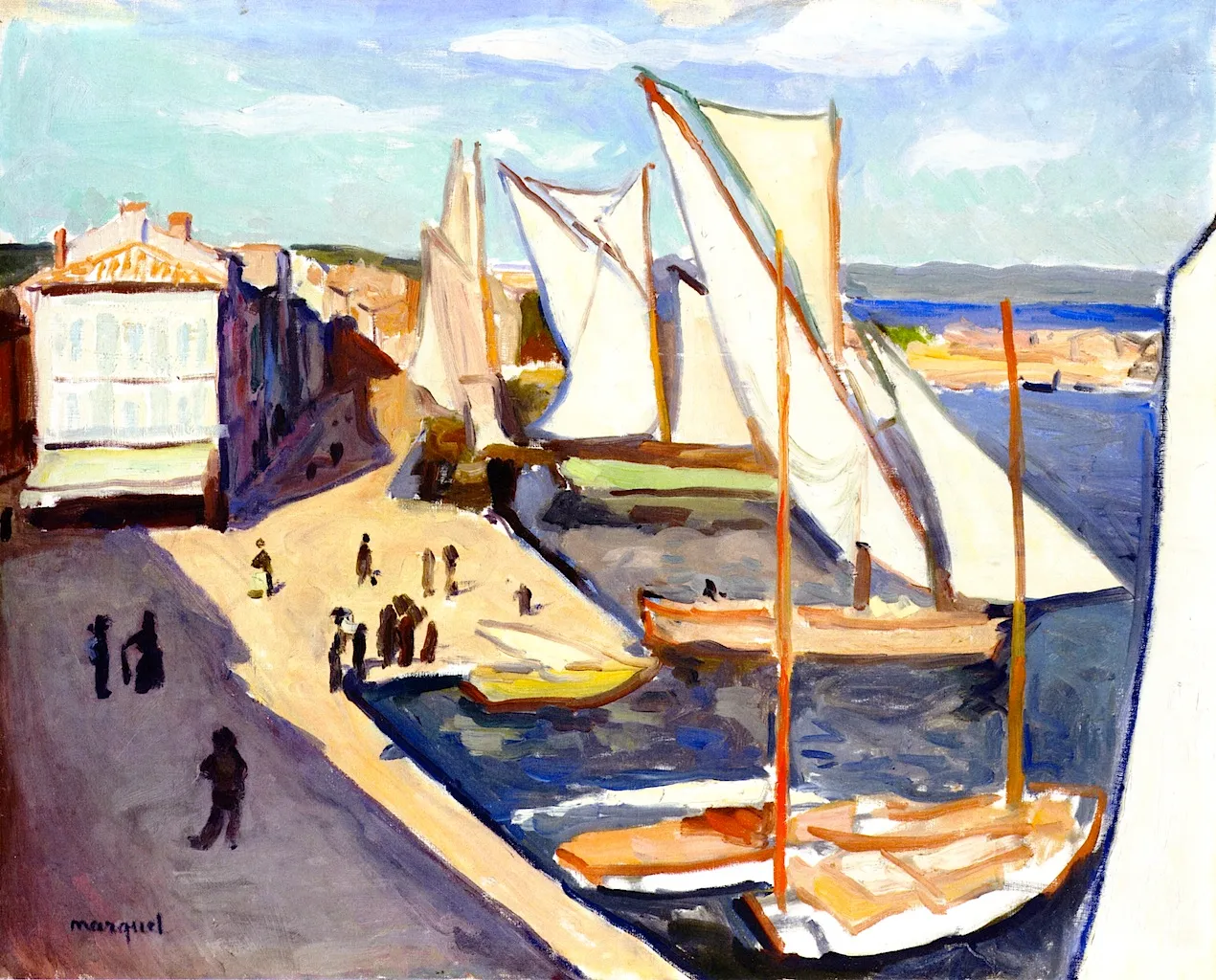
Fauvism
1 artworks
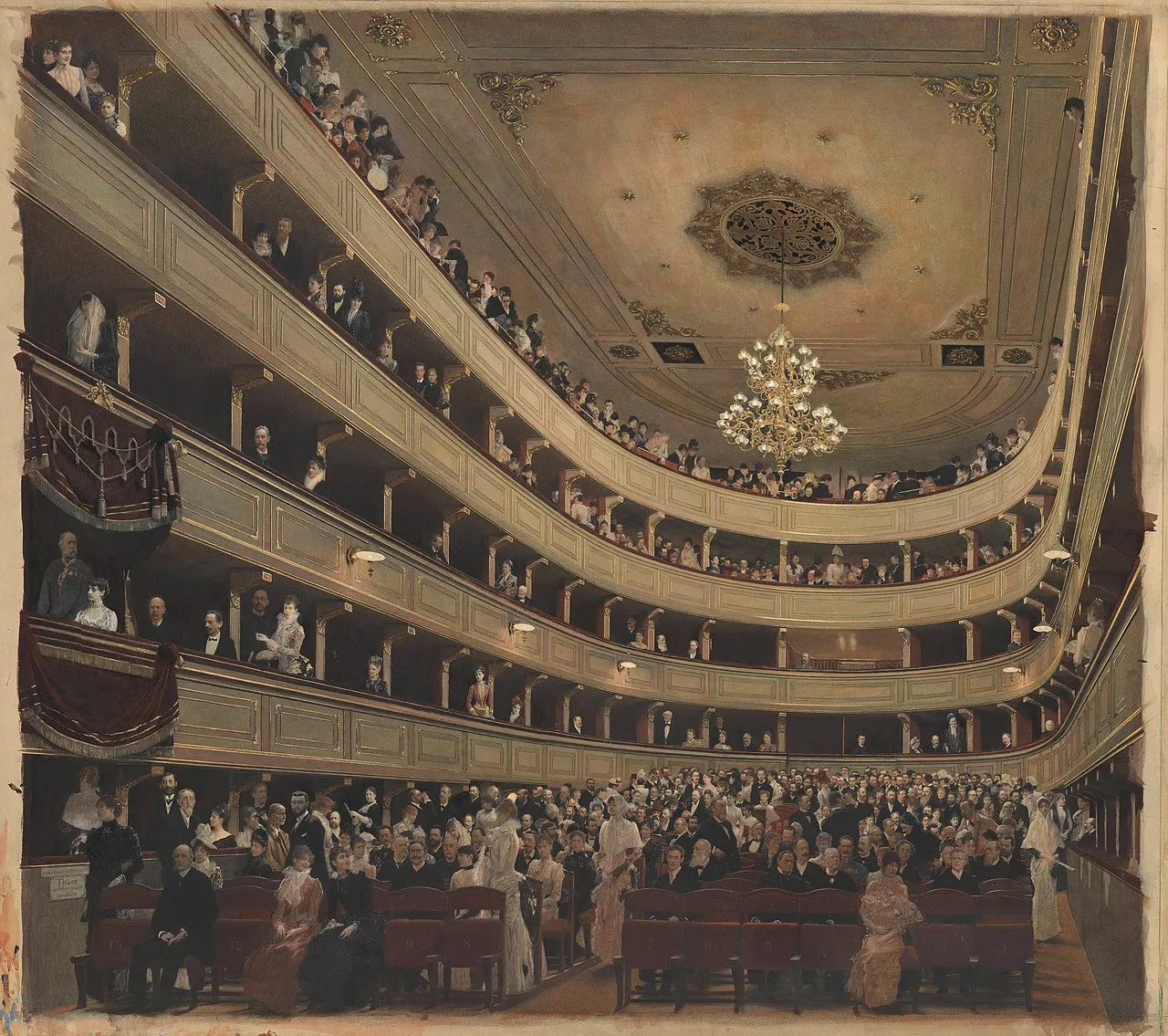
Naturalism
9 artworks
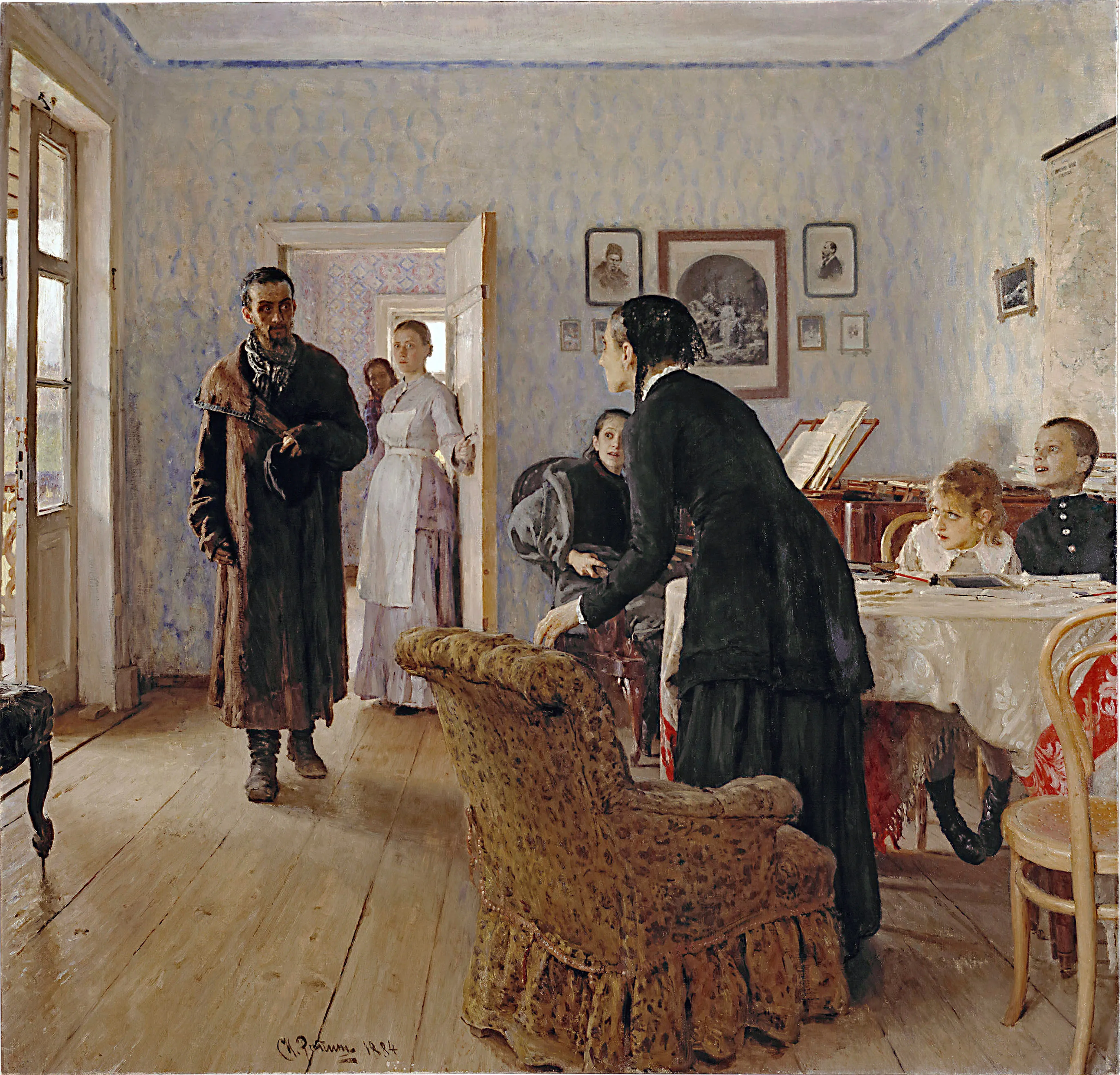
Russian Realism
1 artworks
Post-Impressionism
13 artworks
Genre painting
9 artworks
Neoclassicism
3 artworks
ウィーン分離派
7 artworks
自然主義
1 artworks
ナショナル・ロマンティシズム
1 artworks
未来派
1 artworks
More artists
If you find an error in this content, please let us know here
This site is protected by reCAPTCHA, and the Google Privacy Policy and Terms of Service apply.