日本語 (JA)
 English (EN)
Claude Monet,
celebrated as the master of Impressionism.
When you hear Monet's name,
perhaps the first images that come to mind
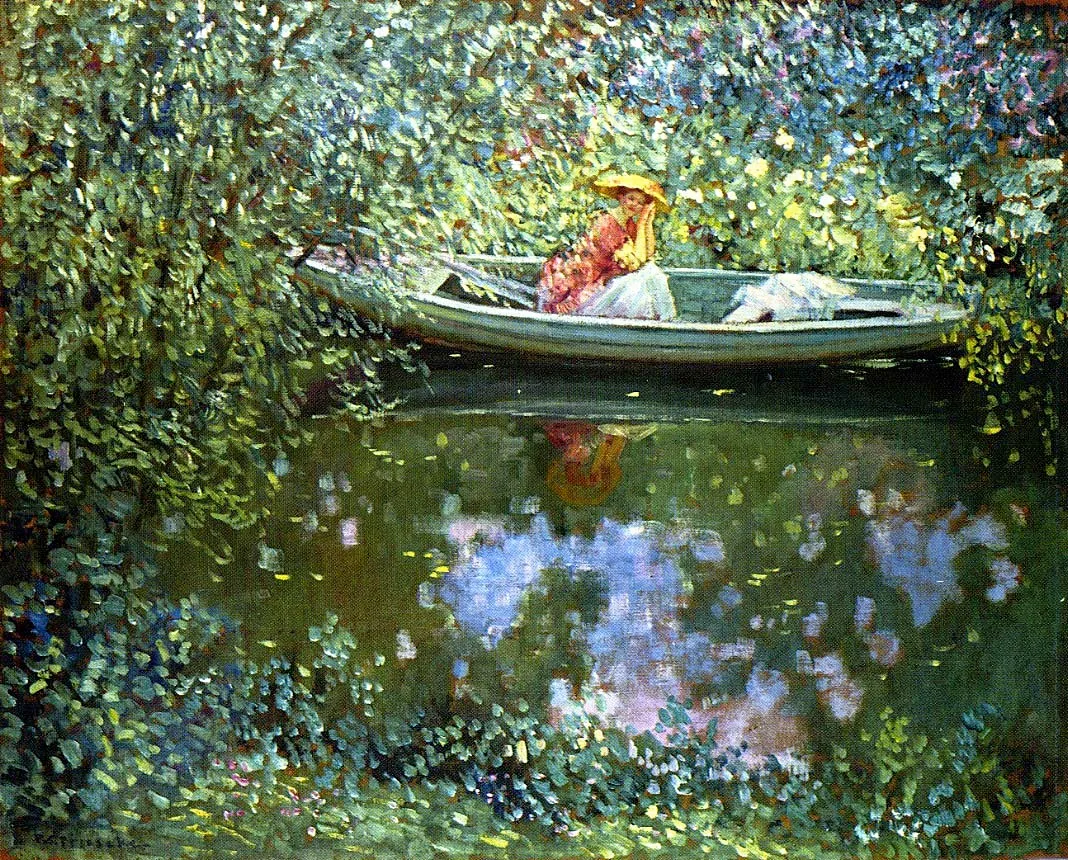
are lush gardens bursting with colorful blooms,
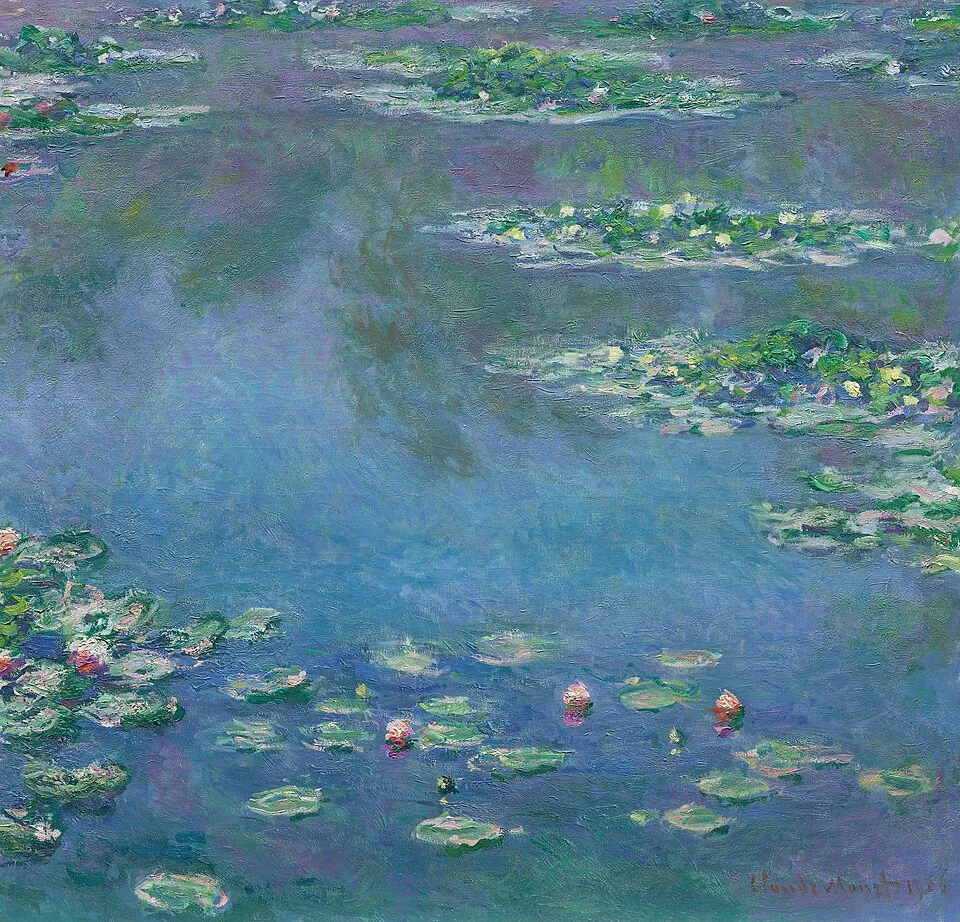
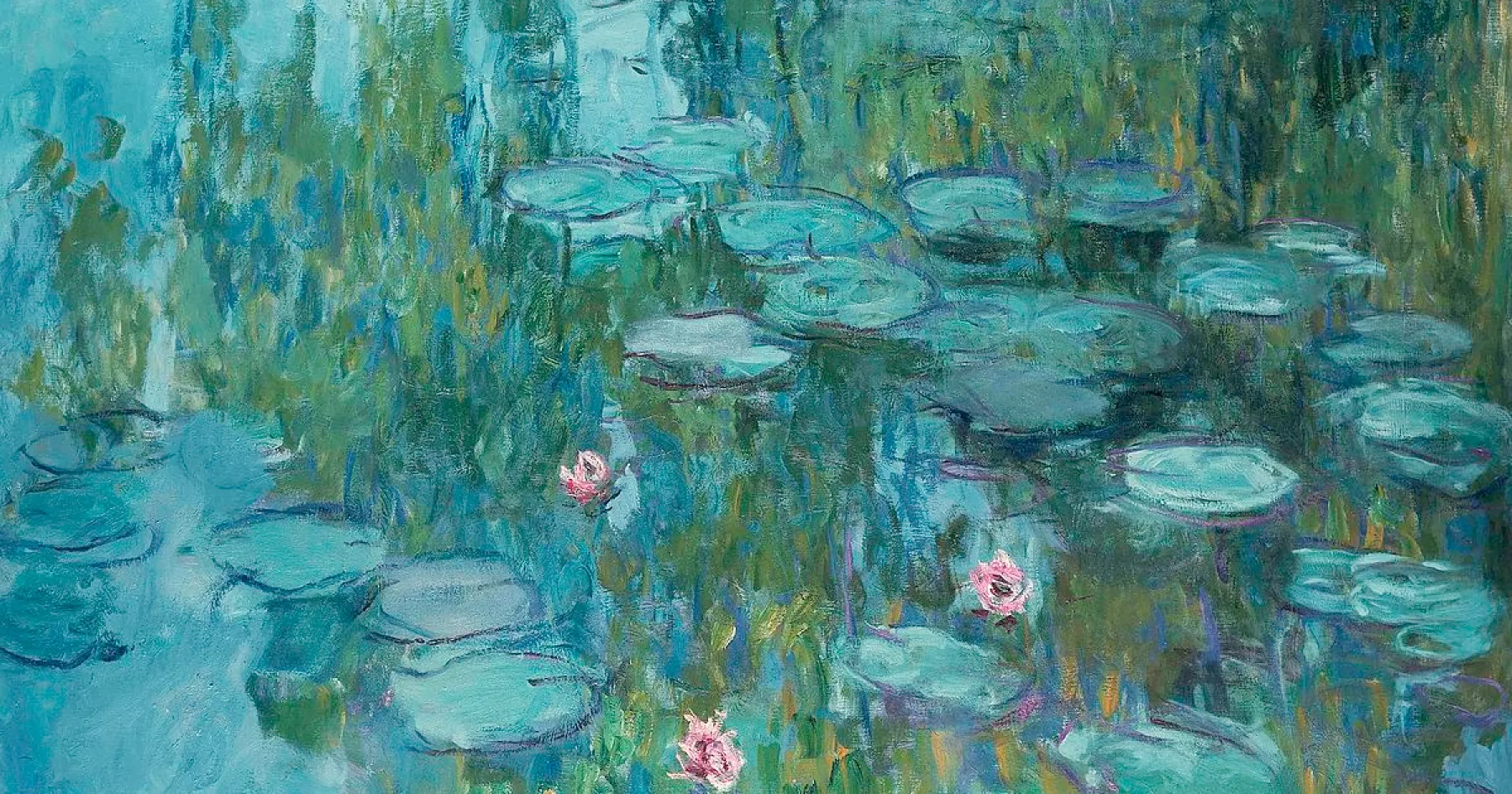
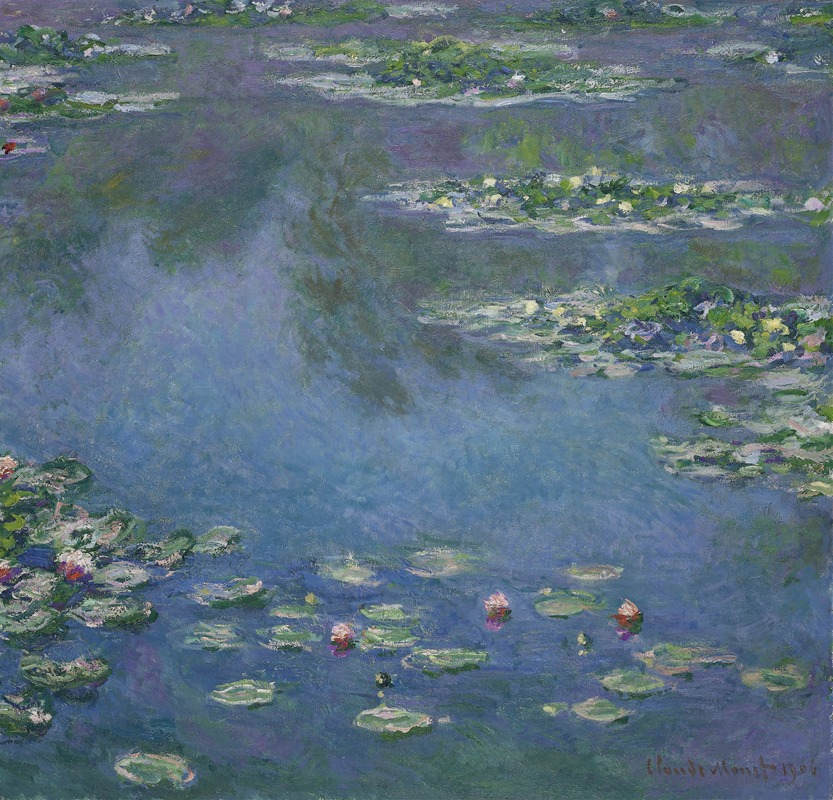
or the serene Water Lilies drifting upon calm waters.
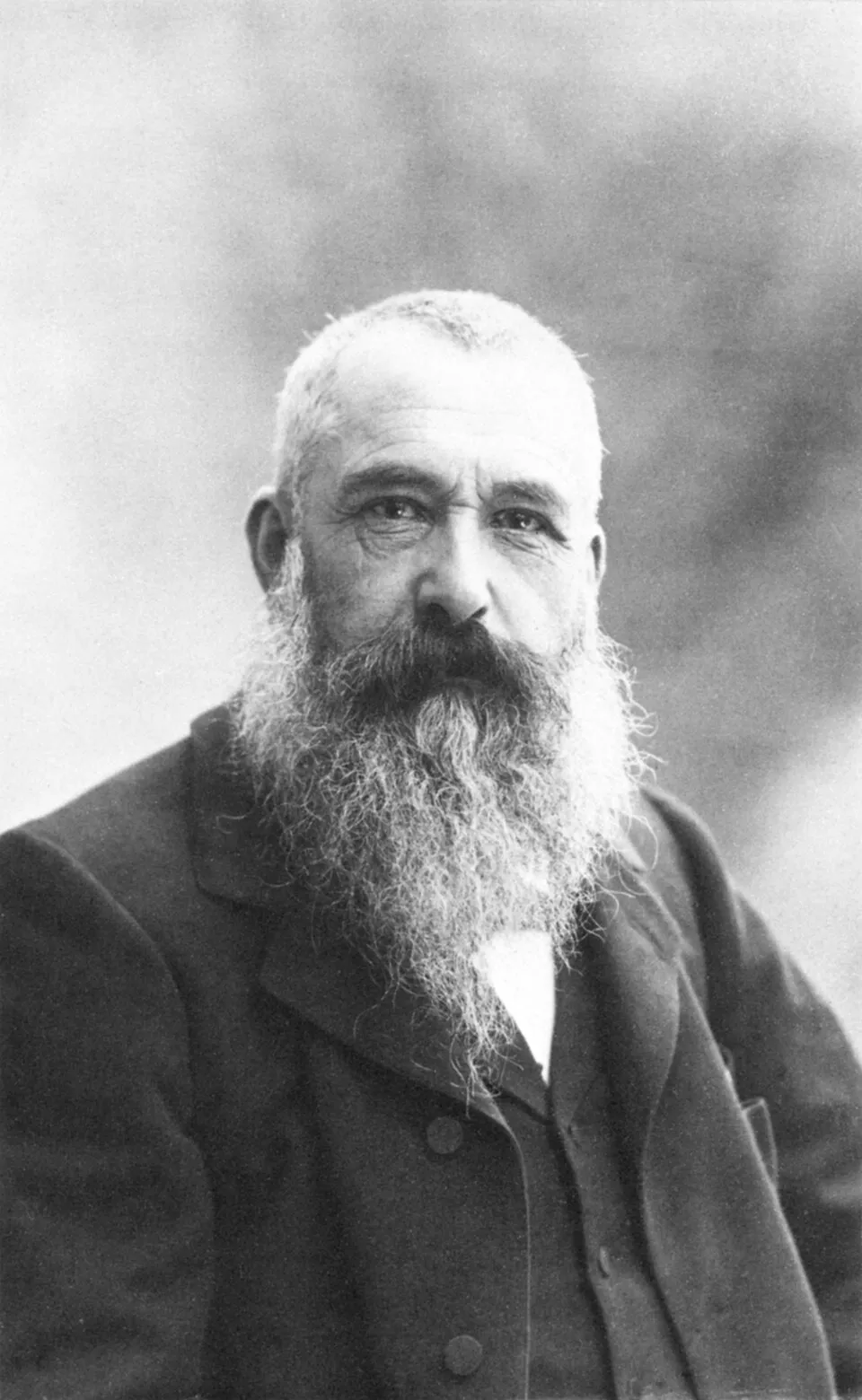 Claude Monet
Gentle, pastel-hued light.
The soothing beauty of nature
that cleanses the soul just by looking at it.
That is perhaps the image most of us hold of Monet.
Yet, if you trace the footsteps of his journey,
you will encounter a rather unexpected truth.
The first place in his life that captivated him so deeply
he felt compelled to paint it again and again
was neither a picturesque flower field
nor a tranquil forest.
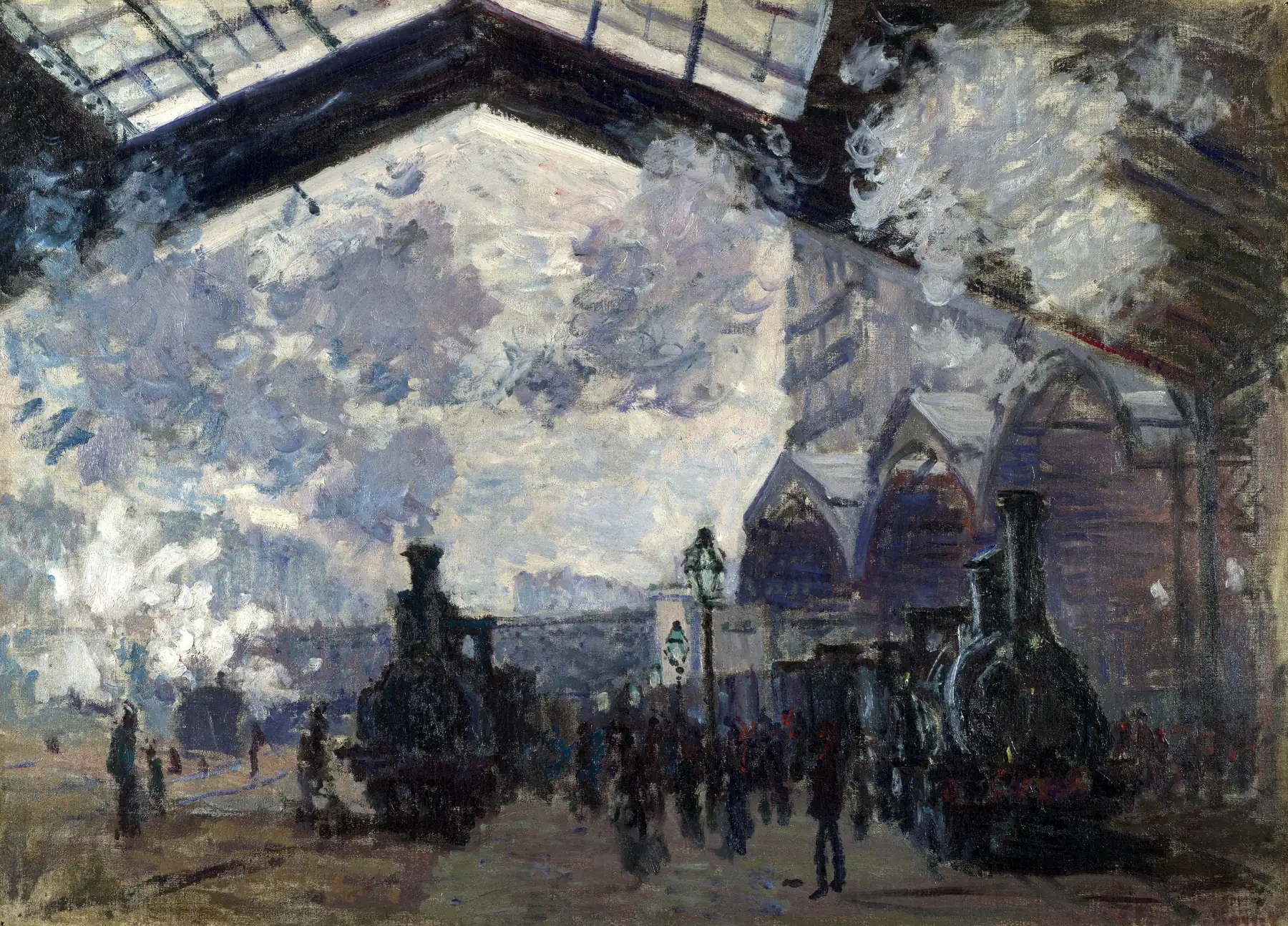
It was a massive Paris railway station,
where thick plumes of black smoke billowed into the air
and colossal iron engines thundered across the ground.
Why did this painter, who loved light and nature,
throw himself into a station clouded in soot and smoke?
Leaving the Pastoral Countryside Behind: Monet Heads for a Station Engulfed in Smoke
 Claude Monet
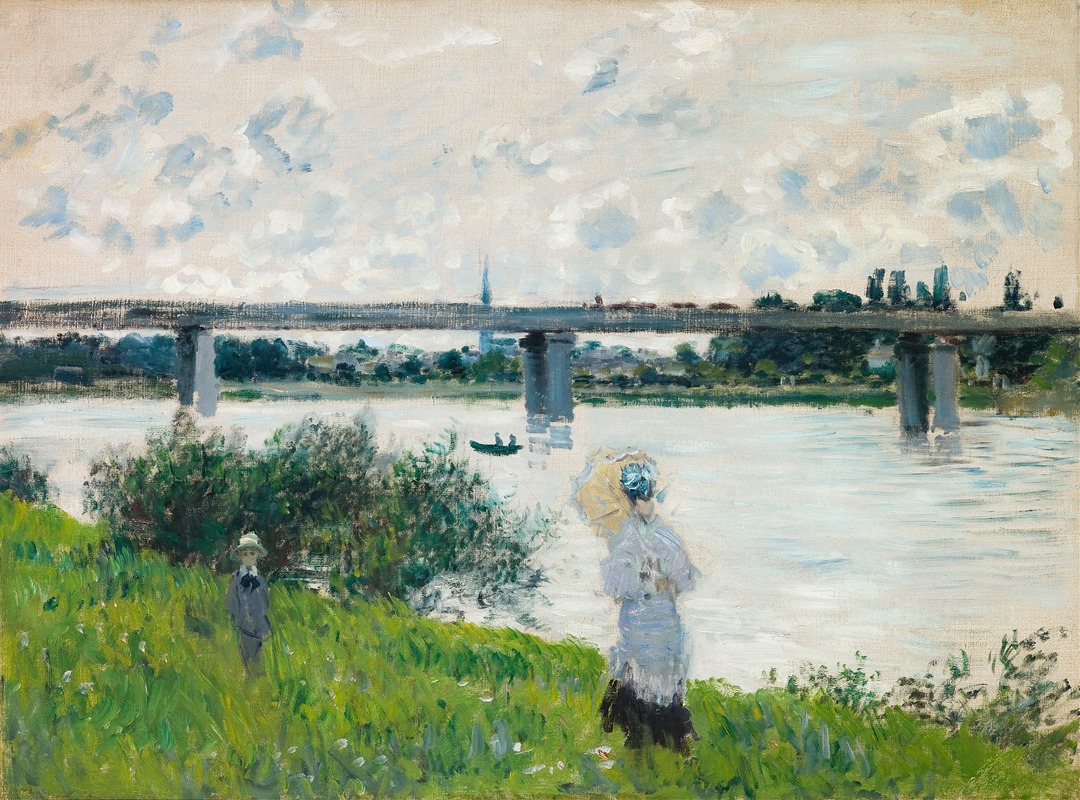
In early 1877, Monet was living
in the small riverside town of Argenteuil on the Seine,
just on the outskirts of Paris.
White sailboats floating along the water,
people enjoying leisurely picnics along the riverbanks.
Monet delighted in capturing
such peaceful countryside scenes.
Yet, change soon arrived in this idyllic town.
Factory chimneys sprouted one after another,
and the rising tide of industrialization began to engulf the pastoral landscape.
Many artists might have lamented
the destruction of nature
and sought to retreat to an even more remote, quiet countryside.
Monet, however, chose a different path.
Perhaps he wanted to plunge headfirst into the very place where the energy of the new era surged most powerfully.
He set out for the Gare Saint-Lazare,
the oldest and one of the busiest railway stations
in Paris at the time.
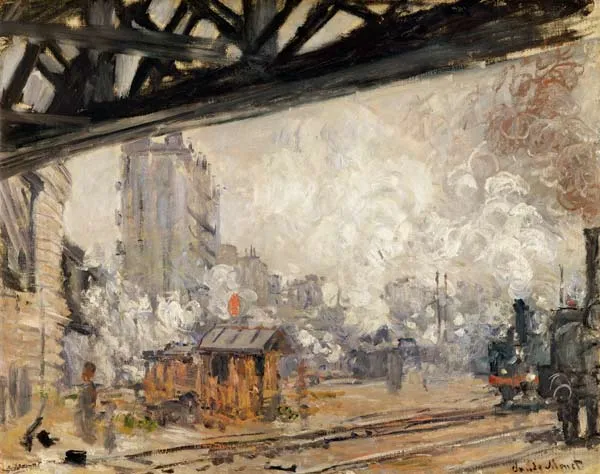
To Monet, this was far more than just a train station.
It was a place filled with memories,
where he had constantly arrived and departed
traveling between Paris and Le Havre,
the port city where he spent his youth.
At the time, Monet was facing
severe financial hardship.
Yet, thanks to his fellow artist Gustave Caillebotte, who believed deeply in his talent and helped pay his rent, Monet was able to establish a studio at 17 Rue Moncey, just steps away from the station.
From there, he began his daily visits to the station,
steeped in thick black smoke and the heavy scent of oil.
Monet's First True Ambition: Not Flower Fields, but Steam Locomotives
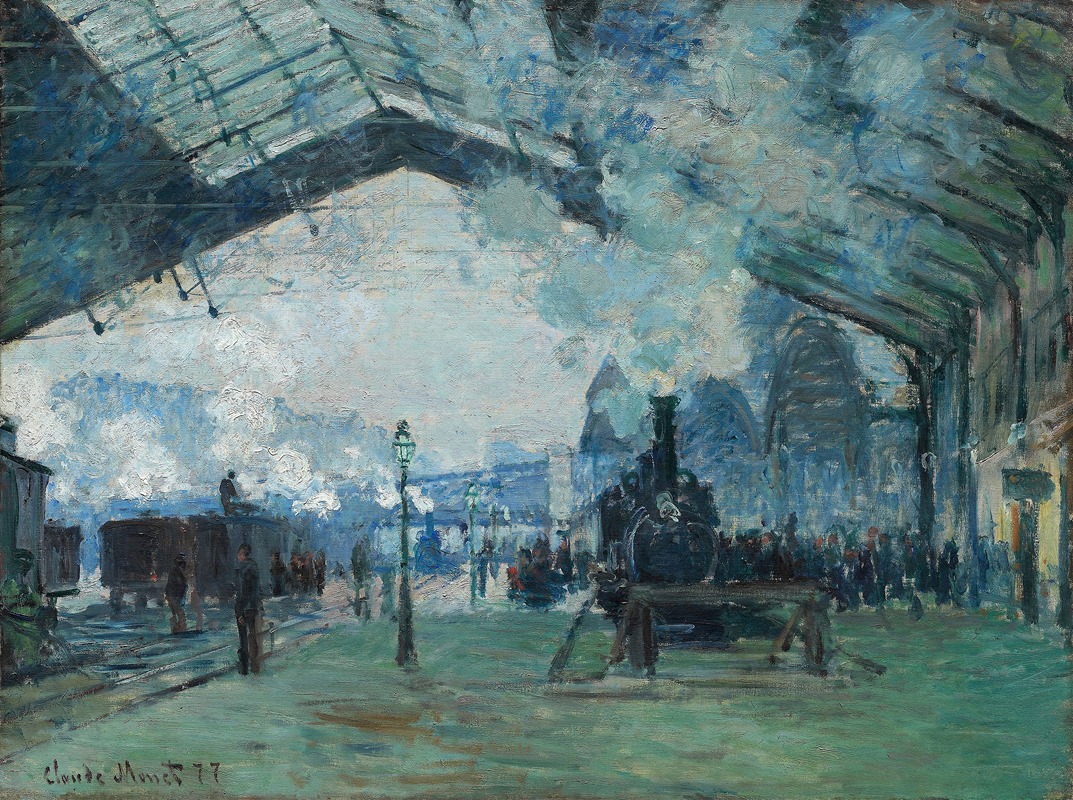 Claude Monet
In the art world, the approach of depicting the same subject or location across different times of day and weather conditions is known as a "series."
*To learn more about the secrets behind Monet's series—"Why did Monet paint the same scene over and over?"—be sure to read our dedicated article on the subject.
> Why Did Monet Paint the Same Scene Again and Again?
When people think of Monet's series,
famous later works such as Haystacks,
Rouen Cathedral,
and the late Water Lilies usually come to mind.
Yet, widely considered to be
Monet's "first true series"
are the twelve canvases he painted of the Gare Saint-Lazare.
Between the winter and spring of 1877,
in a span of just three to four months,
Monet produced these twelve oil paintings in a burst of creative intensity.
The interior of the station sheltered by glass and iron canopies.
The sprawling web of tracks outside.
The great bridge spanning across the rails.
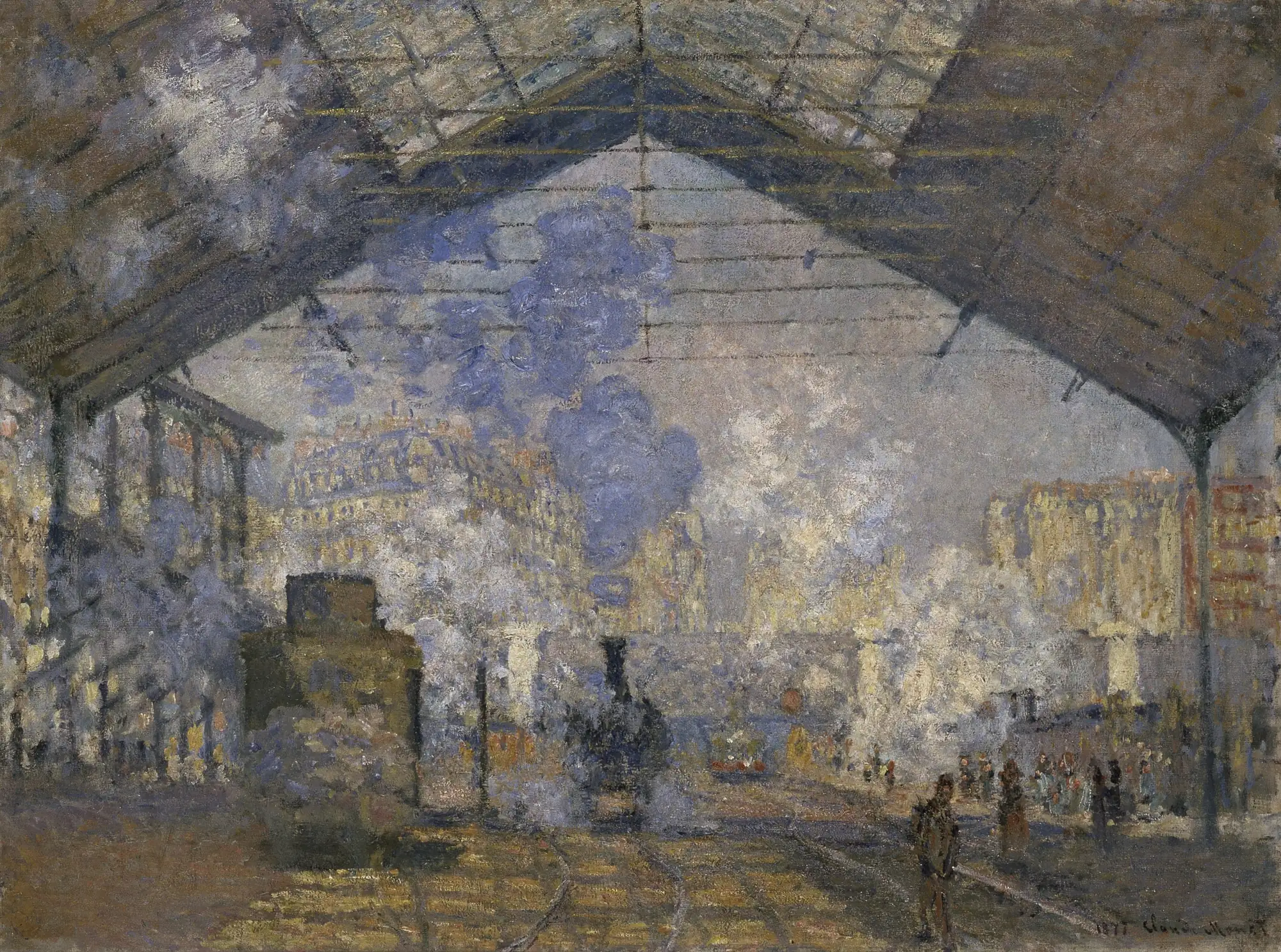
Though depicting the same station,
he altered his vantage point, angle, and the weather,
capturing an astonishingly diverse array of impressions.
Shortly after completing the works, in April of that year,
Monet exhibited about seven of them
at the Third Impressionist Exhibition, held alongside his fellow painters.
This exhibition marked a historic milestone—the moment these artists proudly embraced and hoisted the label "Impressionist," which had previously been used as an insult.
Painting not flowers or trees,
but the railway, the cutting-edge technology of the modern age.
It was a bold challenge by Monet,
unfettered by the conventions of traditional painting.
Between the Smoke-Swirling Platforms and Quiet Toil in the Studio
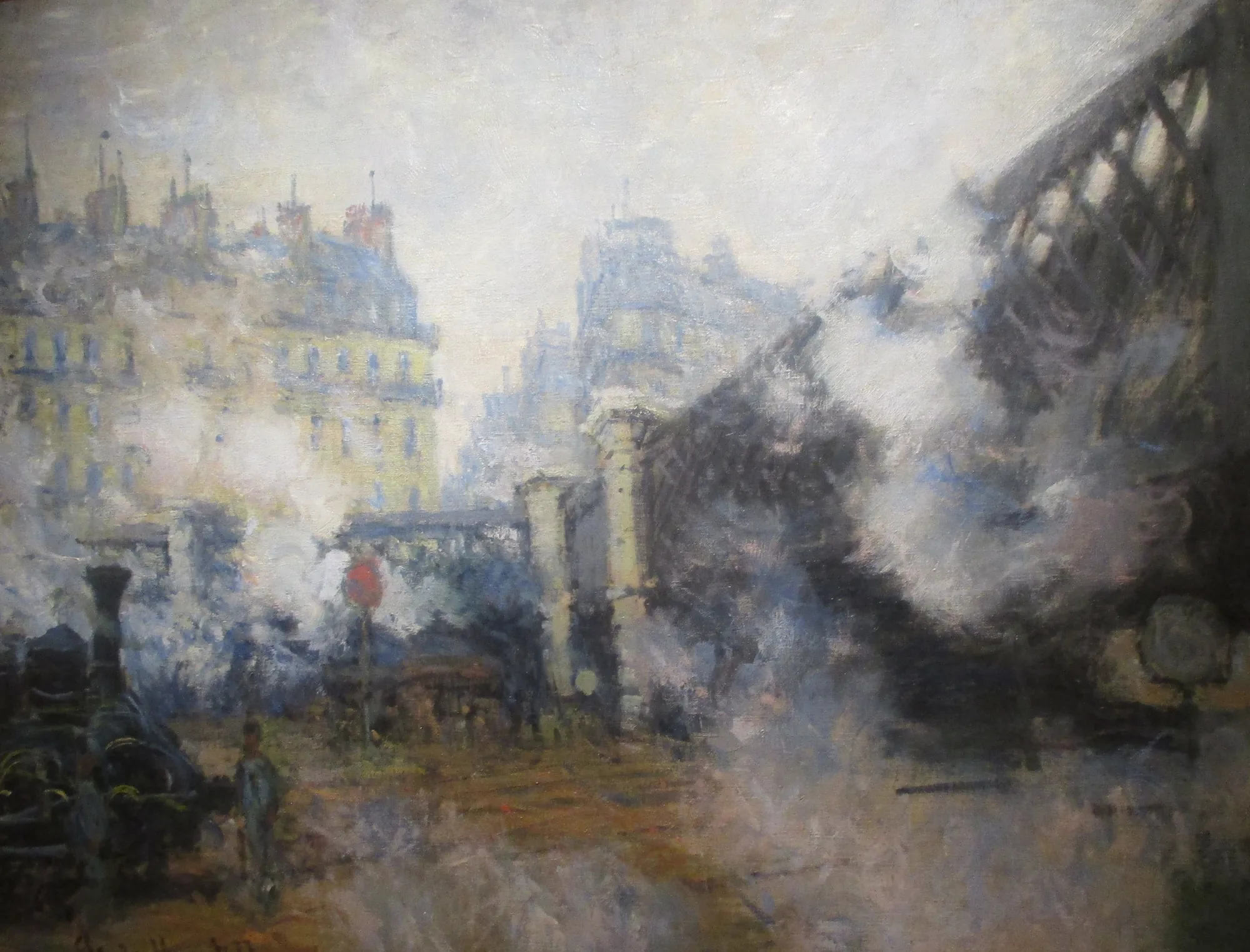
There is a well-known anecdote
surrounding the creation of the Gare Saint-Lazare paintings.
It tells of Monet marching into the stationmaster's office with grand self-assurance, demanding that trains be delayed and made to puff plumes of smoke on command—a truly swashbuckling tale.
However, reality seems to have been somewhat different.
This story was recorded by Renoir's son as a tale heard from his father, and today it is largely regarded as an embellished legend.
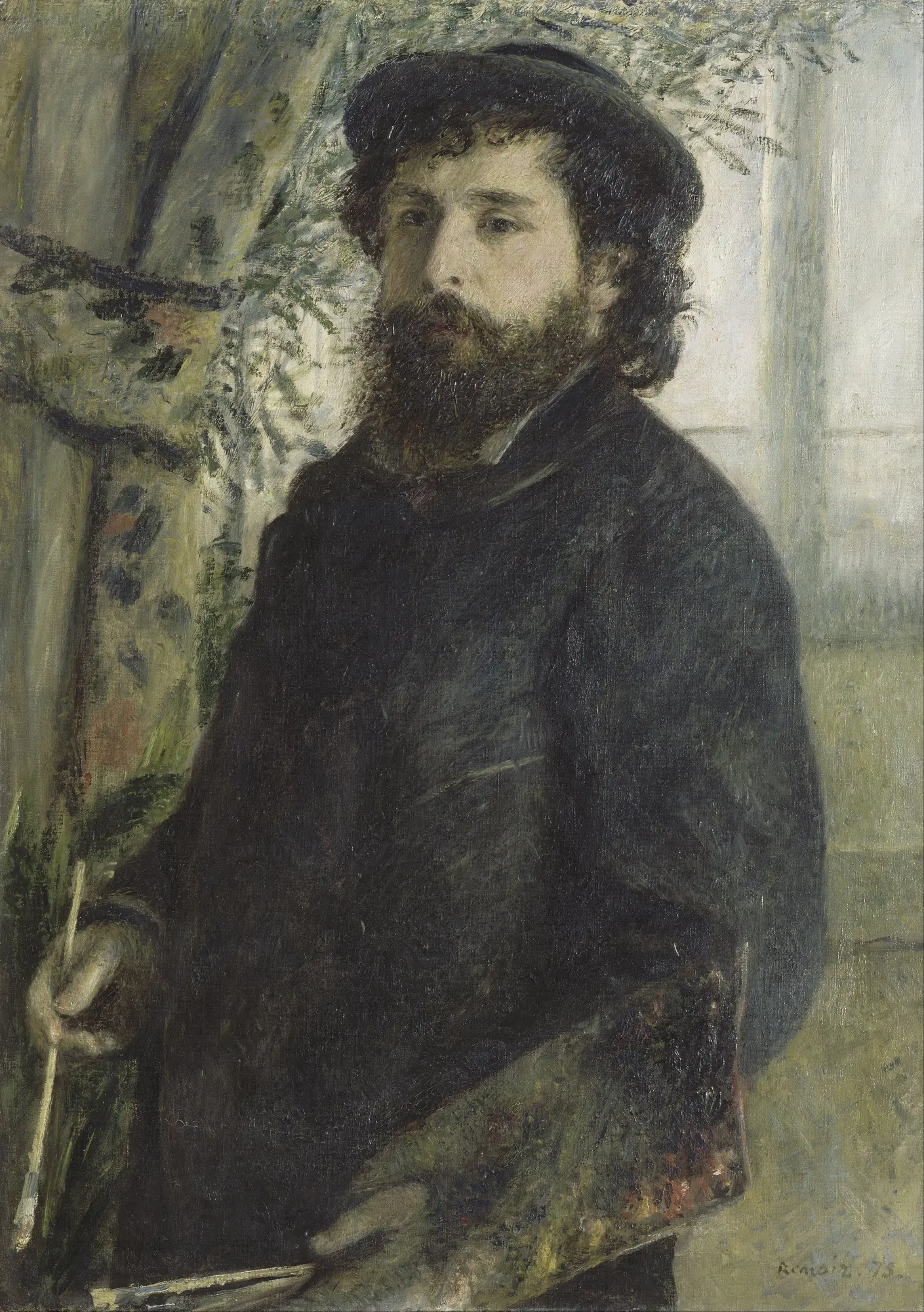
In truth, Monet took a far more pragmatic and steady approach.
He formally petitioned the director of the Western Railway Company for permission,
and eventually received a favorable response.
Even so, he confided in letters
that obtaining permission was an uphill battle;
it was by no means granted effortlessly through sheer bravado.
Furthermore, amidst the bustling crowds and dense soot,
it was impossible to linger peacefully
and layer paint on the canvas.
Monet is believed to have made swift sketches on site before returning to his studio on Rue Moncey, just a short walk away, where he thoughtfully completed each piece while carefully balancing the light and color.
Rather than a glamorous legend,
this picture of Monet—facing the harsh reality of the site
and diligently layering brushstrokes in his studio—
feels far more human, touching, and relatable.