日本語 (JA)
 English (EN)
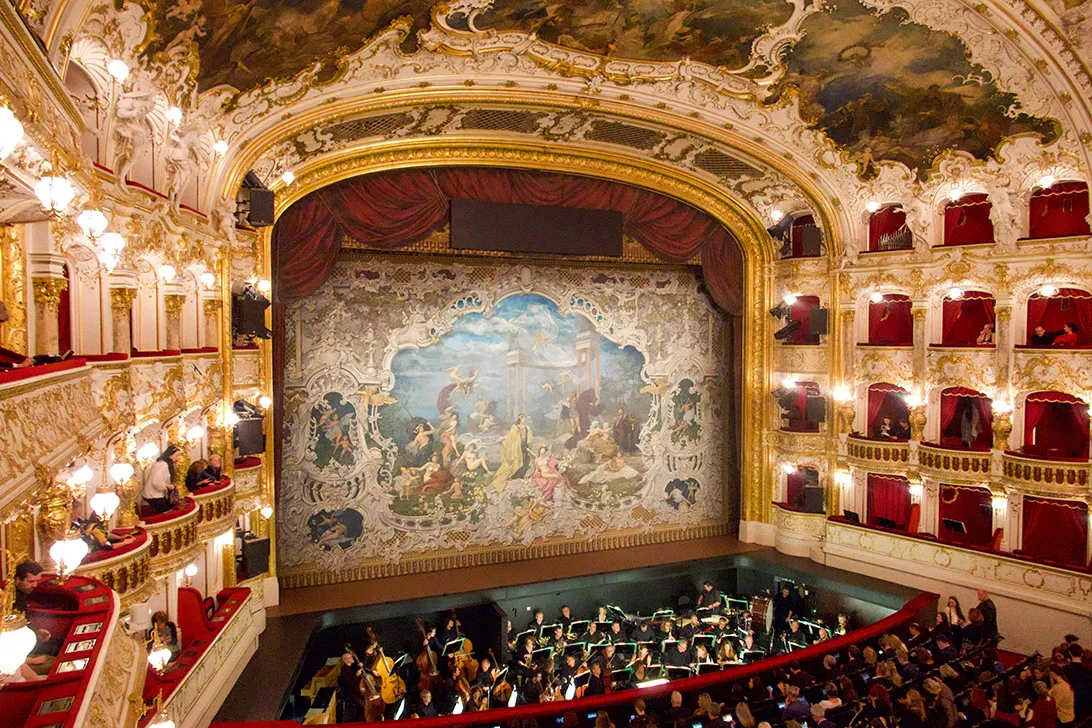
Have you ever felt the air change the moment you push open the doors of a concert hall?
The thrill of unlatching an instrument case,
the breathless hush,
and the gentle reverberation that envelops the entire auditorium.
A concert hall or opera house is far more than a mere box assembled from concrete and timber.
Within those walls lie
the relentless devotion of architects who poured their lives into chasing the ideal sound;
the enduring love of citizens who rose to say, "Let us rebuild our theater," even after war and fire reduced it to ashes;
and
the sweat and prayers of thousands of musicians who took to the stage, holding their instruments with trembling hands.
For decades, even centuries, the tears and passions of countless people
have settled into the grain of the wood and the carvings of every pillar,
nurturing the rich acoustics we are privileged to hear today.
Here, we present 12 of the world's most magnificent concert halls and opera houses, and the miraculous stories woven into each space.
Theaters That Rose from the Ashes of War and Fire
Vienna State Opera (Vienna, Austria) | An Imperial Opera House Resurrected by Its Citizens from Tragedy and Wartime Ashes
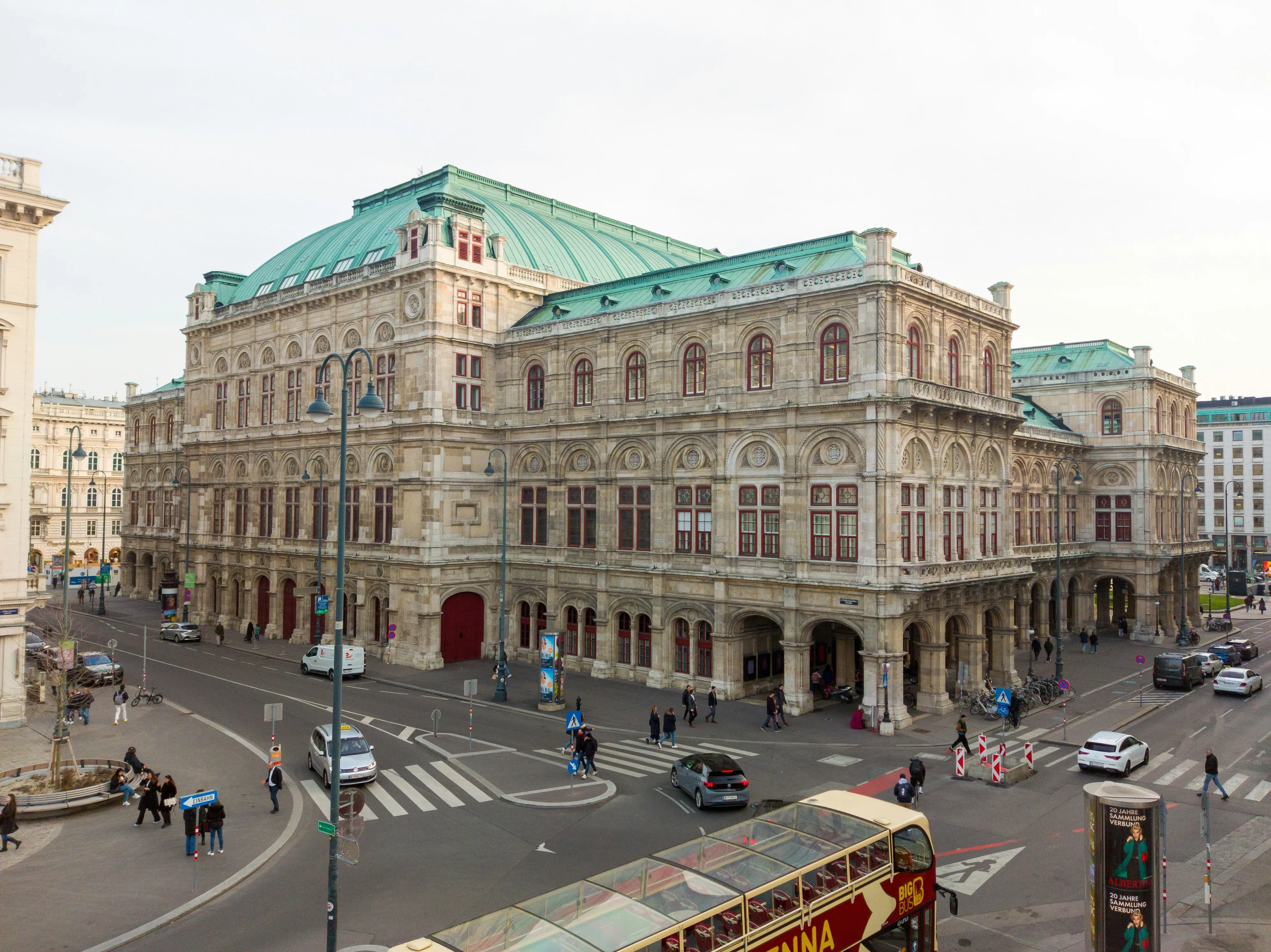
This imperial opera house was built in an elegant Neo-Renaissance style.
Yet its beginning was marked by profound tragedy.
During construction, the adjacent street level was raised, drawing fierce public ridicule that the building appeared sunken into the ground.
Heartbroken by the harsh criticism, the architect Eduard van der Nüll took his own life, and his partner August Sicard von Sicardsburg died of illness shortly thereafter.
Later, during World War II, the structure was largely destroyed by air raids.
Even so, the people of Vienna united around the sentiment that the opera house must be restored before all else, dedicating a decade to bringing it back to life.
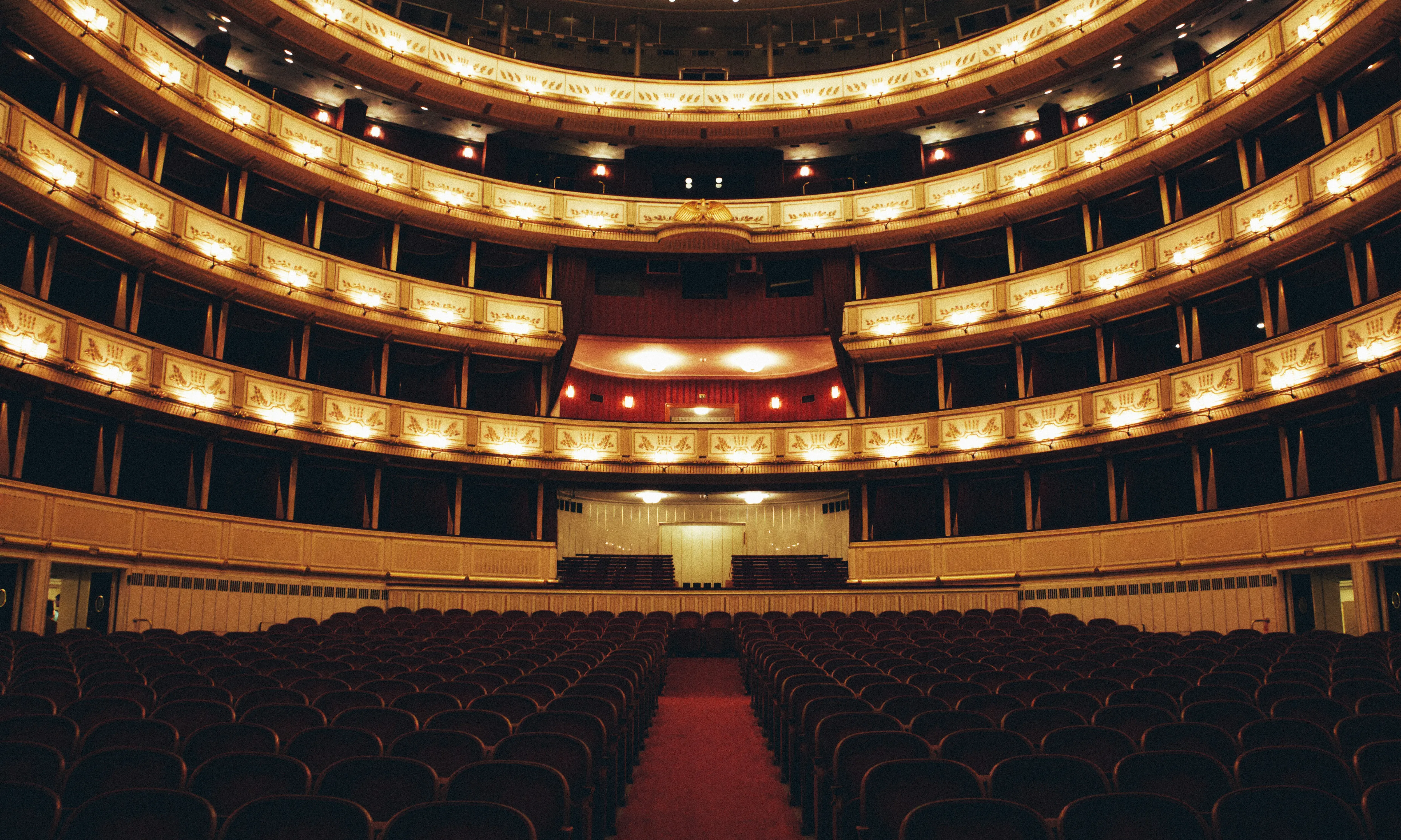
From the horseshoe-shaped auditorium in red and gold to the grand staircase adorned with exquisite frescoes, the indomitable spirit of people who never lost their love for music lives on within these walls.
Historic Premieres and Performances:
Inaugural performance with Mozart's opera Don Giovanni, alongside legendary productions led by illustrious music directors including Gustav Mahler, Herbert von Karajan, and Seiji Ozawa.
Teatro alla Scala (Milan, Italy) | The Pinnacle of Opera Where Toscanini Fought, and Where Passion Meets Rigor
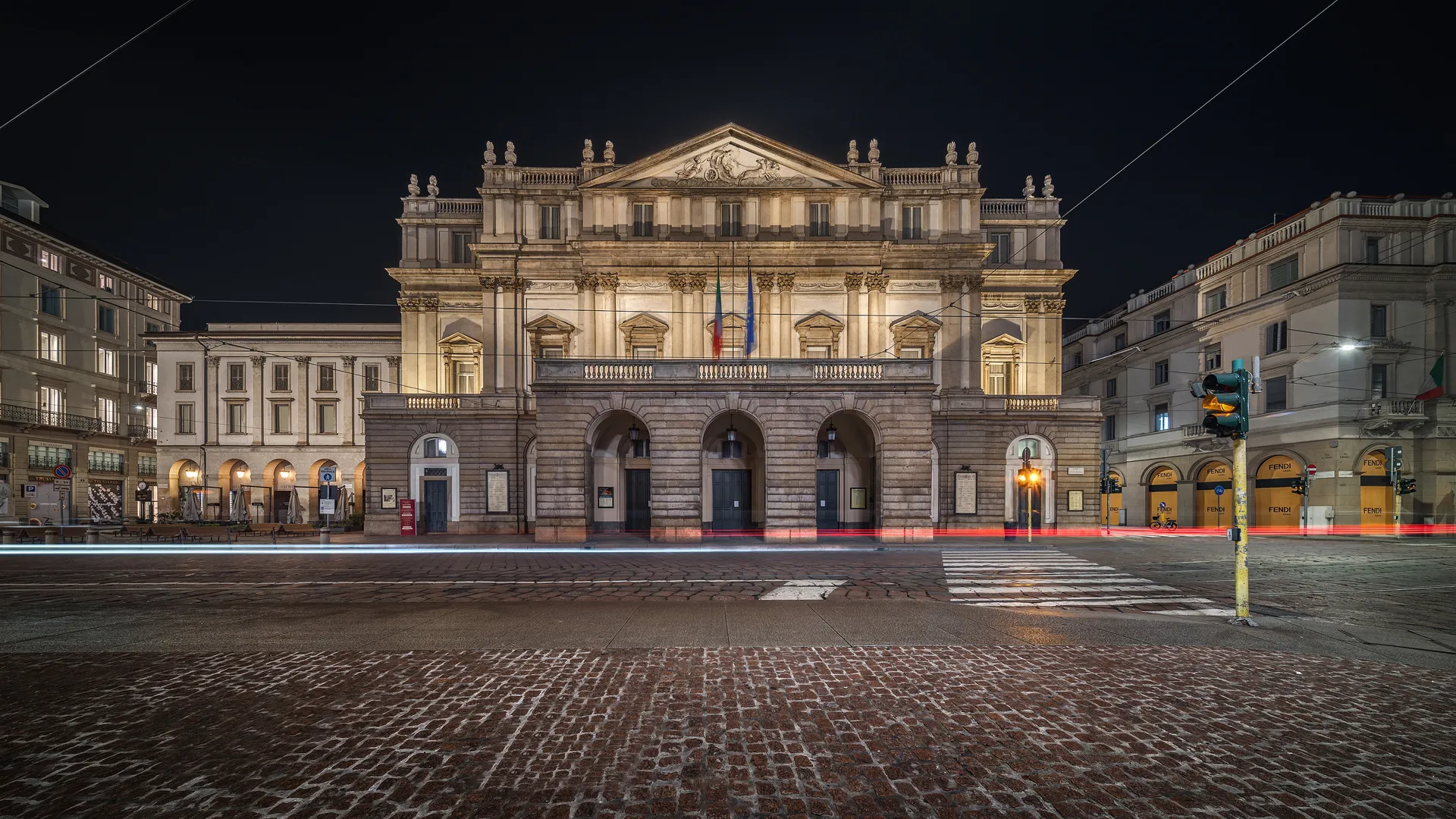
Erected on the site of a former church following the destruction of an earlier theater by fire, La Scala stands as the premier temple of Italian opera.
While its exterior presents a dignified Neoclassical facade, stepping inside reveals a breathtaking six-tiered horseshoe auditorium aglow with red and gold.
The wooden floors and hollowed wall construction ensure that even the singer's most delicate breath resonates with pristine clarity.
It is both a cherished dream for musicians and the world's most unforgiving testing ground.
The discerning listeners in the loggione—the gallery seats at the very top—are known to show no mercy, raining boos upon even the most celebrated vocalists if a performance falls short.
In the early 20th century, the legendary conductor Arturo Toscanini instituted strict reforms to curb poor audience etiquette, such as banning encores; on one occasion, amid the ensuing uproar, he is said to have thrown down his baton and walked off the podium.
It remains a theater of burning passion, having fought unceasingly to defend the dignity of art.
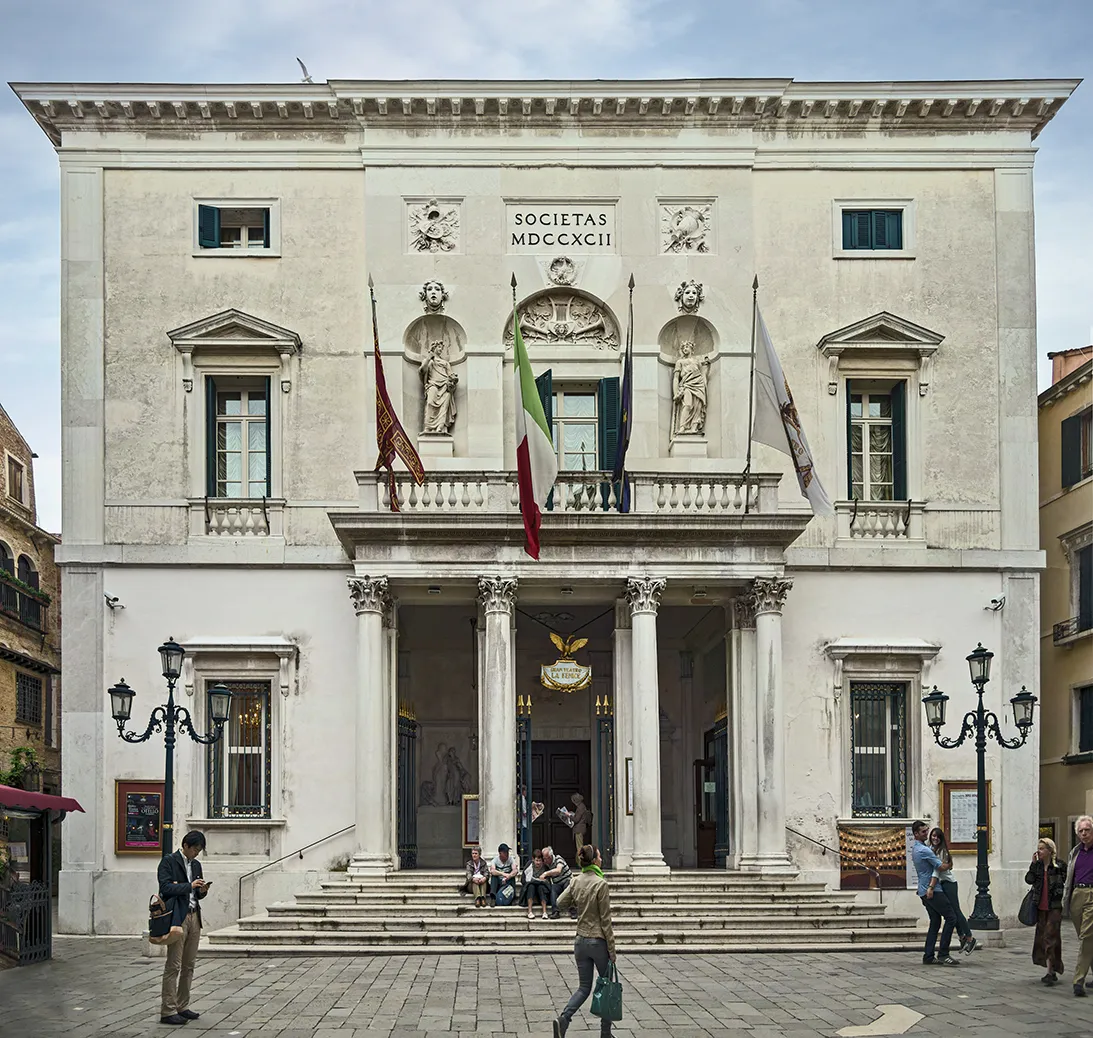
Teatro La Fenice (Venice, Italy) | A True Phoenix of the Floating City, Resurrected from the Ashes of Two Great Fires
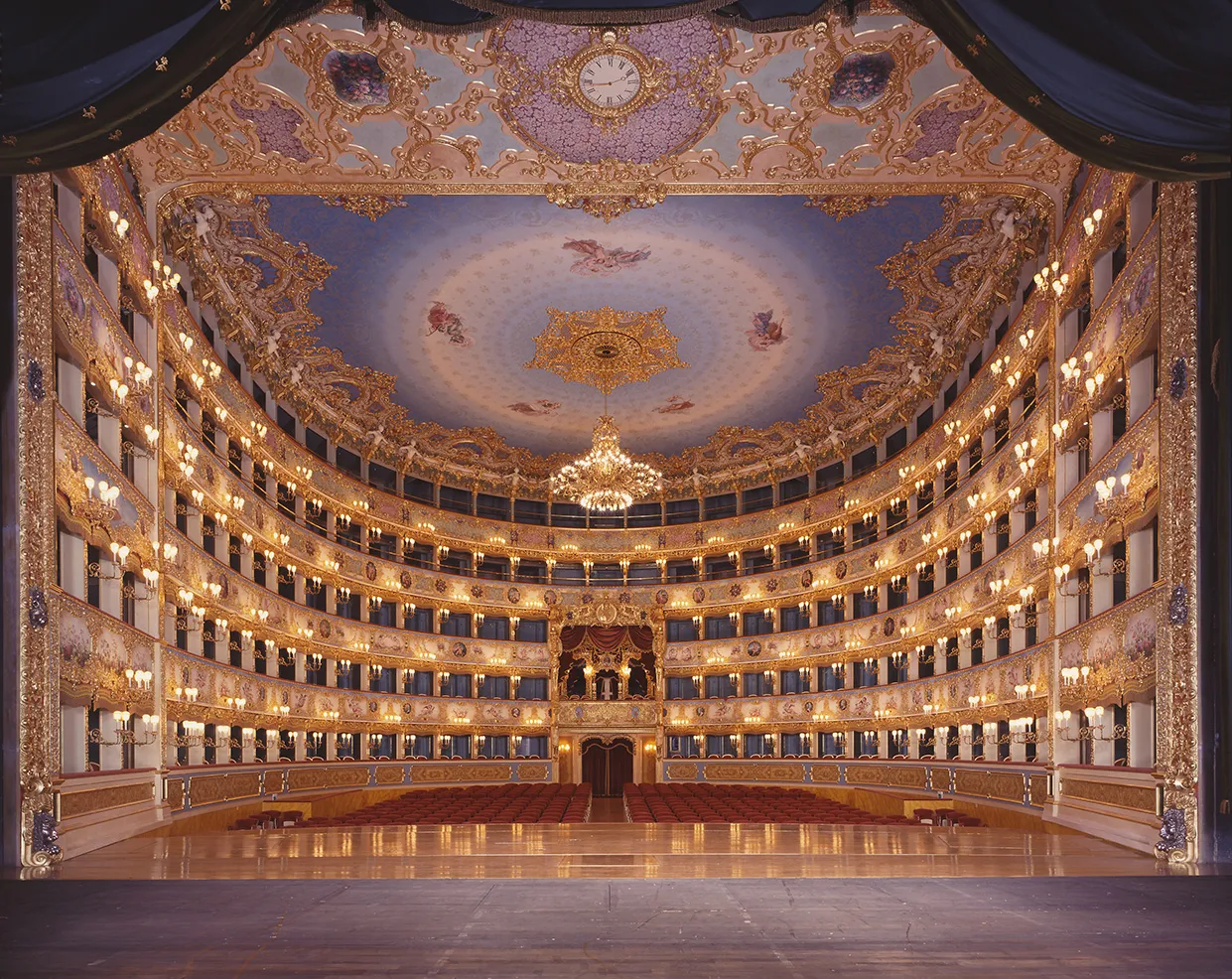
The name of the theater, "La Fenice," translates to the "Phoenix," the mythical bird that rises from its own ashes.
True to its namesake, the theater was twice reduced to ruin: first by a devastating blaze in 1836, and again by arson in 1996.
Yet the people of Venice never lost hope.
It is said that locals went as far as gathering charred fragments from the canals to preserve them with tender care.
Guided by the motto "where it was, as it was," the opera house made a magnificent return in 2003.
The Rococo interior, adorned in white, blue, and gold, harmonizes with the wooden structure to generate a warm, velvety acoustic.
When Giuseppe Verdi premiered his masterpiece La Traviata here, it was initially deemed a failure due to casting issues. Undeterred, he revised the score, turning the subsequent revival the following year into a triumphant, historic success.
Gewandhaus and St. Thomas Church (Leipzig, Germany) | Inheritors of Bach's Legacy and a Civic Bastion of Peaceful Democratization
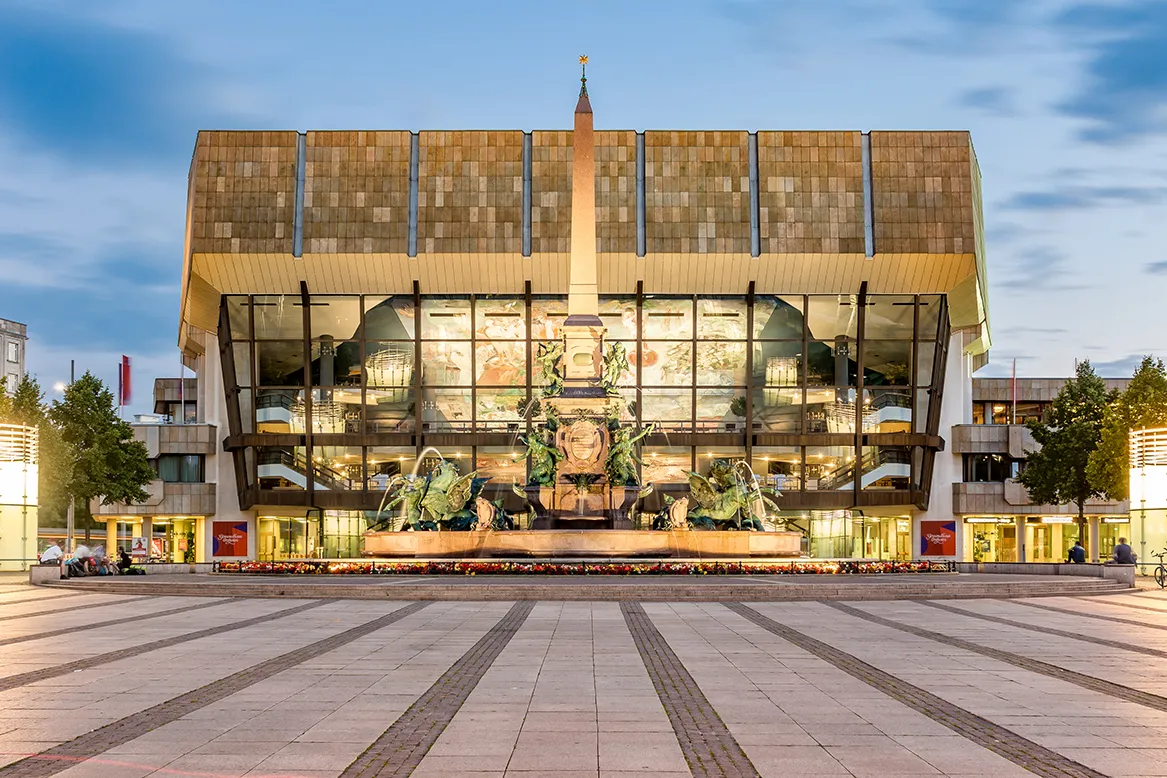
Tracing its lineage back to an 18th-century gathering place for textile merchants, this is the home of one of the world's most storied civic orchestras.
Although the previous building was destroyed during the air raids of World War II, the third and present hall was dedicated in 1981, featuring a hexagonal arena-style hall and a magnificent pipe organ.
Nearby St. Thomas Church serves as the final resting place of J.S. Bach, the father of Western classical music, and is the place where Felix Mendelssohn later spearheaded the historic revival of Bach's masterpieces.
In the autumn of 1989, during the peaceful protests that led to the fall of the Berlin Wall, music director Kurt Masur and civic leaders issued appeals for non-violence, opening the Gewandhaus as a forum for dialogue among citizens.
This noble sanctuary proves that music and human resolve can avert bloodshed and shape the course of history.
The stories of these halls rising from the ashes through sheer determination are truly inspiring.
In the following sections, we explore eight more profound narratives that helped define the history of world music:
Palais Garnier (Paris Opera): A 15-year struggle against subterranean waters, crowned by Chagall's soaring ceiling.
Bayreuth Festspielhaus: What is the "mystic abyss" that completely conceals the orchestra?
Carnegie Hall: "How do you get there?" "Practice, practice, practice!" The ultimate pinnacle for legends.
Teatro Colón & Sydney Opera House: Unrivaled acoustics and the untold drama behind the white shells floating on the harbor.
May these stories inspire your dreams of one day settling into those very seats.