日本語 (JA)
 English (EN)
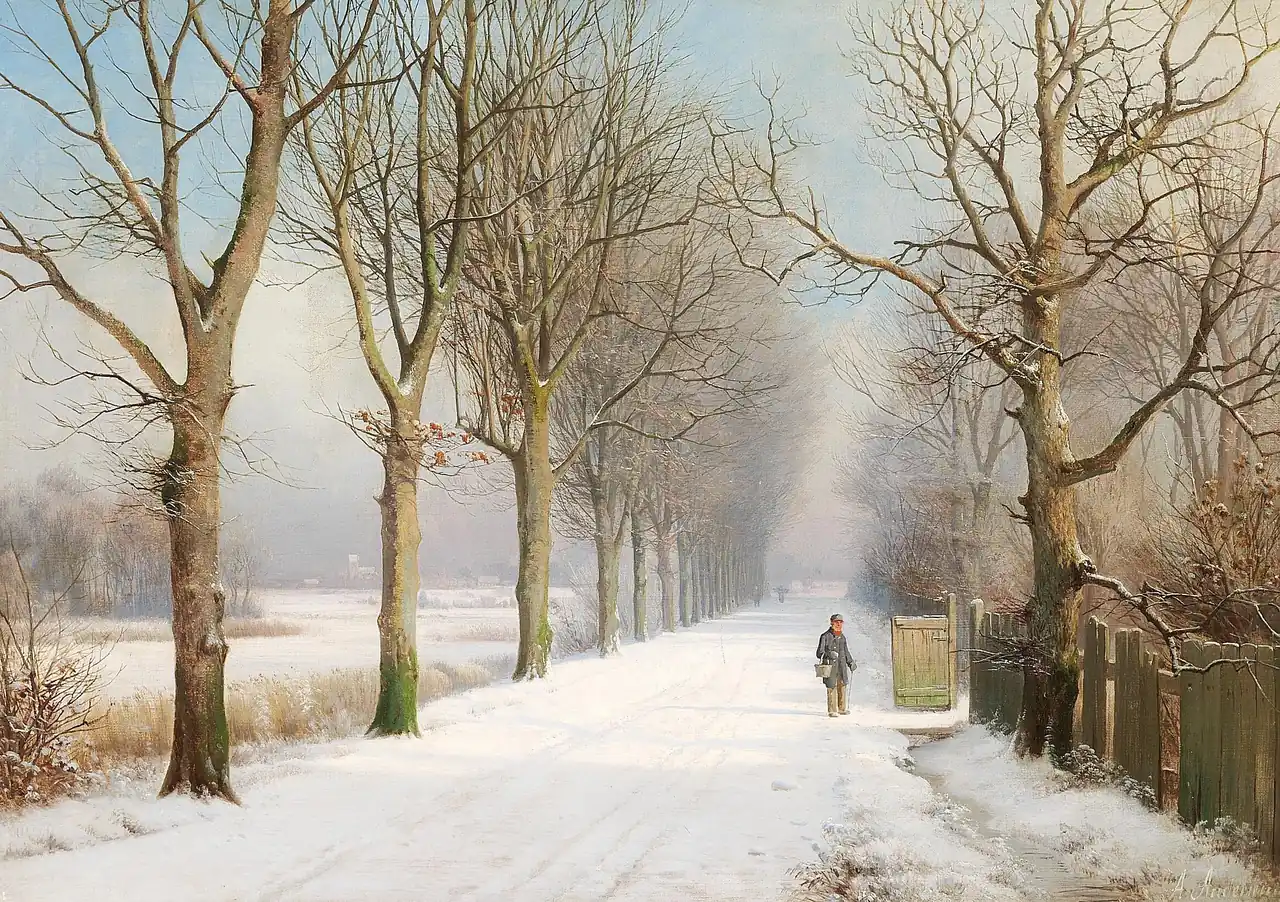
I am writing this article while watching the dusk settle over the runway through the boarding gate glass.
My destination is Paris.
Lately, both at work and in my personal life, I had felt unable to move forward, as though trapped in a mental dead end.
At times like this, I make a conscious effort to step away from "that place"—whether by setting off on a journey,
or meeting a close friend for tea
and sharing idle conversation.
Yet in the past, I would tell myself, "I must try harder," or "If I see no results, it's because I'm not putting in enough effort." I would lock myself in my room, practicing late into the night, only to spin my wheels, make no progress, and sink further into dejection.
Whenever I look back on that younger version of myself,
a piece of winter music by the great Russian composer Pyotr Tchaikovsky
invariably echoes somewhere in my mind.
Teacher by Day, Composer by Night: The "Midsummer Breaking Point" of Young Tchaikovsky
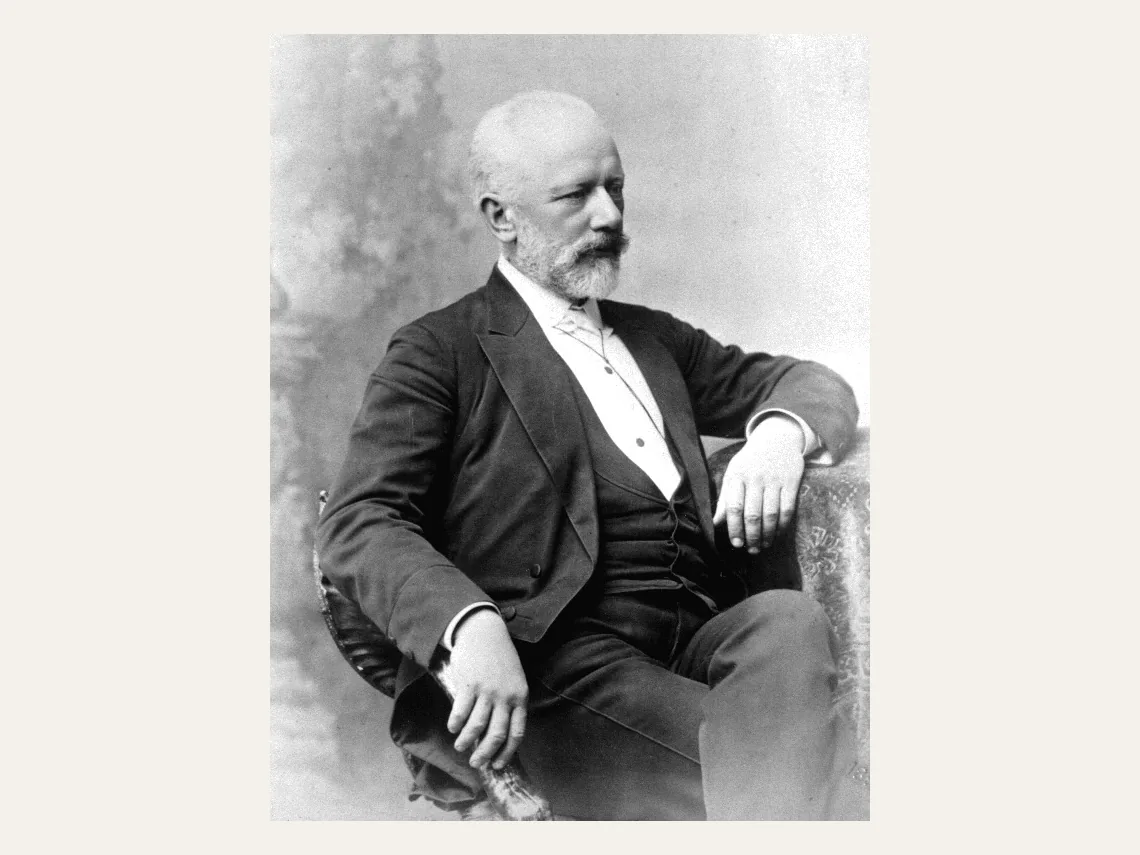
Everyone knows Swan Lake and The Nutcracker.
Listening to their dazzling, immaculate music, one might imagine Tchaikovsky as an effortless genius who produced masterpiece after masterpiece without hesitation.
In his twenties, however, he was surprisingly awkward—an earnest young man whose very conscientiousness drove him to the brink.
In 1866, at the age of twenty-five.
Having just graduated from the conservatory, he began teaching as an instructor at the newly established Moscow Conservatory.
Still unknown and penniless,
he was lodging at the home of the conservatory's director.
He led a double life: by day, expending his nervous energy on unfamiliar lectures and lessons; by night, retreating to his room to labor over the score of his first major orchestral work, Symphony No. 1.
Conscientious to a fault, he cut back on sleep and chain-smoked while clinging to his desk.
Yet this first major undertaking made painfully slow progress.
"I cannot shake the thought that I may die soon without ever properly finishing this symphony."
Such anguished cries were poured out
in letters to his younger brother at the time.
Then, in the swelter of late July,
while staying at a country dacha,
the cumulative sleeplessness and relentless pressure finally reached a breaking point, and he collapsed from a severe nervous breakdown.
It was a terrifying seizure accompanied by horrific hallucinations,
leaving his limbs numb and paralyzed.
A Silently Freezing "Silver World" Conceived in the Heat of Summer
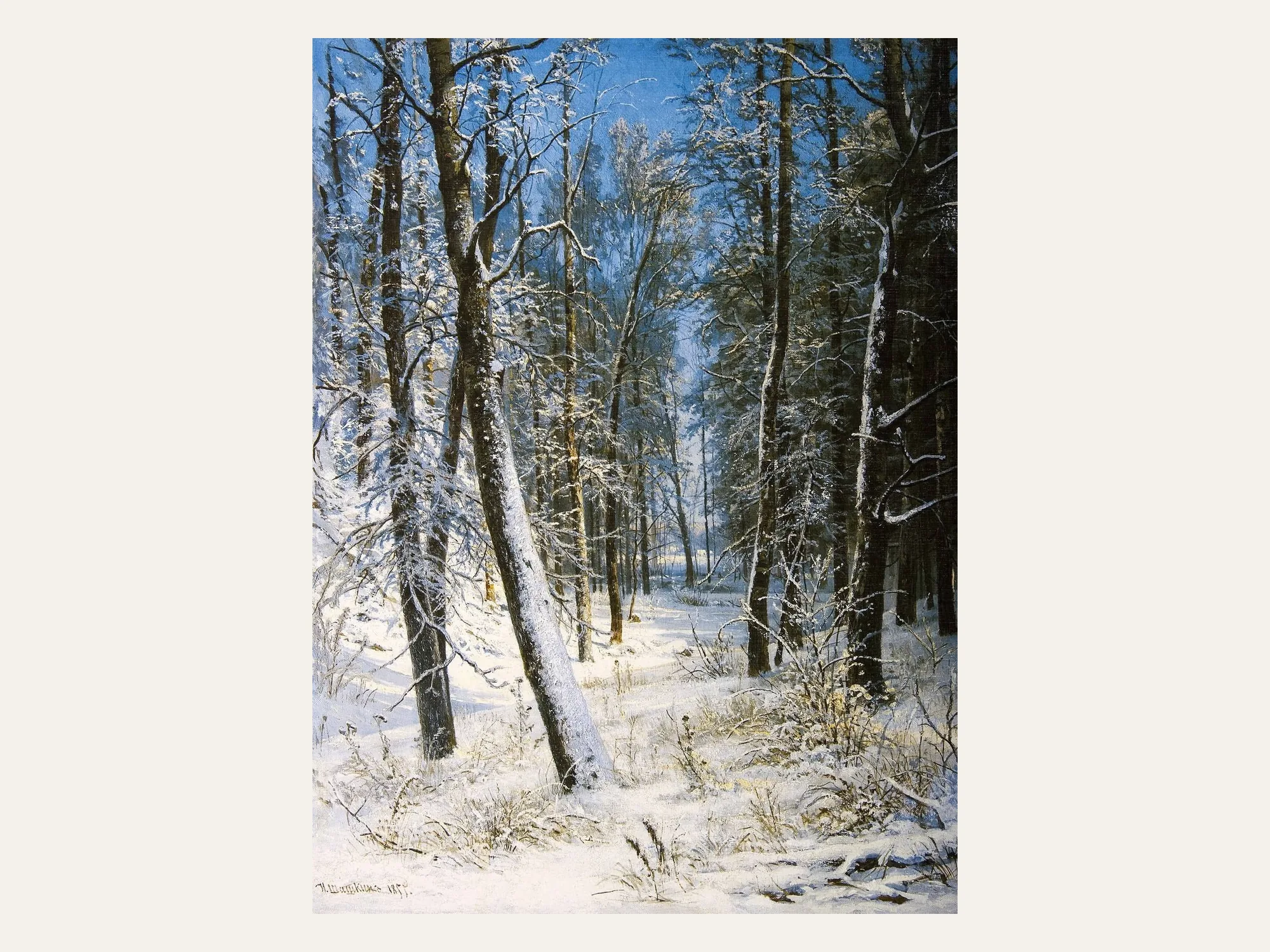
The piece Tchaikovsky was pouring his life into amidst the suffocating heat and intense pressure—
that was the music that would later come to be known as Symphony No. 1, "Winter Daydreams."
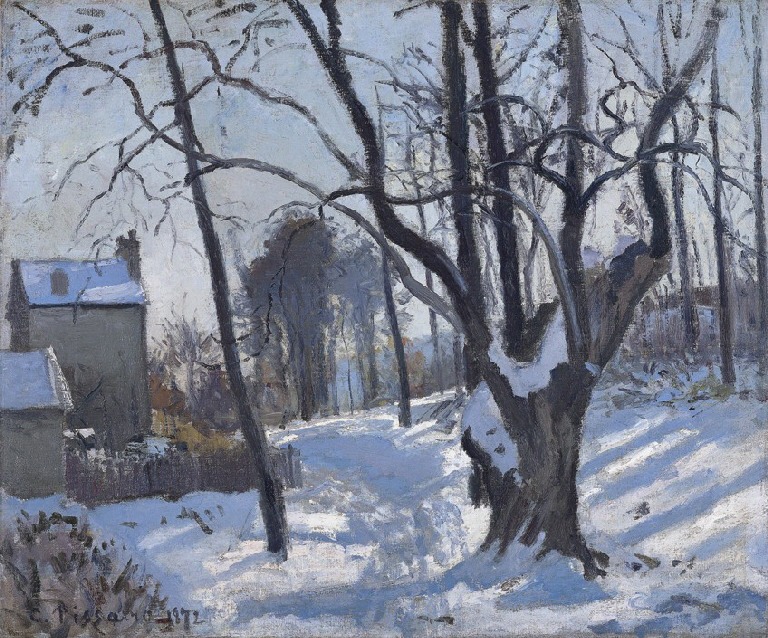
The first movement was subtitled "Daydreams of a Winter Journey," and the second, "Land of Gloom, Land of Mists."
Why did he choose a vast snowscape as his theme in the depths of midsummer suffering?
The reason remains unclear.
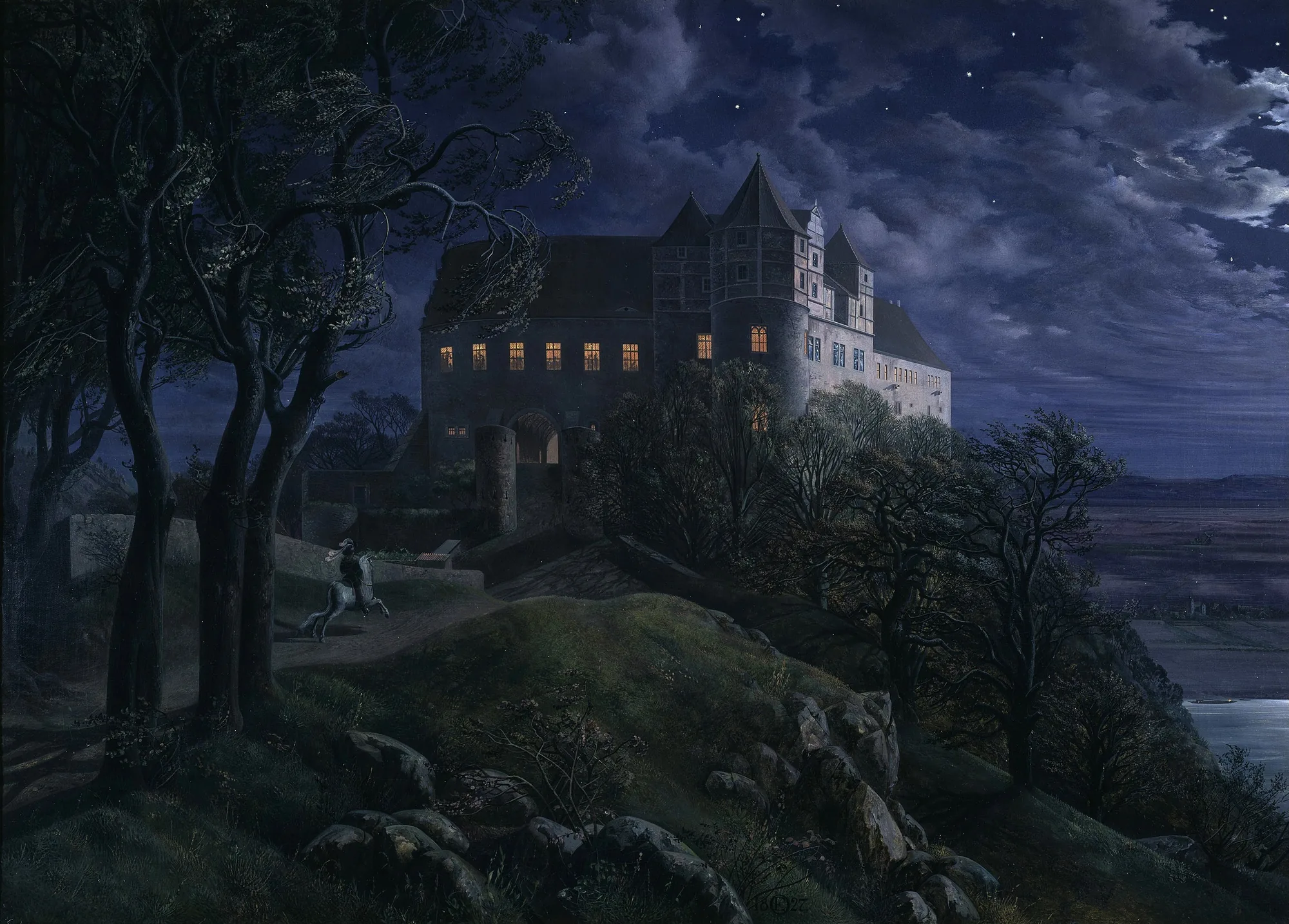
Within the confines of that stifling room,
envisioning the cool, crisp silence of winter
and an endless expanse of snow-covered earth—
perhaps that was the only sanctuary where Tchaikovsky's soul could escape from reality.
Score in hand, having worked desperately throughout the summer, he went to present it to his former mentors.
Yet he was met with harsh criticism, and a performance was denied.
Rejected even for a full premiere,
deeply wounded,
he swallowed his bitter tears
and revised the work again and again.
Terrified that the breakdown of that summer
might strike again,
he forbade himself from composing at night
for the rest of his life.