Two Separated Portraits
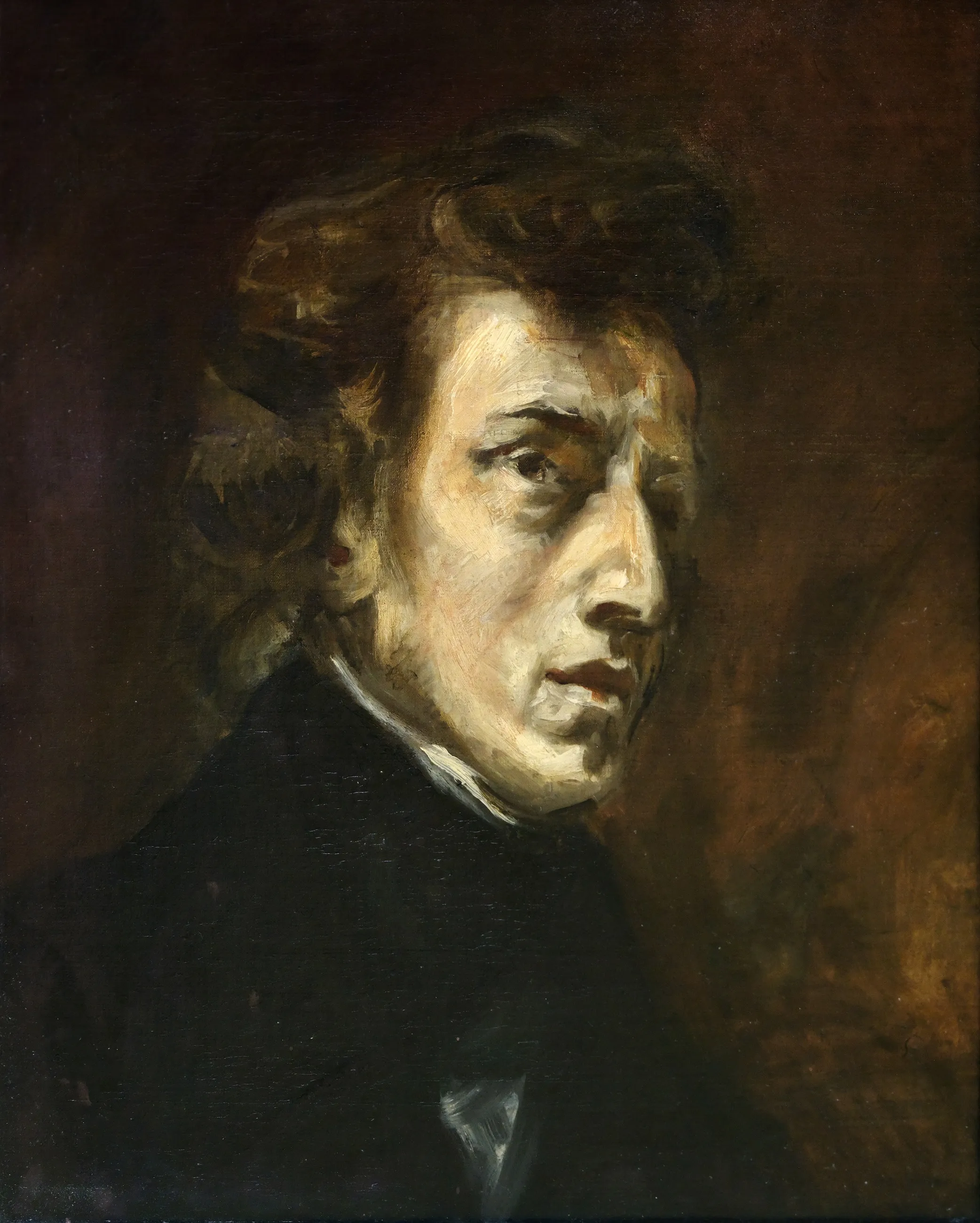
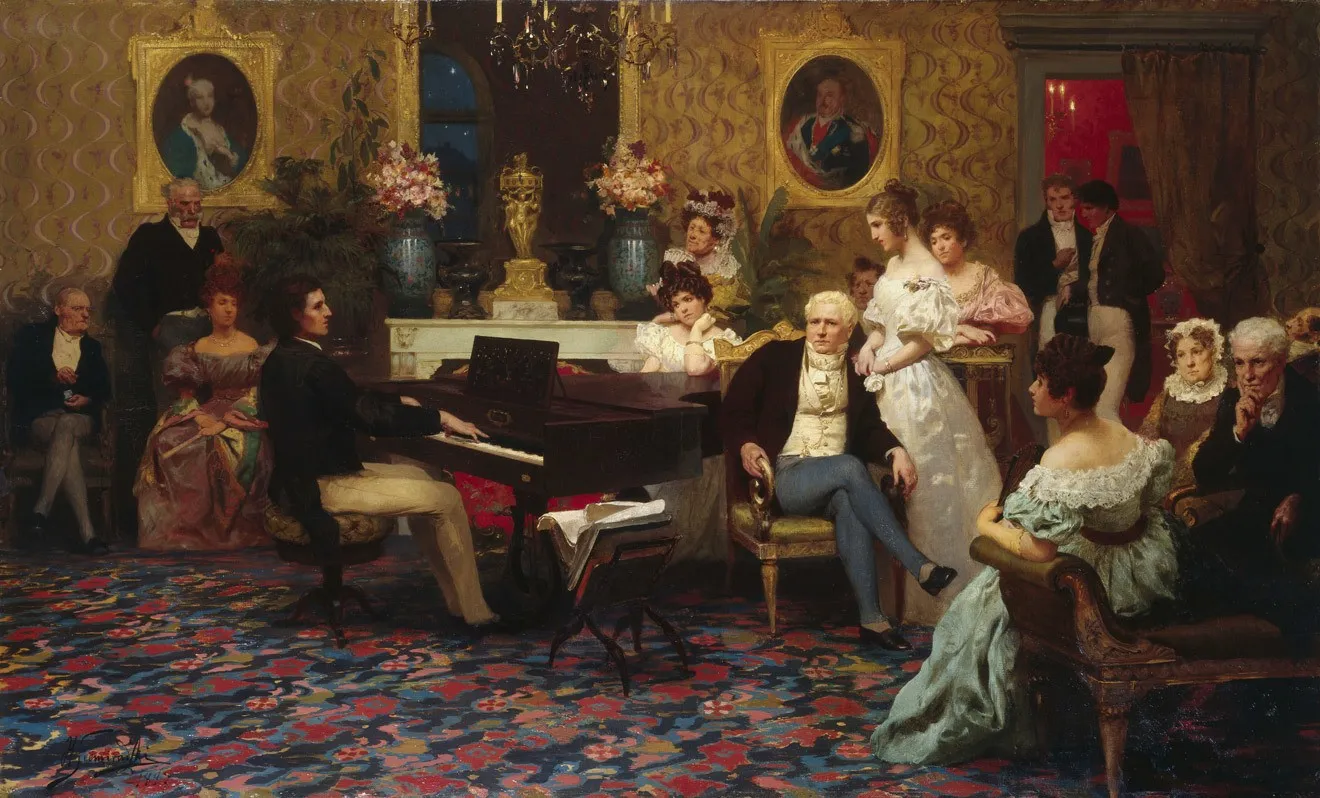
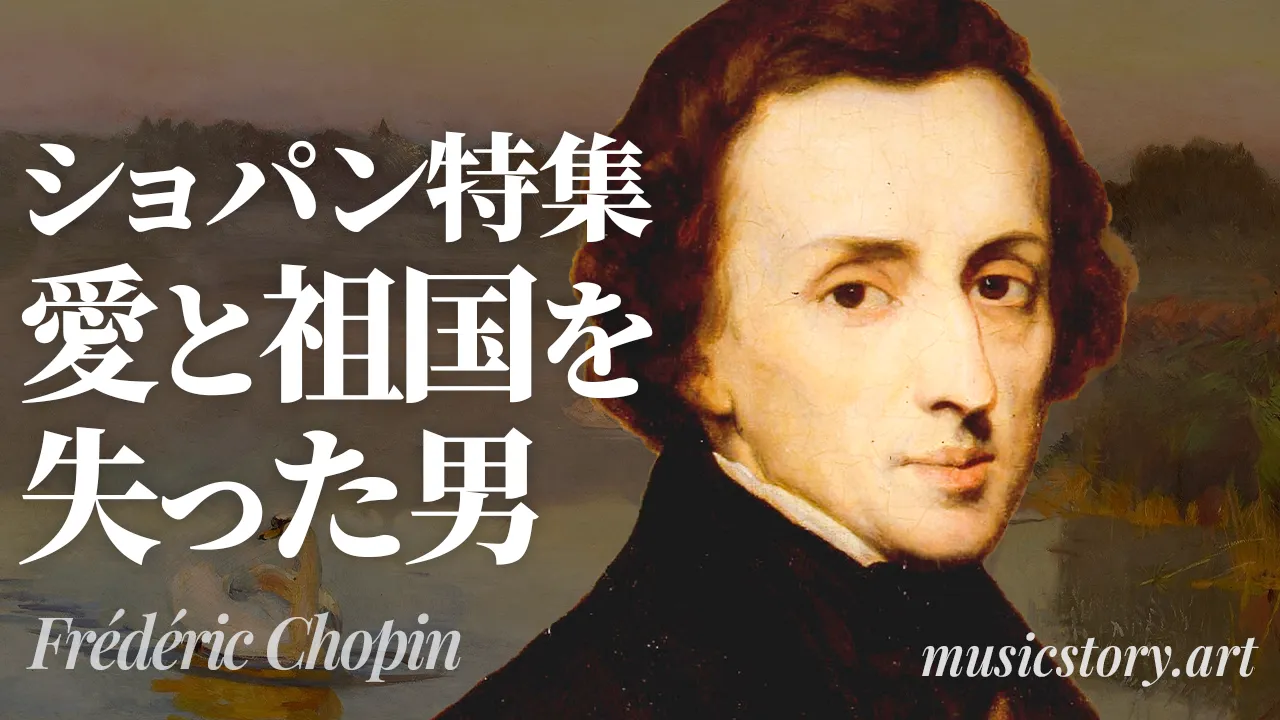
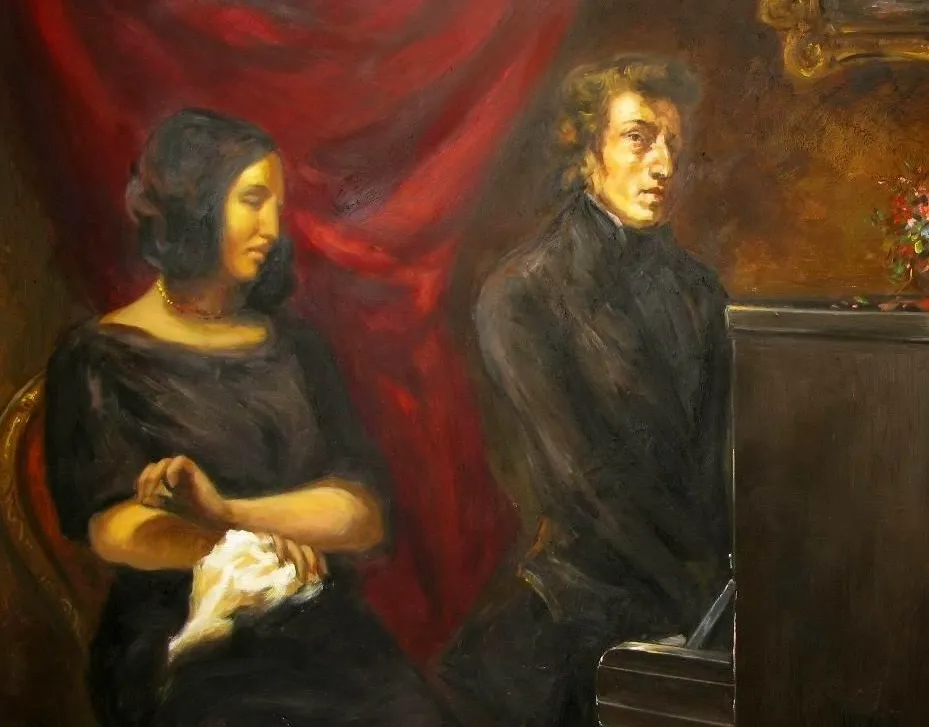
In the Louvre in Paris hangs a portrait of Chopin at the piano.
Leaning slightly forward, lips set with concentration, his profile gazes intently at the keys.
Another painting by the same artist resides far away, in a museum in Copenhagen.
It shows a woman seated in a chair, resting her chin on her hand, listening intently to something beyond view.
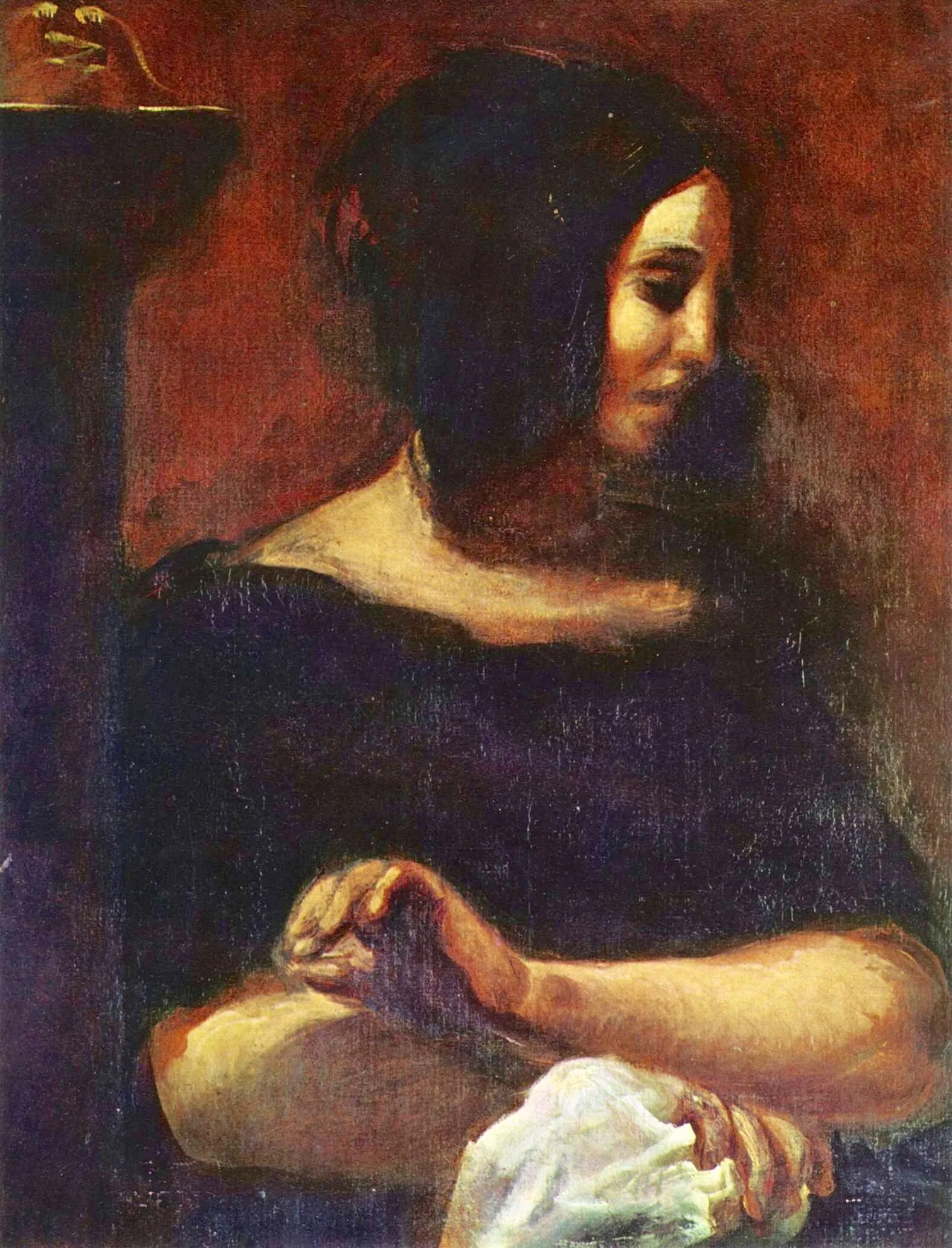
Originally, these two paintings formed a single canvas.
George Sand sat beside Chopin as he played the piano. The artist was Eugène Delacroix.
Once united on the same canvas, the two are now displayed apart, separated by national borders.
This is the story of the nine years they shared, and of a single portrait cut in two.
An "Unpleasant Woman" and Delacroix's Studio
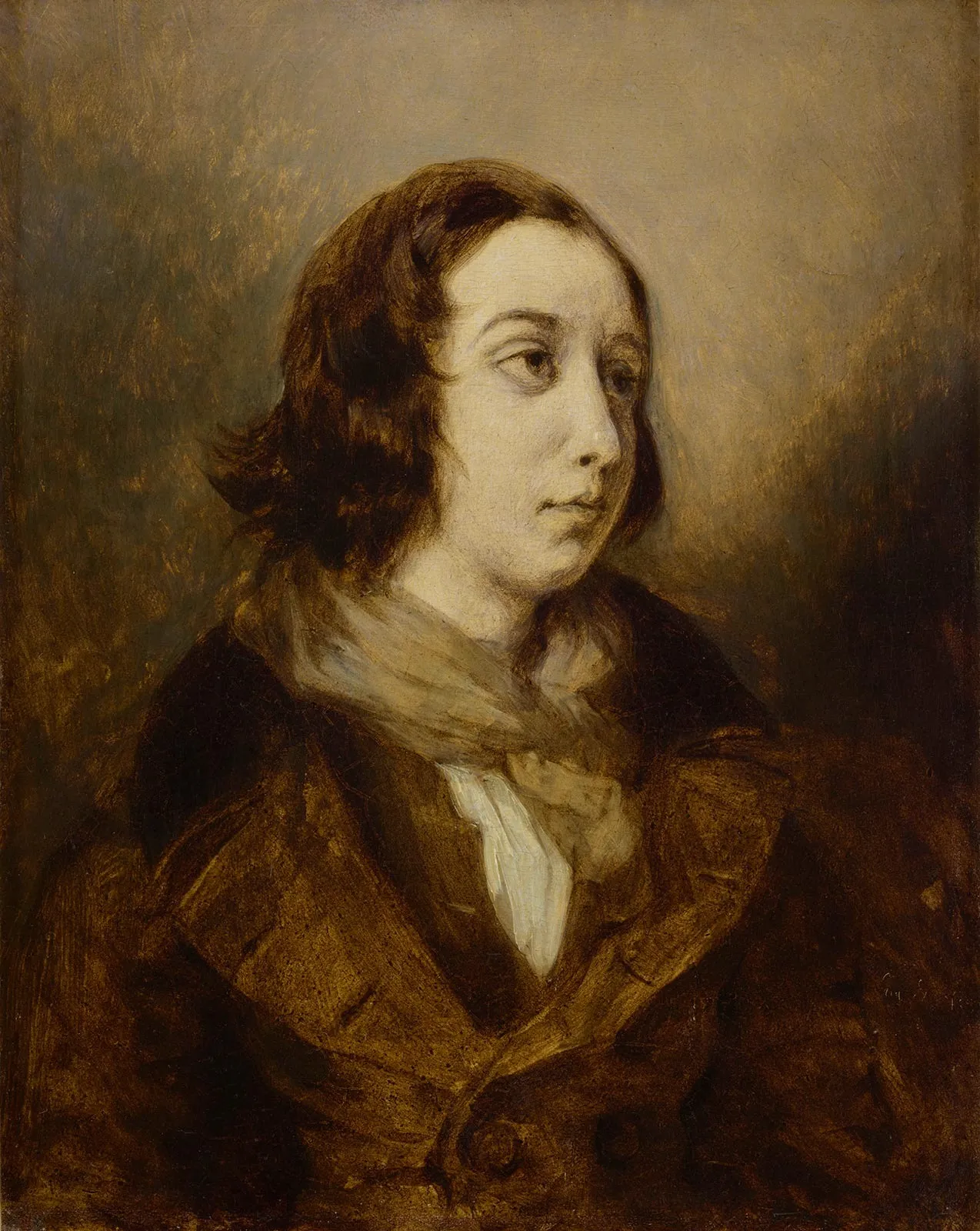
When Chopin first met Sand in 1836, he called her an "unpleasant woman." She was an unconventional novelist who wore men's clothing and smoked cigars.
Yet two years later, in 1838, as Chopin nursed the heartache of a broken engagement, her passionate presence drew near. Two people who had once kept their distance soon became deeply attached.
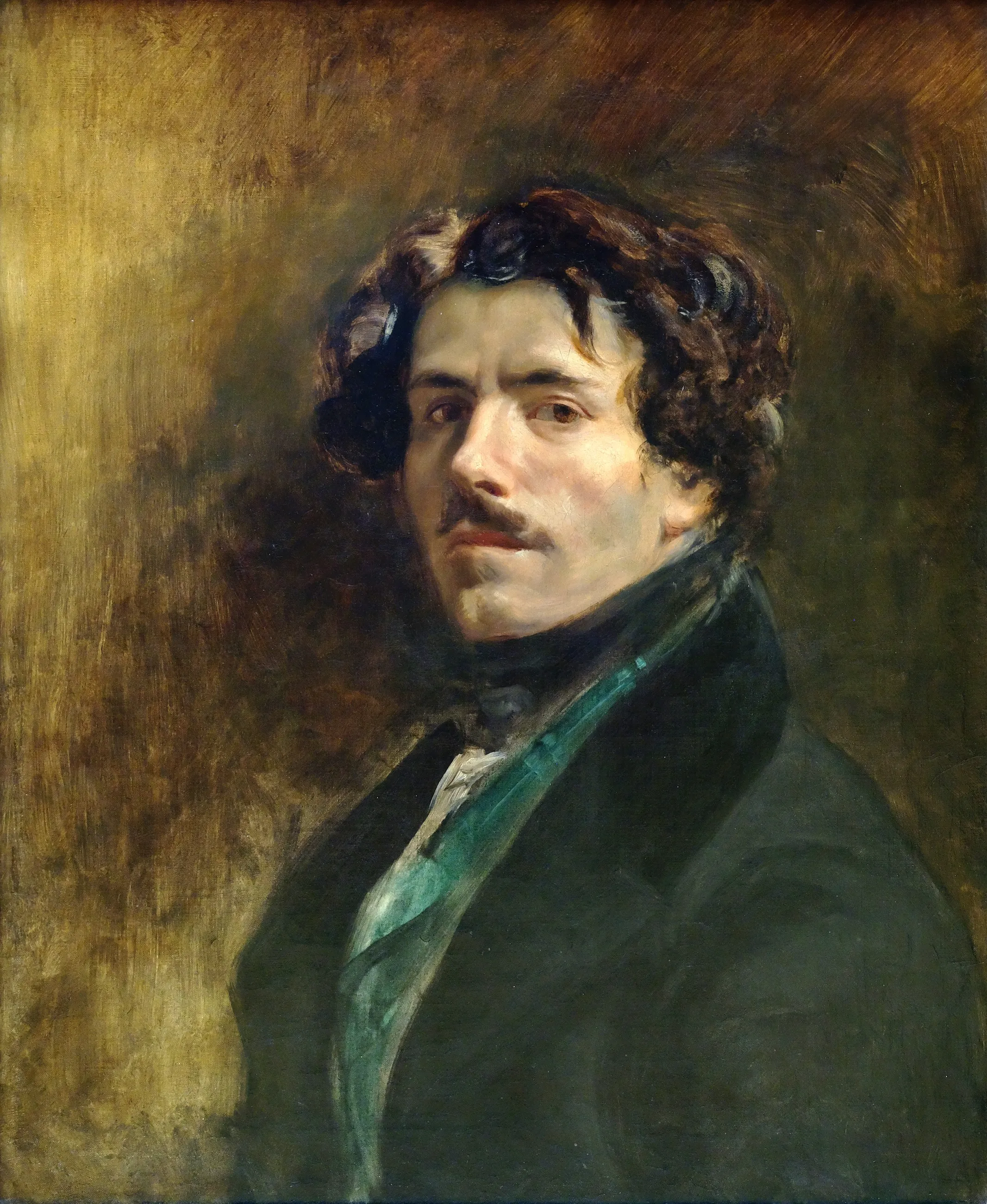
Sand suggested to her friend Delacroix that he paint a double portrait of them together.
Delacroix had a piano brought into his studio and set Chopin before the keys. As Chopin played melodies of his own invention, Sand listened quietly, a cigar in hand.
Surrounded by music, Delacroix set his brush to work.
At the same time, the harsh Parisian winter and recurrent illness began to wear down Chopin's frail constitution.
Seeking rest and a gentle climate, the two decided to travel south.
At the end of October 1838, they departed for the Mediterranean island of Majorca.
The Light of Palma and an Undelivered Piano
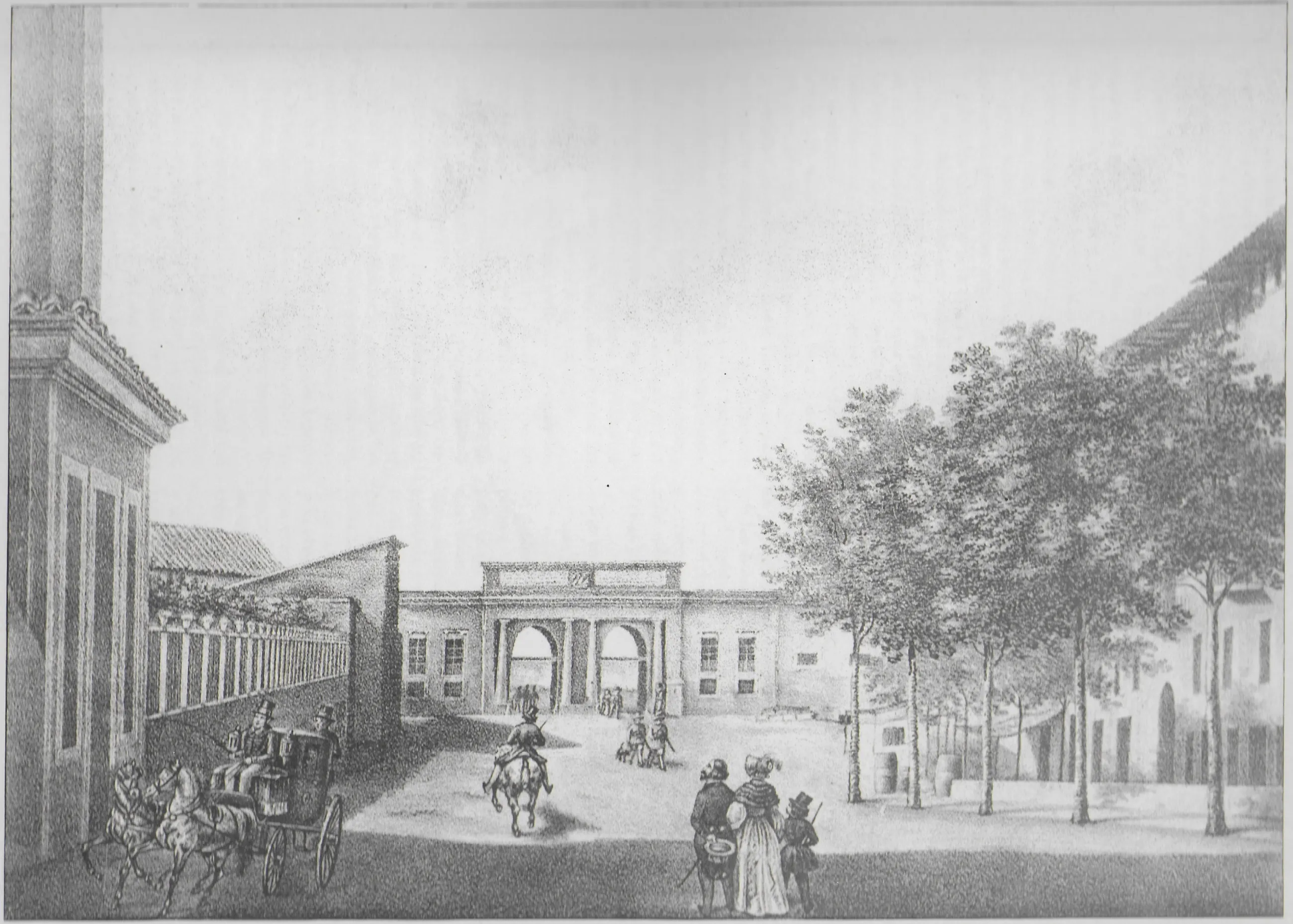
On November 8, 1838, the steamship El Mallorquín arrived in the port of Palma. Traveling with Chopin were Sand, her children, and a maid.
Surrounded by cacti and orange groves, Chopin wrote to a close friend in Paris:
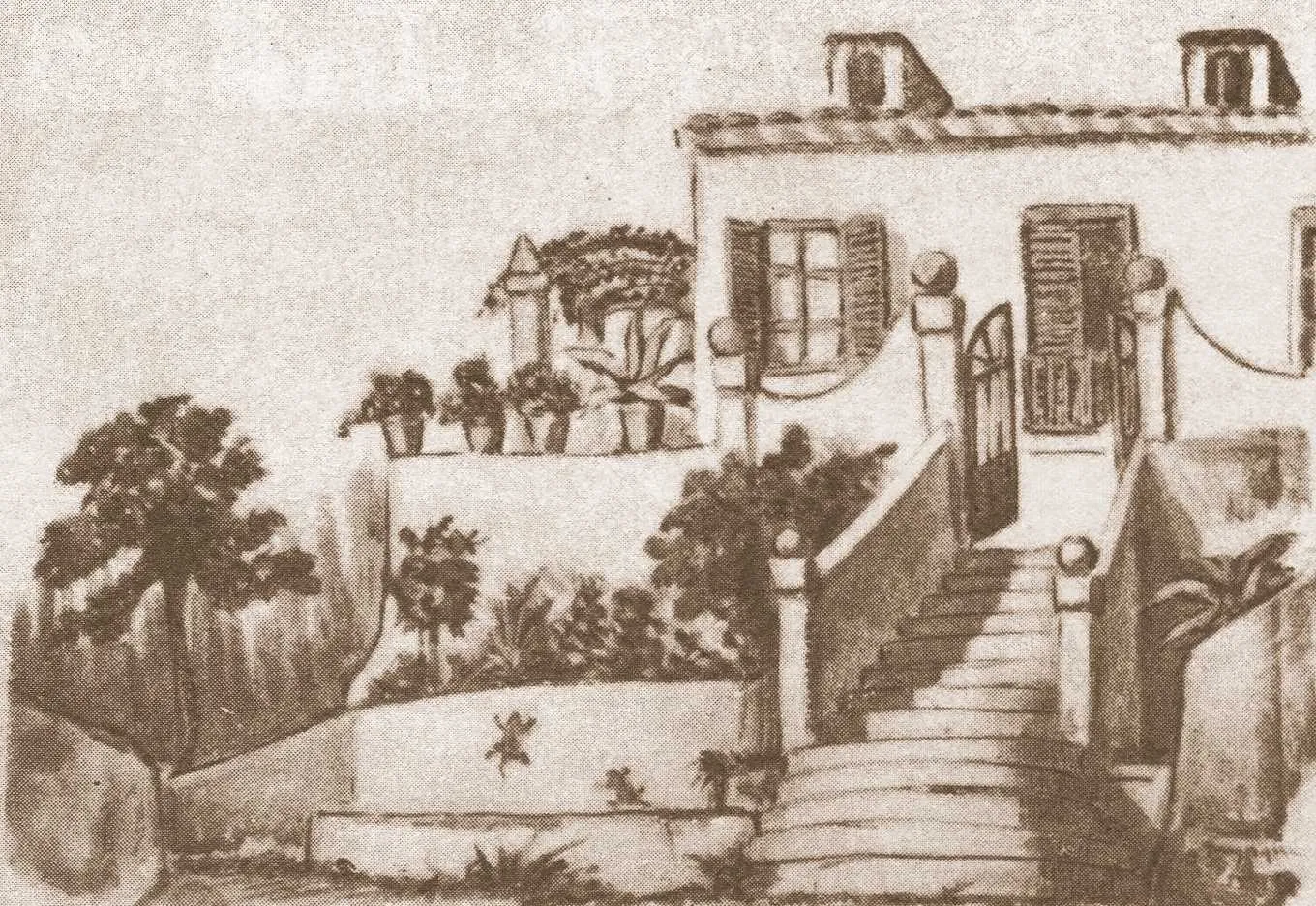
"I am in Palma, surrounded by cacti, olives, oranges, and fig trees. The sky is like turquoise, the sea like lapis lazuli. The air is heavenly."
Their joy in the southern sun was brief before the hardships of a foreign land set in. Finding lodgings in Palma proved difficult; they could secure only two rooms with hard, thin mattresses at an inn near the port. In mid-November, they moved to a rented house in the countryside, but December brought relentless rains that filled the rooms with a biting, damp chill.
The grand piano shipped from Paris was delayed indefinitely by customs troubles. As Chopin developed a severe cold and coughed violently, the local villagers began to eye him with fear and suspicion.
The Monastery of Valldemossa and Summers in Nohant
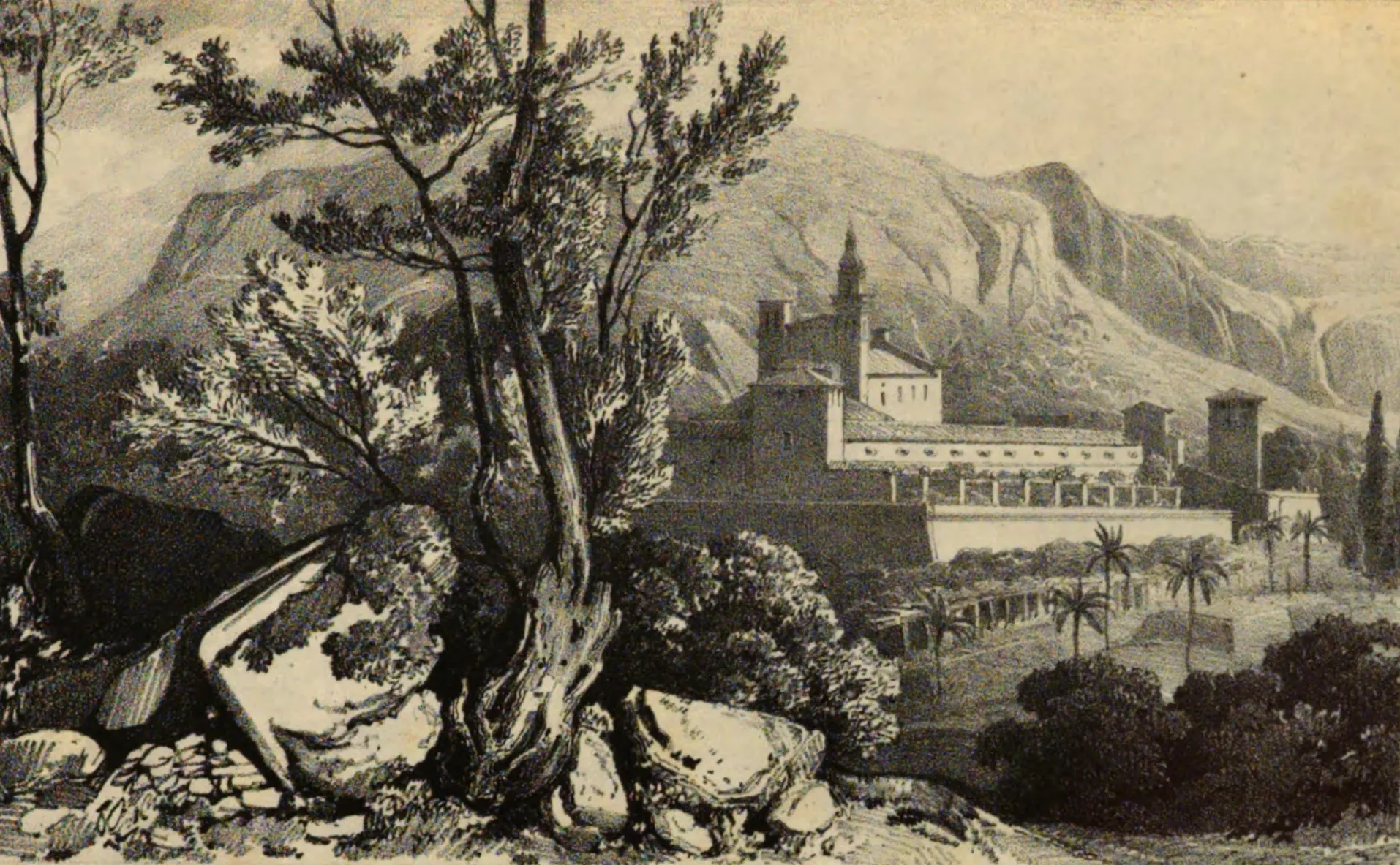
Fearing that his lung disease was contagious, the landlord drove them from the house. In haste, they took refuge in the remote Carthusian monastery of Valldemossa, high in the mountains.
The locals, scandalized by Sand's trousers and cigars and frightened of disease, kept a cold distance from the party.
From a freezing monastic cell plagued by severe roof leaks, Chopin wrote to his dear friend in Paris:
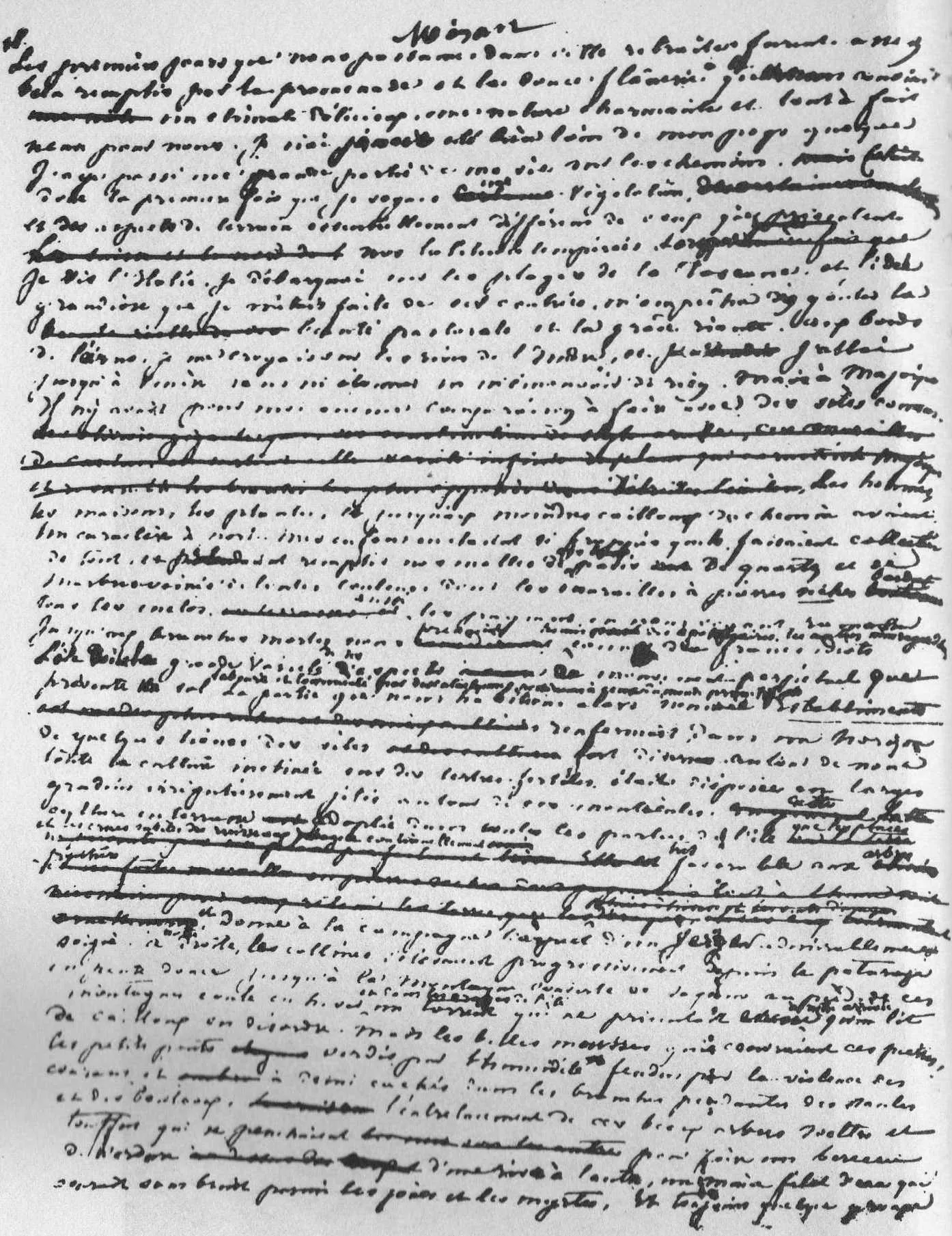
"A huge, deserted charterhouse perched between the cliffs and the sea. Imagine me in a cell with doors larger than any carriage gate in Paris, unkempt, without white gloves, pale as ever. The cell is shaped like a towering coffin, and even if one cries out, silence answers."
In these conditions, Chopin sat at a modest local piano and, once his delayed Pleyel finally arrived, completed his cycle of Preludes.
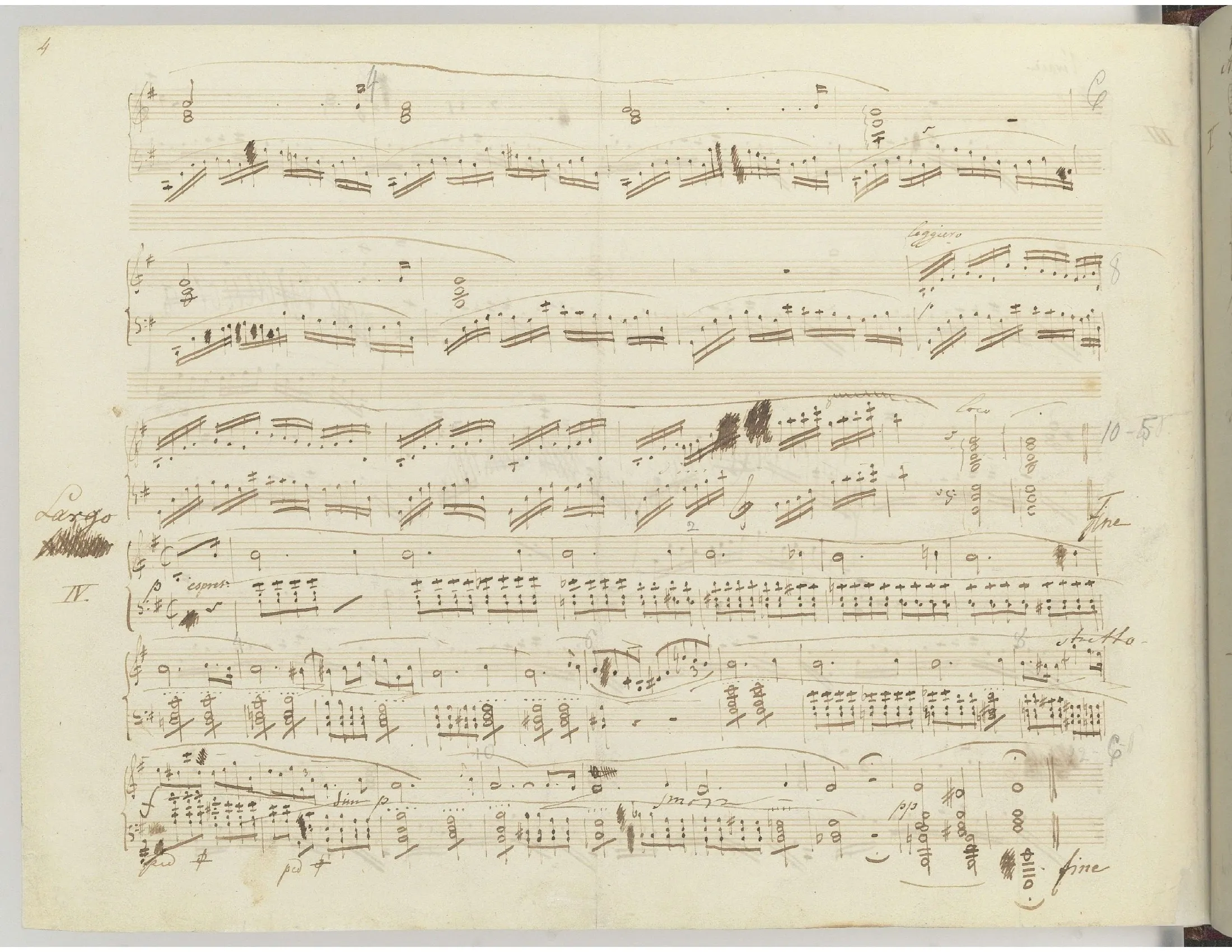
It is said that the "Raindrop" Prelude was born out of that fierce rainfall and oppressive quiet.
In February 1839, the two left Majorca aboard the same El Mallorquín. After a period of recuperation in Marseille, they set off for Nohant, Sand's estate in central France.
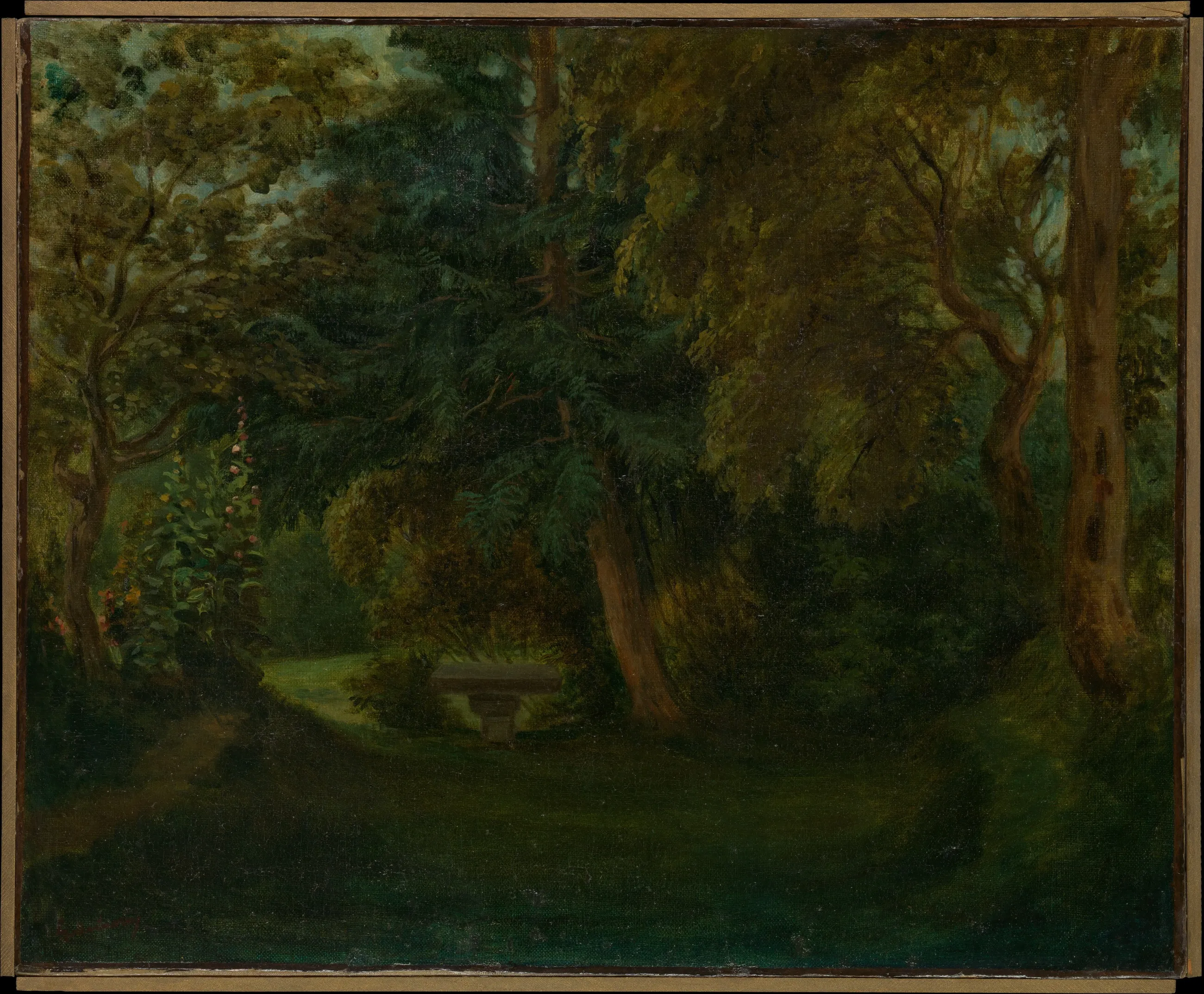
The summers spent at Nohant would become the most serene and fruitful period of Chopin's life.
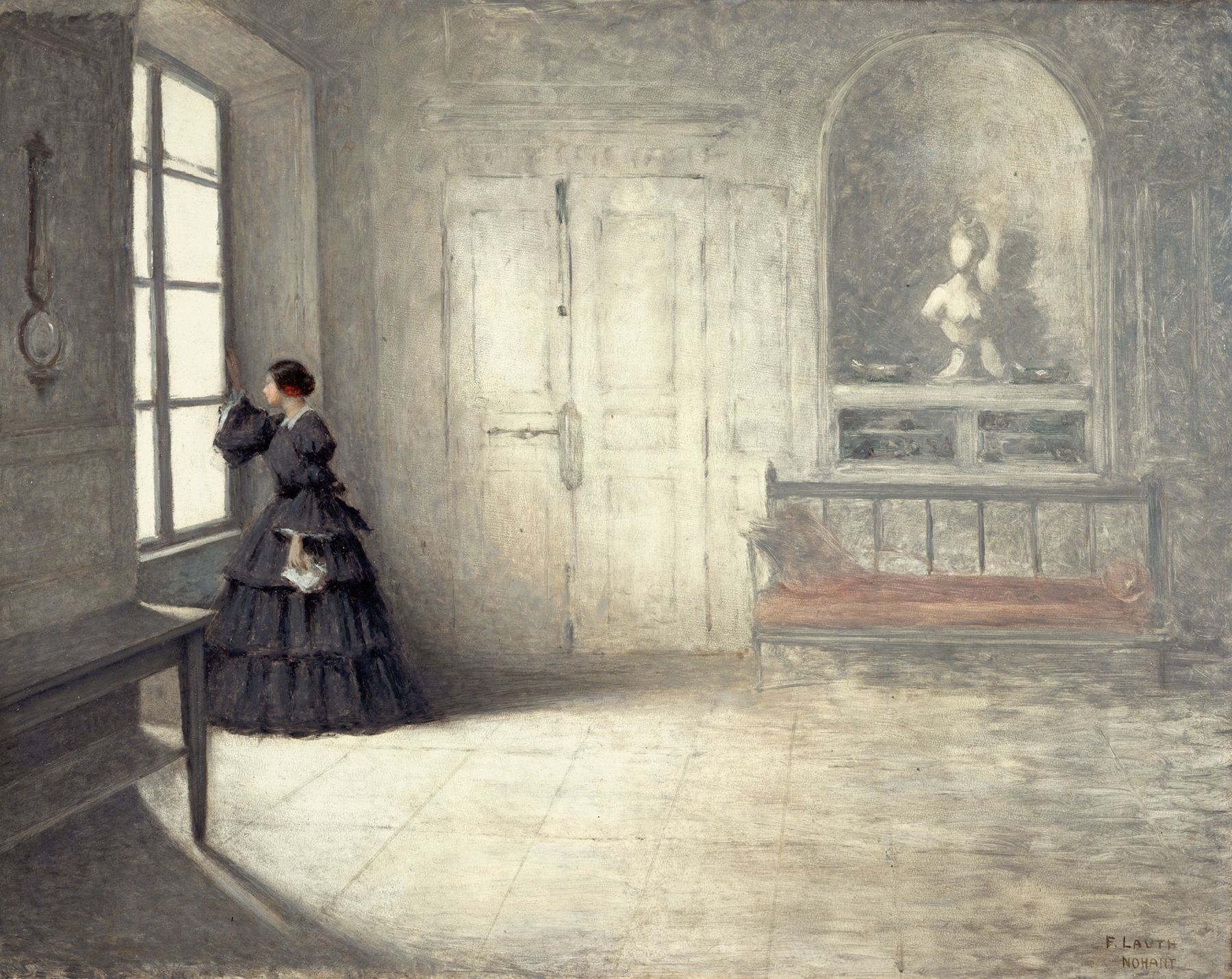
In a room facing the lush garden, Chopin sat down to the piano with disciplined regularity every day.
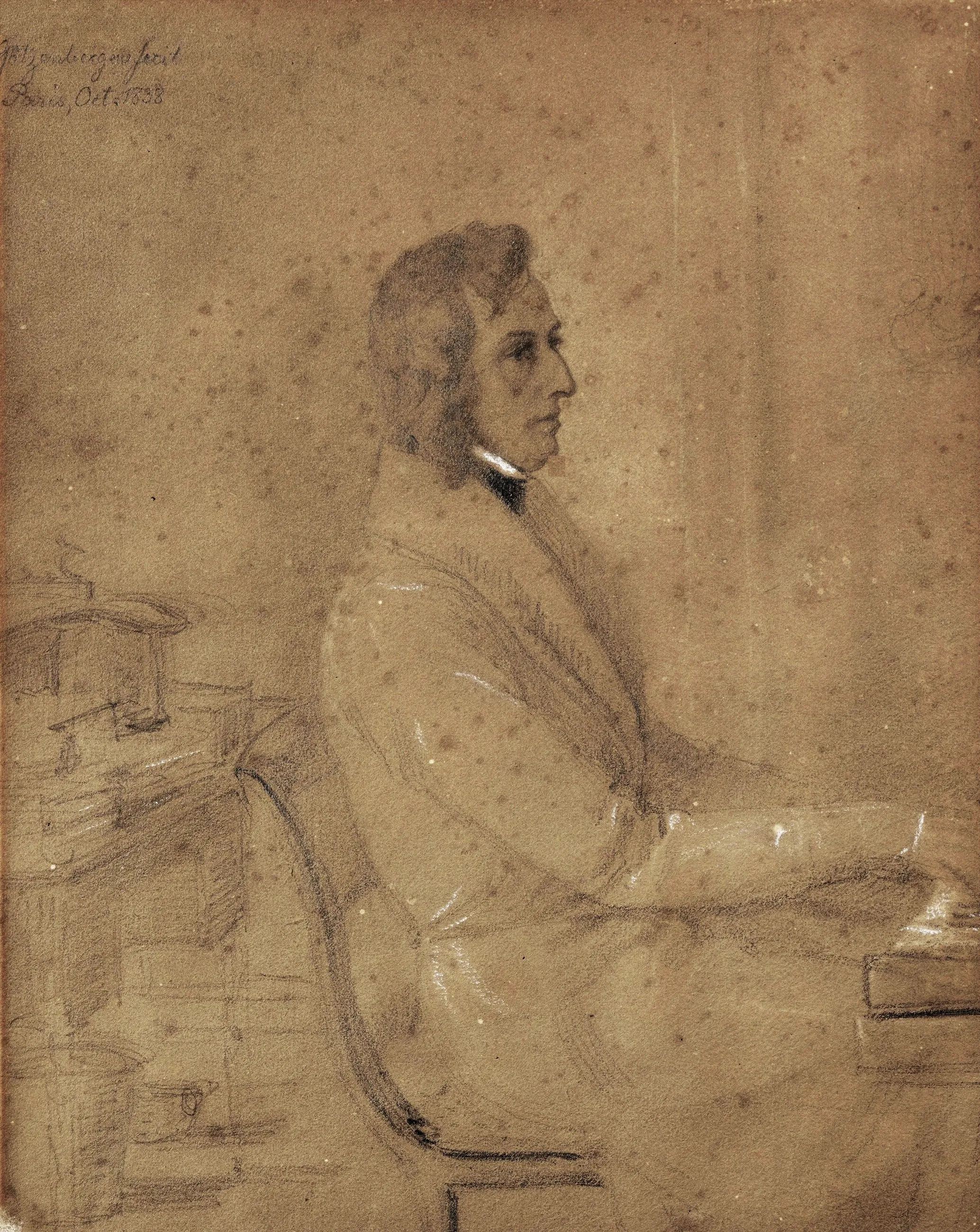
Delacroix visited often, spending summers filled with the scent of roses and Chopin's music drifting on the breeze through open windows.
At Nohant, Chopin's creative genius reached its peak.
Yet behind those peaceful days, another shadow was quietly beginning to form.
That shadow revealed itself in the pages of a novel.