.webp)
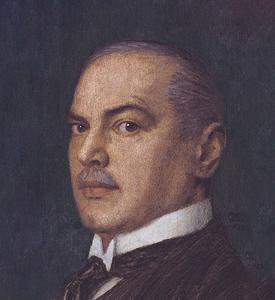
A Norwegian painter who translated the inner anxieties and dread of death lurking within the human psyche into a universal visual language through sinuous lines and symbolic color.
LifeLife and works
Edvard Munch resisted the precise depiction of external scenery as seen through the eye, striving instead to fix in visual space the emotions and psychological pain etched into his memory. For him, painting was an act of dissecting and giving visible form to the invisible terror and sorrow dwelling within the human heart.
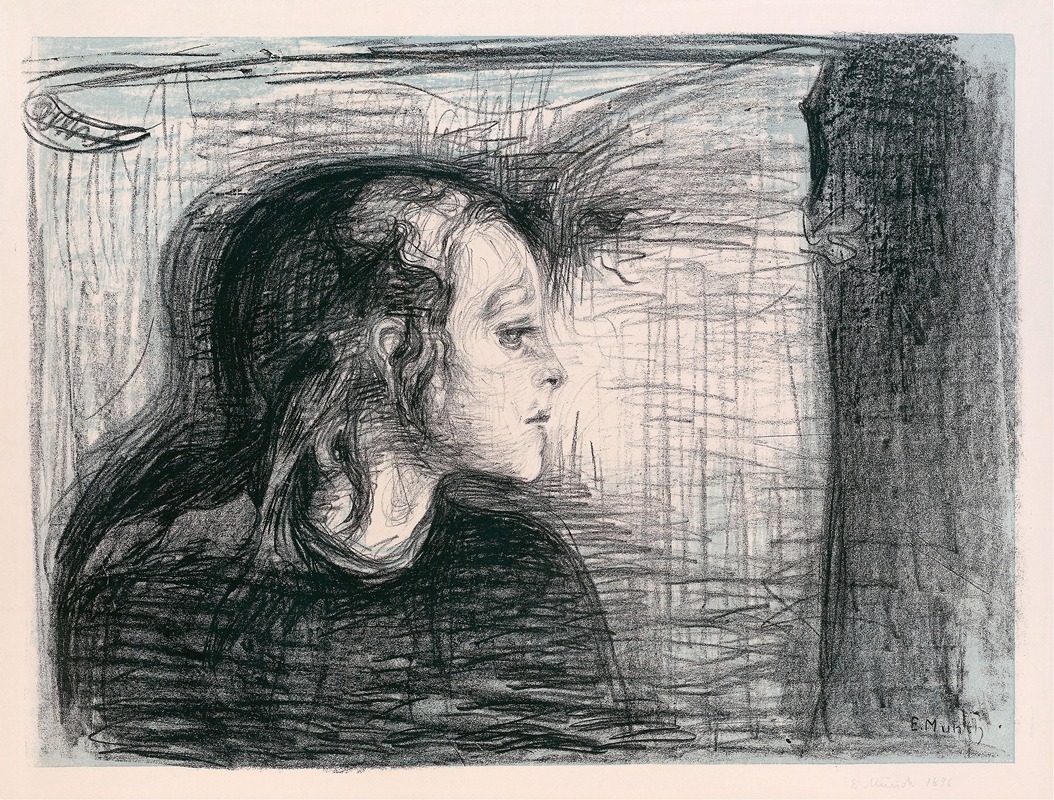
Born in Norway in 1863, he lost his mother and elder sister to tuberculosis during his childhood. The memory of this profound loss became the foundation of his art. In 1886, at the age of twenty-two, he presented "The Sick Child," inspired by the scene of his late sister's death. Here, he employed an experimental technique of scraping away paint from the canvas with sharp tools, reapplying it, and scraping it down again. He carved the fragility of vanishing life and the despair of those left behind as physical scars into the surface of the canvas. While conservative critics of the day vehemently attacked the work as an "unfinished failure" and a "crude smear of paint," this physical intervention marked the inception of his singular artistic language.
Entering the 1890s, Munch incorporated the methods of Symbolism to evoke invisible ideas and psychological states during his stays in Paris and Berlin. A solo exhibition held in 1892 at the invitation of the Union of Berlin Artists stirred such outrage with its radical novelty that it was shut down after just one week by the police and the association's leadership. Yet he did not cease painting, instead advancing his grand vision for "The Frieze of Life," an endeavor to systematically organize human life, death, and the turns of love into a unified cycle.
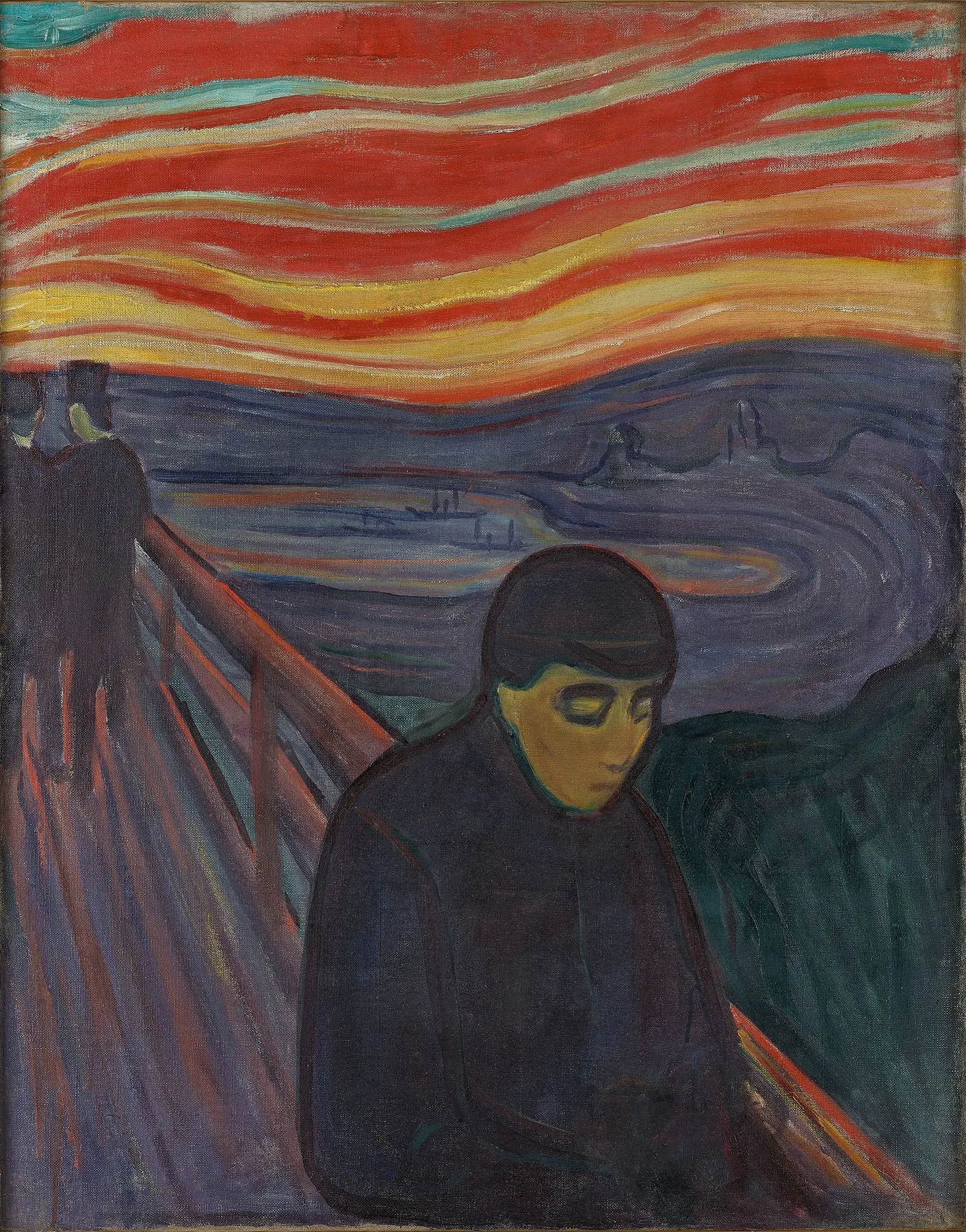
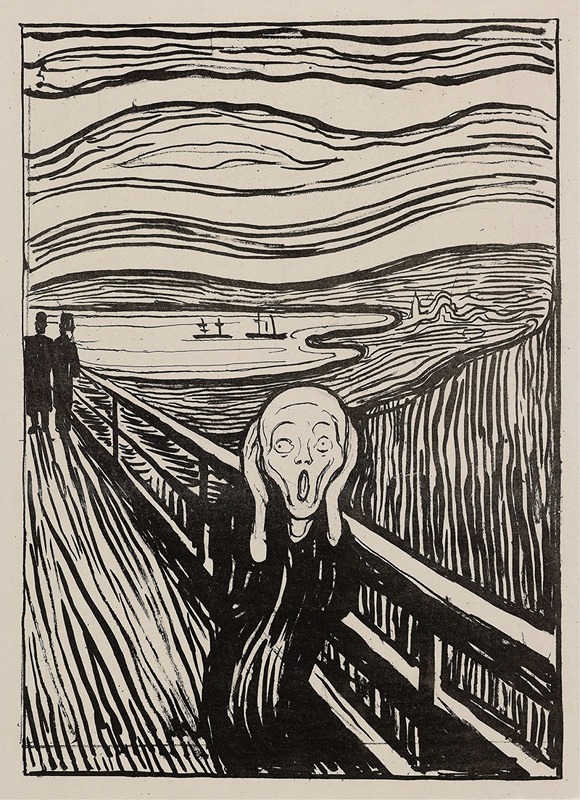
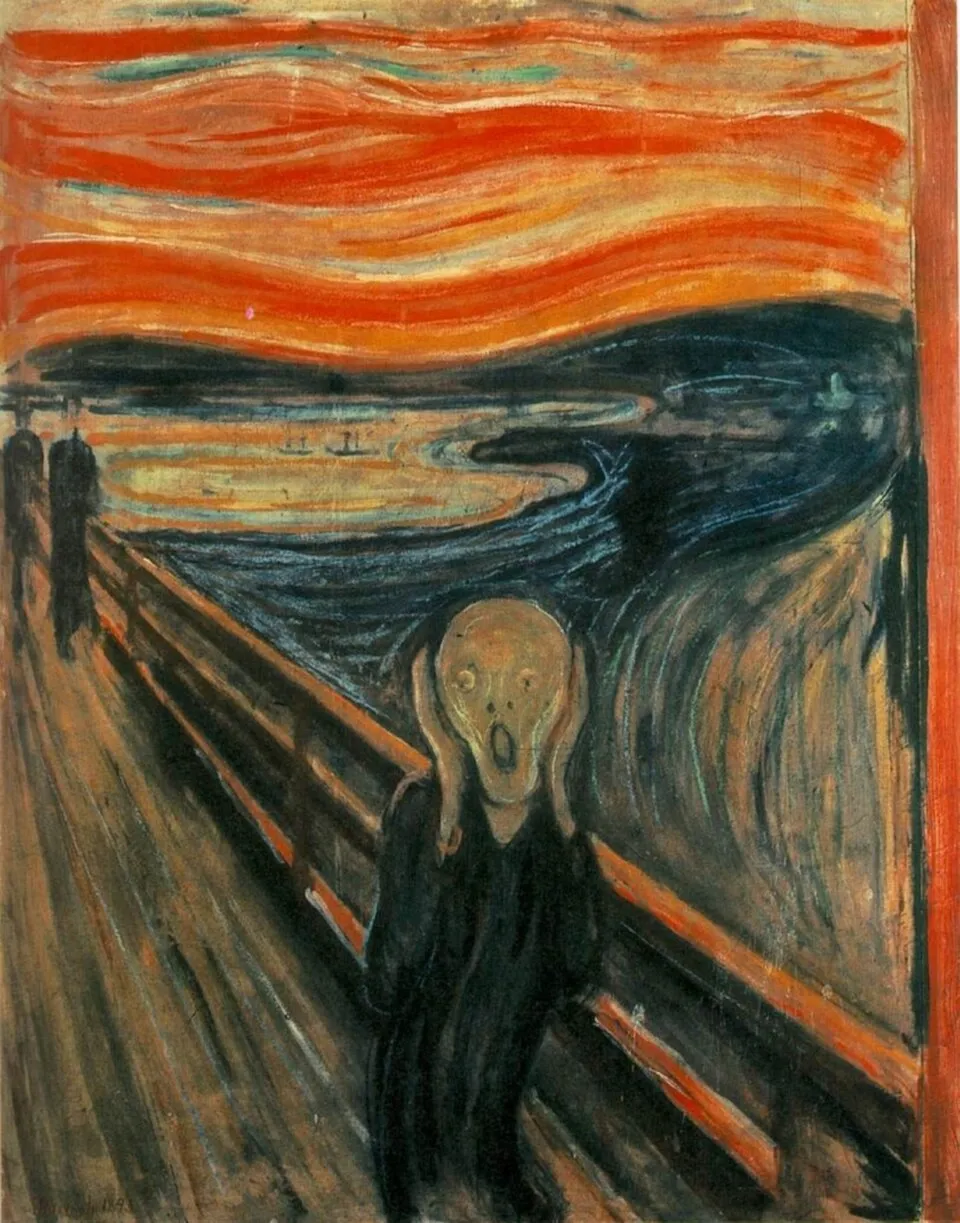
It was during this period that he produced the 1893 oil painting "The Scream." The work originated in his personal experience of seeing the twilight sky turn blood-red and sensing an eerie, piercing roar resounding through nature. The figure holding its face in the foreground is not crying out, but standing transfixed, clamping both hands over its ears to block out the unbearable sound. Through sinuous, undulating lines and the stark contrast of complementary colors, Munch gave tangible form to how an individual's state of panic warps the entirety of space.
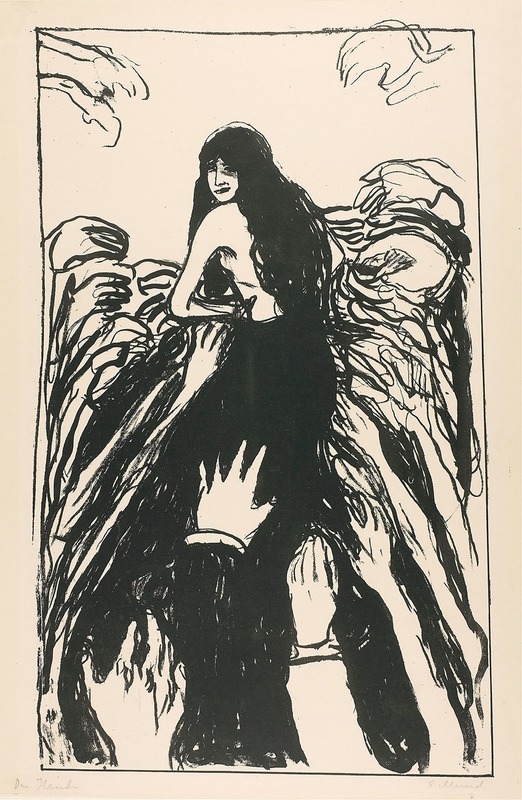
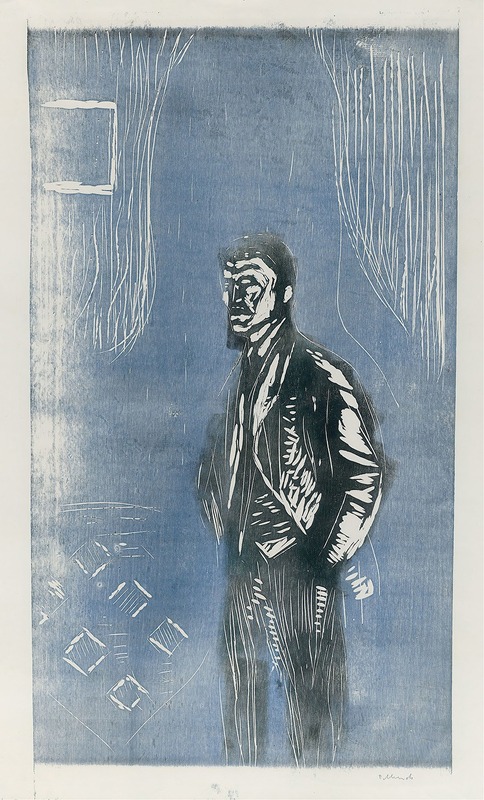
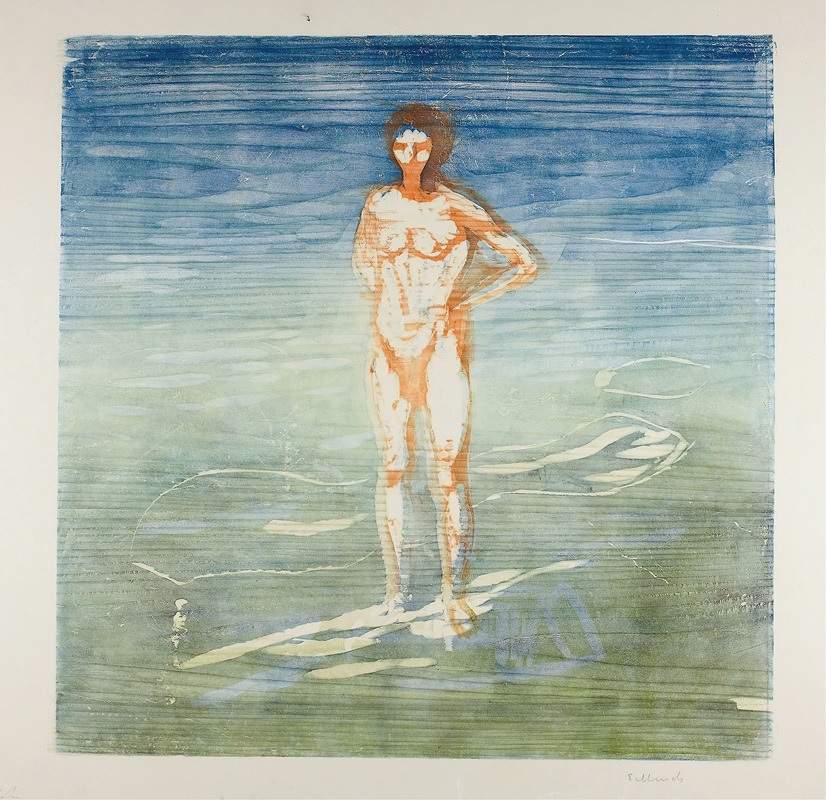
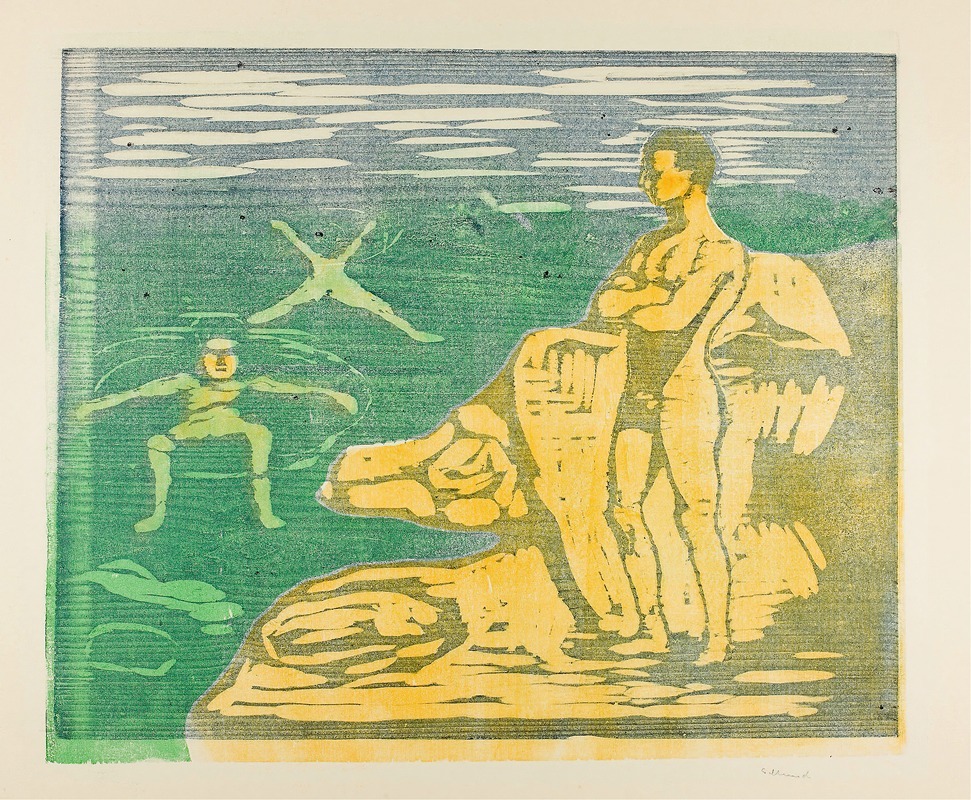
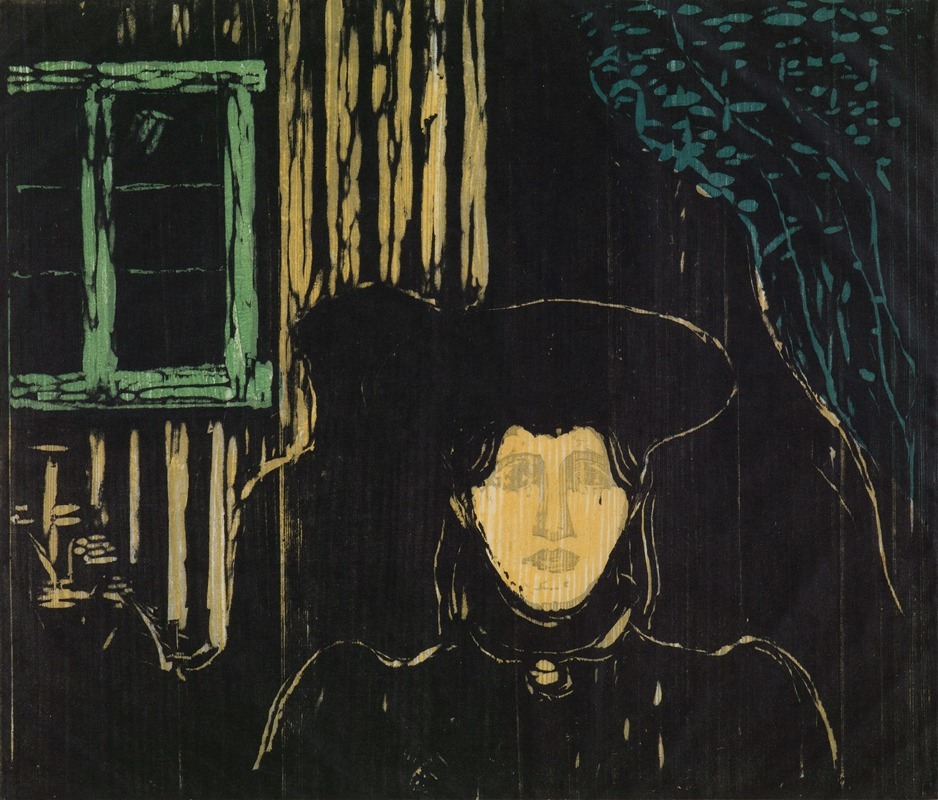
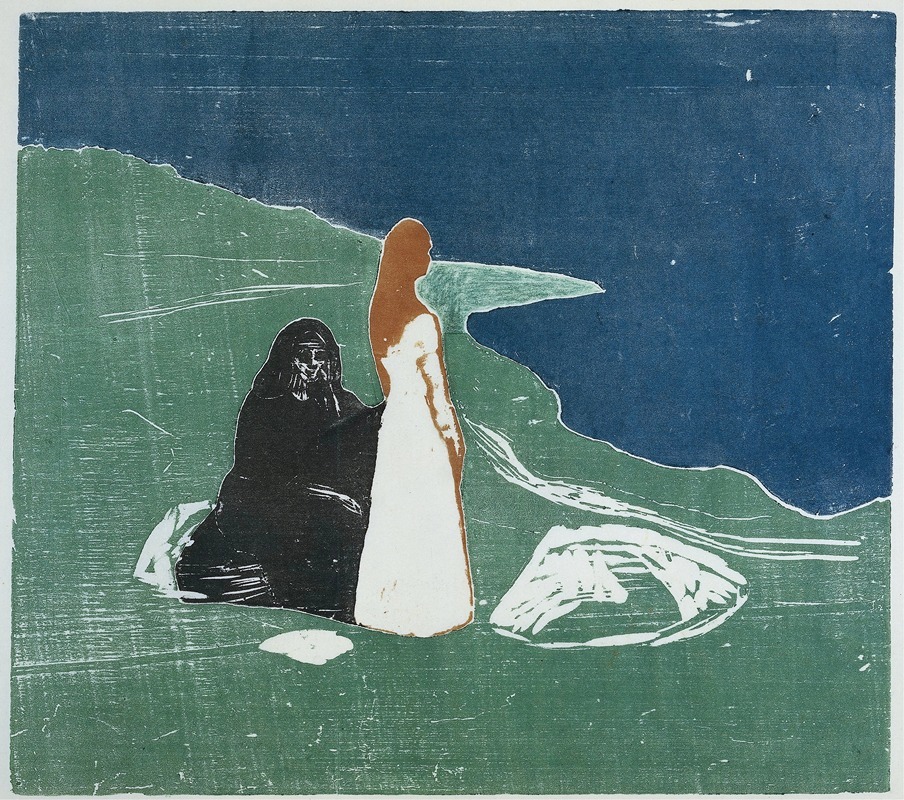
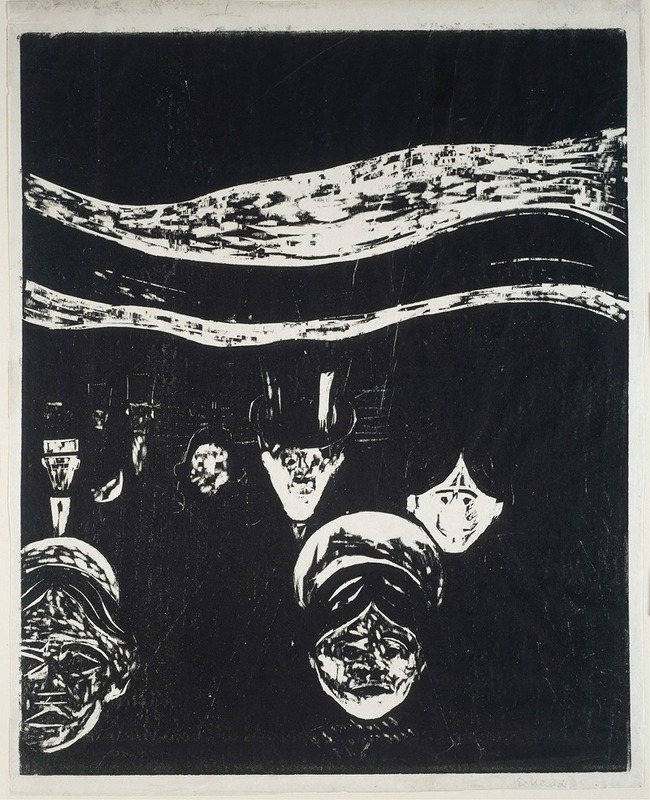
While his oil paintings rarely found buyers, Munch began producing etchings and lithographs in earnest from around 1894. In 1896, he developed the jigsaw woodcut method, in which he cut a wooden printing block into separate sections with a fretsaw, inked each part in a different color, and reassembled them like a puzzle to print the entire composition in a single pass. By the 1900s, patrons including a German ophthalmologist and a Swedish industrialist came forward, and he signed an exclusive distribution agreement with an art dealer in Berlin. The mass production and circulation of his prints earned him considerable wealth; contrary to the later myth of a mad genius isolated from society, Munch possessed sharp business acumen and strategically managed his own career.
In 1908, suffering from excessive drinking and a nervous breakdown, he entered a clinic in Copenhagen. Following his recovery and return to Norway the next year, the dark, brooding palette disappeared from his work. He adopted bold, energetic brushstrokes and vibrant primary colors, transitioning to a luminous style that celebrated vitality. In his mural "The Sun," created for the ceremonial hall of the University of Oslo, rays of sunlight rising from the horizon radiate dynamically across the entire scene.
In 1916, at the age of fifty-two, Munch bought a sprawling estate at Ekely on the outskirts of Oslo. There, he built several open-air studios, creating an environment where he could work on monumental canvases under natural light. In the winter of 1944, during the Nazi occupation of Norway, he passed away at the age of eighty. By his bedside lay an open volume by Dostoevsky, one of his favorite authors. In his will, he bequeathed roughly 1,100 oil paintings and 18,000 prints to the City of Oslo, where they remain preserved in municipal museums today.
Works Works
 Premium
 The Scream
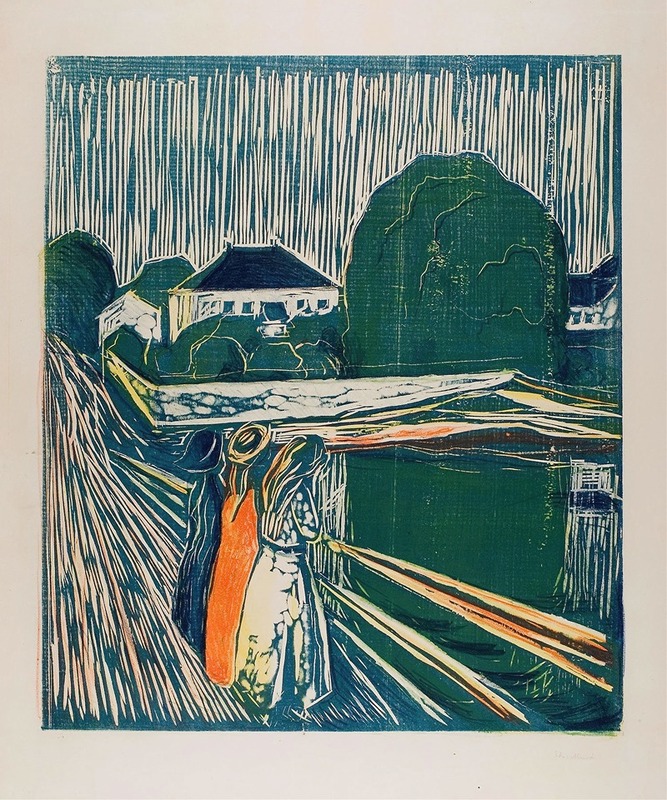
The Girls on the Bridge
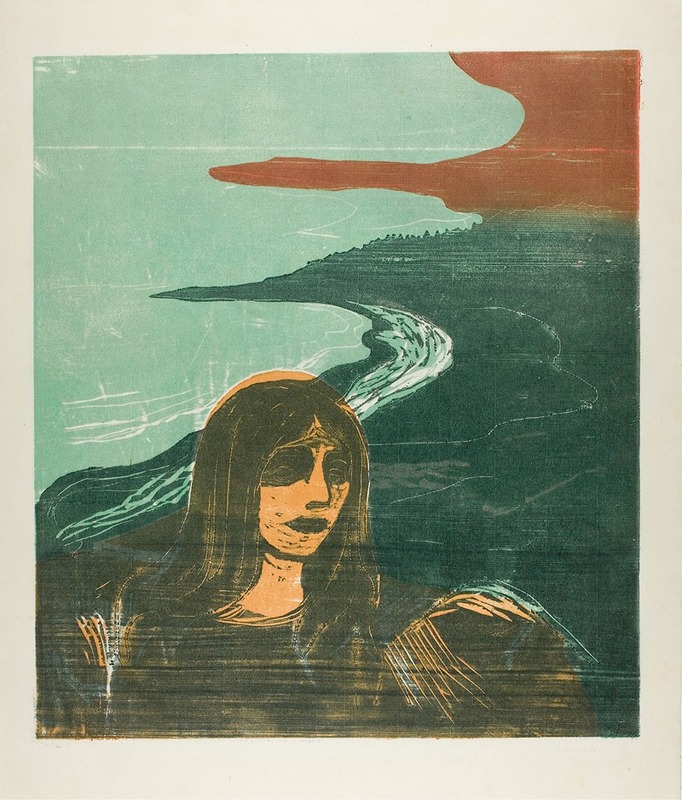
Woman’s Head against the Shore
 Premium
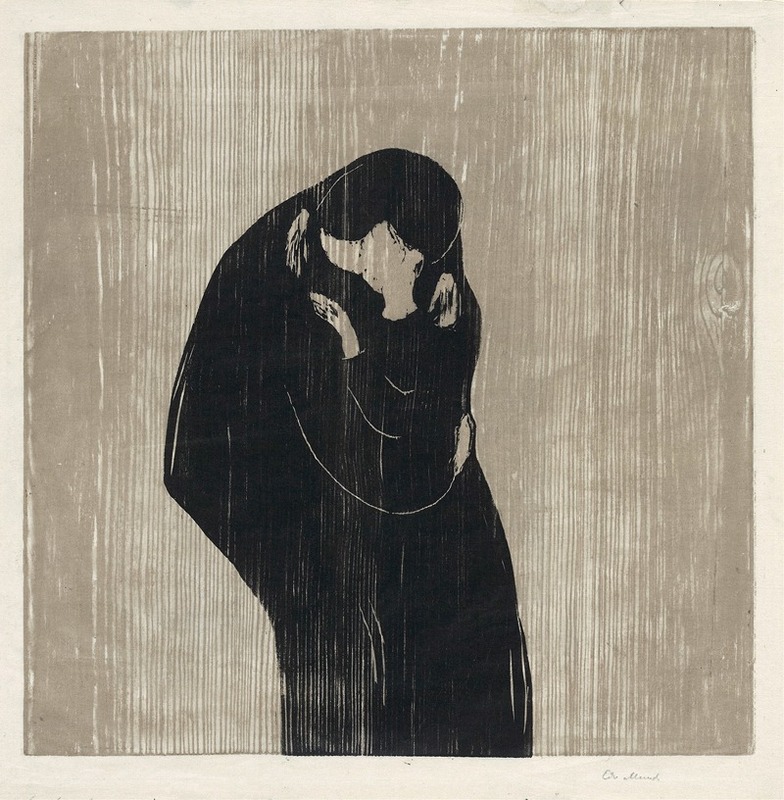
 The Kiss IV
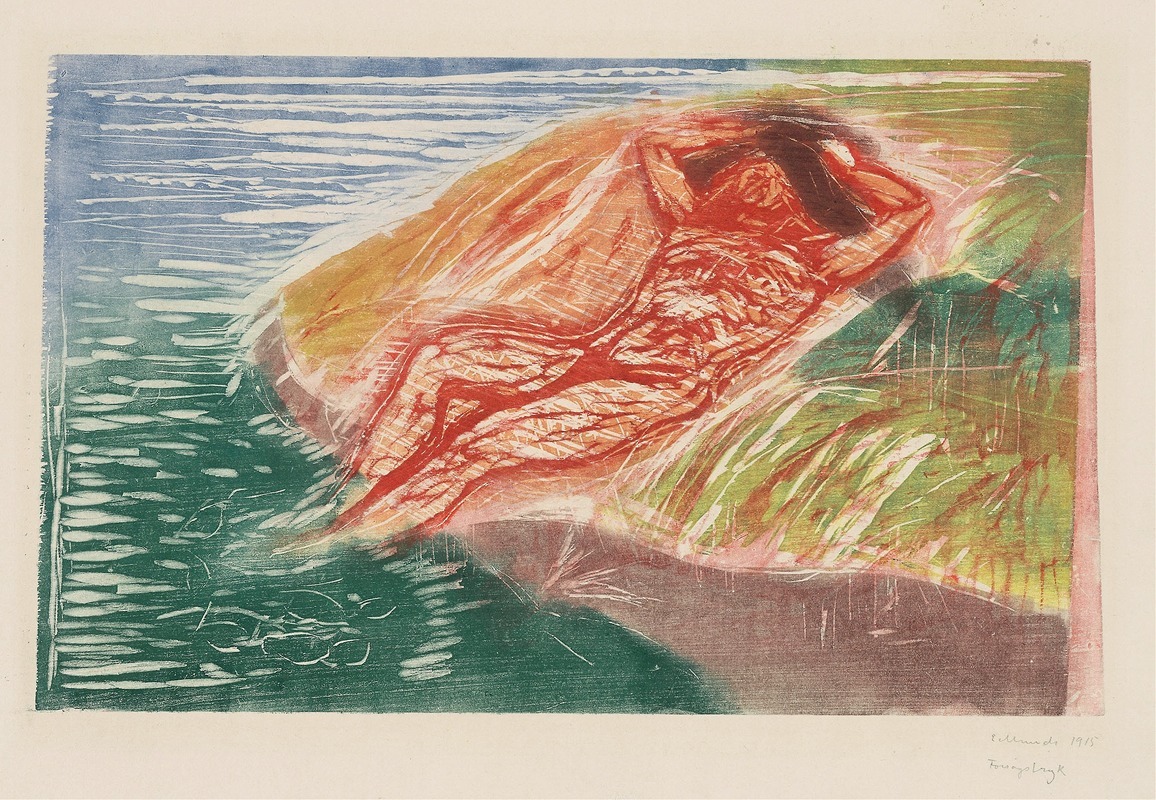
Sunbathing I
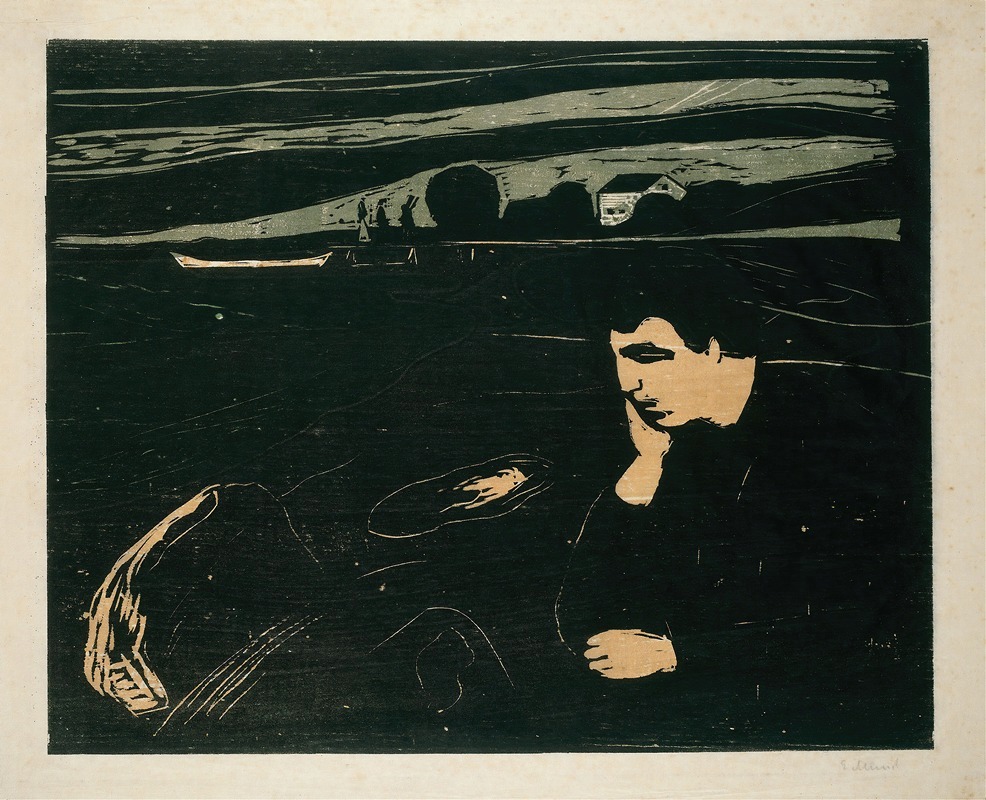
Melancholy III
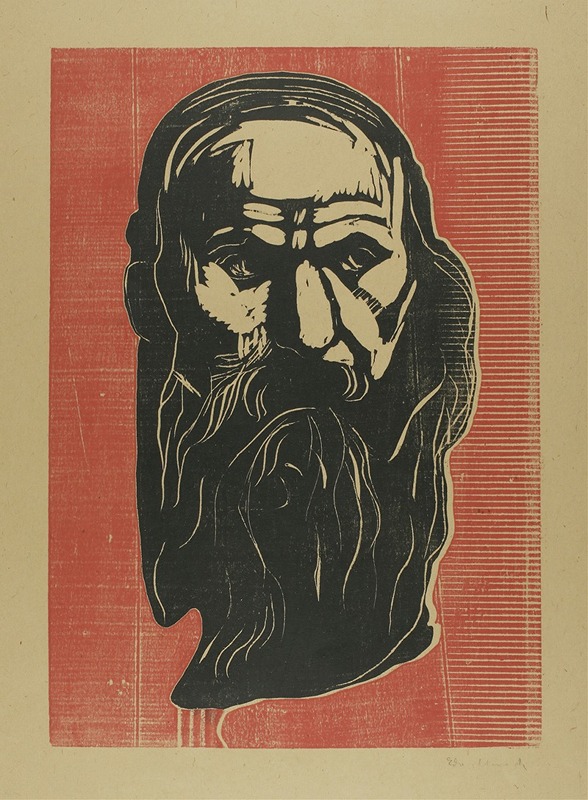
Head of an Old Man with Beard