
The Girls on the Bridge
1918
- Dimensions
- 図版:499 × 430 mm、用紙:652 × 558 mm
- Medium
- Color woodcut and zincograph on medium-thin off-white paper
- Collection
- Munch Museum (Oslo), Private collection
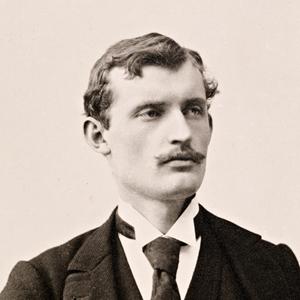
A celebrated Norwegian painter active from the late nineteenth century to the fi…
✦ Highlights (technique & color)
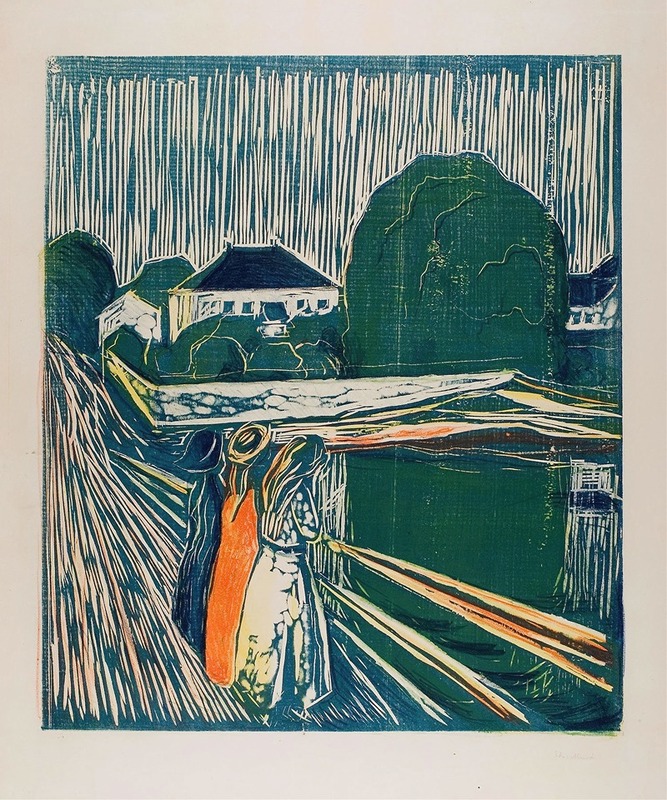
This work was produced through a sophisticated hybrid technique combining color woodcut and zincography (lithography on zinc plates). Structural elements, such as the bridge railing and the grand tree, were printed in blue ink from the woodblock, over which green, yellow, and red inks were layered from zinc plates. The graphic power of the woodcut harmonizes beautifully with the translucent, painterly gradations, orchestrating a vibrant symphony of color.
✦ The setting of this painting
The scene is set on the wooden bridge leading to the steamboat pier on the shore of Åsgårdstrand. In the background, Munch depicts the actual Kiøsterud Manor, a majestic linden tree with a lush, rounded canopy, and a white wooden fence. This seaside village was a special retreat for the artist, where he owned a modest fisherman's cottage and formed deep ties with the local community.
✦ Historical context
In late nineteenth-century Europe, a wave of fin-de-siècle melancholy and anxiety took hold in reaction to rapid industrialization and urban life. Munch had long depicted the turbulent dramas of human suffering, but a journey to Italy in 1899 and the Early Renaissance frescoes he encountered there left a lasting impression. His artistic focus began to shift from private angst toward a more structured aesthetic, embracing the perspective of children as an innocent symbol of life.
Three girls stand side by side on a wooden connecting bridge.
Leaning on the railing, they quietly gaze at the water's surface.
In the background are a large tree with lush foliage, a white fence,
and a stately building.
Bright light reflects on the water's surface.
The artist is Edvard Munch, a leading Norwegian painter.
What kind of paintings come to mind when you think of Munch?
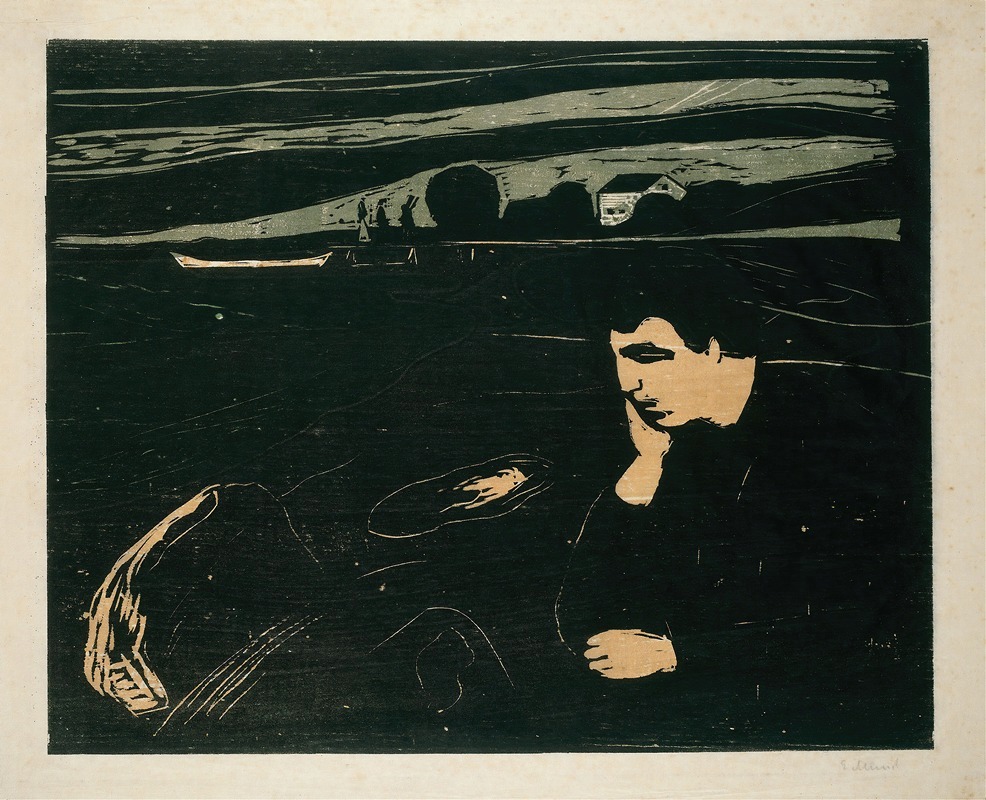
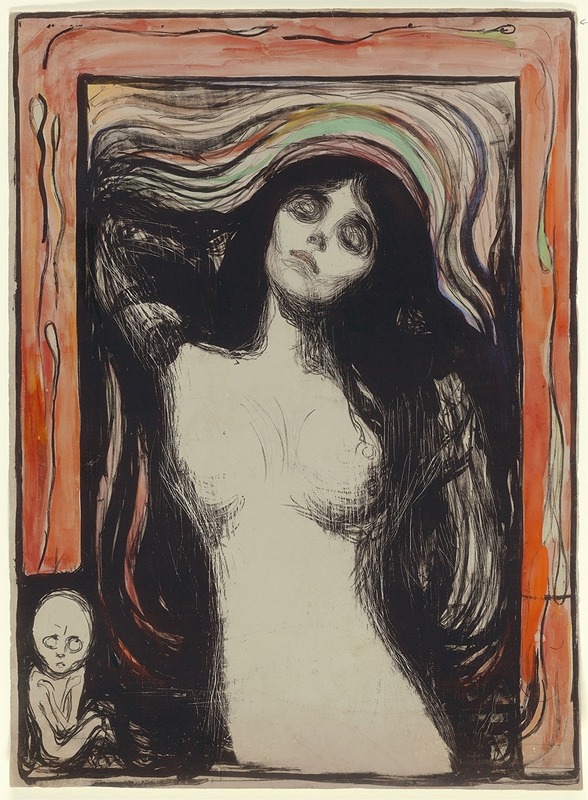
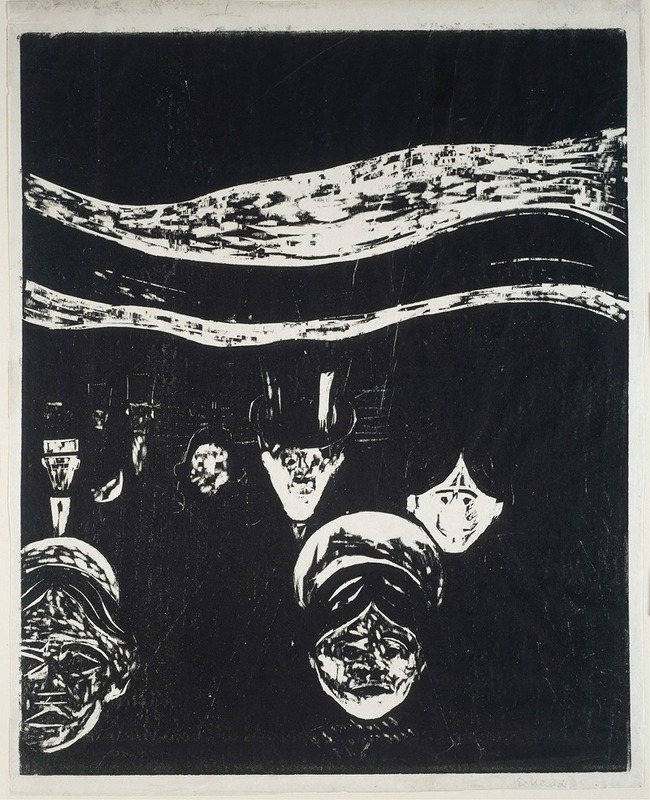
He is known for depicting somber themes such as death, illness, and loneliness, as exemplified by works like The Scream and Anxiety.
A painter who portrayed the inner fears of humanity alongside distorted landscapes.
That image might be very strong.
However, this particular work actually signifies his emergence from such dark psychological depths and his return to a brighter reality.
In the 1890s, Munch continuously depicted the morbid drama of 'birth, old age, sickness, and death'.
Dominated by fin-de-siècle melancholy, his own mind was deeply wounded.
However, in 1898, he purchased a small fisherman's cottage in the Norwegian village of Åsgårdstrand.
The coastline of this village was where he had once witnessed a tragic drama of love and hate.
It was also a place where he had been deeply hurt.
However, by owning his own home and strengthening his ties with the local community,
a change in his state of mind began to emerge.
The following year, in 1899, he traveled to Florence, Italy.
There, he was deeply impressed by classical friezes and frescoes of the Early Renaissance.
These experiences combined, and his interests gradually shifted.
From personal melancholy, such as death and anxiety, to an ordered aesthetic.
And towards 'the child's perspective' as a pure symbol of life.
About 215 more words
Read stories of masterpieces for free
Your Note
Write down what this painting made you feel in your art notebook.
Please sign up to write notes.
Sign up for freeRecommended Artworks
![Untitled [Rescue boat]](https://musicstory-assets-682855971161-ap-northeast-1-an.s3.ap-northeast-1.amazonaws.com/artworks/paintings/untitled-rescue-boat.jpg)
Sources & references
More artists



If you find an error in this content, please let us know here
This site is protected by reCAPTCHA, and the Google Privacy Policy and Terms of Service apply.