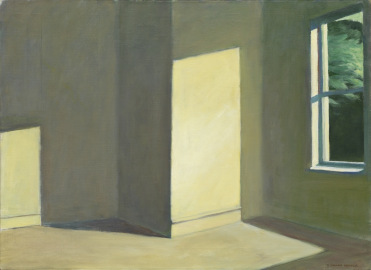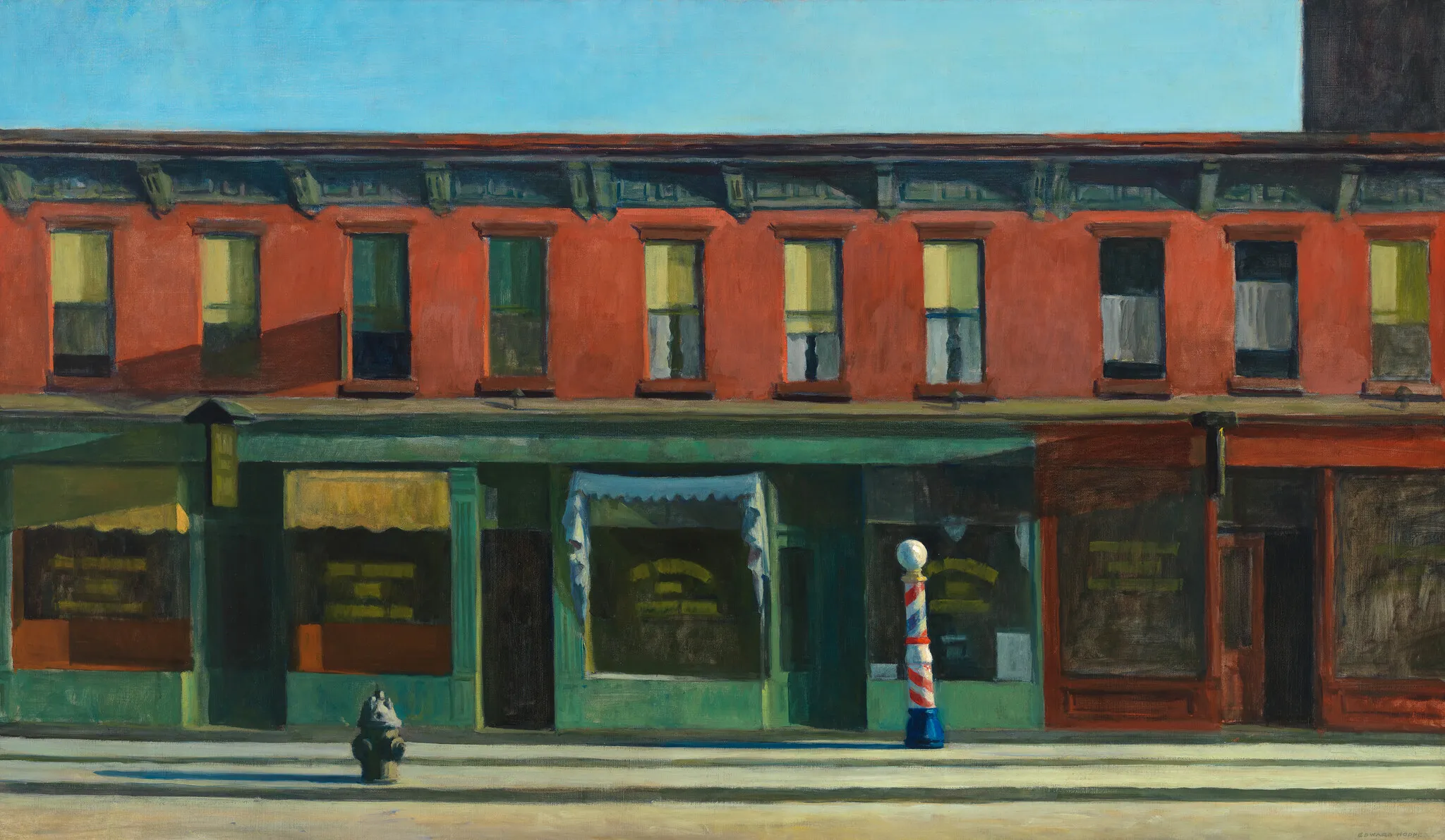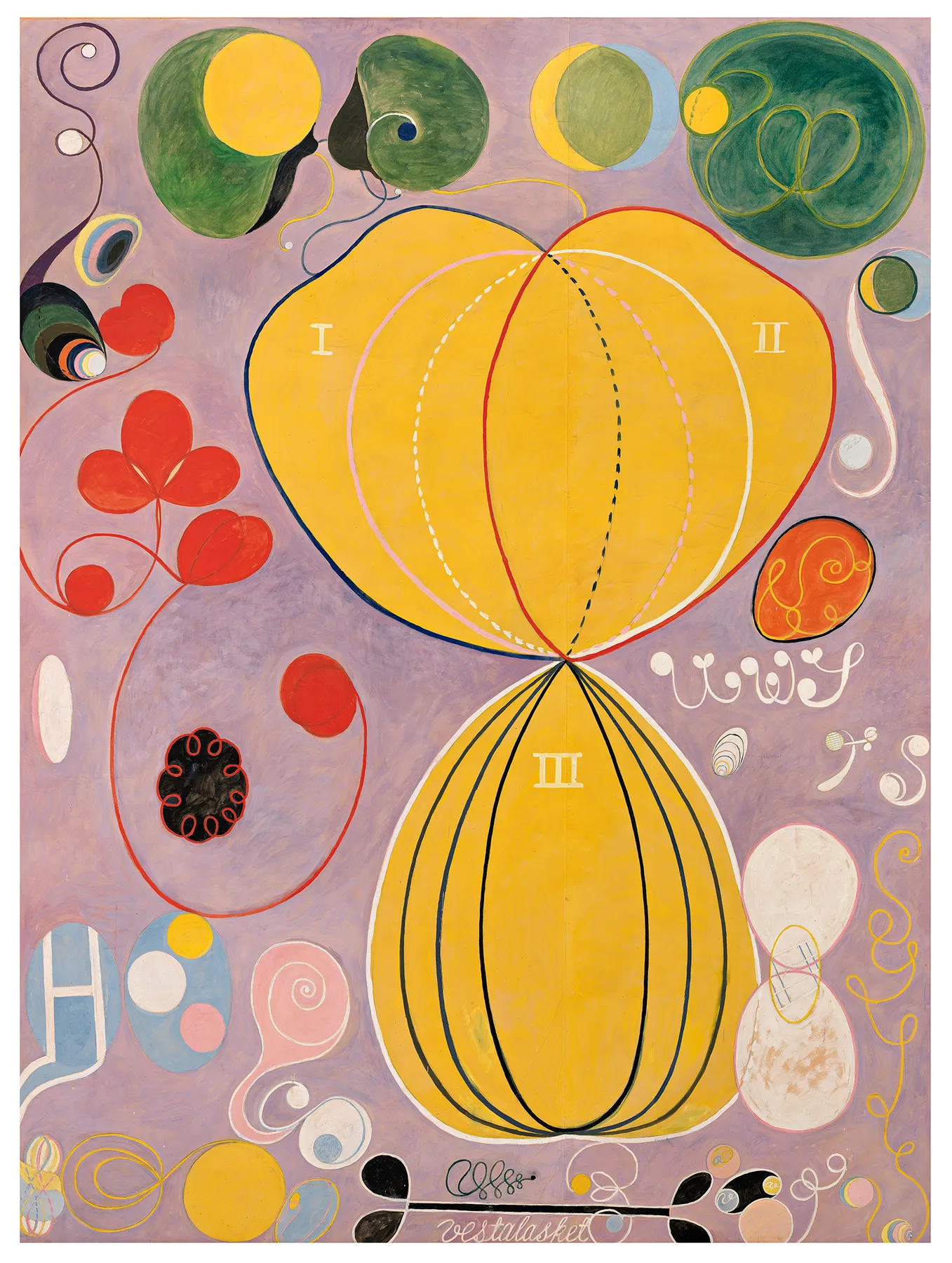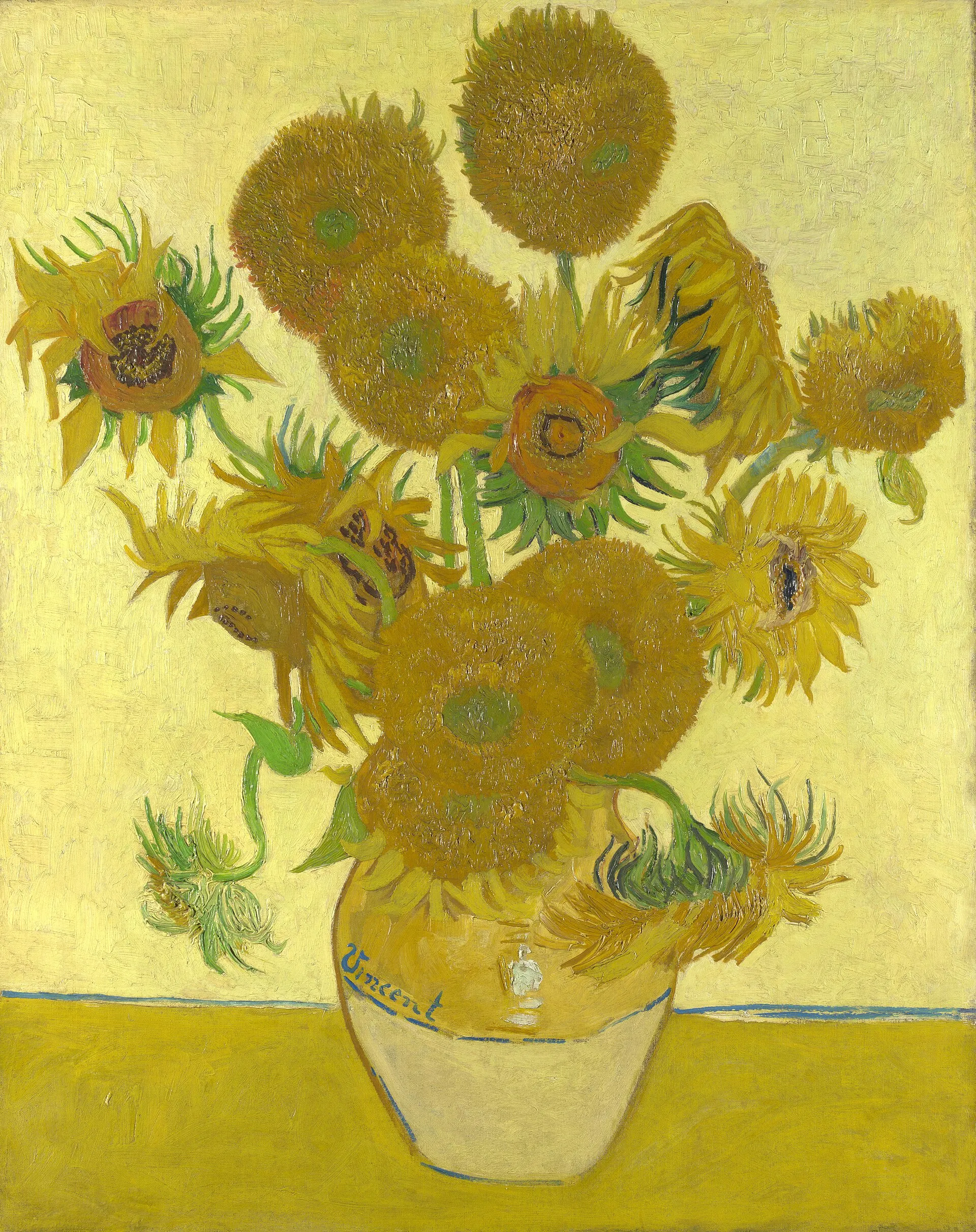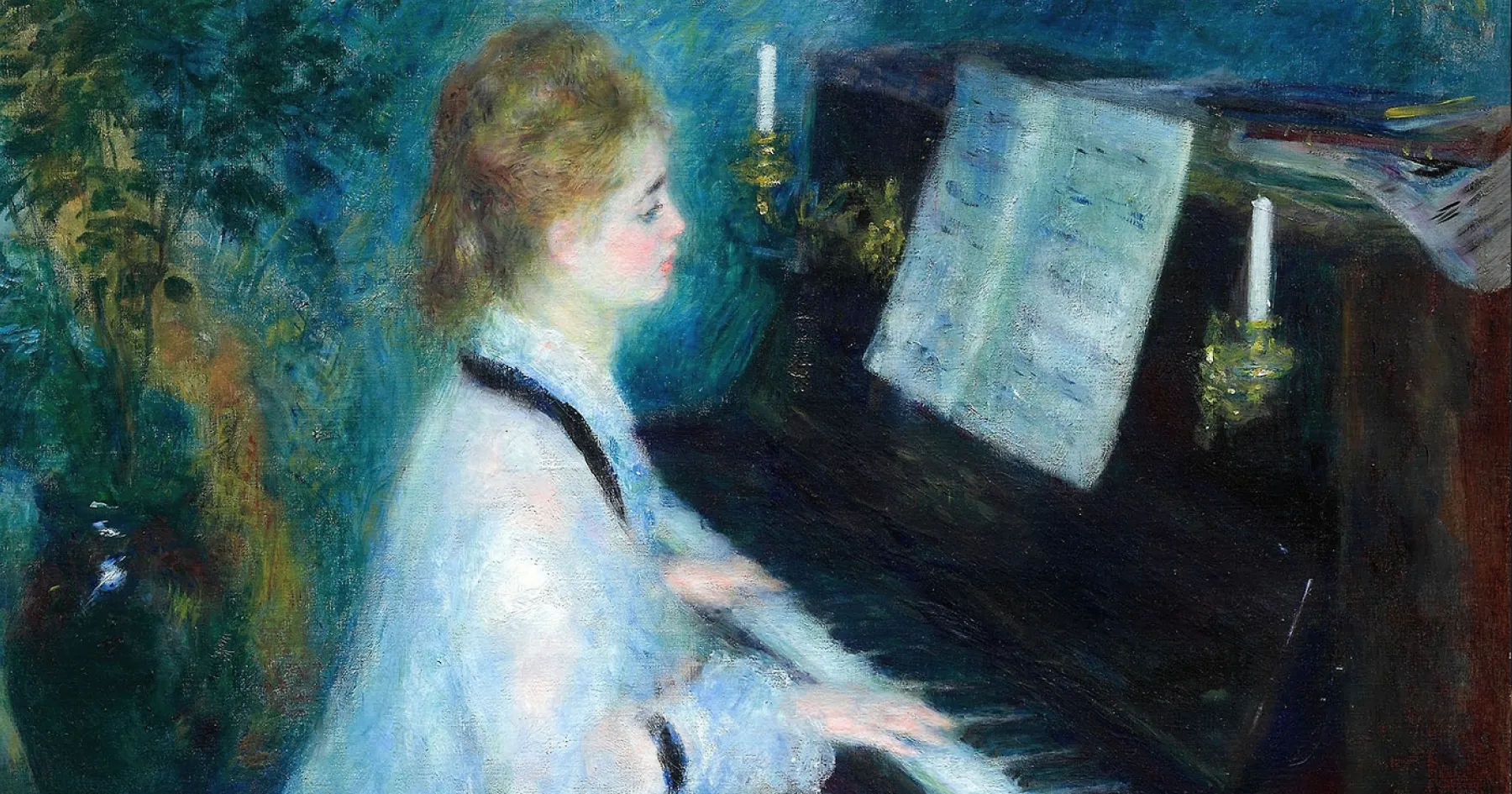
You stop in front of a painting at a museum.
Have you ever felt as if you could hear music in a supposedly quiet exhibition room?
Or, conversely, as you listen to a certain piece of music, a landscape unfolds behind your eyelids.
The sea at dusk, a rain-soaked city, swaying trees. There are moments when you can truly see 'colors' within the sounds.
Painting and music. Art to be seen with the eyes, and art to be heard with the ears.
These two, which seem entirely separate, have in fact quietly resonated with each other for centuries.
When Painters Depicted 'Music'
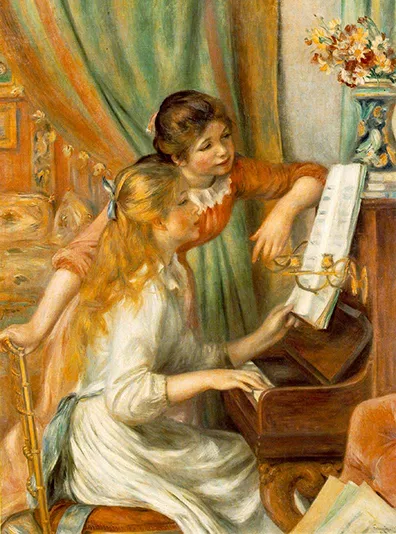
Many painters have attempted to incorporate music into their works.
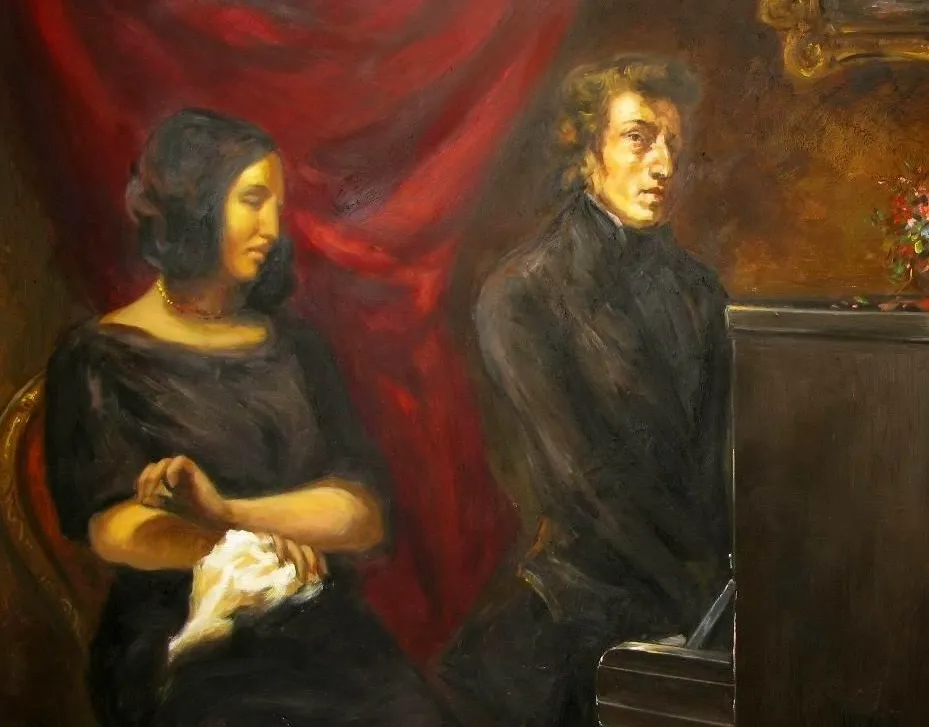
For example, paintings depicting people playing the piano. Fingers gently resting on the keys, a downcast profile, the afternoon light filling the room. Even though no sound is flowing, a melody somehow seems to be heard.
Renoir depicted the peaceful moments of girls at the piano.
Degas captured the backstage atmosphere of concerts and rehearsals as if cutting out the very air of the scene.
Perhaps what captivated them was not the sound itself, but the 'atmosphere of the moment' when music is born.
Sound cannot be painted.
However, the stillness or excitement of a place where music is playing can be captured in a painting.
Painters must have believed this when they took up their brushes.
When Musicians Turned 'Paintings' into Sound
Conversely, there are composers who created music from paintings and landscapes.
The composer Mussorgsky wrote the work 'Pictures at an Exhibition' after visiting an exhibition of his deceased friend's works.
As he walked from one painting to another, he transformed the stories each painting conveyed into sound.
It is a rare example of music born from paintings.