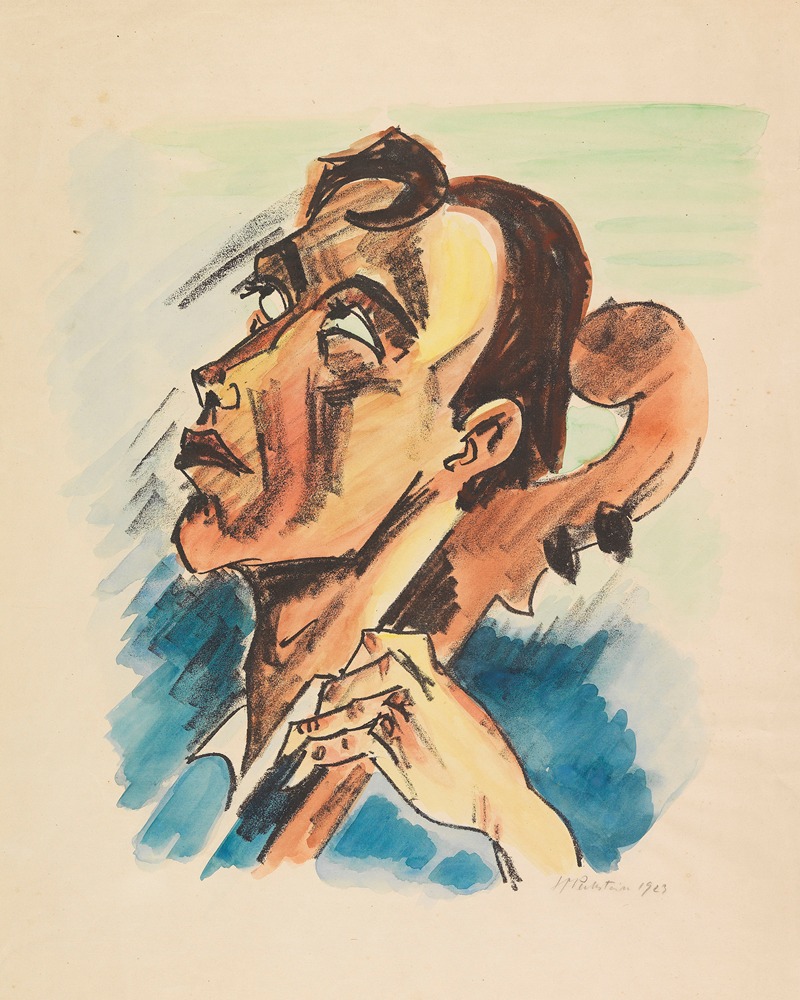
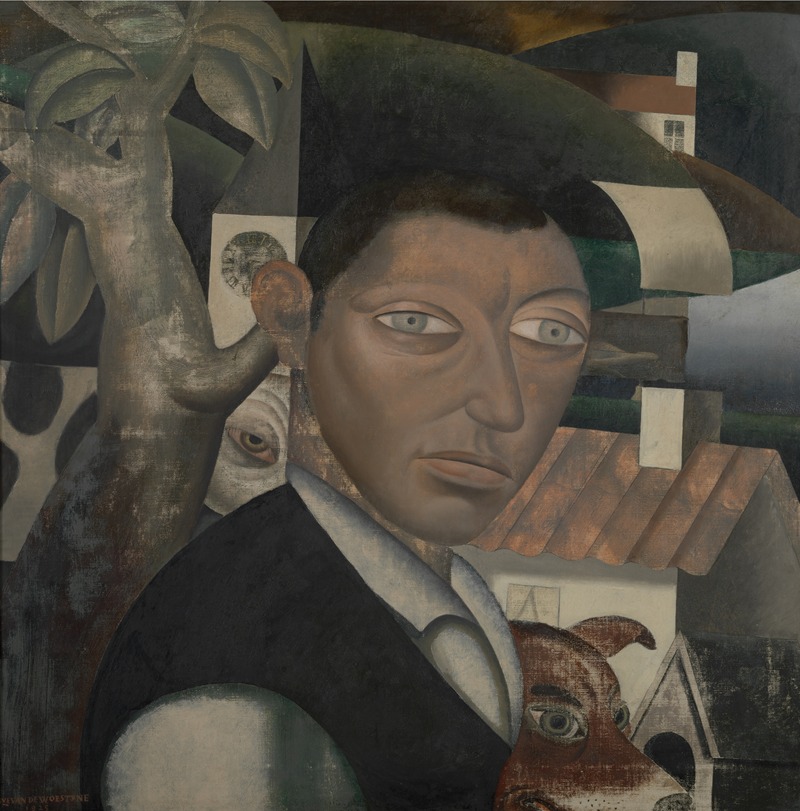
Many people are perplexed when they first encounter Egon Schiele's paintings.
Bony, twisted bodies. Lifeless, greenish skin.
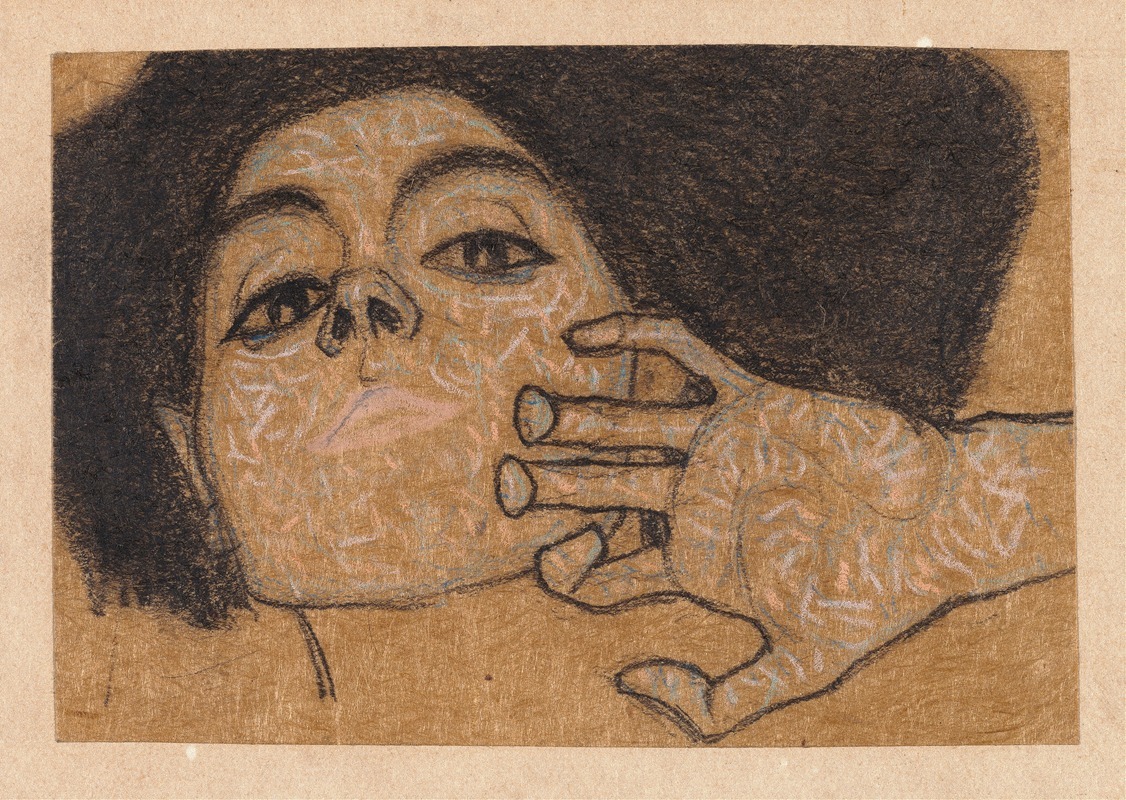
Hollowed cheeks and wide, staring eyes. Fingers are unnaturally splayed, and joints are painfully emphasized.
It's hard to call them beautiful. Rather, looking at them makes one uneasy. Yet, for some reason, it becomes impossible to look away.
Where does this feeling come from? Today, we will explore its true nature.
What Makes Us Uneasy?
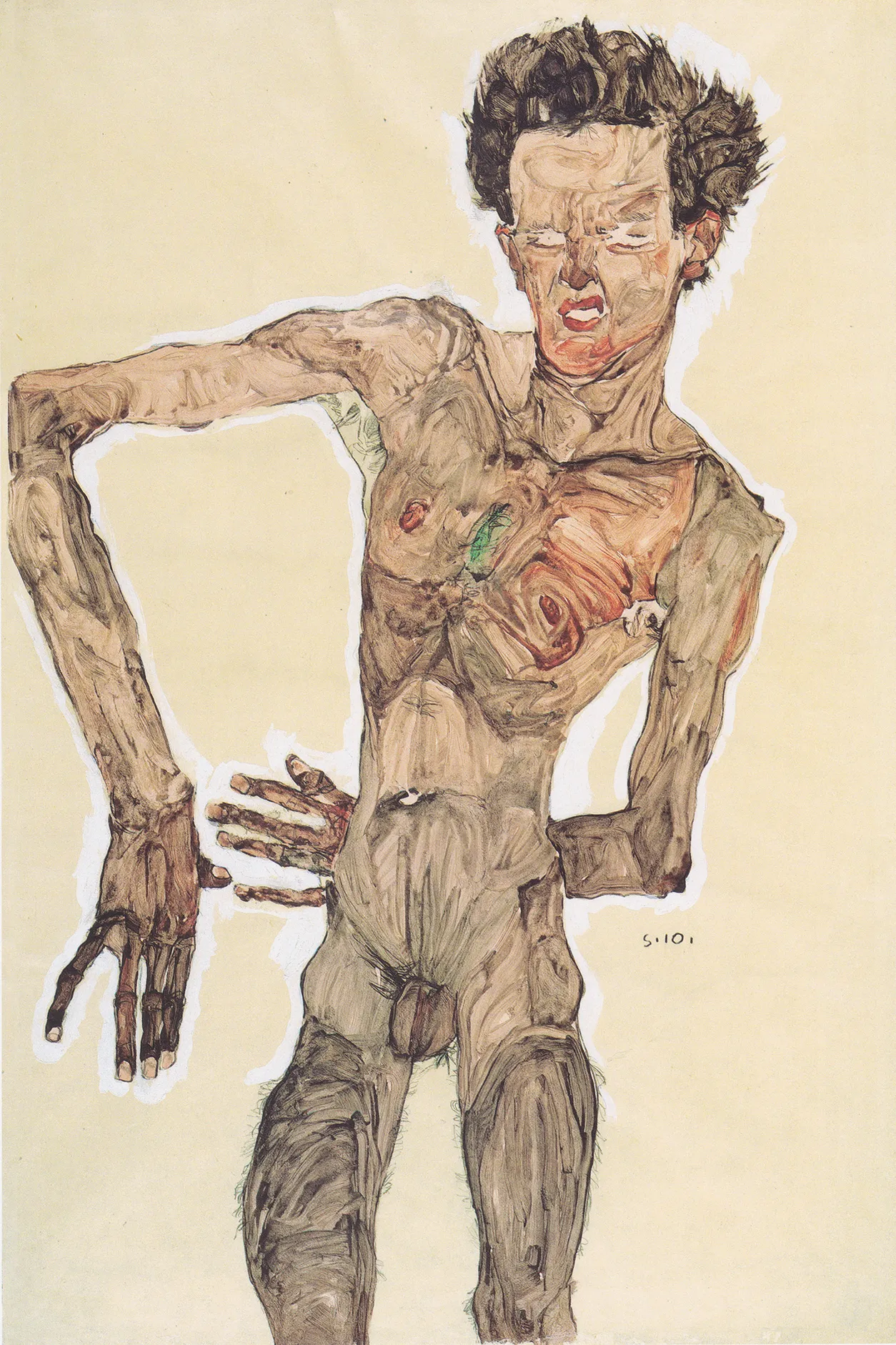
First, let's specifically break down the 'unease' in Schiele's paintings.
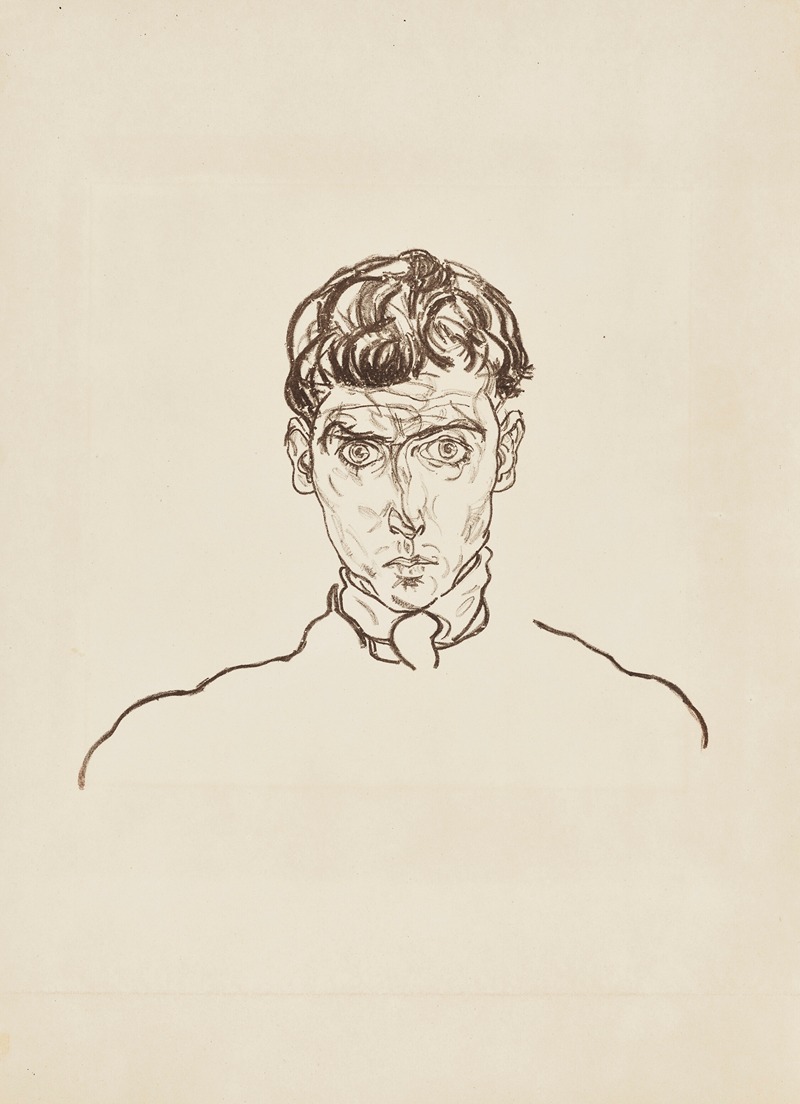
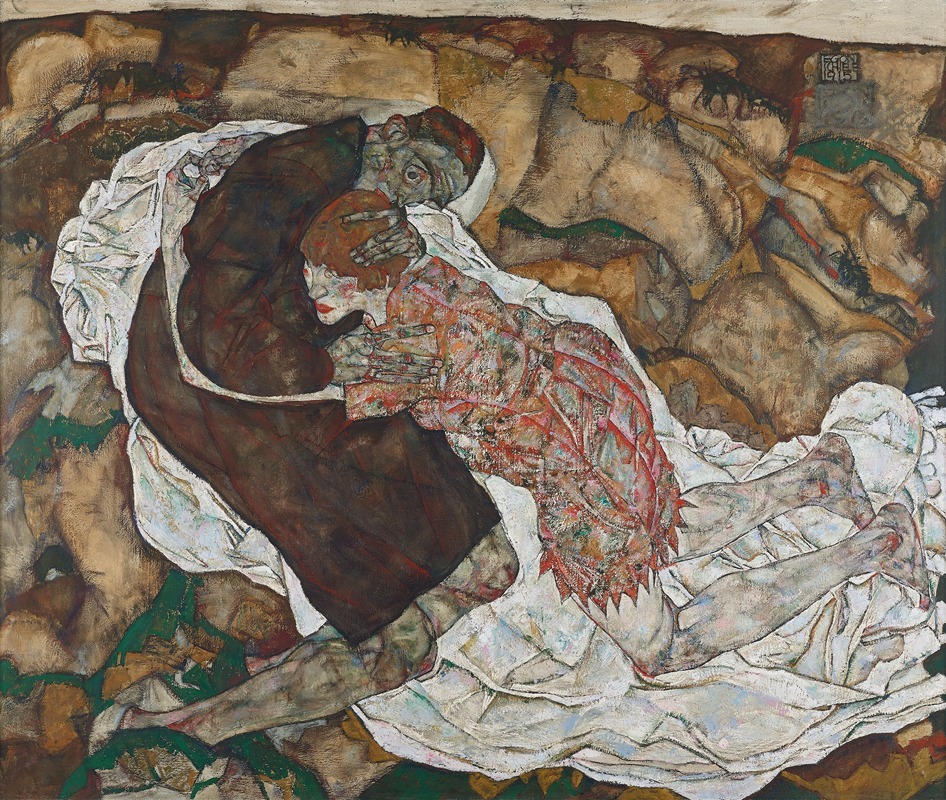
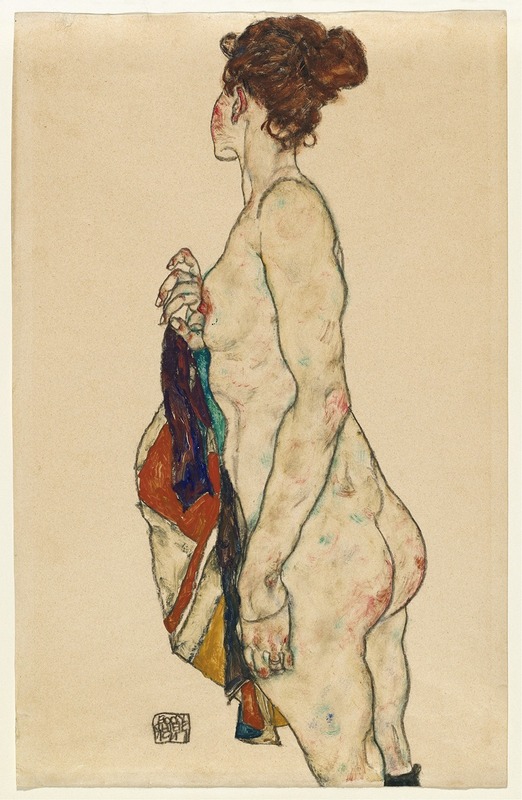
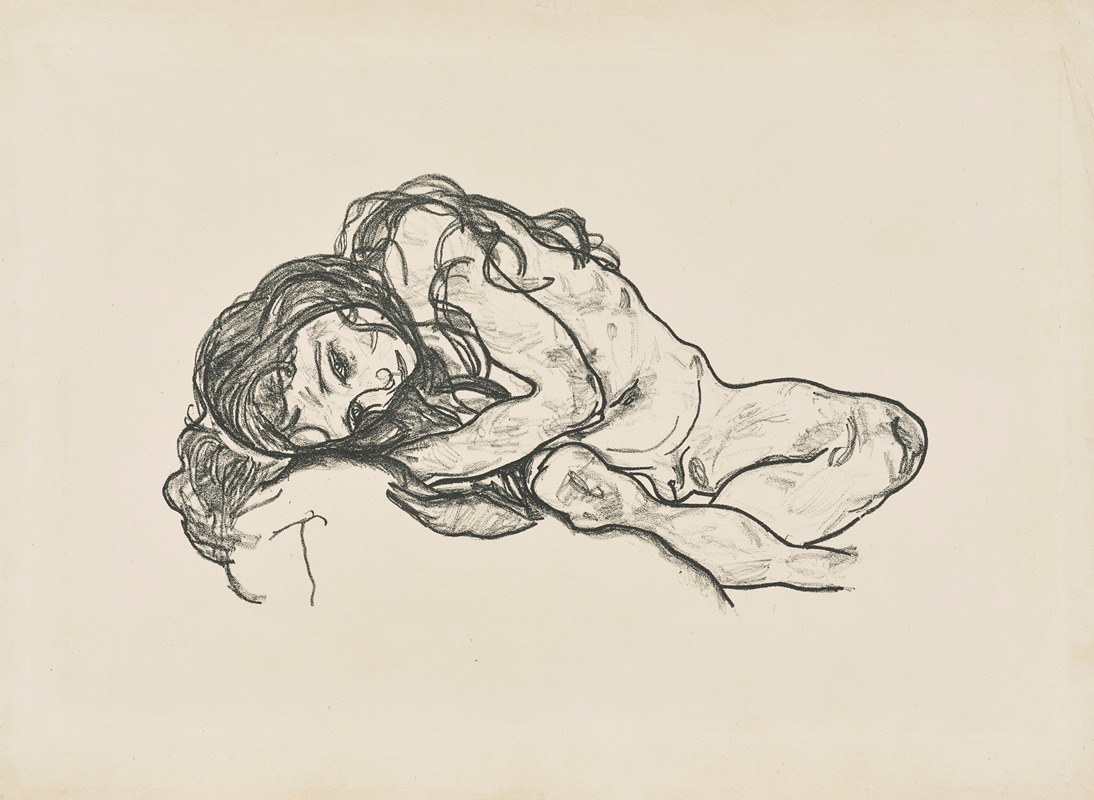
The figures he depicts have unnaturally elongated and twisted limbs.
Bones protrude from emaciated bodies, and the skin is often reddish-brown or greenish, lacking a healthy complexion.
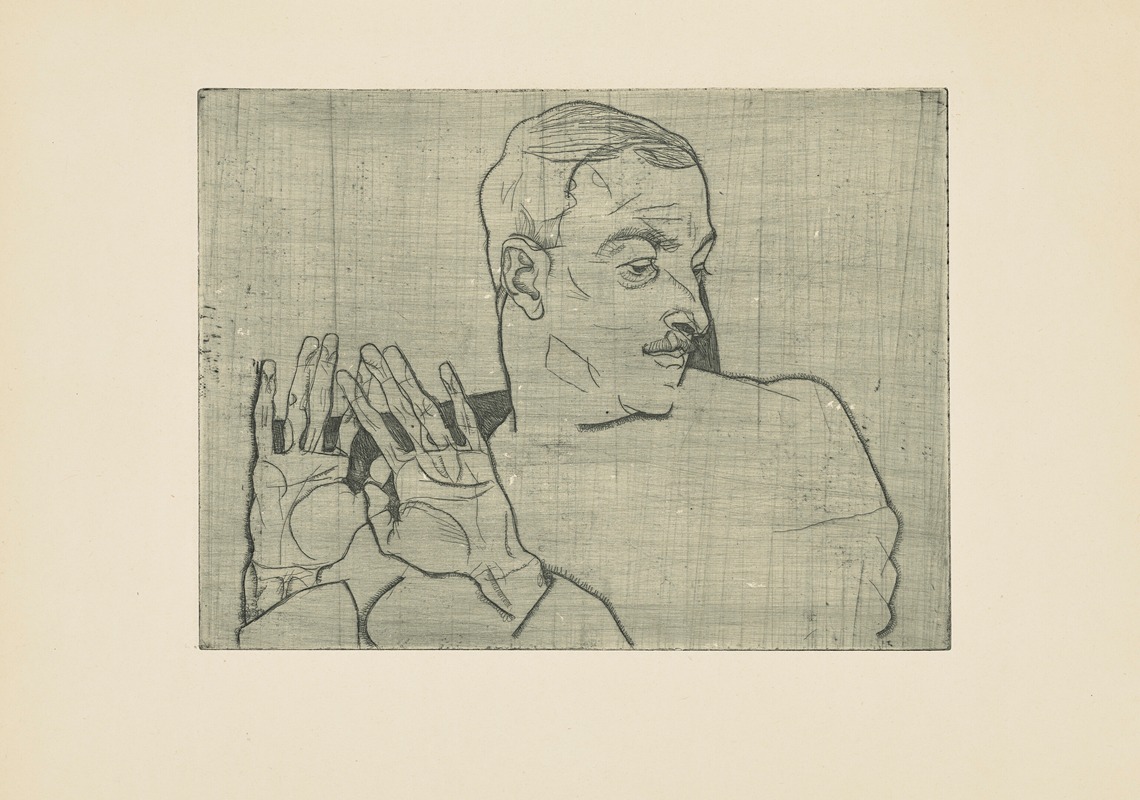
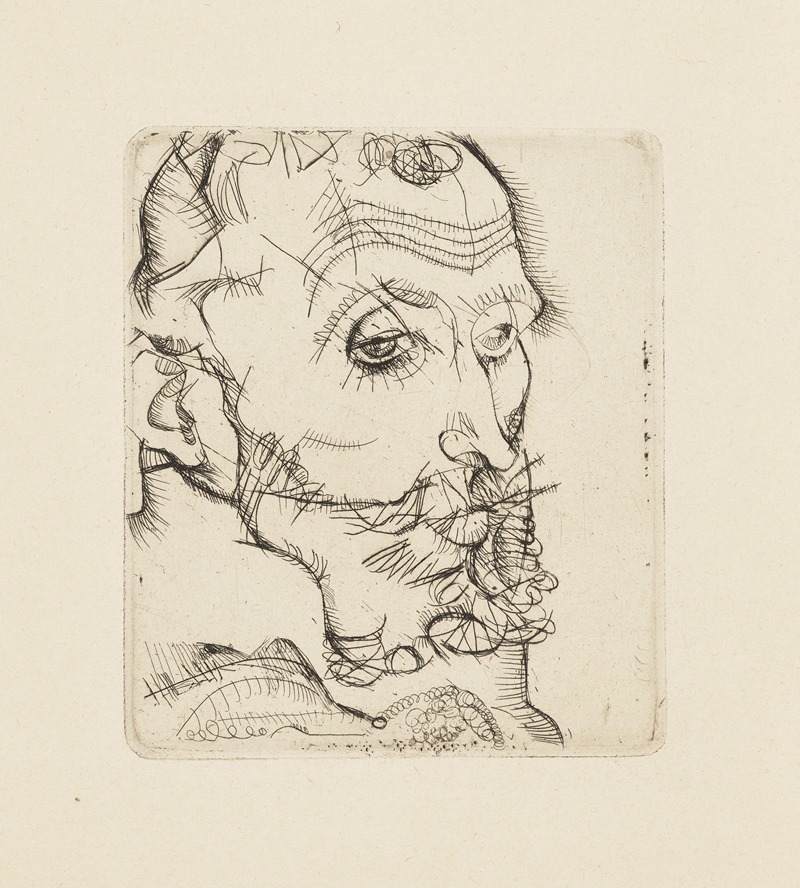
Fingers are splayed like claws, and joints are conspicuously knobby. Where an ordinary painter would smooth and refine, Schiele deliberately distorts and sharpens.
This is not because his drawing skills were poor.
Schiele was a master of line.
He possessed the ability to accurately depict the human body, yet he intentionally distorted it.
It was a deliberate choice.
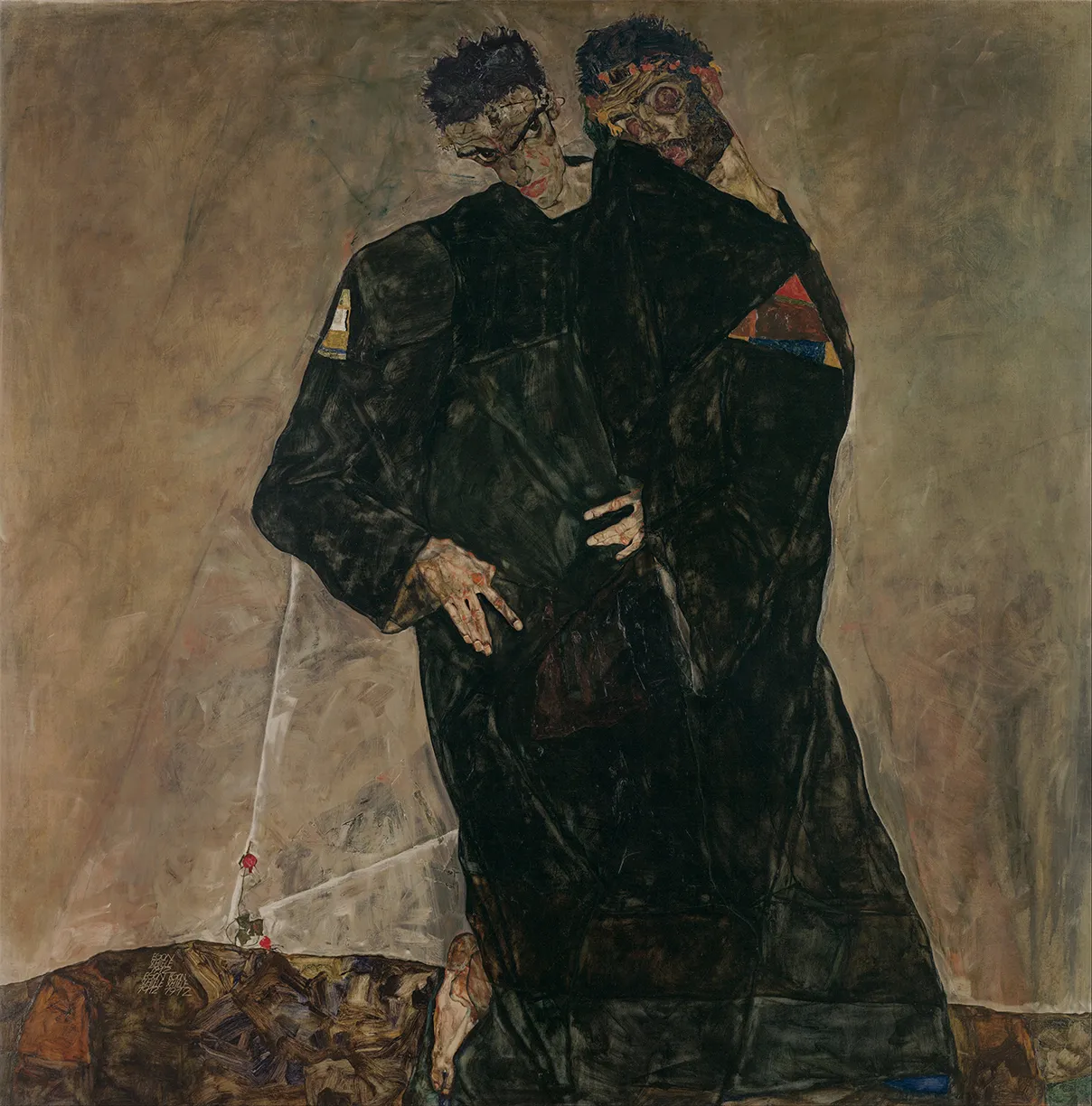
Die Eremiten (A work depicting Klimt and Schiele embracing)
His intention becomes clear when compared with his mentor.
It was Gustav Klimt, known for his golden, sensual beauty, who discovered Schiele's talent when he was 17.
Klimt's paintings are decorative, sweet, and enchant the viewer.
Schiele certainly started under his influence, but soon moved in the opposite direction.
He abandoned the pursuit of beautiful refinement and began to depict the human body as raw and unstable.
If Klimt 'enchants' people, Schiele 'unsettles' them. The master and pupil from the same Vienna chose entirely opposite paths.
Is the True Discomfort in the Distortion of the Body?
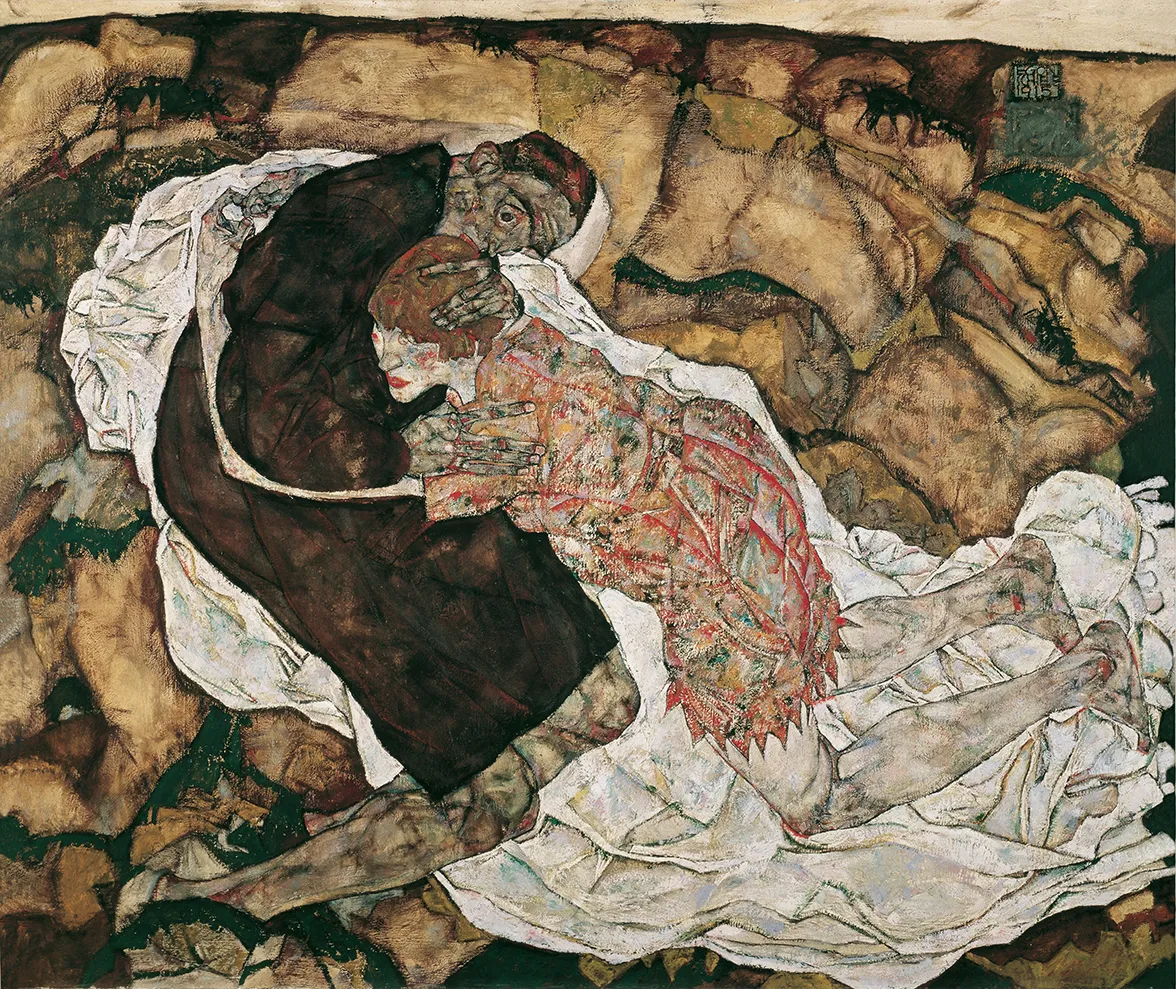
Here, I'd like to shift our perspective slightly.
Does the unease we feel truly stem from the 'distortion of the body'?
More than anyone else, the subject Schiele continued to paint throughout his life was himself.
He left behind an enormous number of self-portraits.
Few painters have depicted themselves in the mirror with such persistence and such merciless honesty.
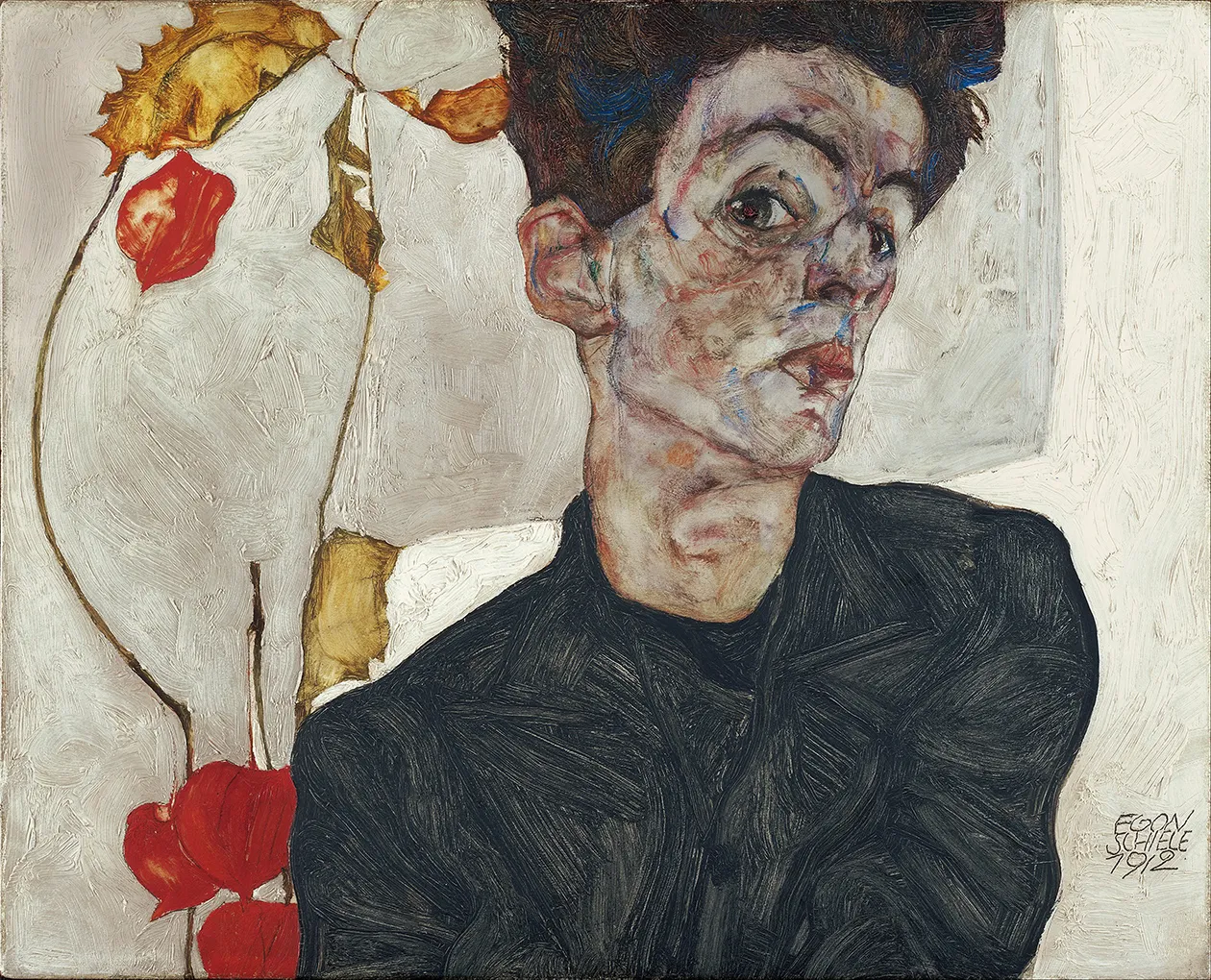
And these self-portraits make no effort whatsoever to present himself favorably.
Normally, when people depict themselves, they unconsciously idealize a little.
Schiele was the opposite. He exposed anxiety, tension, bravado, and stiff self-consciousness without hiding anything. He placed himself on the canvas, stripped of all pretense.
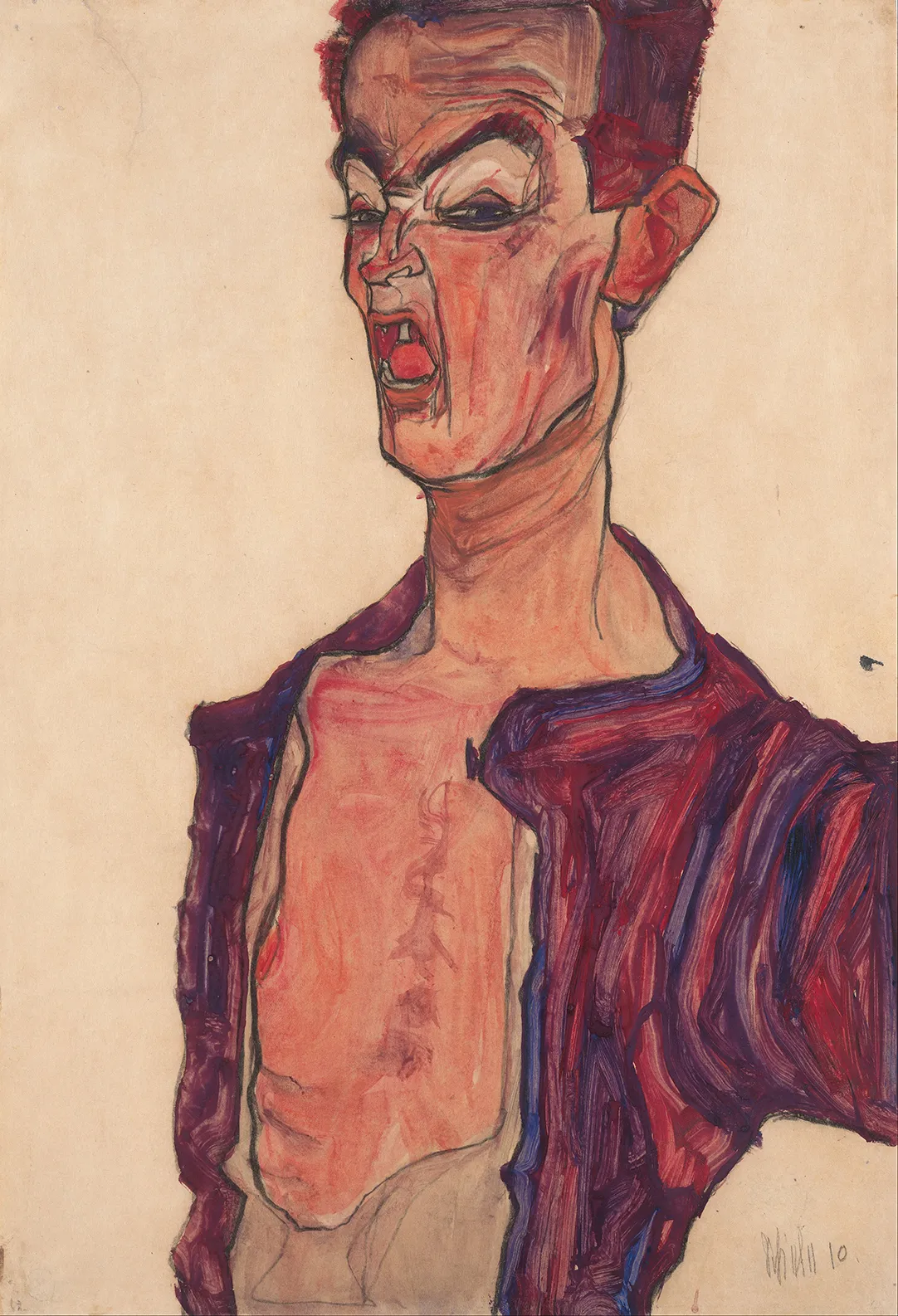
Considering this, the true nature of the unease we feel might not be the twisted limbs or diseased skin themselves.
Perhaps we are being shown something else, something we don't want to see.
From here, we will delve into that true nature, an incident that pushed Schiele himself to the brink of ruin, and a certain 'music' that strikingly resembles his paintings.
![Untitled [Rescue boat]](https://musicstory-assets-682855971161-ap-northeast-1-an.s3.ap-northeast-1.amazonaws.com/artworks/paintings/untitled-rescue-boat.jpg)