
 日本語 (JA)
 English (EN)
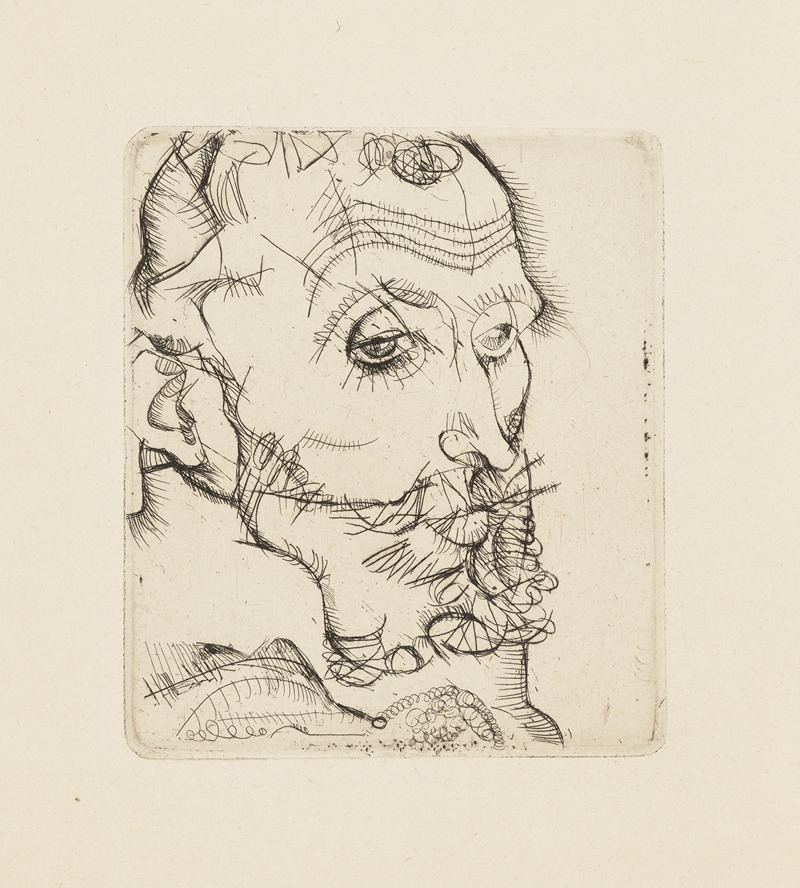
- Dimensions
- プレート(版面)サイズ: 12.8 × 10.9 cm
- Medium
- Drypoint on beige or cream paper
- Collection
- Minneapolis Institute of Art / The Museum of Modern Art / The Metropolitan Museum of Art
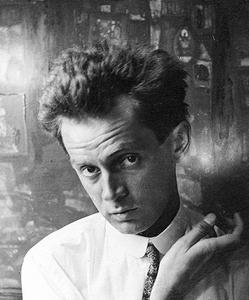
A leading figure of Austrian Expressionism, this early 20th-century painter laid…
✦ Highlights (technique & color)
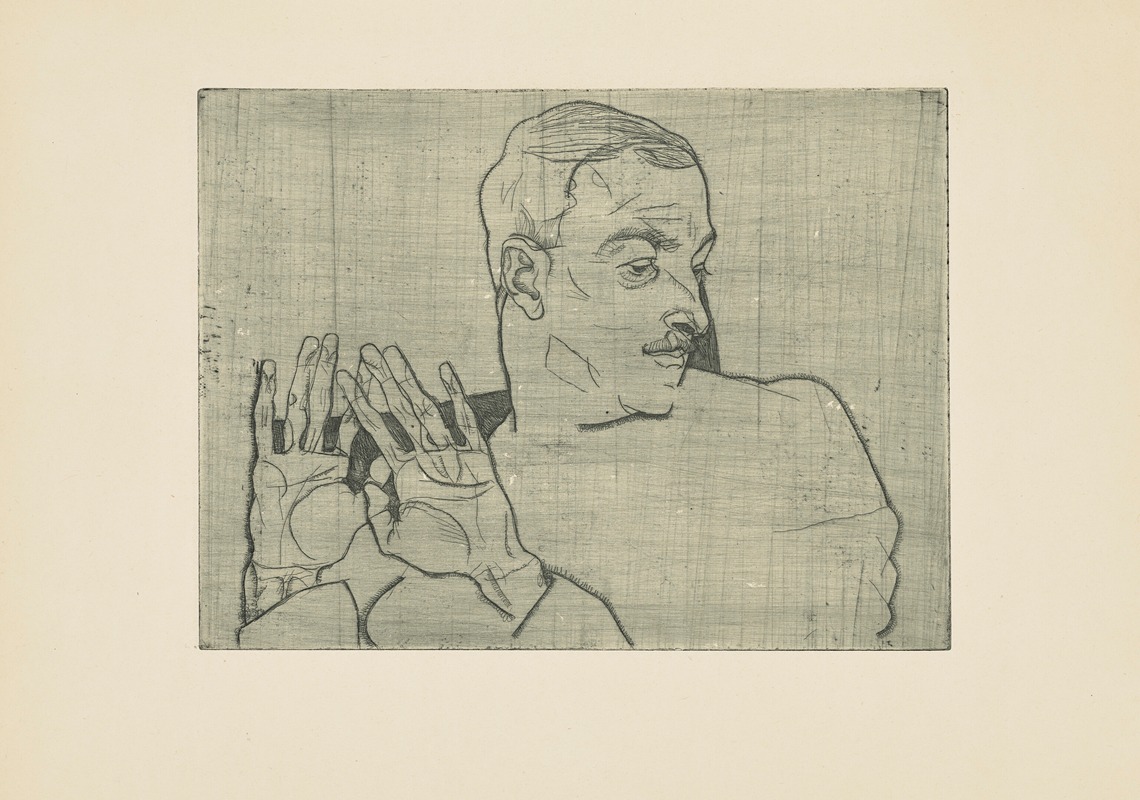
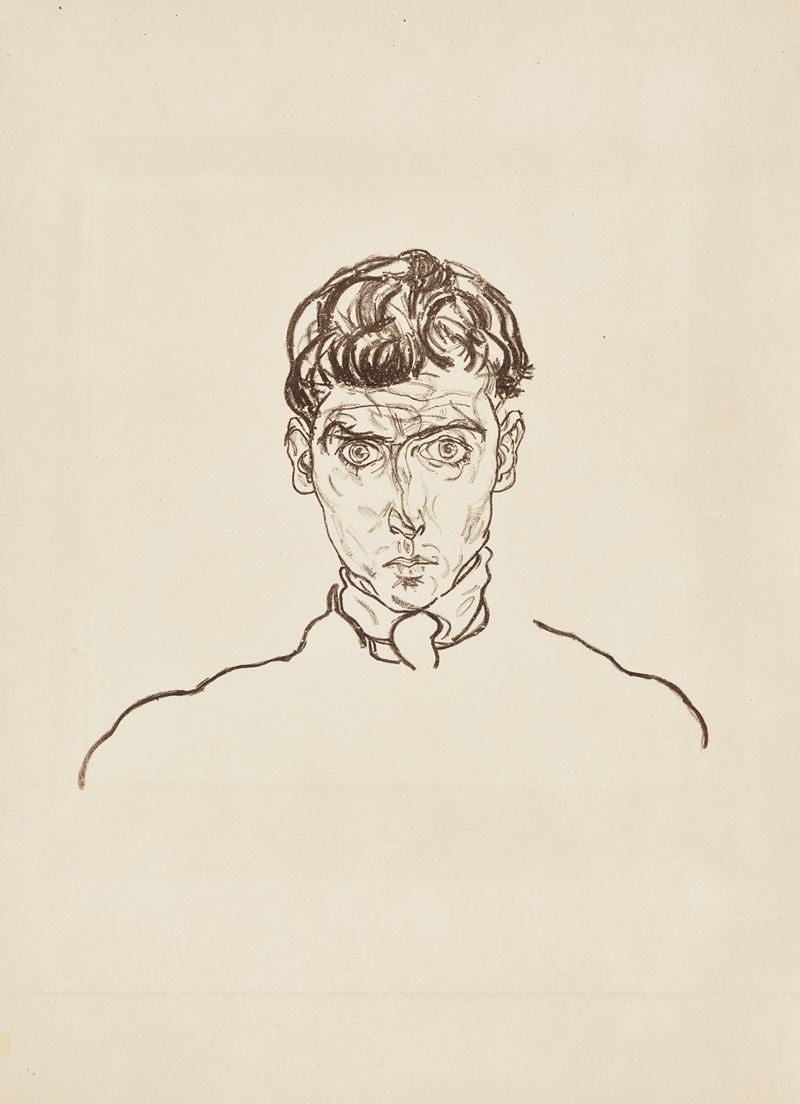
This print was created using drypoint, an intaglio printmaking technique. By scratching lines directly into a metal plate with a needle, the resulting burr catches the ink, producing a distinctive, velvety line quality. The intense furrow between his brows is articulated with deeply cut cross-hatching. While these incisive marks impart a sharp tension reminiscent of surgical sutures, they also hold an unexpected, rustic warmth.
✦ The setting of this painting
The setting is Egon Schiele's studio in Vienna. However, all interior furnishings and spatial context have been entirely omitted. The figure's torso is reduced to a geometric block, stripped of everyday details such as fabric folds or buttons. Through this rigorous abstraction, the composition directs the viewer's gaze exclusively to the man's sculptural, expressive face, appearing as if suspended in empty space.
✦ Historical context
The year 1914 marked the outbreak of World War I. In the Viennese art scene, self-made businessmen like Franz Hauer were emerging alongside the traditional aristocracy as vital patrons of modern art. Yet, as the shadows of war lengthened, Schiele's foremost supporter would meet an untimely death from illness that same year.
以下が、これまでのシリーズと同等のトーンと質感を保った、自然でエレガントな英語の翻訳です。
Deep furrows etched between his brows, a man gazes off into the void. His features look as though carved out by a multitude of lines.
His name was Franz Hauer. Rising from humble origins as the son of a postman, he was a self-made entrepreneur who climbed his way to becoming the owner of Vienna’s oldest and most successful historic tavern.
He harbored a passionate, almost obsessive fervor for collecting modern art. In 1913, he forged a special agreement with the young Egon Schiele: the exclusive right to preview and purchase Schiele’s newest creations before anyone else.
Hauer became Schiele’s most vital client and his most significant financial patron. Schiele sold his finest landscapes directly to him, and their bond was so close that Schiele would write to him from his travels, eagerly sharing that he had "discovered charming wooden houses and windmills."
Yet, just a few months after this portrait was completed, tragedy struck. Hauer suffered severe complications from appendicitis and suddenly passed away at the young age of forty-seven.
Left without their master, the works of his vast collection were dispersed, sold off across domestic and international markets.
About 113 more words
Sign up free and enter Your Museum
Read the stories behind great paintings and music for free, in Your Museum
Stories featuring this painting
Your Note
Write down what this painting made you feel in your art notebook.
Please sign up to write notes.
Sign up for freeRecommended Artworks
Sources & references
More art movements
Pre-Baroque
1 artworks
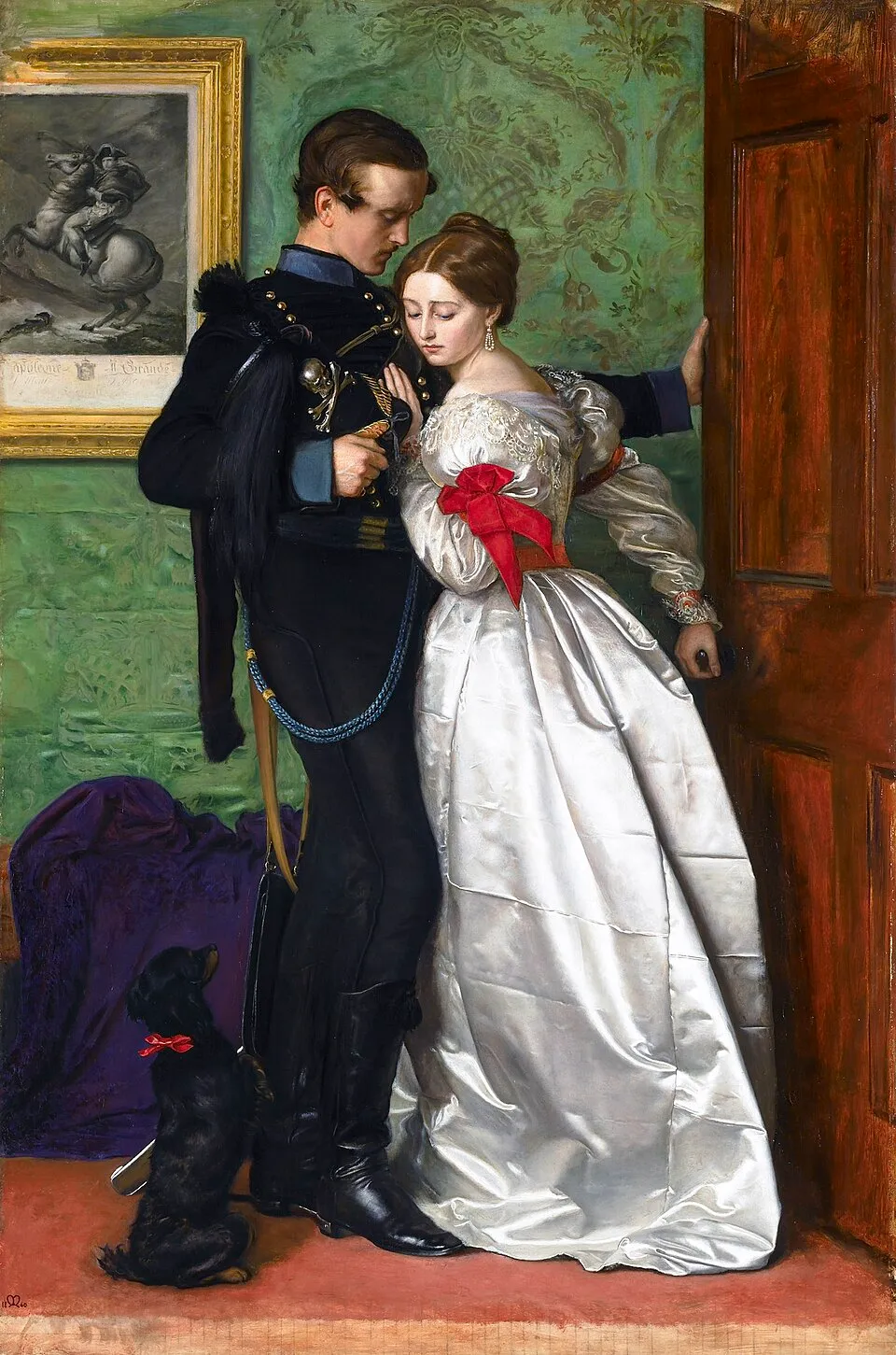
Victorian era
10 artworks
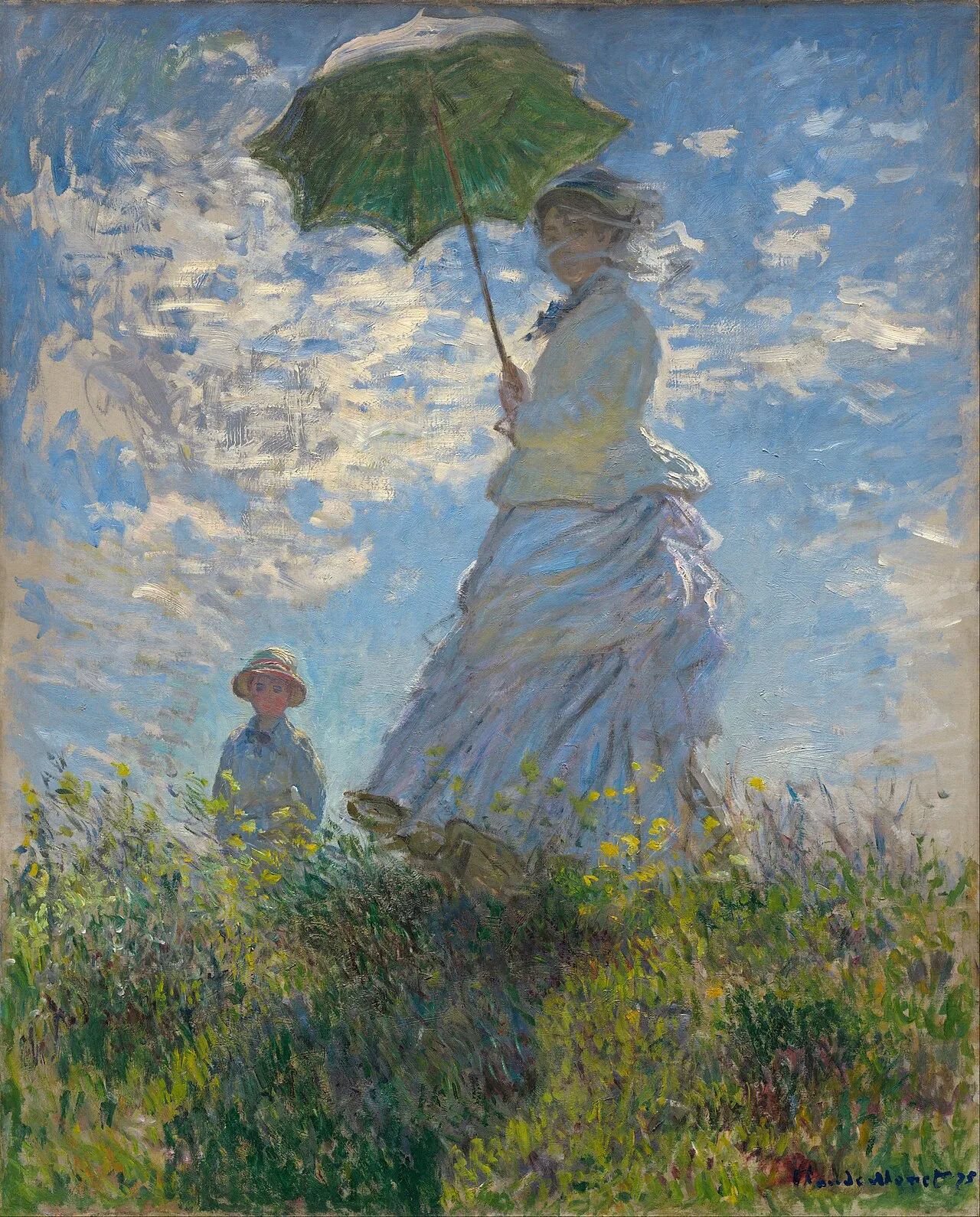
Impressionism
48 artworks
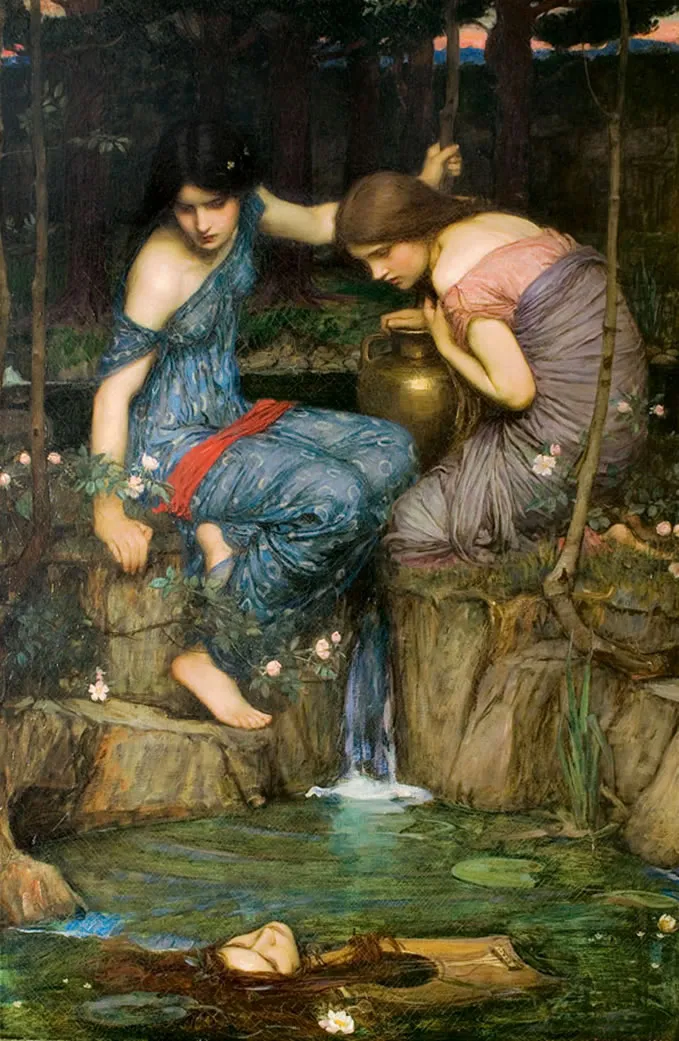
Late Pre-Raphaelite
10 artworks
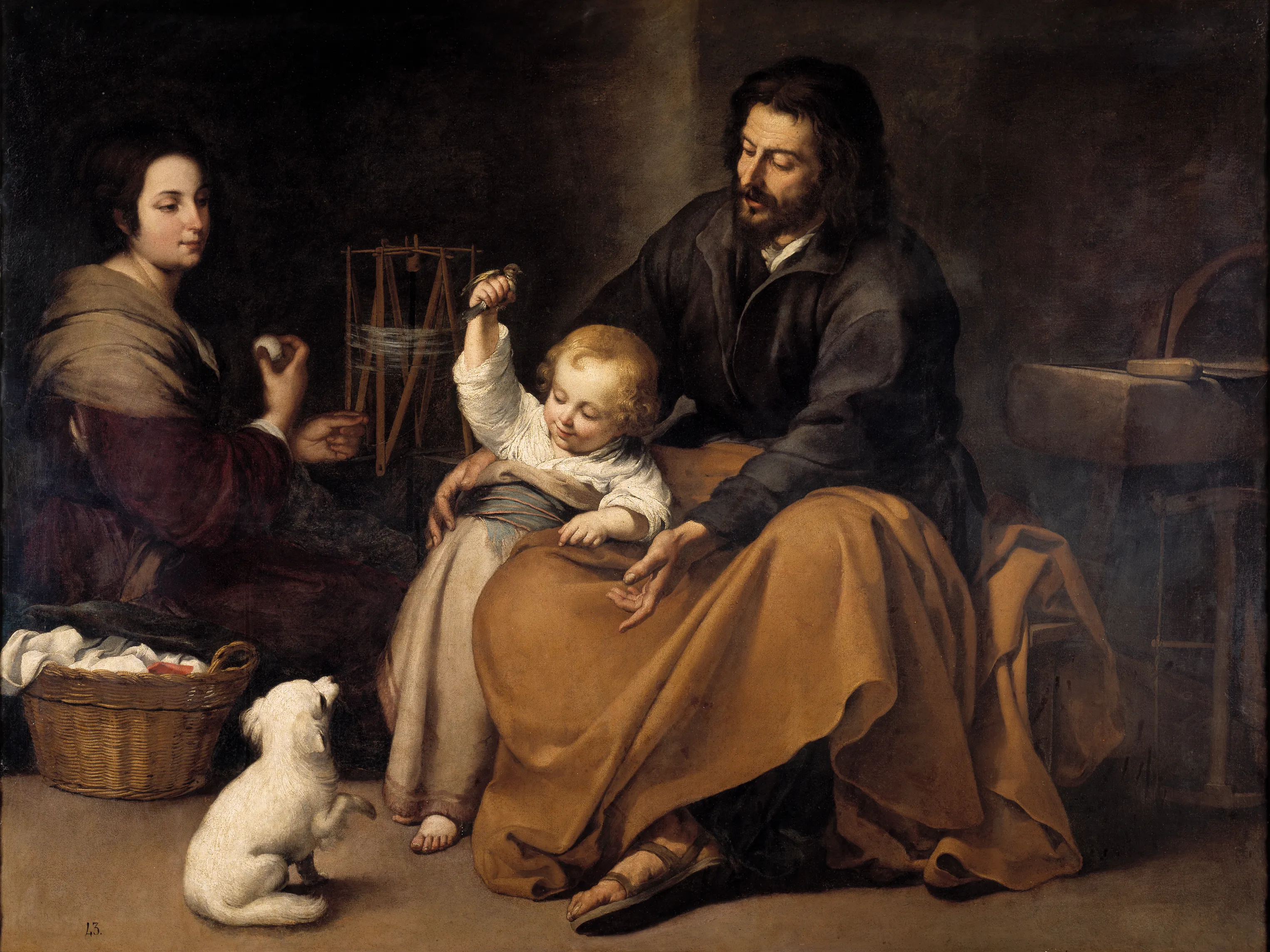
Baroque
2 artworks
American Impressionism
5 artworks
Realism
4 artworks
Pre-Raphaelite
3 artworks
Barbizon School
5 artworks
Academic art
5 artworks
Luminism
3 artworks
Rococo
2 artworks
Symbolism
22 artworks
Neo-Impressionism
3 artworks
Ukiyo-e
1 artworks
Japonism
4 artworks
Edo period
1 artworks
Fauvism
1 artworks
Naturalism
9 artworks
Russian Realism
1 artworks
Post-Impressionism
13 artworks
Genre painting
9 artworks
Neoclassicism
3 artworks
ウィーン分離派
7 artworks
自然主義
1 artworks
ナショナル・ロマンティシズム
1 artworks
未来派
1 artworks
More artists
If you find an error in this content, please let us know here
This site is protected by reCAPTCHA, and the Google Privacy Policy and Terms of Service apply.