
 日本語 (JA)
 English (EN)
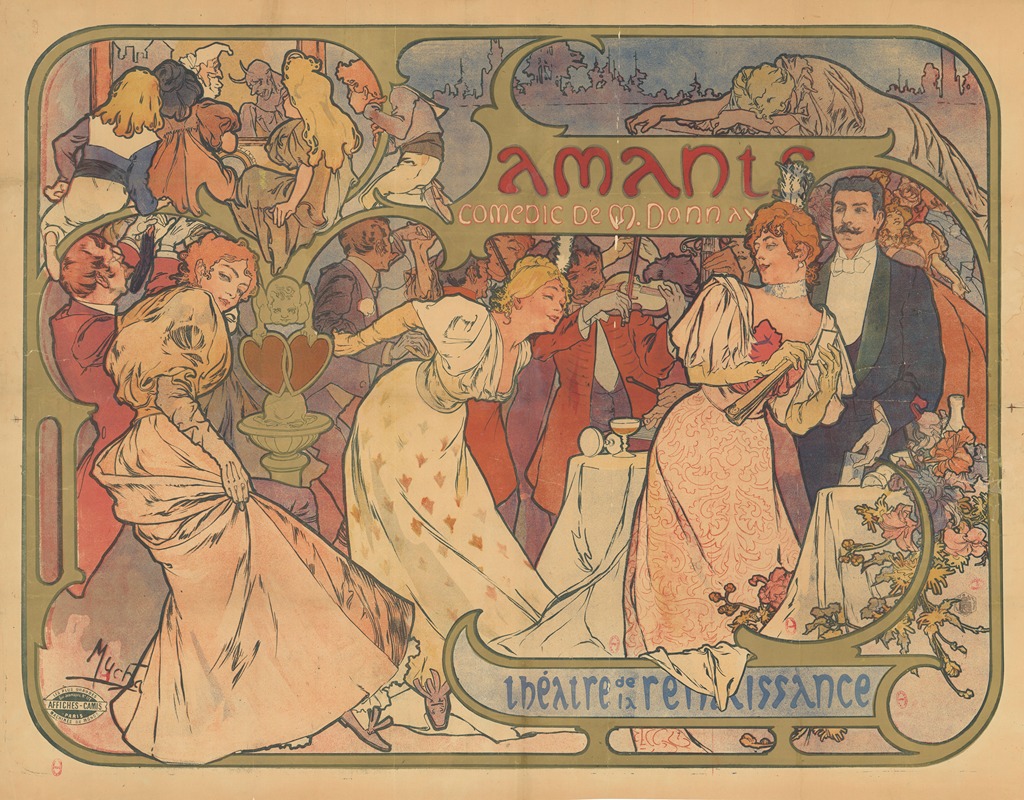
Lovers, a comedy by Mr. Donnay. Théâtre de la Renaissance
1895
- Dimensions
- 106.5 x 137 cm
- Medium
- Color lithograph on paper
- Collection
- Mucha Museum, Prague
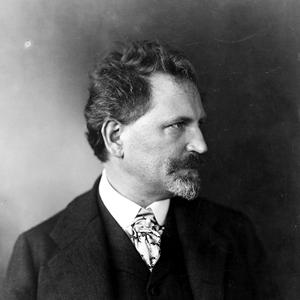
Alfons Maria Mucha, known internationally as Alphonse Mucha, was a Czech painter…
✦ Highlights (technique & color)
Unusually for a theatrical poster by Mucha, this work employs a wide horizontal format measuring 106.5 x 137 cm. During its production, Mucha utilized cutting-edge photography in his studio, taking photos of models to meticulously study the drapery of clothing and the direction of gazes before reconstructing the intricate composition into flawless line work.
✦ The setting of this painting
The scene is set at an opulent evening soirée of high society in late 19th-century Paris. The composition is divided into three distinct sections: at the center, ladies and gentlemen enjoy a live musical performance; in the upper left, children watch a puppet show; and in the upper right, a solitary woman stands against a dark nocturnal horizon. Together, these vignettes visually encapsulate the comedy's storyline.
✦ Historical context
The year 1895 was a landmark moment when technological advances in color lithography transformed the streets of Paris into an "open-air gallery of posters." Through theater and posters, the romances, morals, and social hypocrisies of Belle Époque Parisians were portrayed with subtle irony.
A glamorous soirée. Gentlemen in tuxedos and ladies in elegant gowns listen intently to a live musical performance.
Paris, 1895. Alphonse Mucha was rapidly ascending the ladder of fame. At the end of the previous year, he had designed a poster for the legendary actress Sarah Bernhardt, and its revolutionary style took Paris by storm. Deeply moved, Sarah signed an exclusive contract with him, entrusting Mucha with all the promotional visuals for her Théâtre de la Renaissance.
His studio on Rue de la Grande Chaumière was alive with the feverish energy of avant-garde artists. Among them was the painter Paul Gauguin, then struggling in poverty, who visited frequently and took delight in playing Mucha's harmonium.
In this vibrant studio, Mucha experimented with a groundbreaking medium: photography. By posing models and capturing them on glass plate negatives, he meticulously studied the intricate folds of drapery and the subtle intertwining of gazes to craft flawless compositions.
About 130 more words
Read the rest of this commentary —
and step into a secret gallery
opened just for you
An "art letter" delivered to you every Saturday morning
Works, music and words chosen for your sensibility, from your artist-type result and the paintings you love
A library of masterpieces and music you can enjoy "in your own words", not just look at
A "digital art notebook" (unlimited) where your impressions build into your own taste
Unlimited likes and notes
¥980 / month¥0 today
¥980/month (tax incl.) from day 8. Cancel anytime.
Already have an account? Log in
Your Note
Write down what this painting made you feel in your art notebook.
Please sign up to write notes.
Sign up for freeRecommended Artworks
Sources & references
More art movements
Pre-Baroque
1 artworks
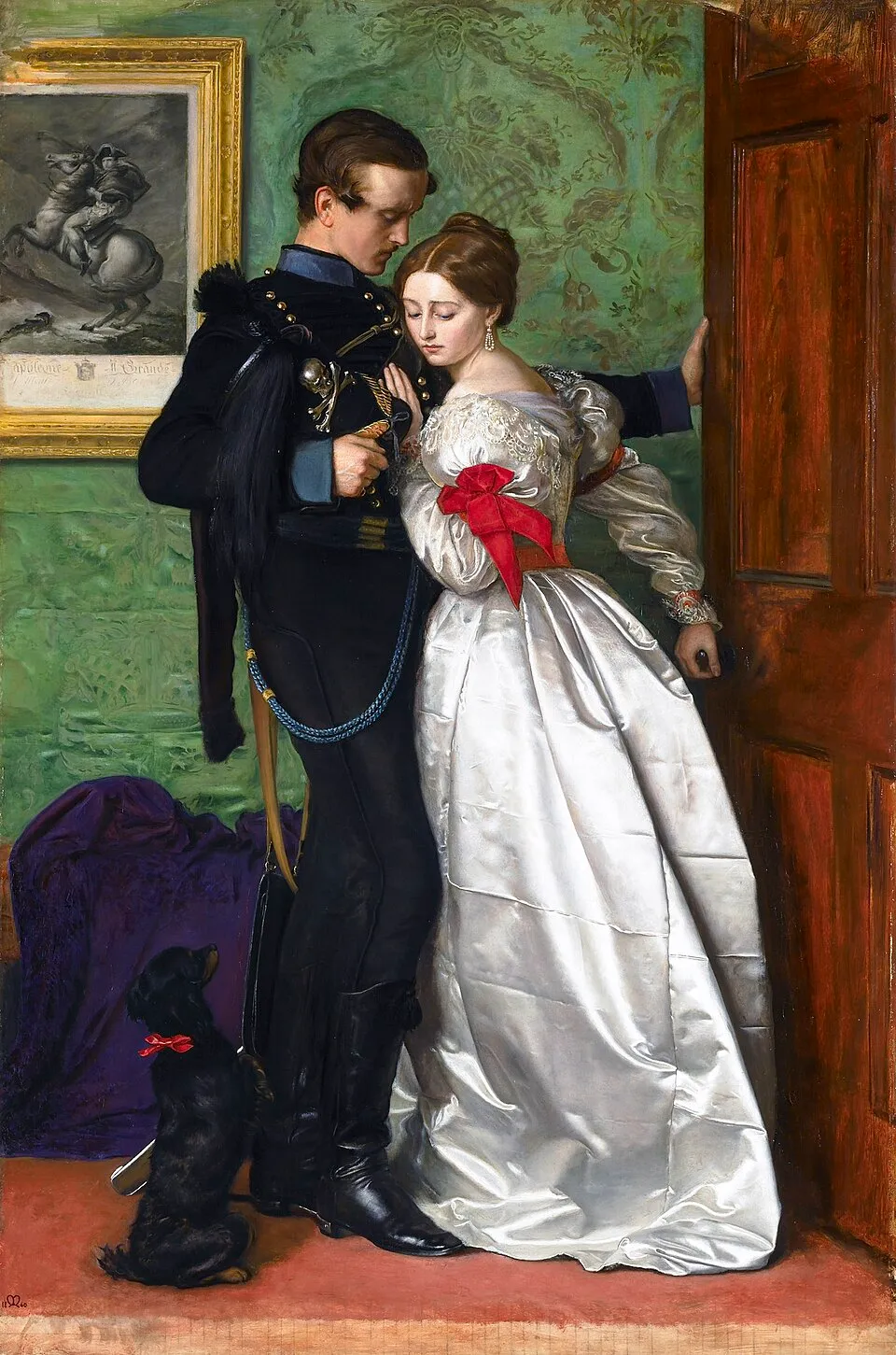
Victorian era
10 artworks
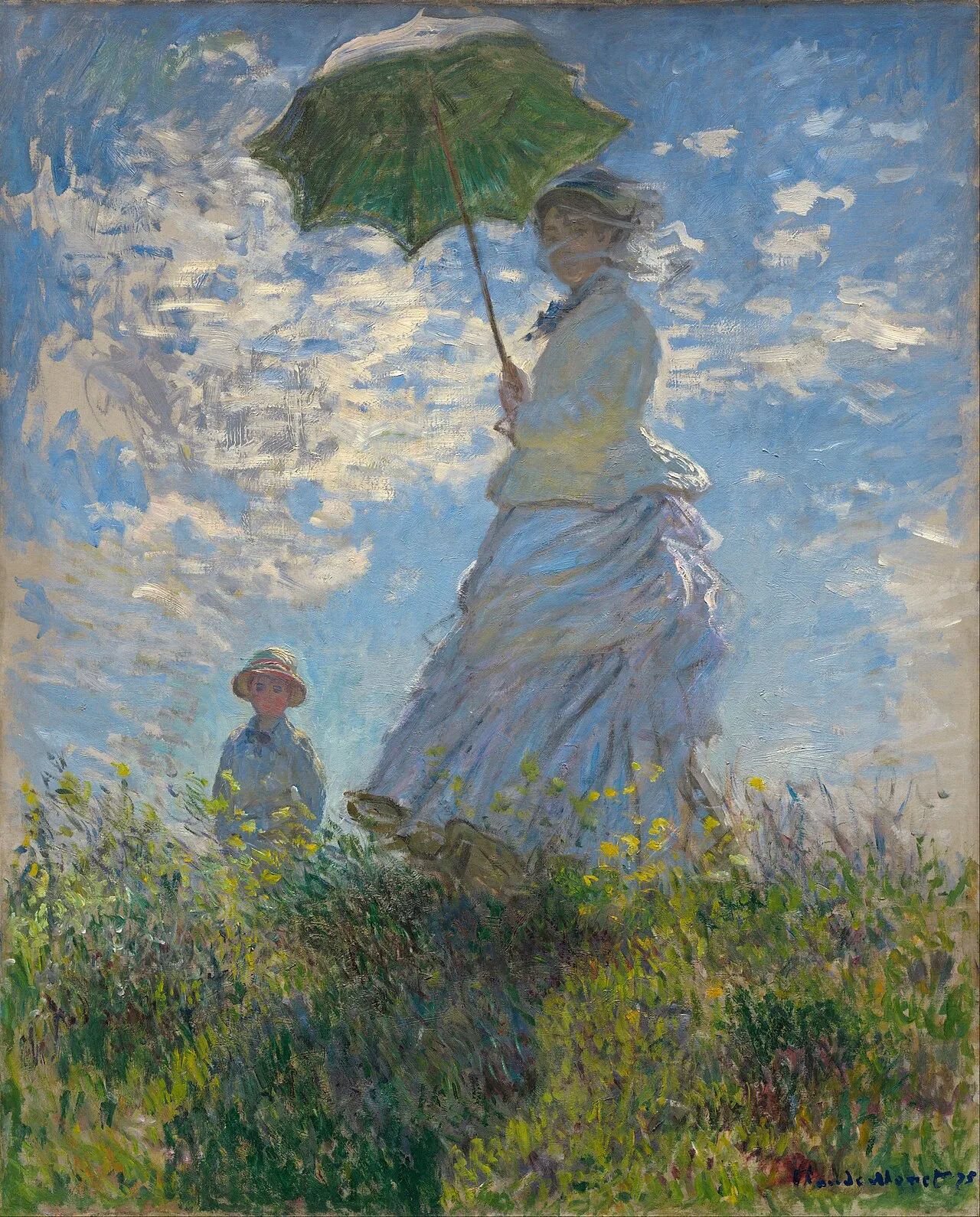
Impressionism
48 artworks
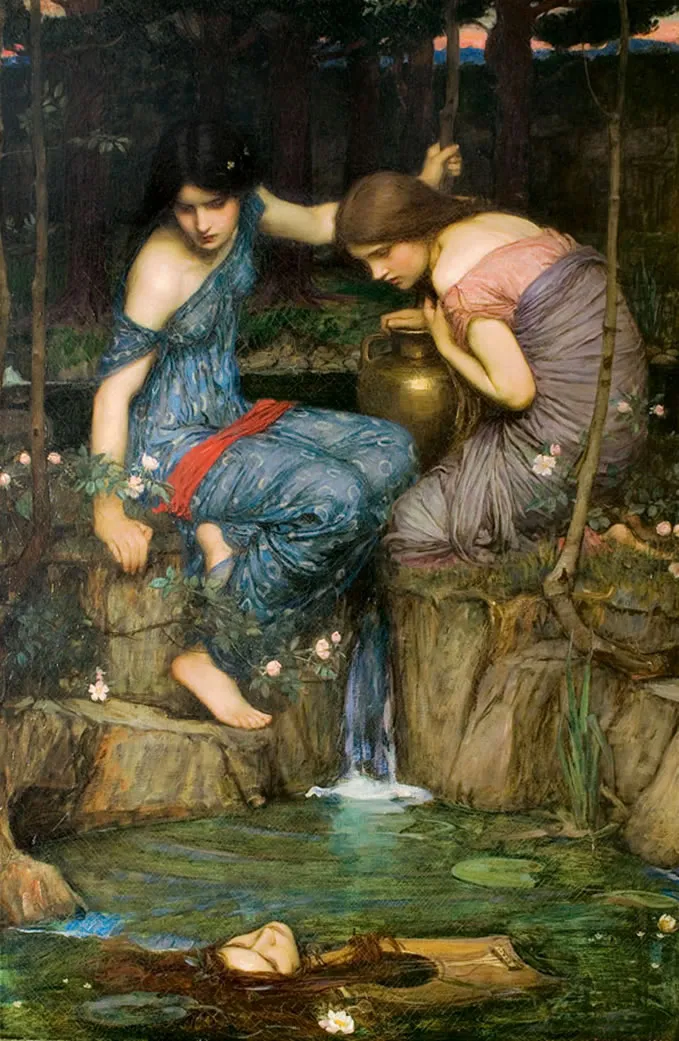
Late Pre-Raphaelite
10 artworks
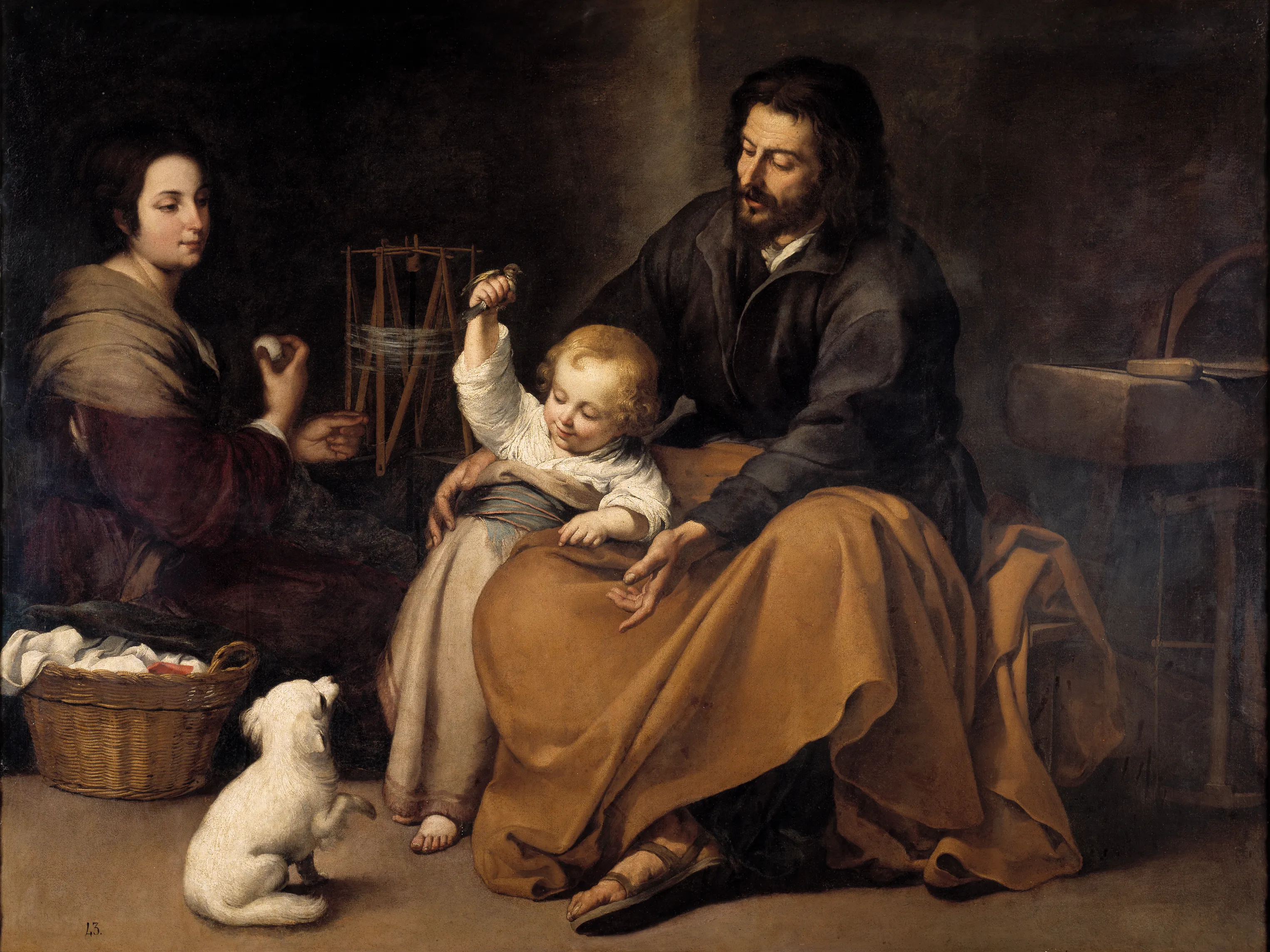
Baroque
2 artworks
American Impressionism
5 artworks
Realism
4 artworks
Pre-Raphaelite
3 artworks
Barbizon School
5 artworks
Academic art
5 artworks
Luminism
3 artworks
Rococo
2 artworks
Symbolism
22 artworks
Neo-Impressionism
3 artworks
Ukiyo-e
1 artworks
Japonism
4 artworks
Edo period
1 artworks
Fauvism
1 artworks
Naturalism
9 artworks
Russian Realism
1 artworks
Post-Impressionism
13 artworks
Genre painting
9 artworks
Neoclassicism
3 artworks
ウィーン分離派
7 artworks
自然主義
1 artworks
ナショナル・ロマンティシズム
1 artworks
未来派
1 artworks
More artists
If you find an error in this content, please let us know here
This site is protected by reCAPTCHA, and the Google Privacy Policy and Terms of Service apply.