A British historical genre painter who depicted medieval chivalric legends and 18th-century daily life with exacting realism, shaping the aesthetic sensibilities of the public through the wide circulation of print reproductions.
LifeLife and works
Born in London in 1852, Edmund Blair Leighton lost his artist father during childhood and entered commerce at the age of fifteen, working for a tea merchant. Saving for tuition while attending evening art classes, he earned admission in 1874 to the Royal Academy Schools, then the center of British art education. Having developed formidable draughtsmanship there, he exhibited the oil painting A Flaw in the Title in 1878. Depicting a psychological contest over documents set in an 18th-century law office, the work sold for 200 pounds—a sum far exceeding an average annual income at the time.
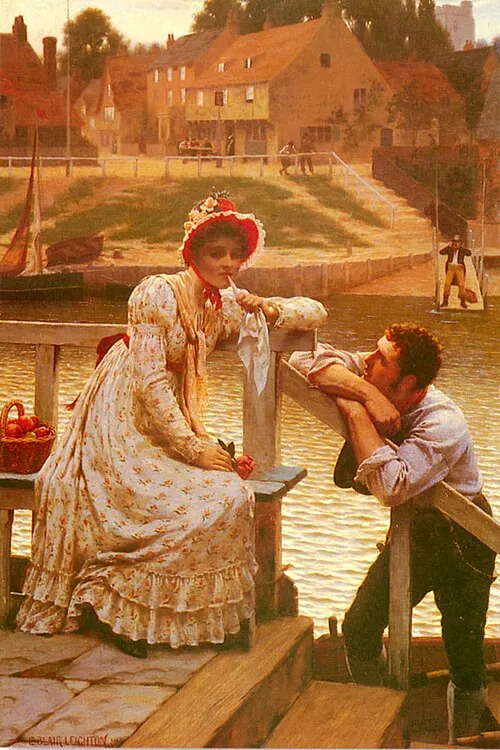
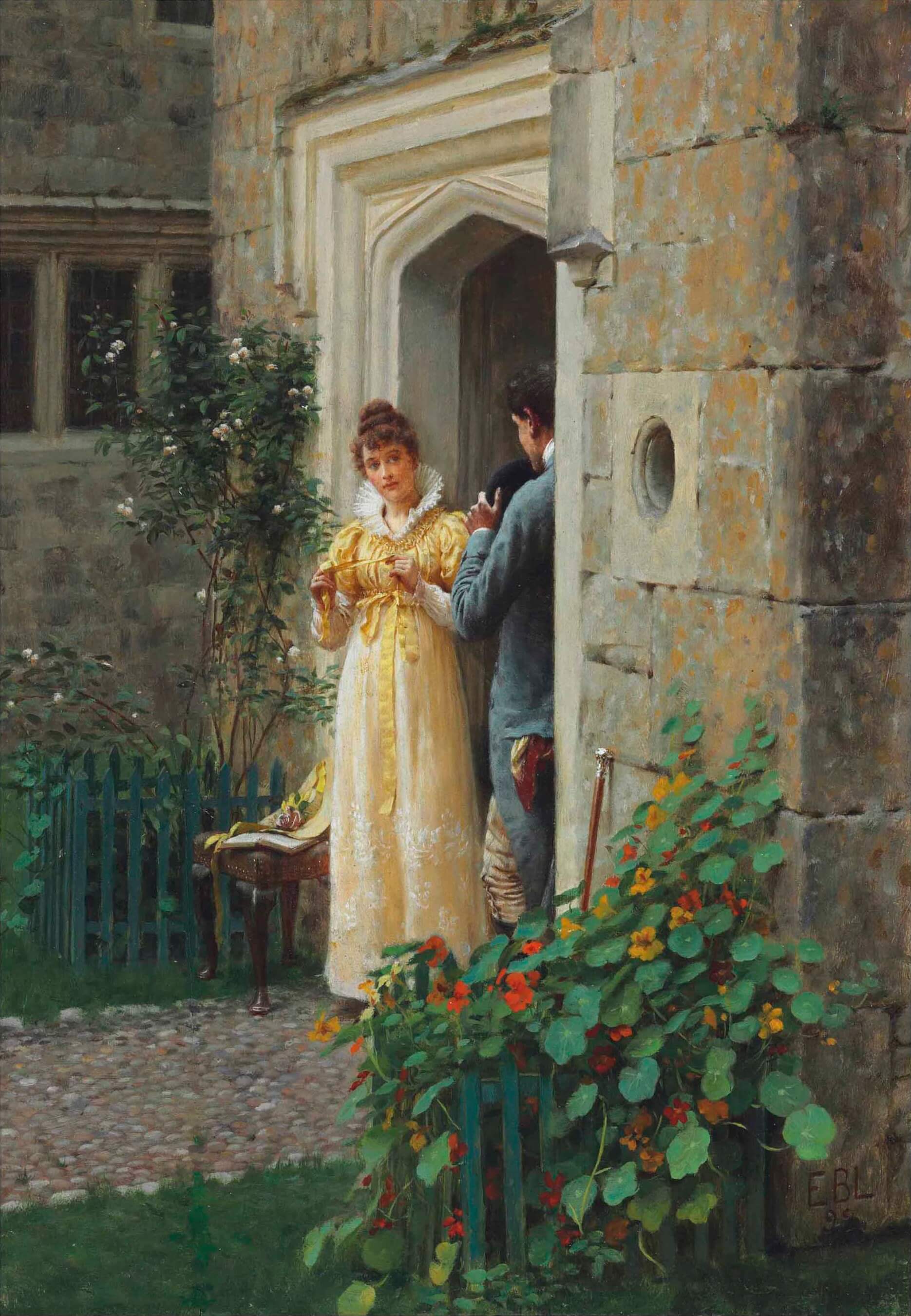
What he sought to capture on canvas was the fleeting moment of emotional connection between individuals divided by social conventions or physical boundaries. Consequently, he frequently employed compositions with foreground barriers such as arches and fences, placing the viewer as an outside observer. To recreate historical textures when suitable costumes could not be found on the market, his wife, Katherine, collaborated with a personal dressmaker to tailor period gowns from antique patterns. By sketching these on live models and later draping them over mannequins while painting, he achieved an exact rendering of fabric folds, weight, and the play of light.
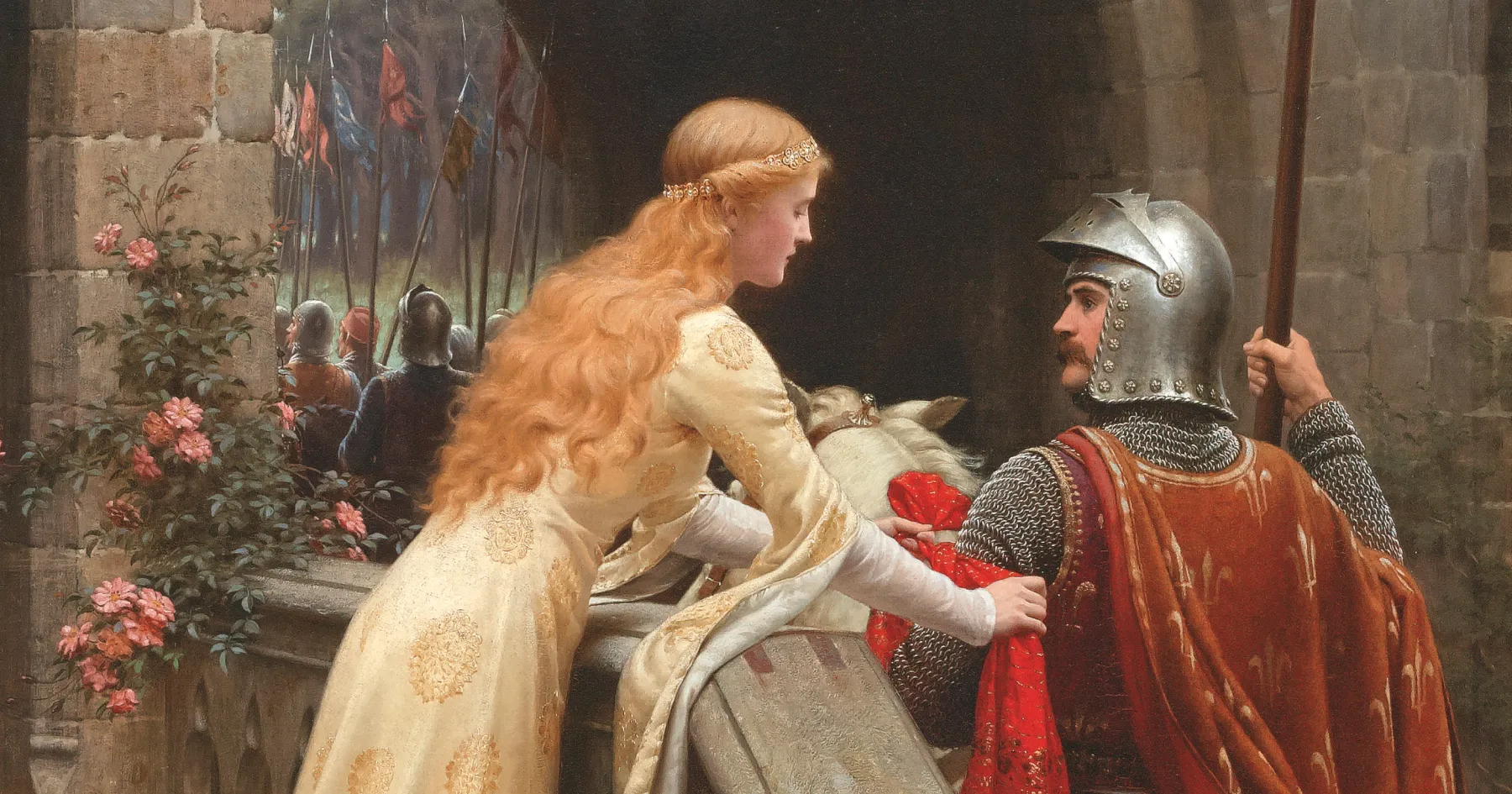
Around the time he moved to the artist colony of Bedford Park in west London in 1889, his focus shifted toward medieval romance, inspired by the widespread popularity of Alfred Tennyson's poetic retellings of the Arthurian legends. In works such as God Speed (1900) and The Accolade (1901), he depicted knights departing for battle and a queen bestowing knighthood with remarkable tactility, capturing the gleam of metal and intricate silk embroidery. International distribution rights for these paintings were sold as photogravures and other reproductions, finding their way into millions of ordinary households across the English-speaking world, including the United States and Australia.
Despite achieving widespread popularity and financial success, he was never granted membership in the Royal Academy. The jurors of the era regarded his works as commercial genre painting, keeping him outside the institutional establishment. In his later years, his style returned to quiet scenes of everyday life set in the costumes of the 18th and early 19th centuries. The gardens of Kirby Green, his rented summer retreat in Norfolk, and the waters of the nearby River Waveney were directly incorporated as plein-air settings in works such as The Fate of the Rose (1921).
Following his death in 1922, the rise of modernism led to his paintings being removed from public gallery walls, and he faded from art history textbooks. In the 21st century, however, he has undergone a major reappraisal as a master of figurative art, notably through the compilation of a catalogue raisonné by the Art Renewal Center. The tactile realism he established in his visual depictions of chivalry continues to live on as an essential inspiration for the costume and set design of modern high-fantasy cinema.

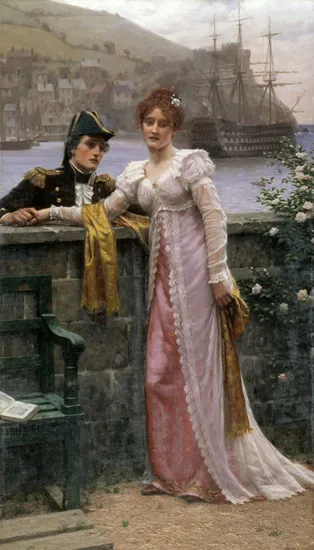
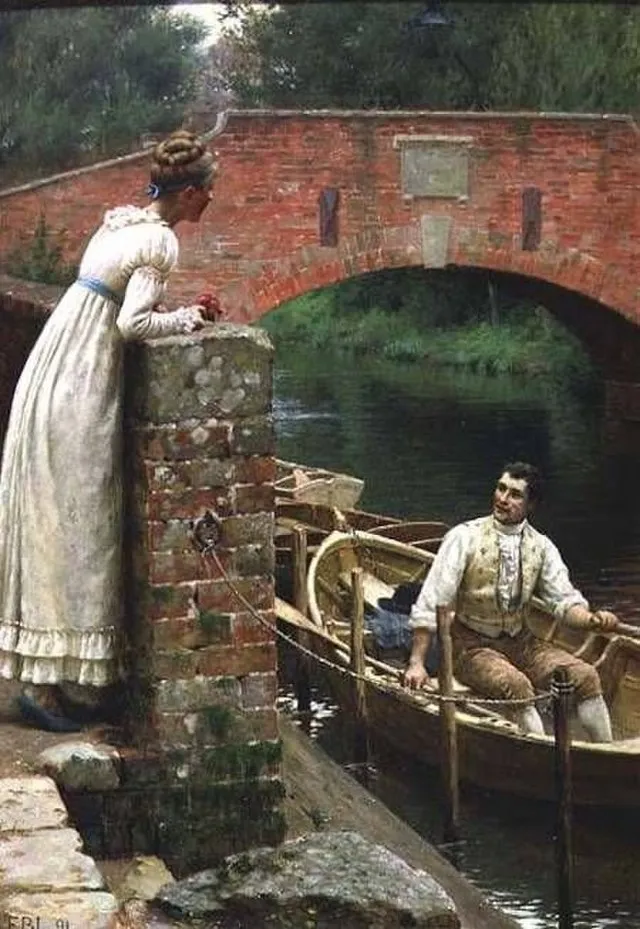
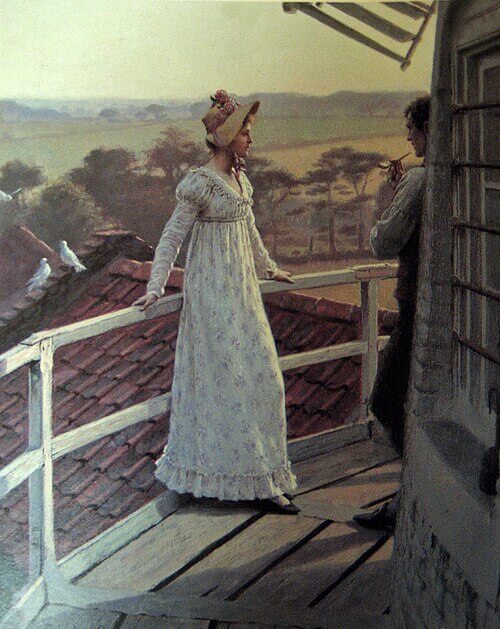

Works Works
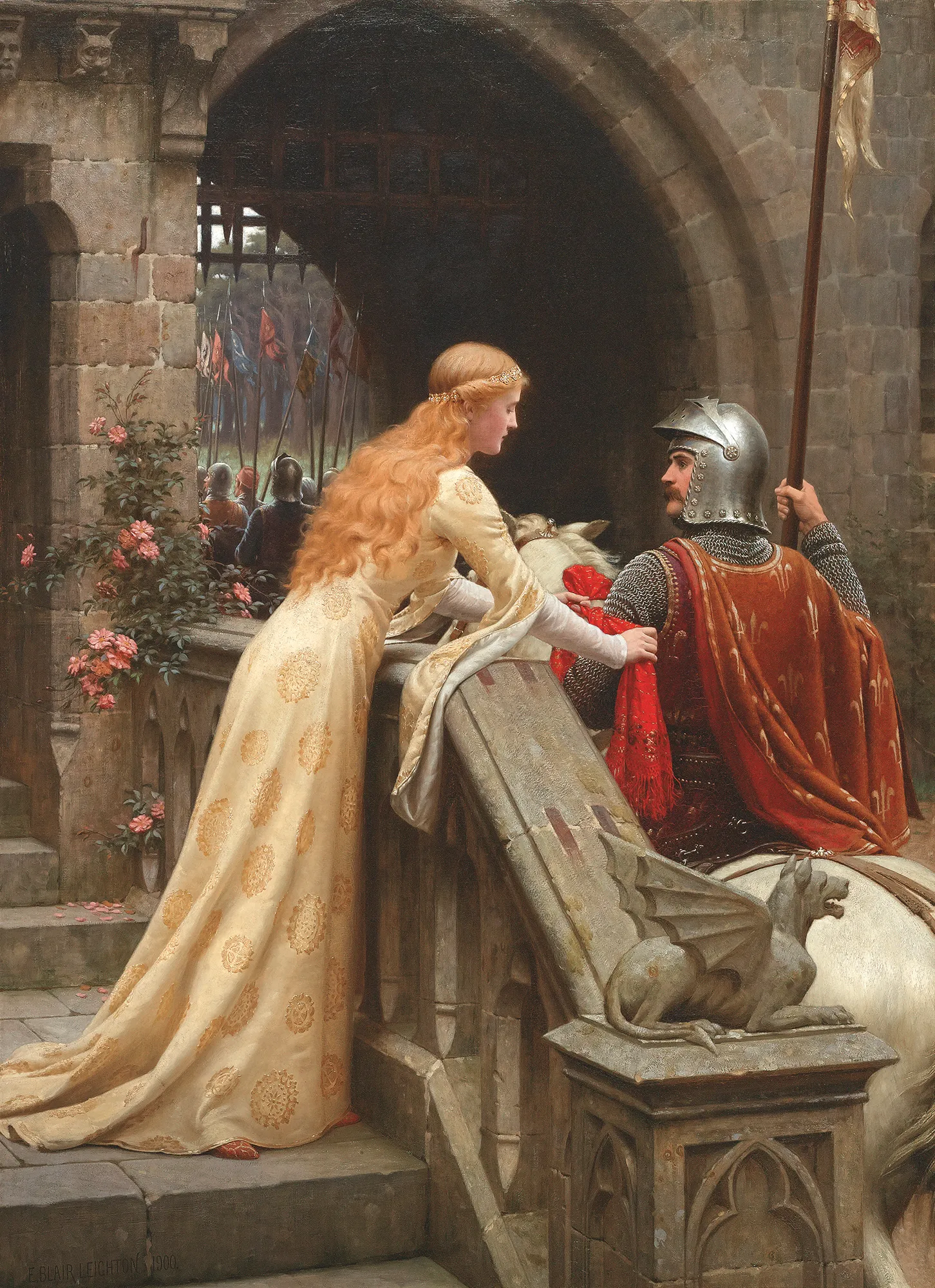
God Speed! (A Prayer for Safety)
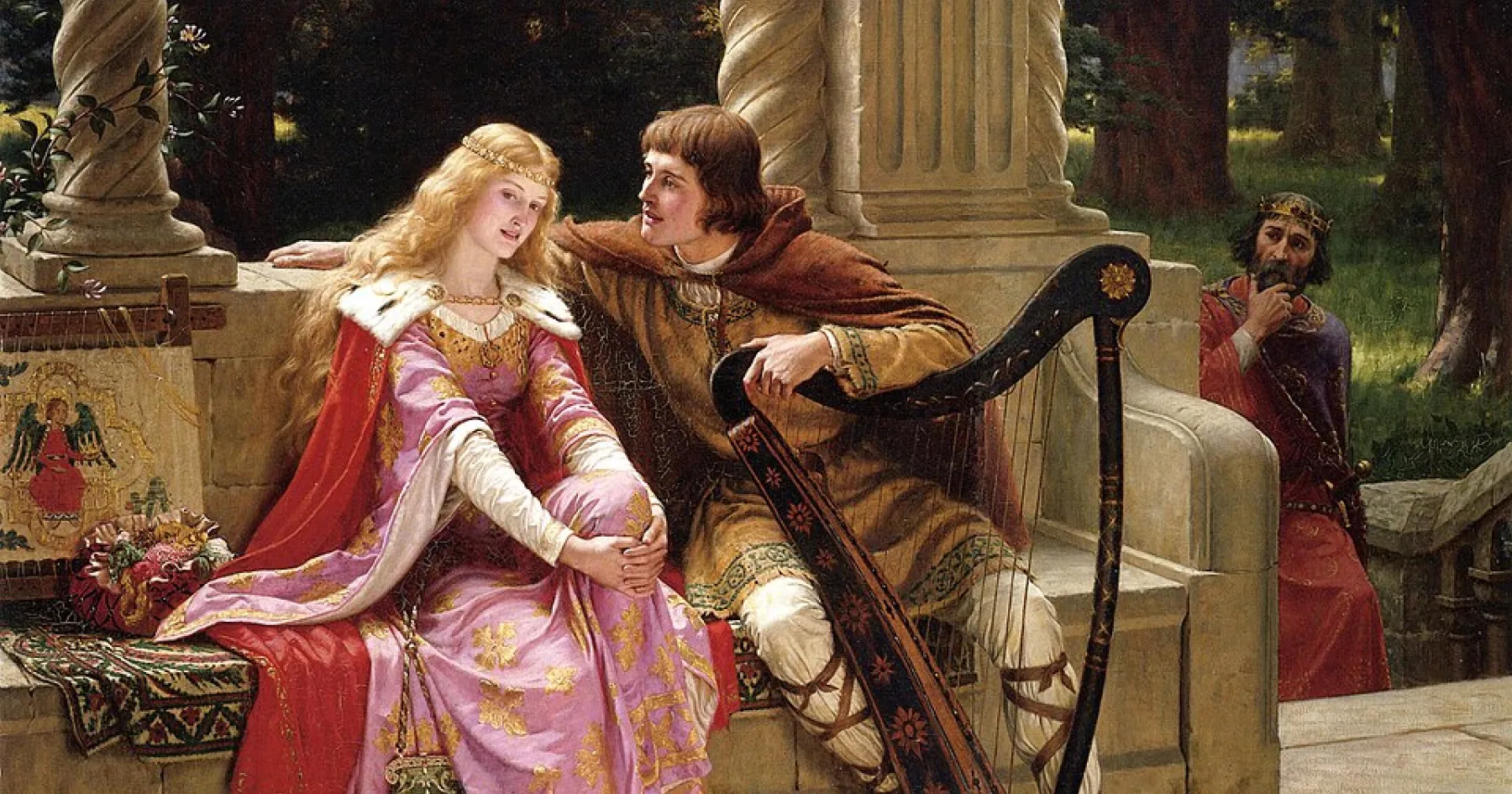
The End of the Song
 Premium
The Request
 Premium
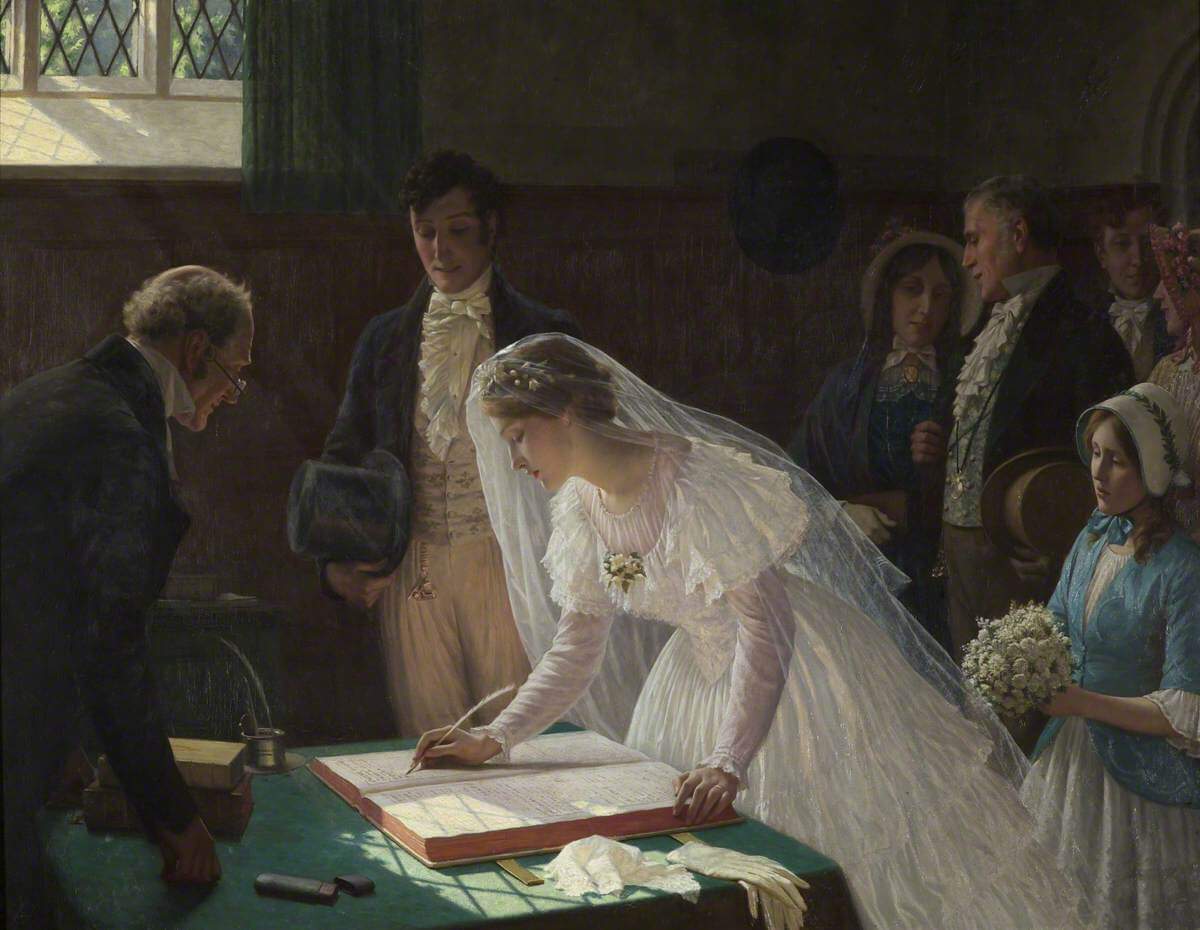
The Wedding Register
Stories Featured stories

Premium Classical periodPoignancyParting
Echoing Across Two Centuries: 'Moments We Wish Could Last Forever' - Moonlight Sonata
Premium PassionRomanticismFriendship
Mendelssohn's Violin Concerto: A Six-Year Gift, Delivered at Life's End
Premium
'The Time We Have to Love Is Not Long: The Love Prophecy Left by the Magician' Liszt's 'Liebesträume No. 3'
Premium LoveVowEmotionLate Romanticism