The Tower of Babel

1563

Pre-Baroque

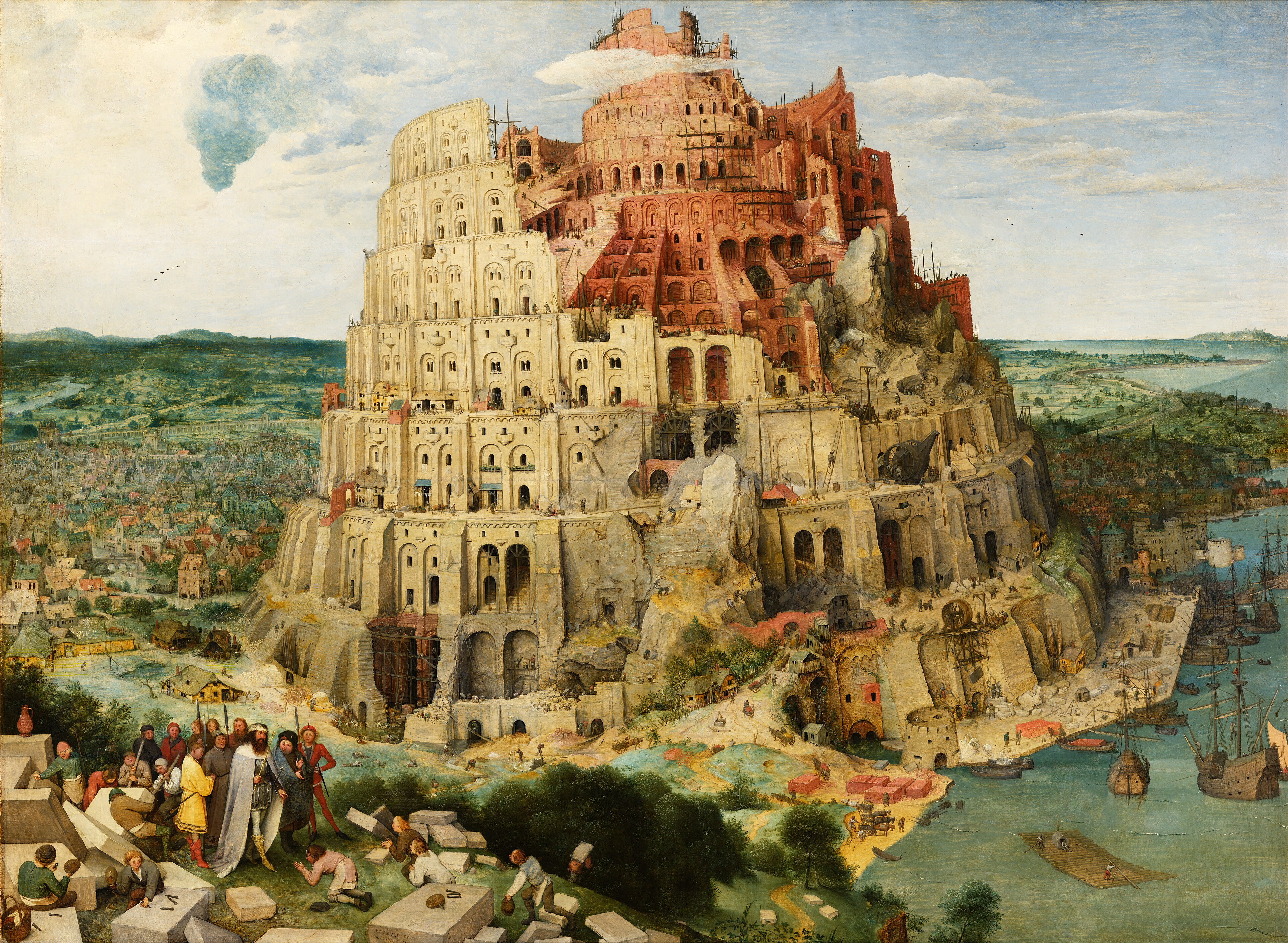
Pieter Bruegel the Elder, "The Tower of Babel", c. 1563 | Oil on panel, 114 × 155 cm | Kunsthistorisches Museum, Vienna

"The Tower of Babel" is a work inspired by the legendary tower that appears in the Book of Genesis in the Old Testament.
It tells the story of how God, angered by humans attempting to build a tower reaching to heaven to approach Him, scattered them across the world by confusing their languages.

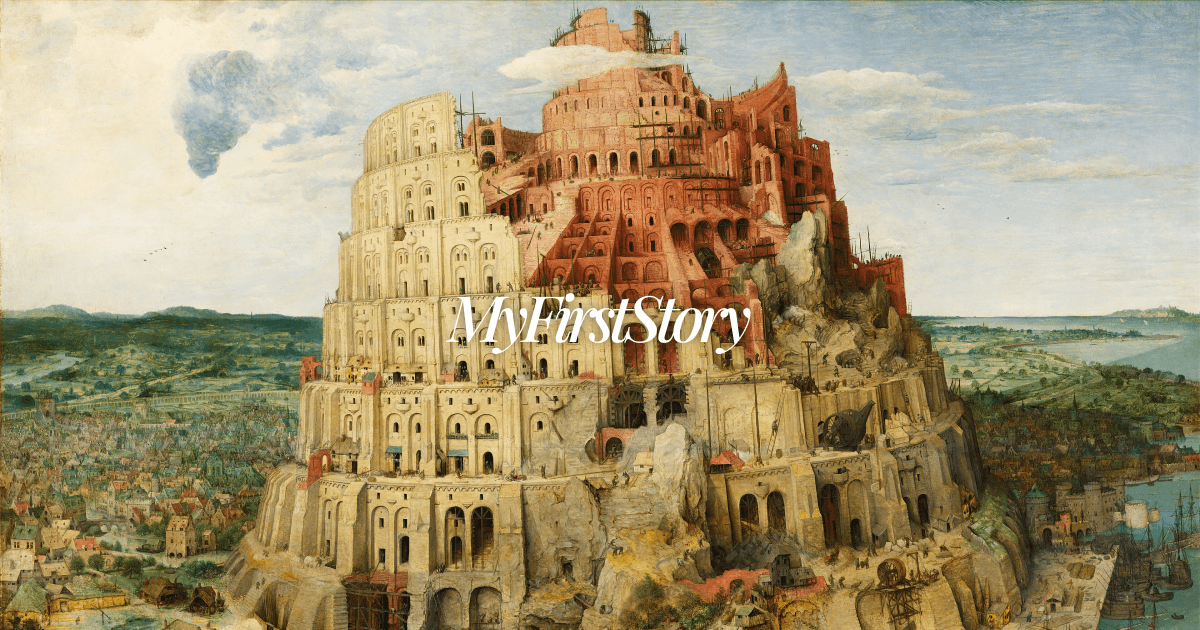
What Bruegel depicted was precisely the midst of its construction. The colossal, spiraling tower appears to have already reached above the clouds.

However, the tower is somewhat distorted and far from completion. Countless people are depicted in every corner of the canvas, carrying stones, erecting scaffolding, and engrossed in their respective tasks.

Bruegel painted this subject multiple times; the extant versions are known as "The Tower of Babel" (Vienna version) and "The Little Tower of Babel" (Rotterdam version).
At that time, the Netherlands (the area around present-day Belgium and the Netherlands) flourished as a center of commerce and culture, and it was an era when numerous colossal structures were being built one after another.

It is said that this painting conveys both a warning against human arrogance and a respect for the act of creation.

---

When I stood before this painting in the museum, the single word I felt was 'overwhelming'.

The sight of humans continuing to build, piling stone upon stone, towards a tower whose completion is uncertain.

The recklessness of attempting to reach God, and the pure impulse residing within that endeavor.

In some way, it seemed to overlap with the act of continuing to pursue music or art.

If you find an error in this content, please let us know here

Your Note

Write down what this painting made you feel in your art notebook.

Please sign up to write notes.

Sign up for free

Music and art
are waiting for you.

Broaden your own world through the stories of art.
We will notify you by email when new articles are published.

Sign up free to read