The Fading Summer Heat and the Sounds of the Mediterranean
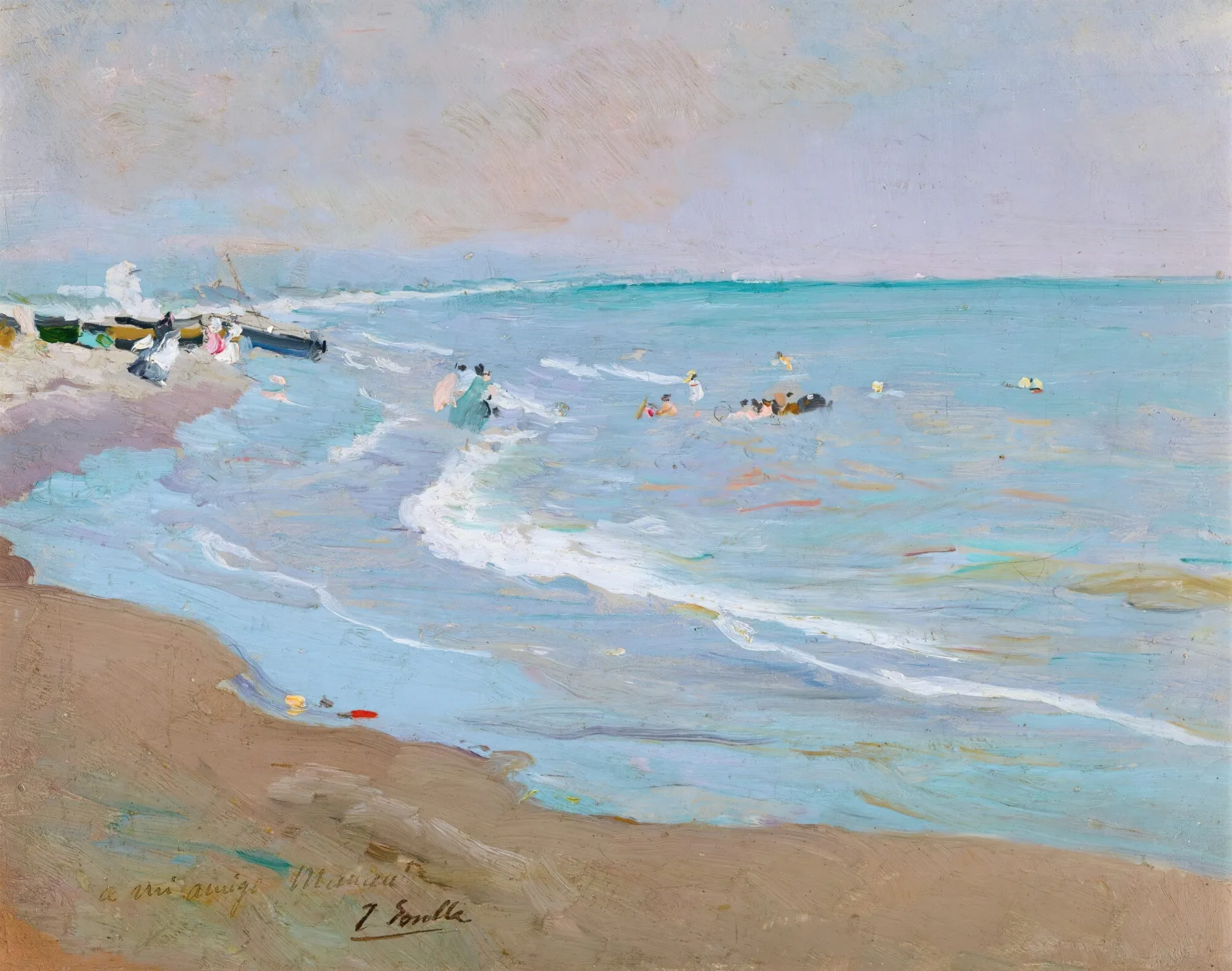
As the morning and evening breezes begin to carry a whisper of autumn, the once-fierce summer sun gradually recedes.
Yet, closing one's eyes, the prickling heat against the skin and the dazzling light dancing across the water resurface as cherished memories.
Listening to "El Puerto," the second movement of the piano suite Iberia by his Spanish contemporary Isaac Albéniz, one feels the very breath of that Mediterranean sea breeze and sunlight drifting through the music.
Its buoyant rhythms and luminous harmonies transport us in an instant to the sun-drenched waterside.
A Dazzling Light Spilling from the Canvas
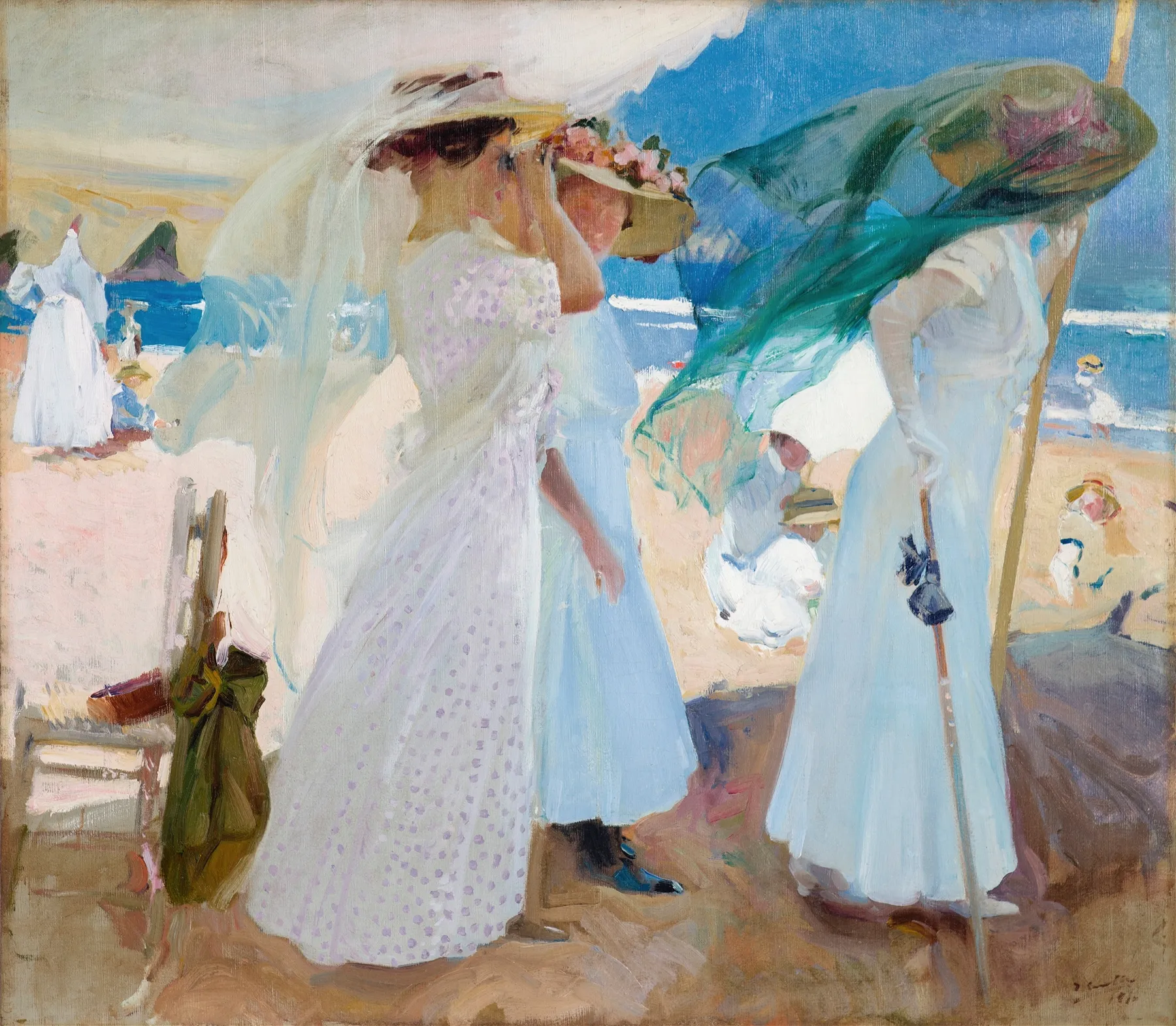
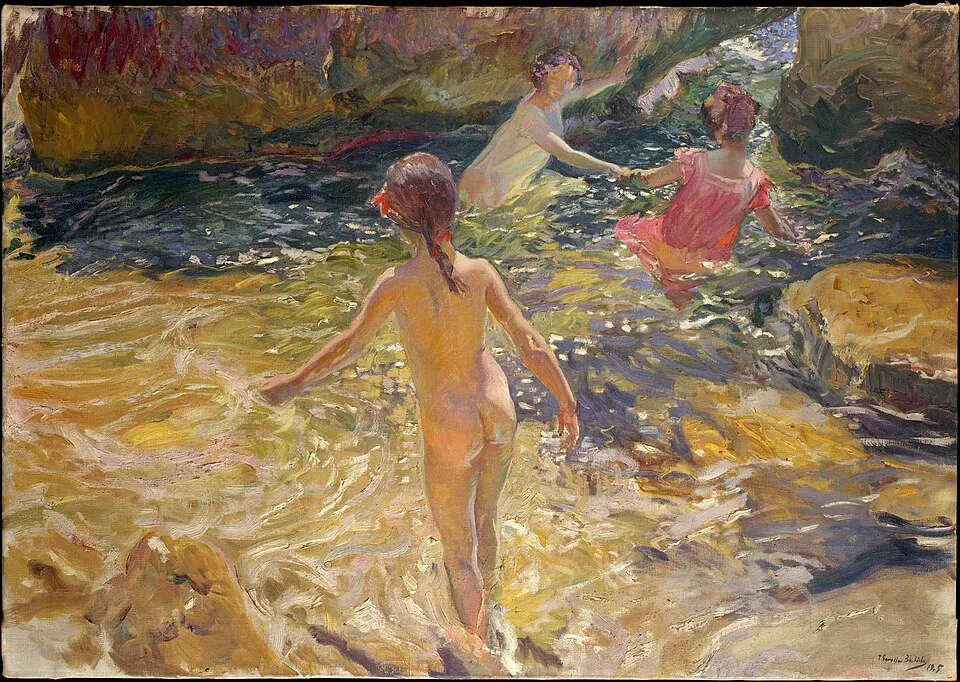
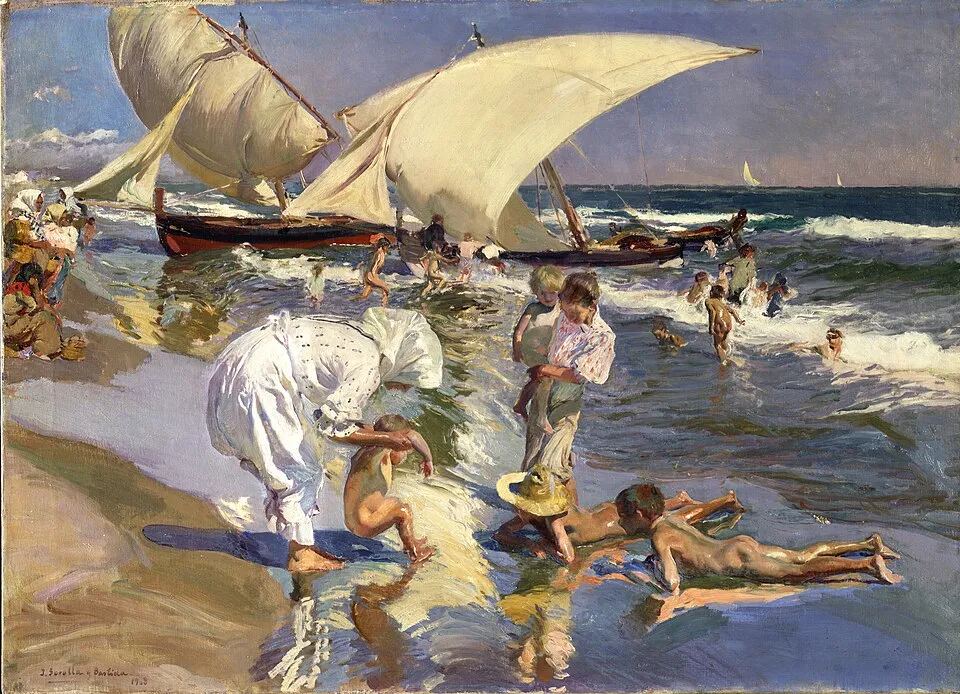
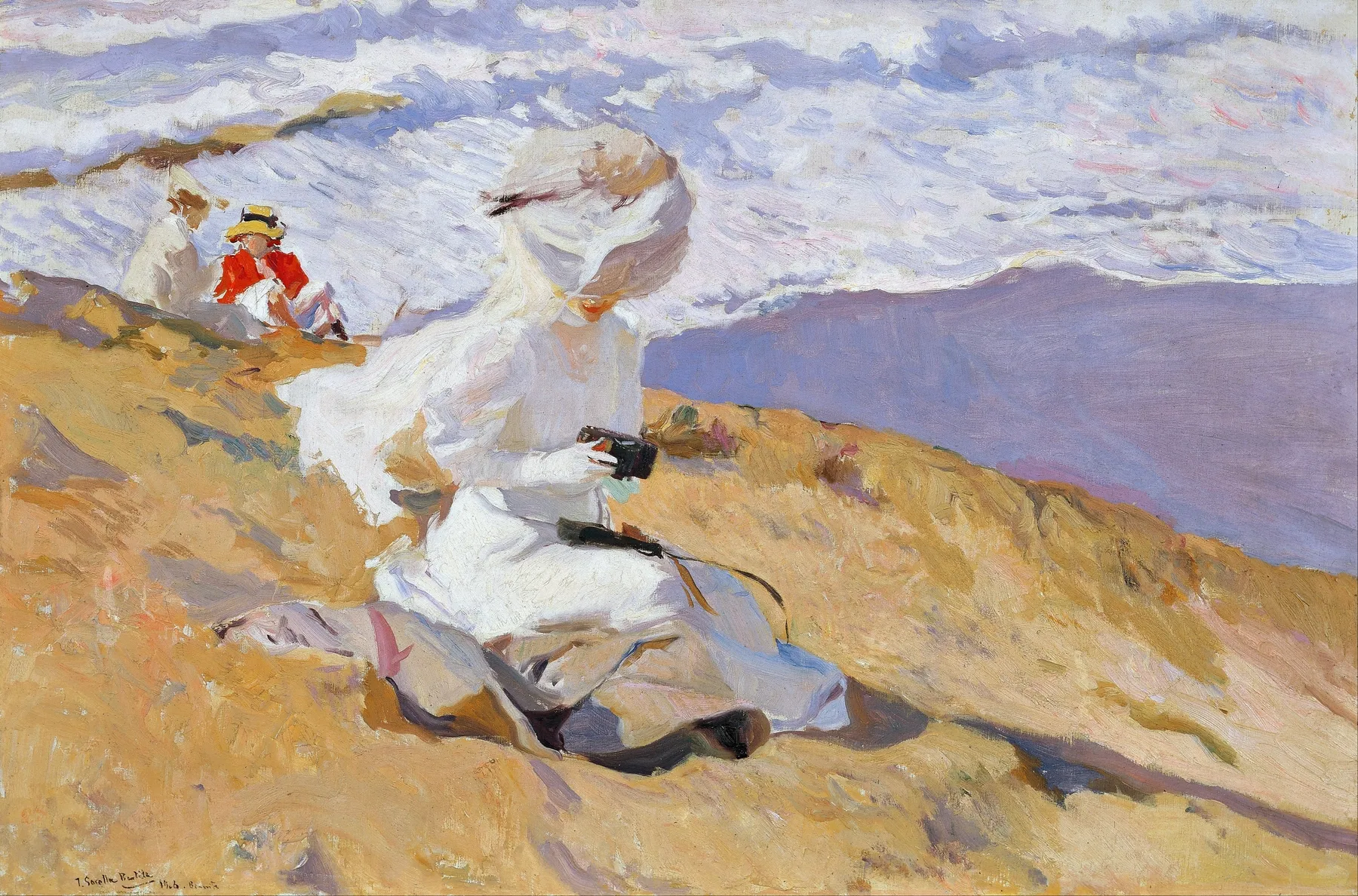
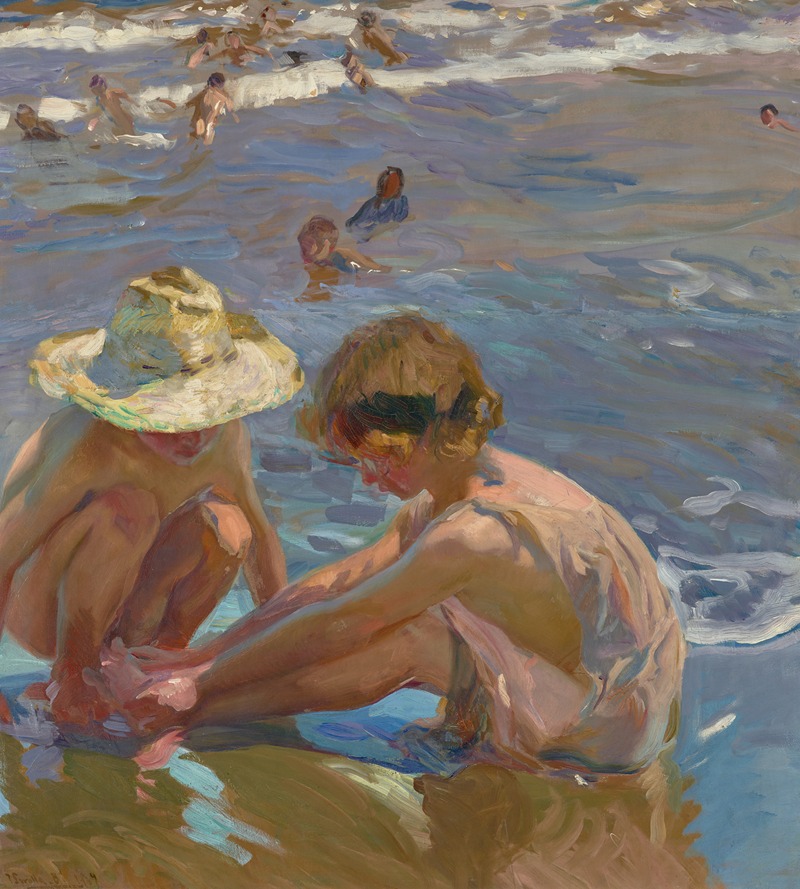
One experiences a similar sensation standing before the seaside paintings of Spanish master Joaquín Sorolla (1863–1923).
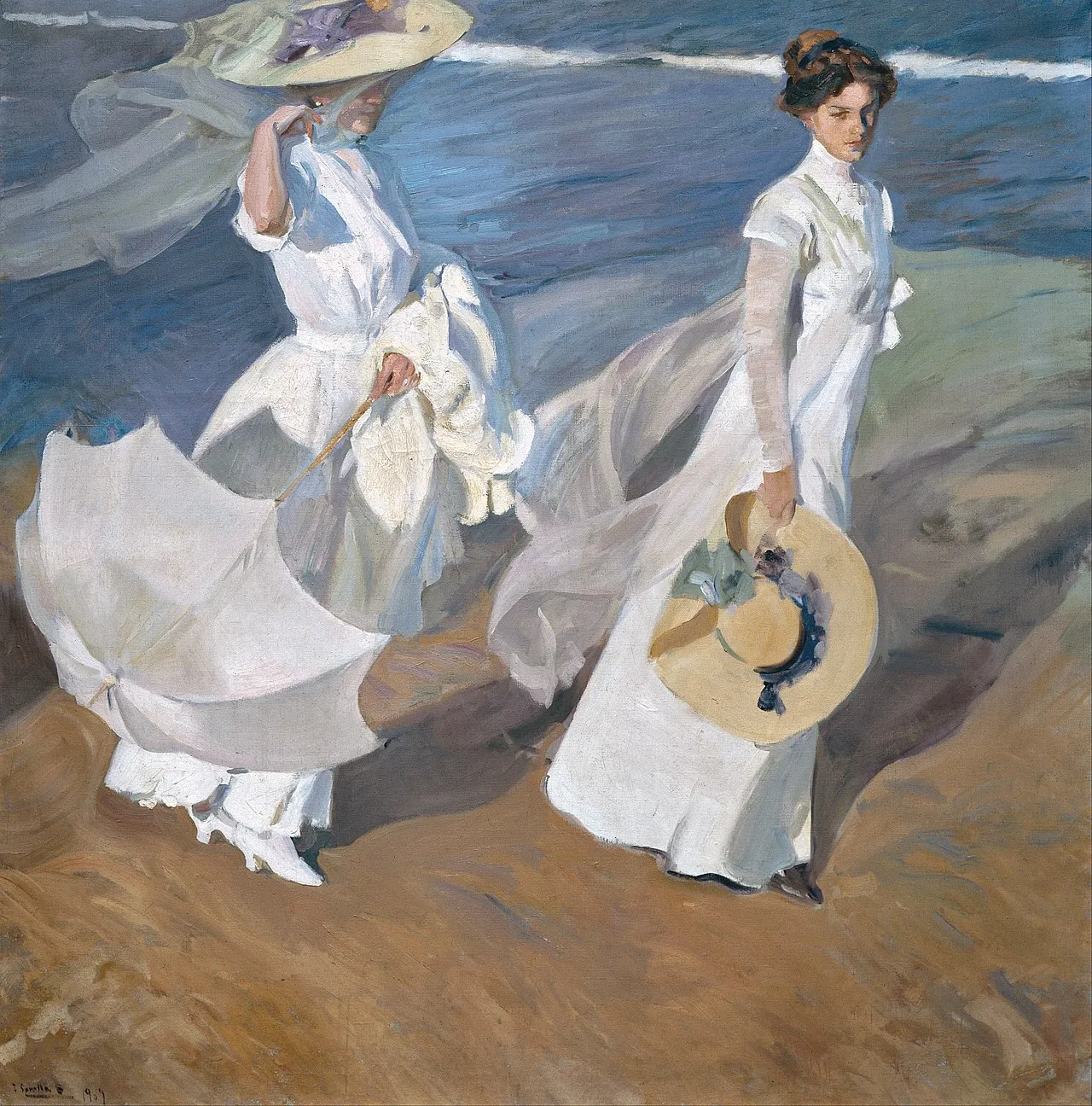
An overwhelming brilliance floods the entire canvas.
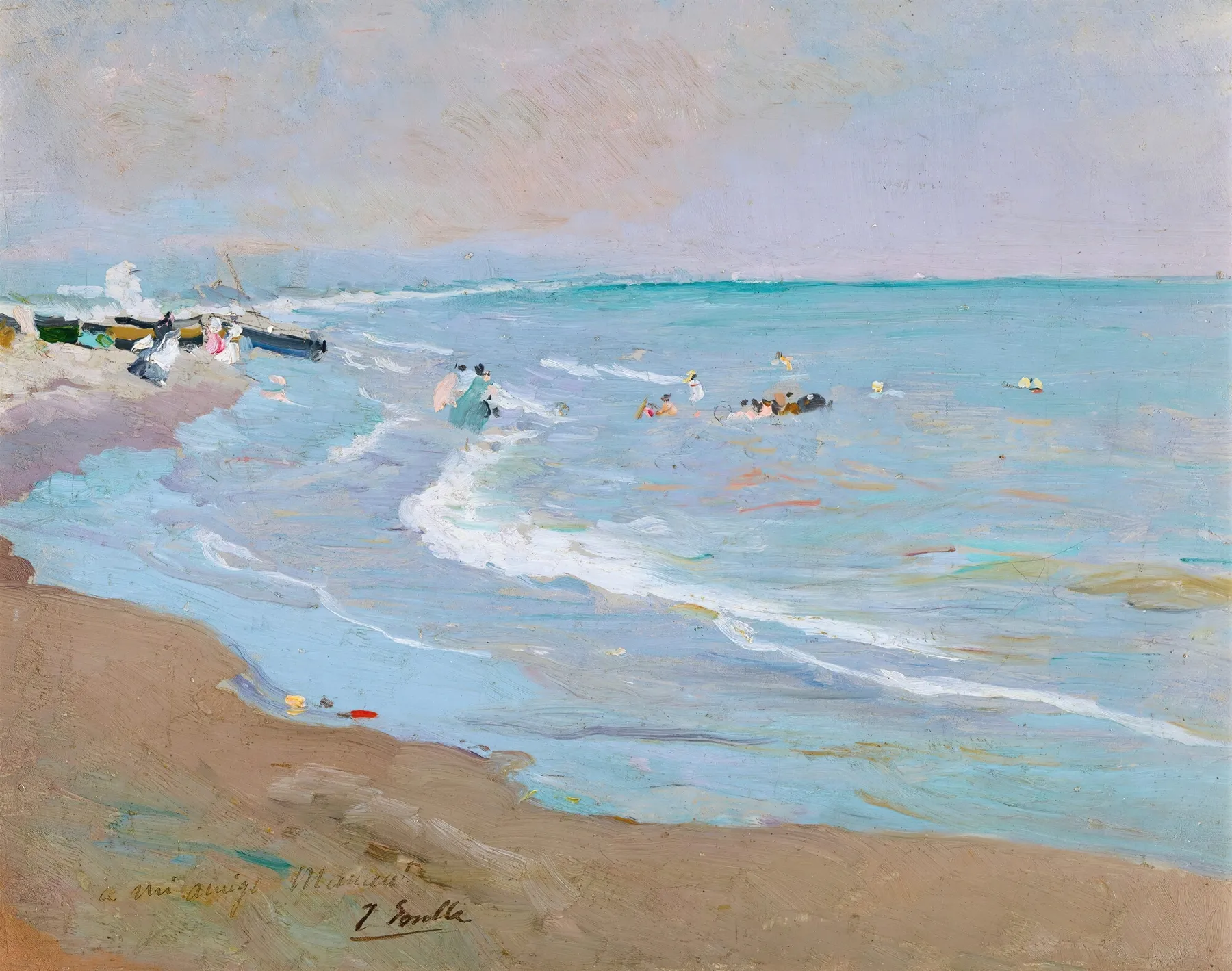
Wet sands, garments fluttering in the breeze, and children splashing playfully in the waves.
The radiance emanating from his canvases awakens the "summer" resting deep within the viewer's memory.
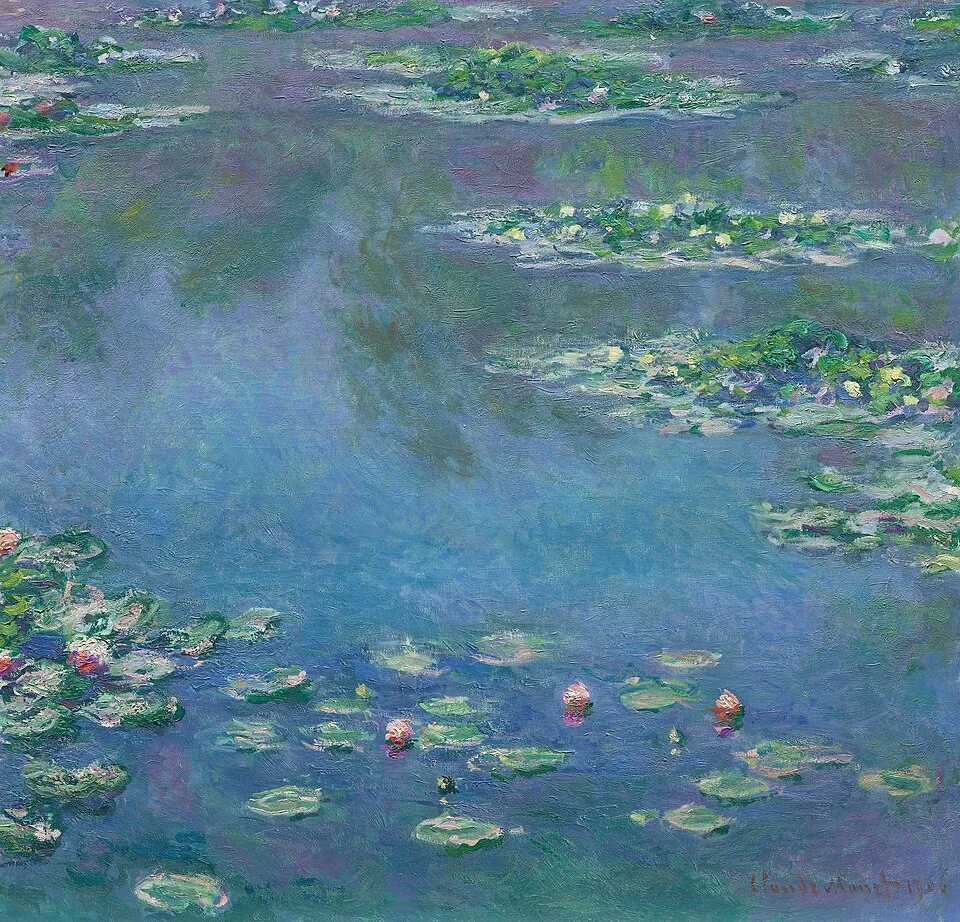
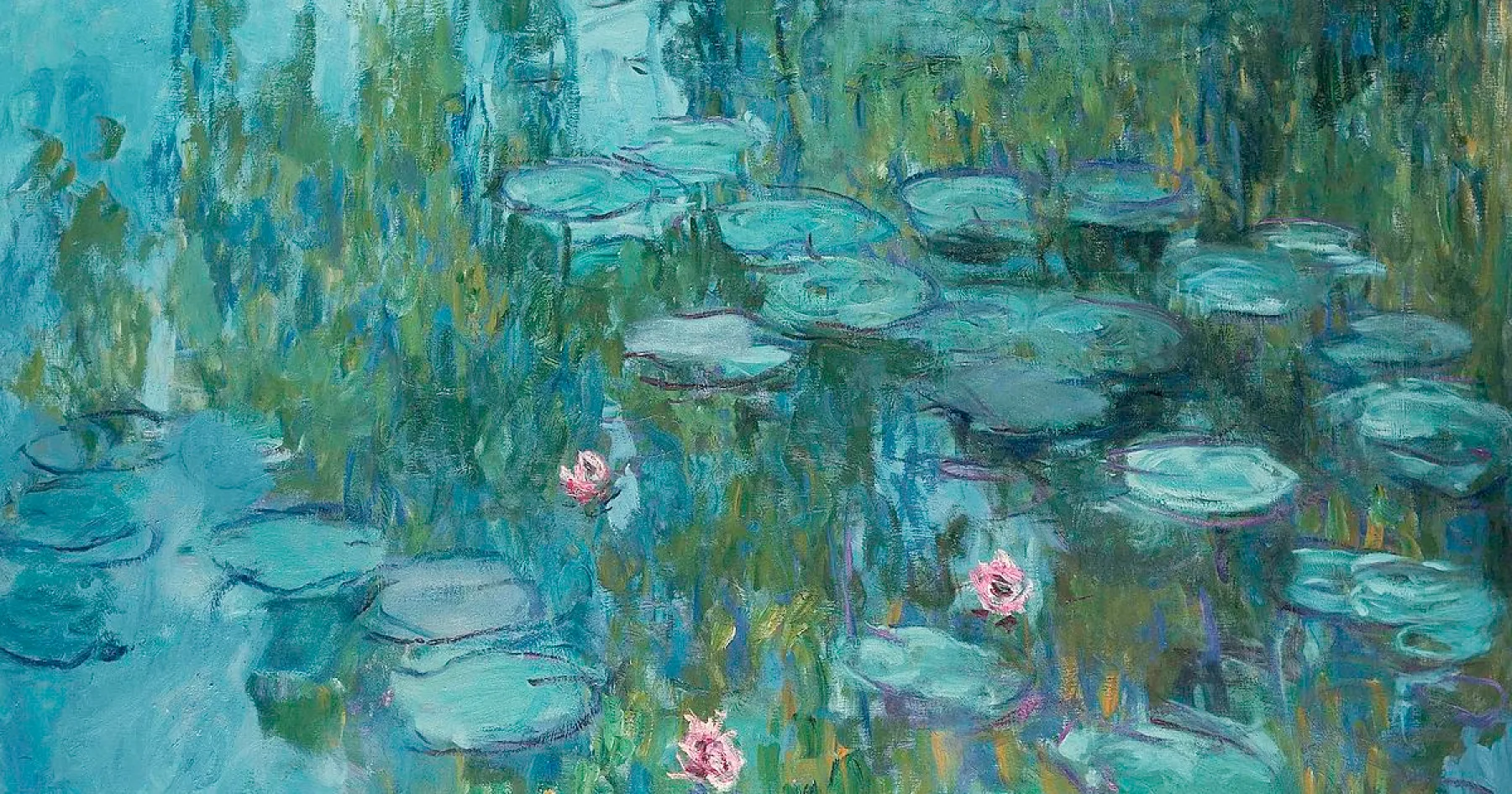
"The Spanish genius to discover after Monet—a master of light even beyond the Impressionists."
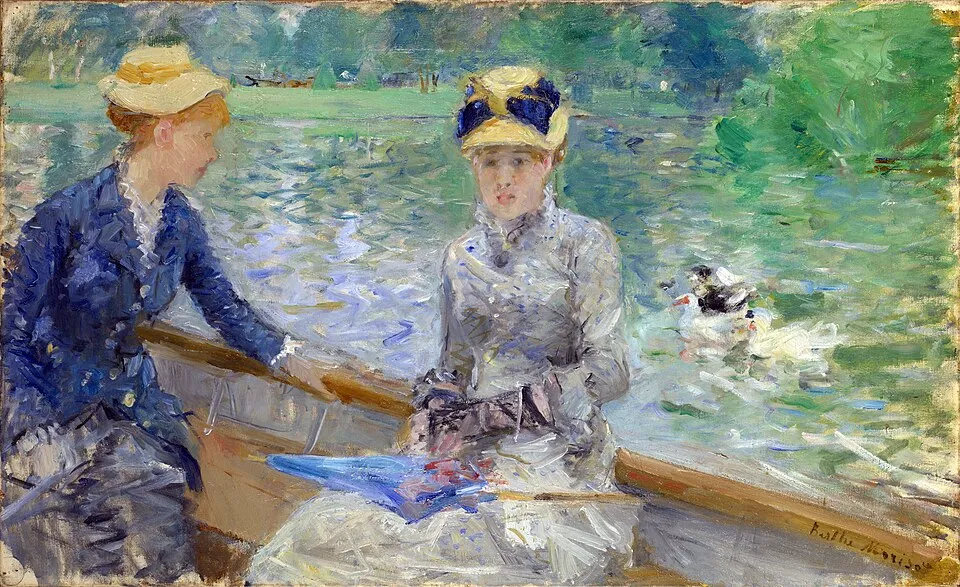
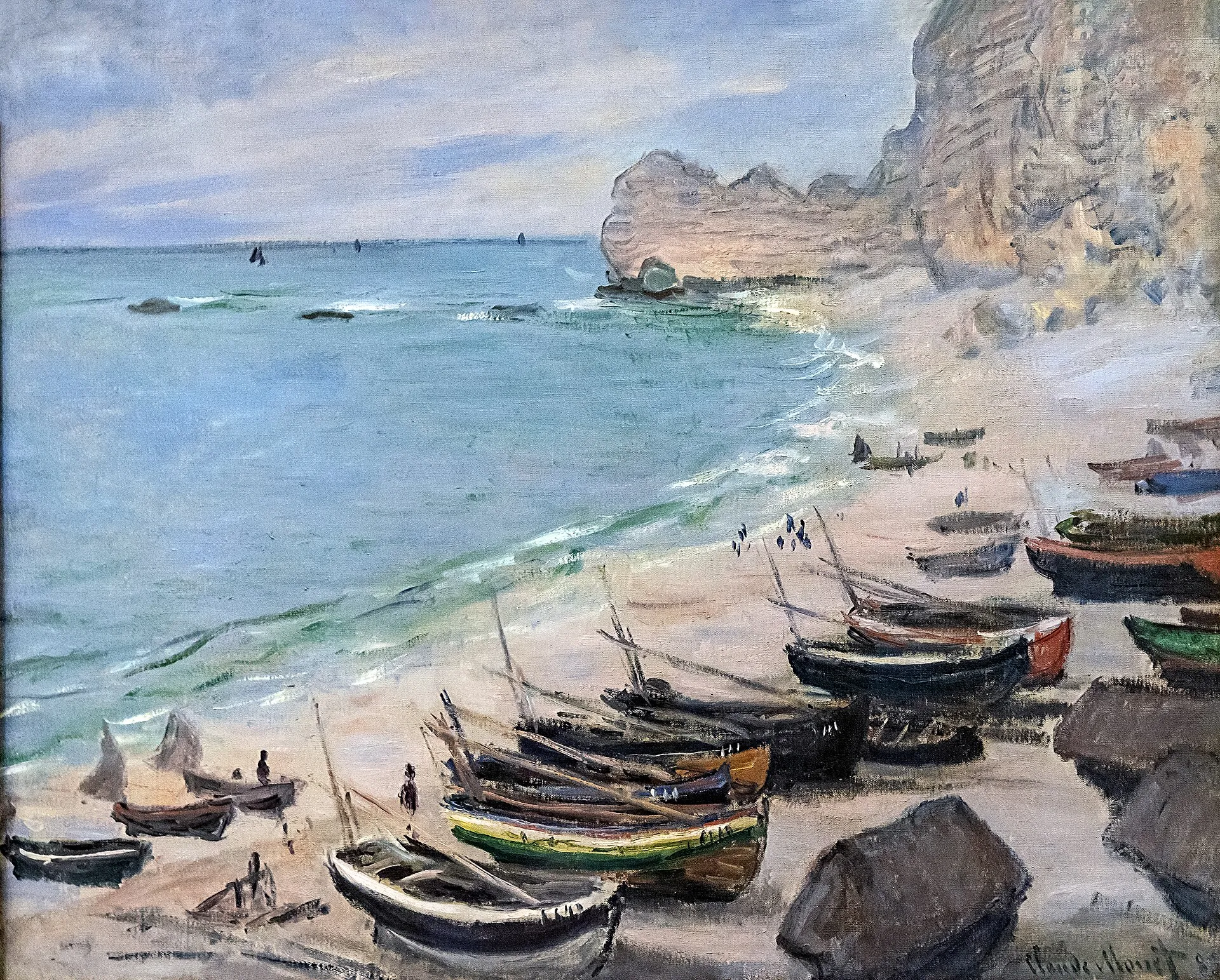
Though often celebrated in such words, the light Sorolla captured was fundamentally different from that depicted by the French Impressionists.
If Monet and his circle perceived light as visual particles of color, how exactly did Sorolla manage to seal these radiant memories of summer onto his canvases?
An Artist’s Journey Begun in Darkness
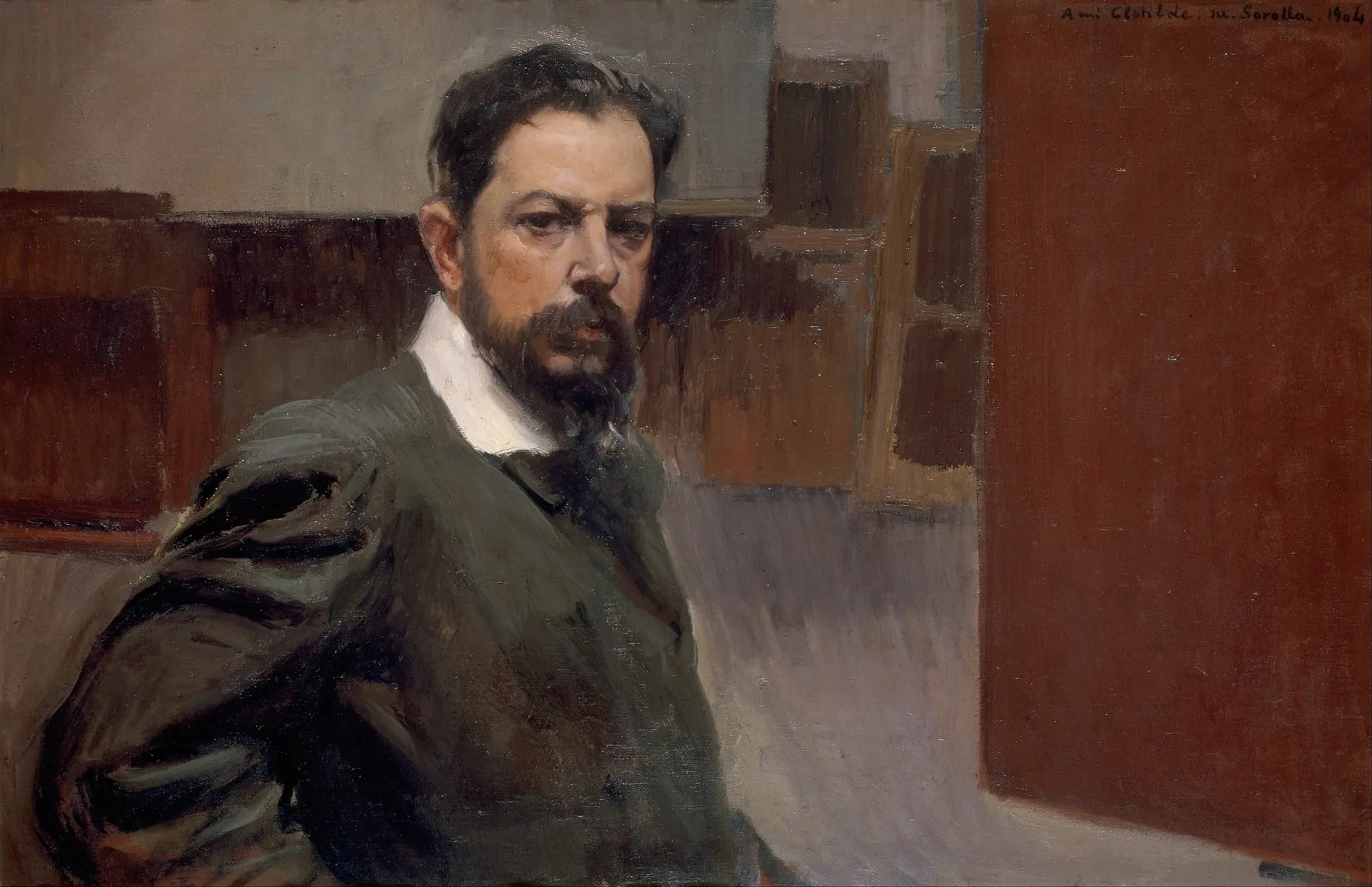
At first glance, the world Sorolla depicts appears to be the very embodiment of light and joy.
Yet the starting point of his art lay in a darkness that was the complete antithesis of light.
Born in Valencia in 1863 to a tradesman's family, Sorolla lost both of his parents to a cholera epidemic when he was just two years old.
Orphaned, he was taken in by his uncle, a locksmith, and spent his boyhood filling the margins of his schoolbooks with drawings.
Eventually, his talent earned him admission to art school, leading him to the Prado Museum in Madrid, where he immersed himself in the works of Diego Velázquez and other masters of Spanish painting.
When Sorolla gained international acclaim in his thirties, it was not for radiant seaside vistas, but for Social Realist canvases confronting the grave shadows of society.
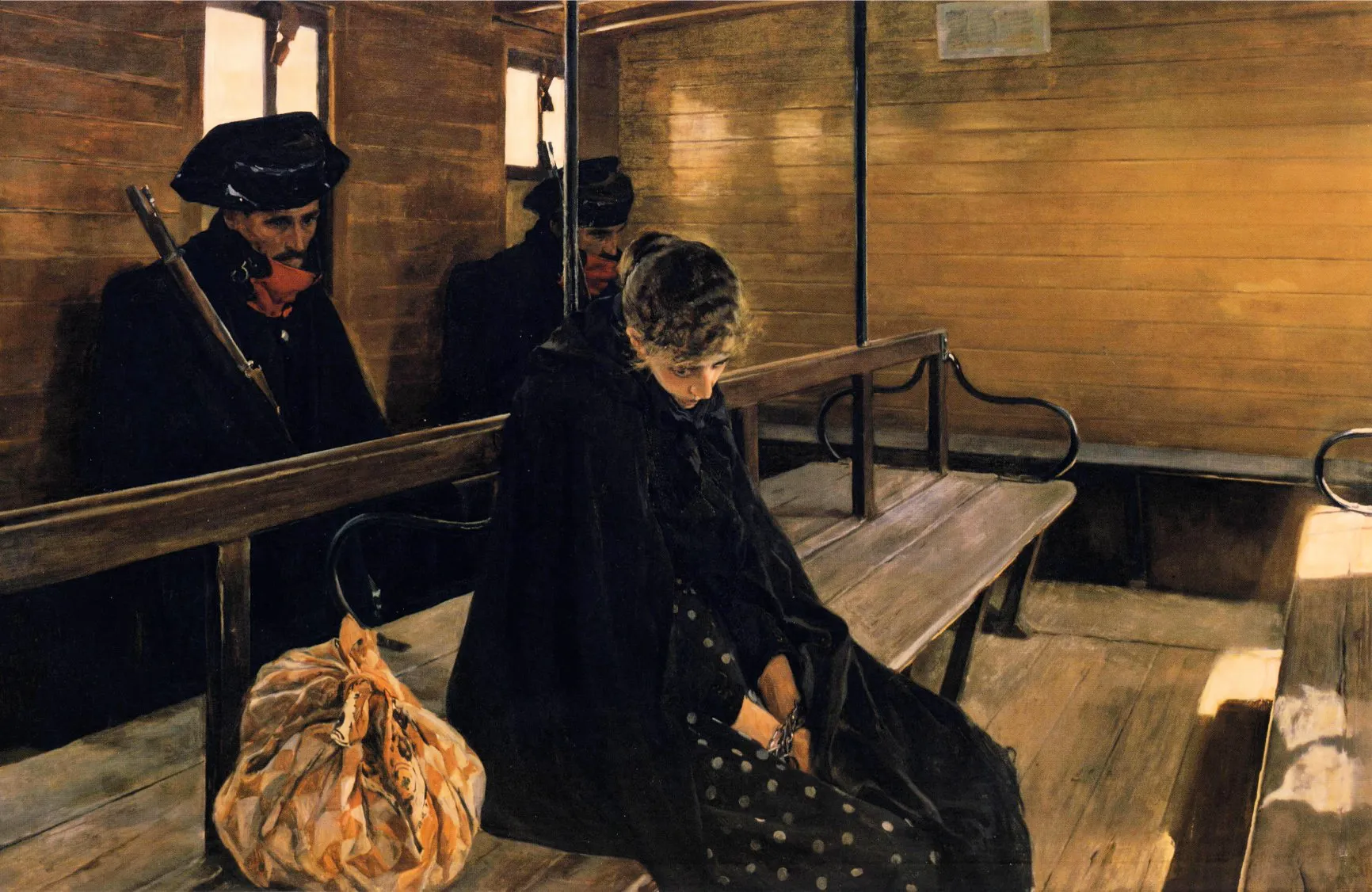
Another Marguerite! (1892), depicting a handcuffed woman accused of infanticide, and Sad Inheritance! (1899), showing sick and disabled children entering the sea accompanied by a monk—
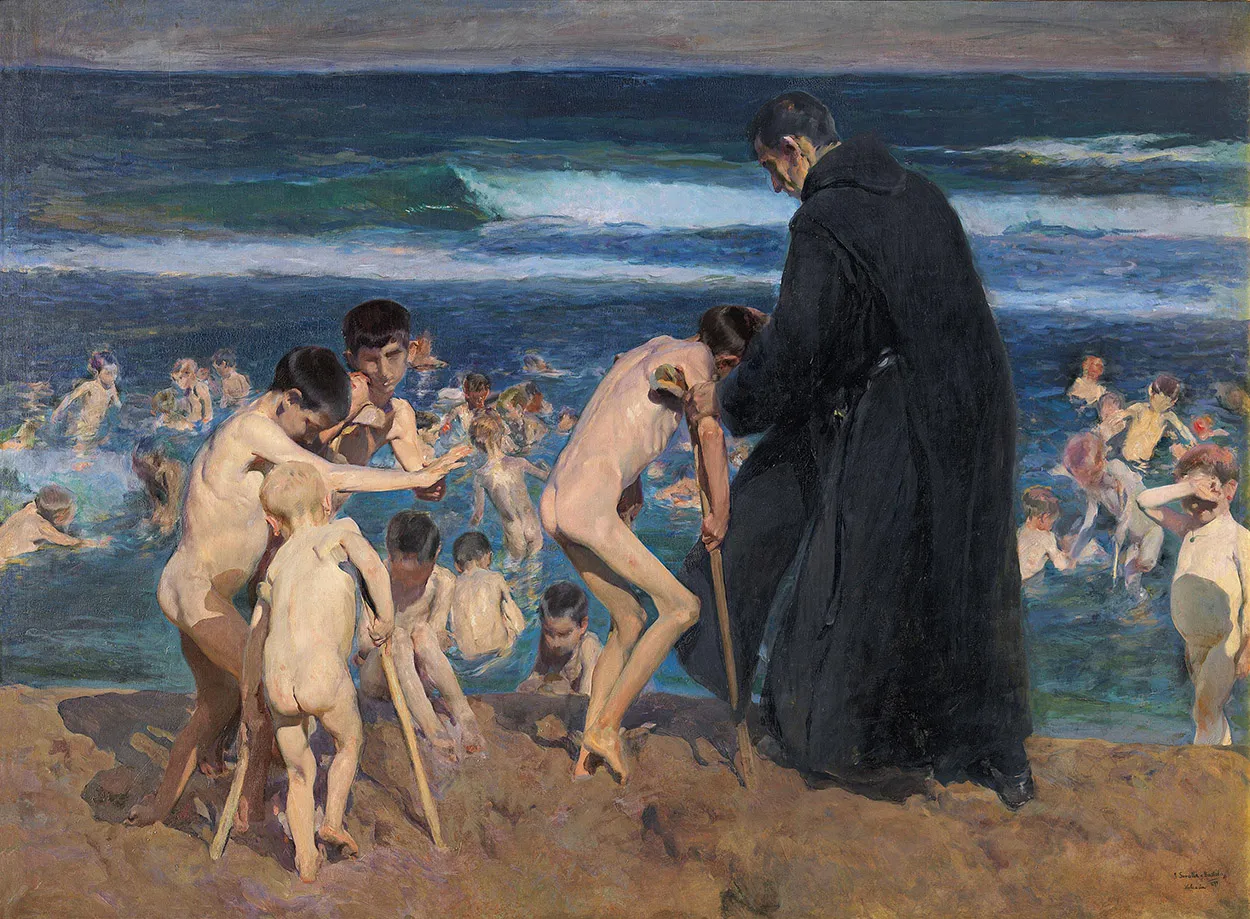
these major works, which laid bare social injustices through striking contrasts of light and shadow, earned him the Grand Prix at the Paris Exposition Universelle and established his fame as a preeminent painter.
Why did the artist turn away from this world of shadows and step into the light?
Understanding the inner struggle and resolve behind that transition transforms art from mere knowledge into a lens that deepens how we experience the everyday world.
What the "Master of Light" Sought
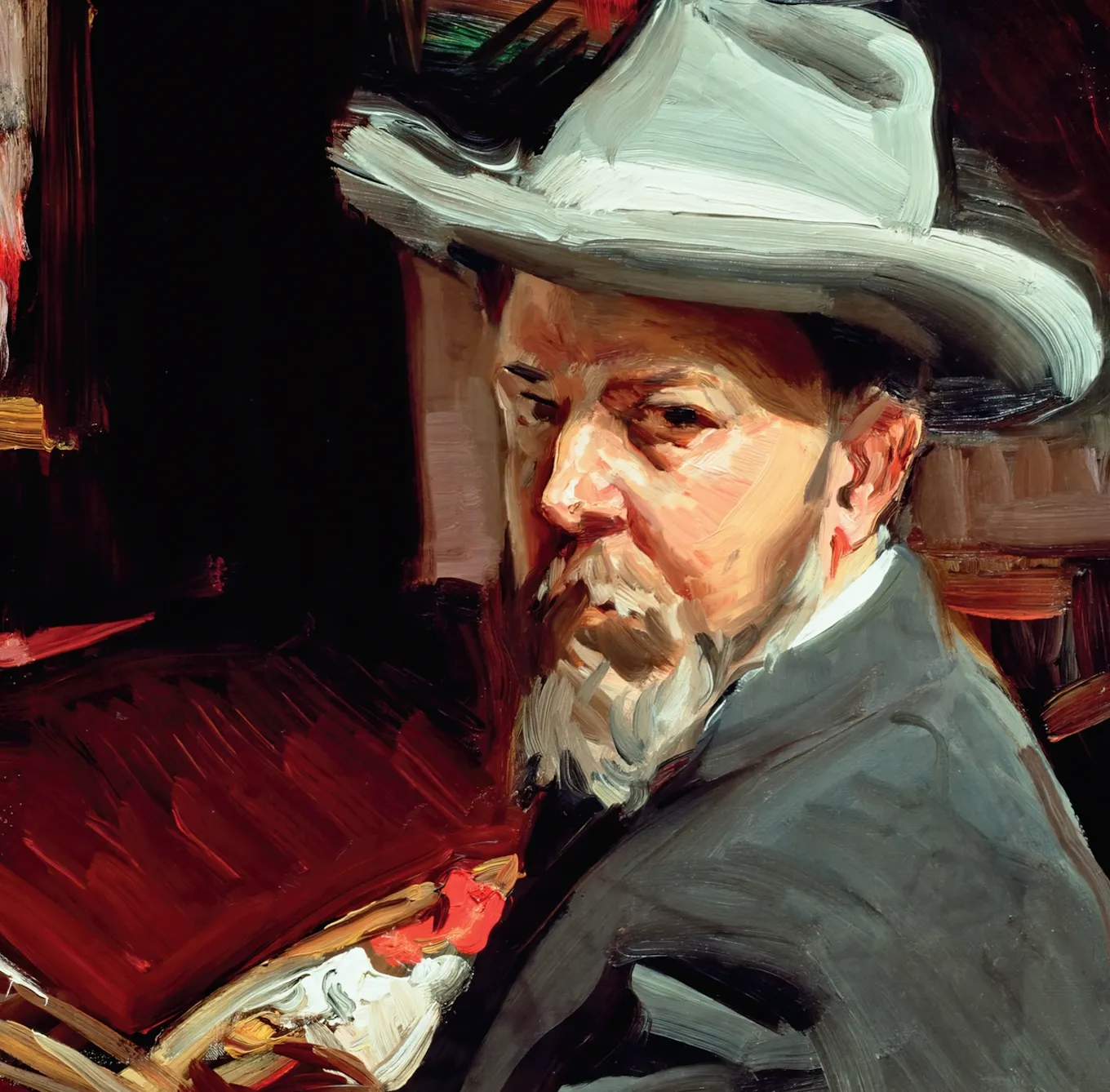
Having reached the heights of renown by portraying the sorrows of society, Sorolla declared that he would never paint such bleak themes again:
"Art should not dwell solely on sorrow and tragedy. Life already has far too much of both."
And so he turned his vision to the sun-soaked shores of his native Valencia.
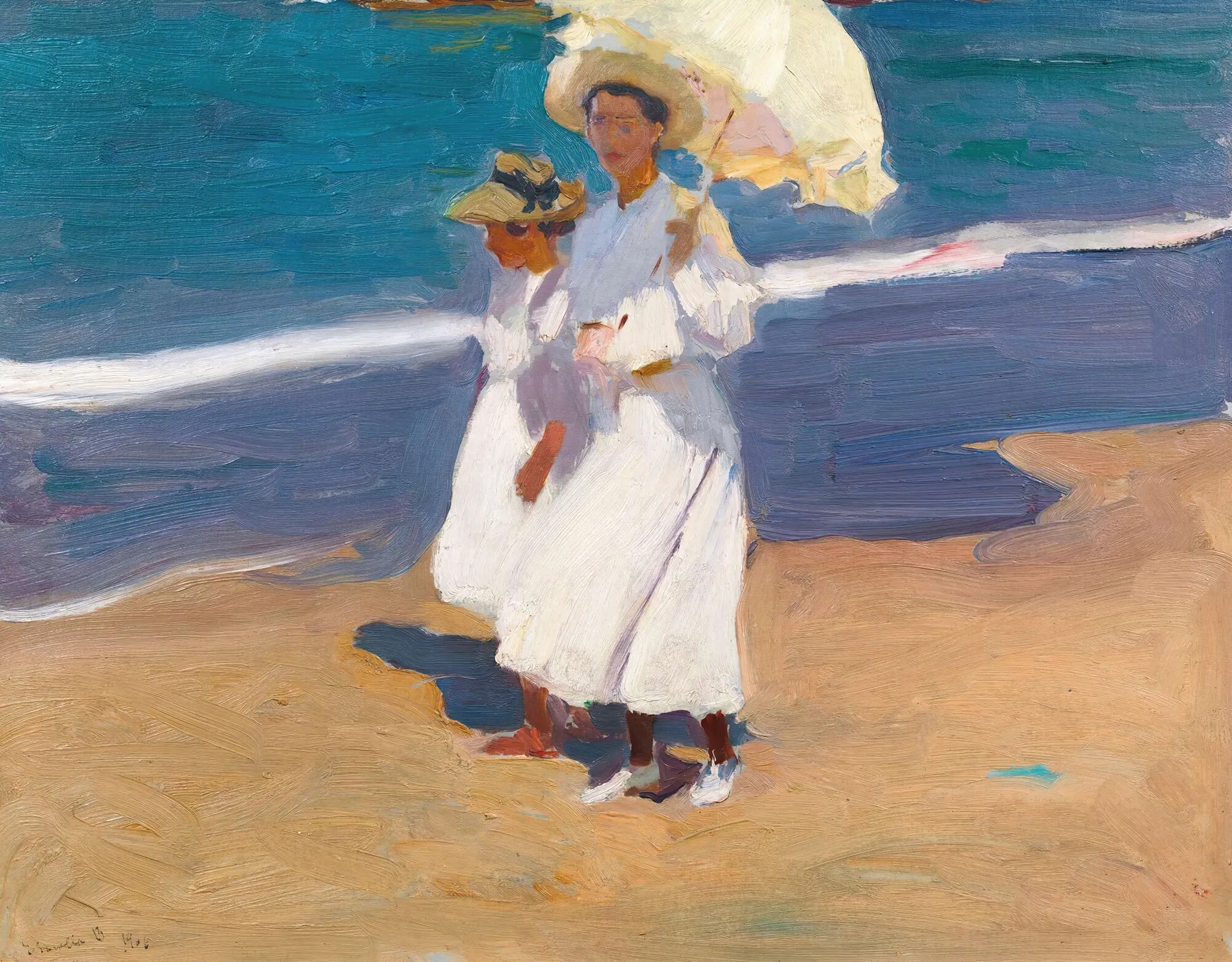
Sorolla is celebrated as a "master of light" not simply because he painted sunshine.
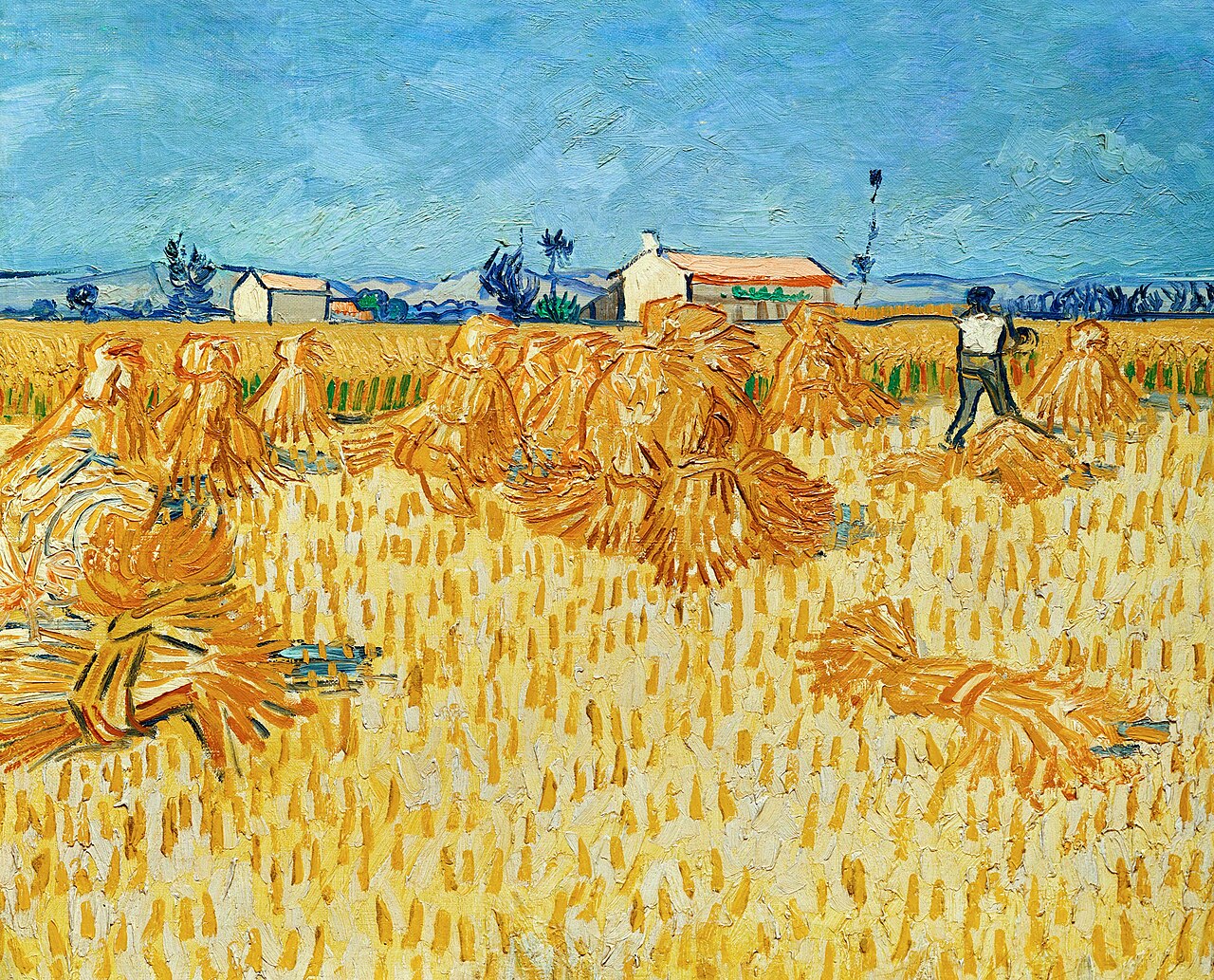
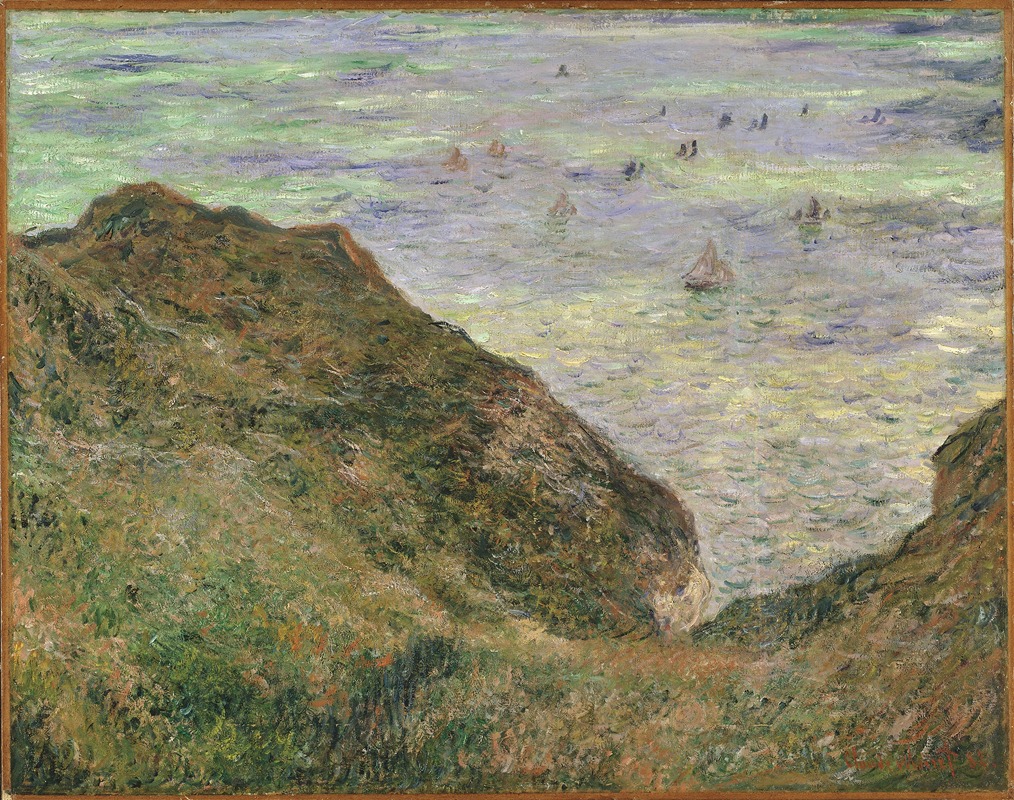
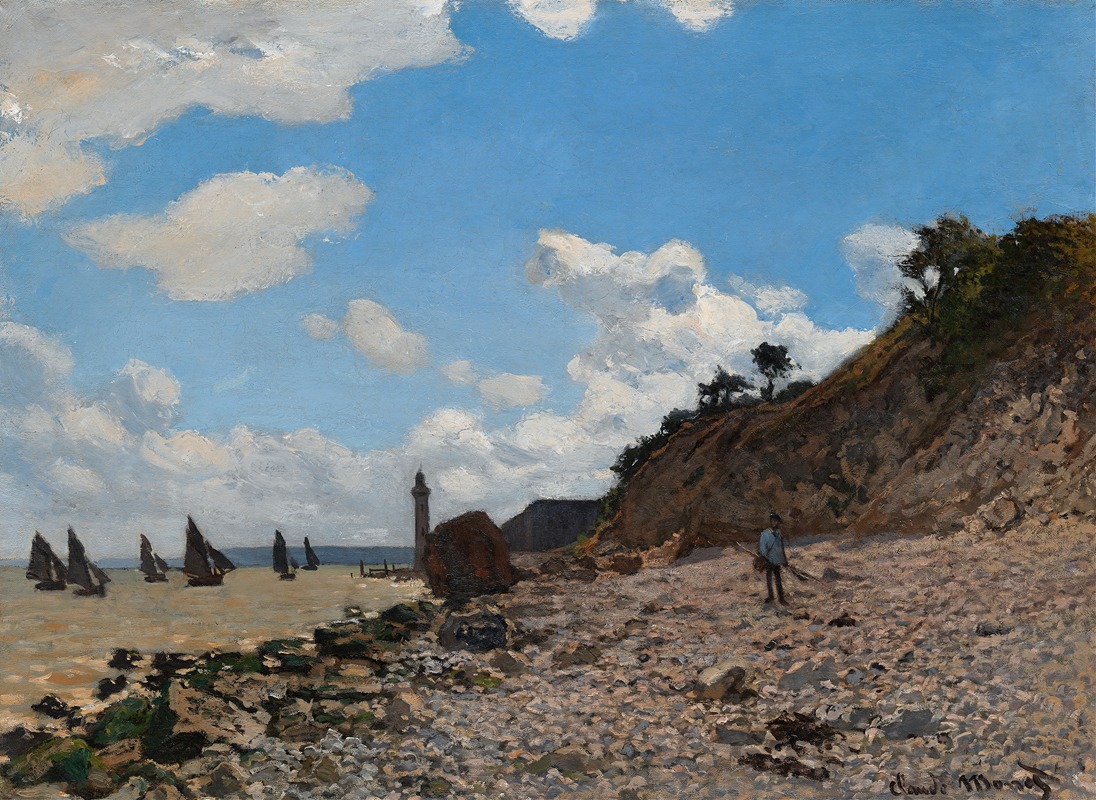
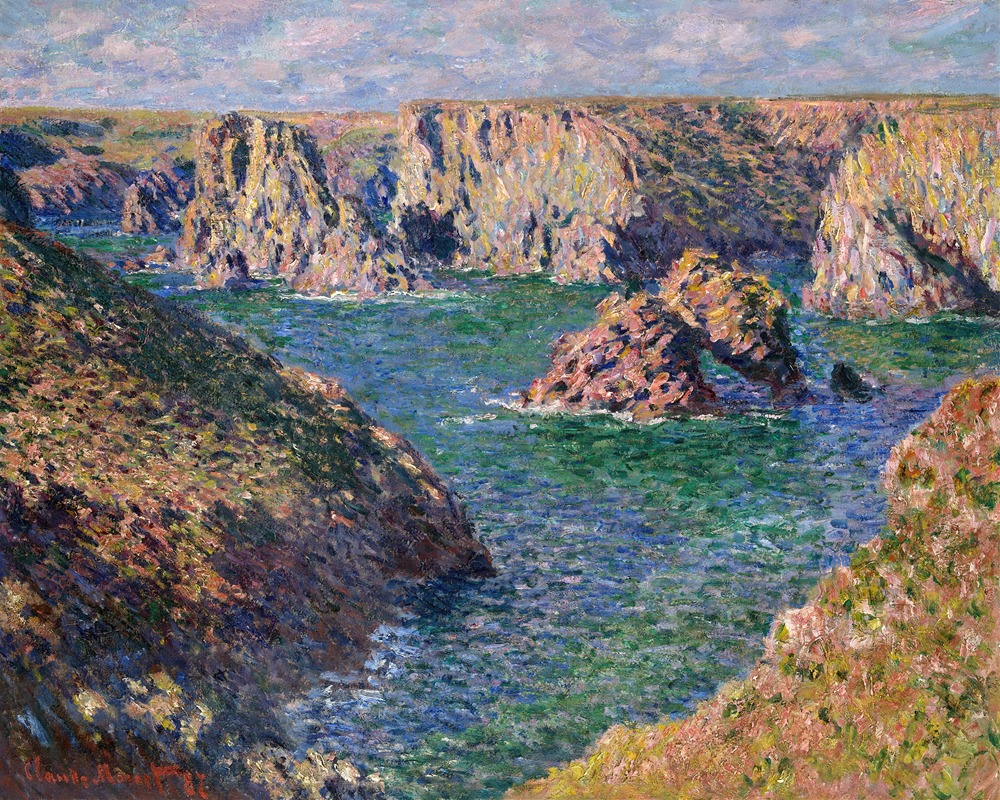
The French Impressionists, led by Monet, dissolved contours into fluid atmospheres, layering short broken strokes to evoke the vibration of light.
Sorolla, however, never let form disperse.
Anchored by the formidable draughtsmanship he inherited from Velázquez, he seized the fleeting instant where light meets shadow with bold, dynamic brushstrokes.
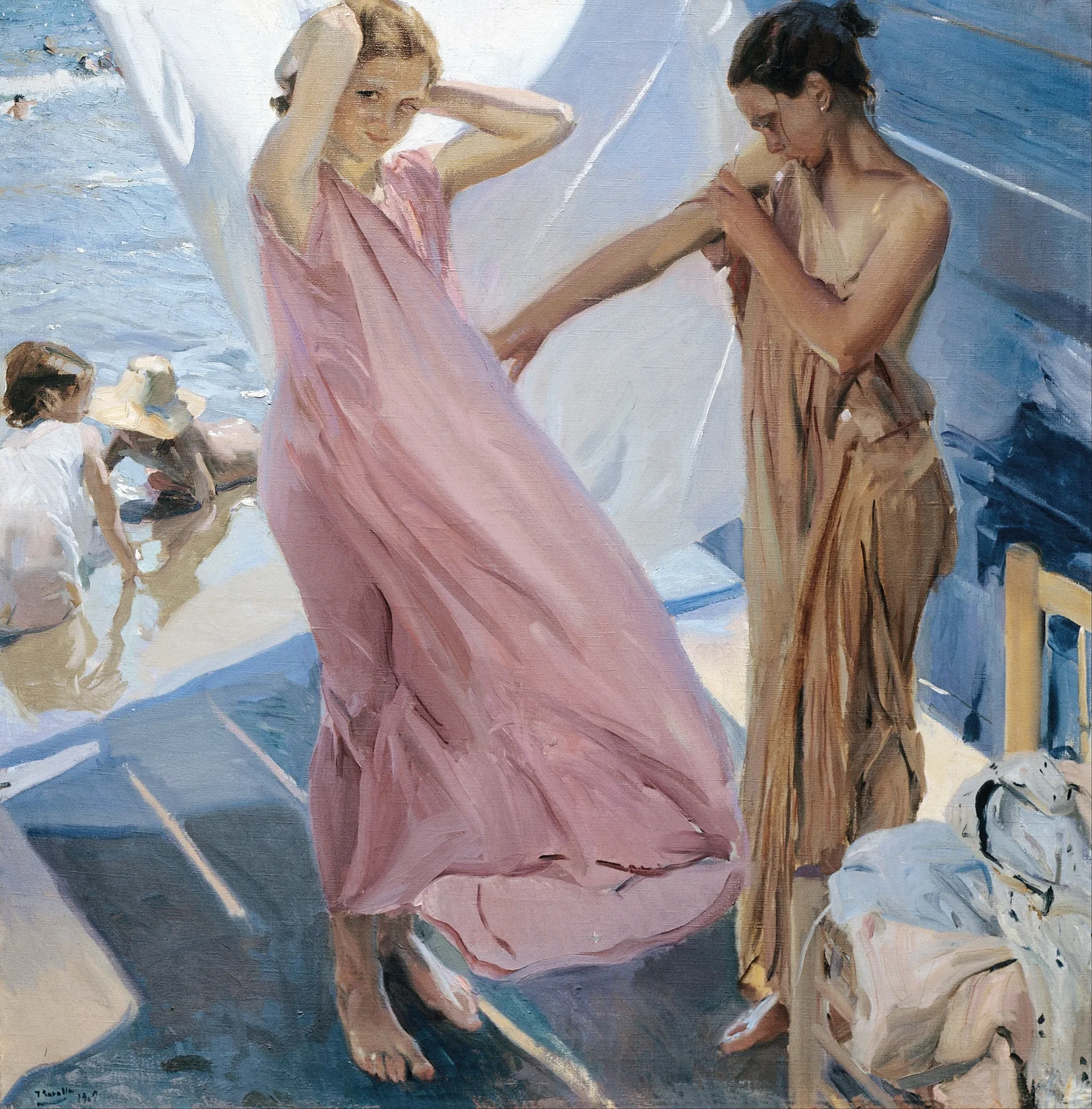
While Monet and his peers analyzed light as particles of color, Sorolla grasped its very contour through an instinctive, physical flash of inspiration.
Engaging with the depths of such artistic mastery will surely make your encounters with art richer and more rewarding.
How, specifically, did he produce that blinding radiance upon the canvas?
And why did his work sweep across the Atlantic, stirring audiences into a frenzy?
_1893.webp)
.webp)