
Rough Weather at Étretat
1883
_Claude_Monet_-_Muse%CC%81e_des_Beaux-Arts_de_Lyon_(W821)+(1).webp)
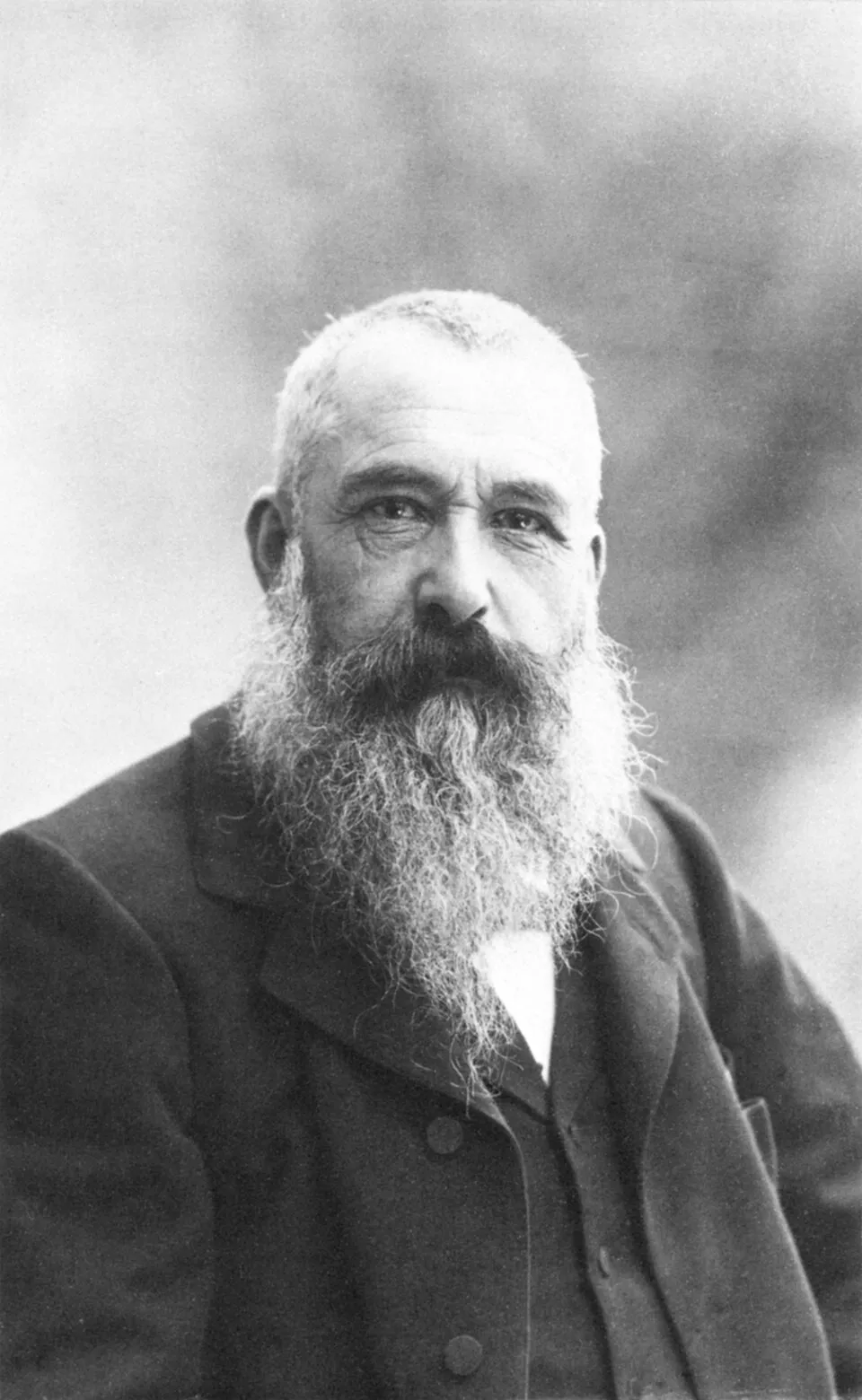
Celebrated as a founding figure of Impressionism, he is one of France’s most ren…
The raging winter sea and white waves violently crashing against the cliffs of Normandy.
A powerful landscape painting that vividly captures the awe-inspiring power and immense energy of nature on canvas.
But in fact, as he painted this turbulent sea, the painter Monet's heart was also in the midst of a storm of anxiety and impatience.
About 157 more words
Unlock this story's ending, and every article on MusicStory
- 42
Stories1–2 new every week
An archive of paintings paired with great music, made for a weekend night and a cup of coffee
- 282
Paintings with commentarygrowing daily
From simply looking to truly reading — the brushwork and the obsession of the masters
- 10
Music Librarygrowing daily
Know it first, and what reaches your ear changes — background music becomes art you keep for life
My Notes, unlimited
Every reading adds to a digital art notebook that is yours alone
Already have an account? Log in
Music recommended for this painting
Stories featuring this painting
Your Note
Write down what this painting made you feel in your art notebook.
Please sign up to write notes.
Sign up for freeRecommended Artworks
More artists


If you find an error in this content, please let us know here
This site is protected by reCAPTCHA, and the Google Privacy Policy and Terms of Service apply.