
 日本語 (JA)
 English (EN)
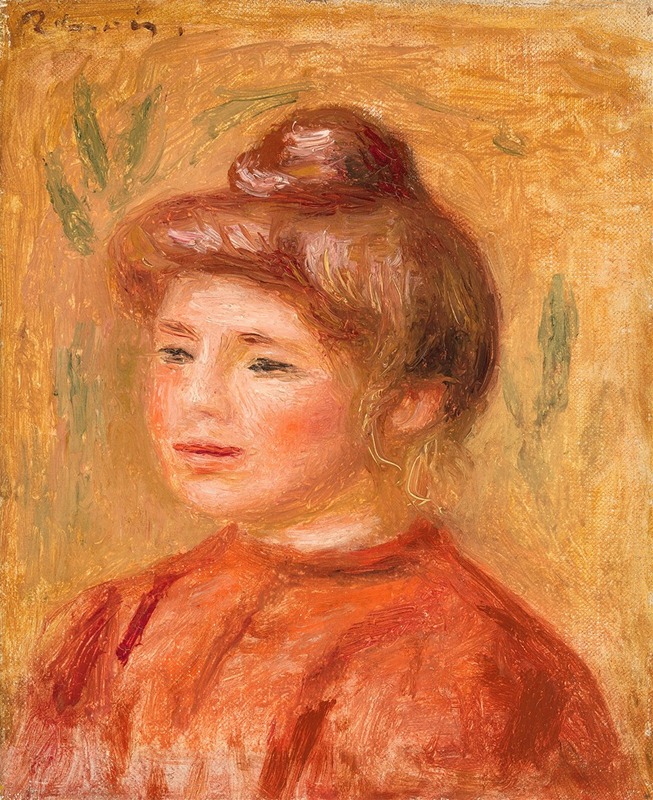
- Dimensions
- 18.8 × 15.6 cm
- Medium
- 油彩、カンヴァス
- Collection
- バーンズ財団
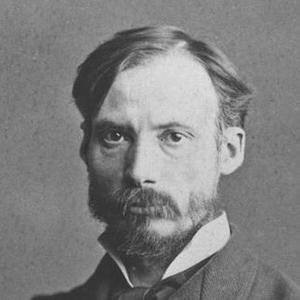
One of the leading figures of French Impressionism, he was born into a tailor's…
特定のパトロンや顧客からの注文ではなく、自らのアトリエで造形・色彩上の実験として描いた自主制作のフォーマル・エチュード(可塑的研究)である。
✦ Highlights (technique & color)
薄い油彩層の重ね塗り(グザザン)と素早く流動的な筆致。明るい光を反射するキャンバスの下地の上に薄く下塗りし、半透明な顔料層を幾重にも重ねることで、内部から発光しているかのような発色をもたらしている。画面左上には褐色絵具による明確な筆致で「Renoir」の署名がある。
✦ The setting of this painting
南仏カーニュ=シュル=メールのアトリエ内部、もしくは夏季に滞在したパリ近郊アトリエ内部。特定の室内調度や具体的な風景を示すことなく、赤、黄土色、褐色、桃色が入り混じる流動的で温かみのある色彩の塗りのみで満たされている。
✦ Historical context
1905–1908年。写真技術の普及や初期映画の発展により、絵画における現実の忠実な記録という役割が失われつつあった時代。造形芸術は純粋な色彩や可塑的構造の探求へと傾斜し、フォーヴィスムやキュビスムが台頭する中、ルノワールは独自の現代的様式へと昇華させていた。
Sunlight from Cagnes-sur-Mer in the south of France pours softly through the studio window. Sitting deeply in his wheelchair, the aging painter exhales quietly. Before his gaze lies an exceedingly small canvas, small enough to rest in the palm of one's hand. The hands that once depicted the glamorous society and bustling streets of Paris with effortless grace were now disfigured beyond recognition, wrapped round and round in white bandages to prevent his skin from chafing. Even so, wedging a brush between his paralyzed fingers, he glides red and orange pigments across the canvas. Pierre-Auguste Renoir. In his final years, he reached a sublime realm where colors melted together—a space he was willing to attain even at the cost of intense physical suffering.
An Experiment Confined to a Palm-Sized Canvas
This work was painted on an extraordinarily small canvas measuring just 18.8 × 15.6 cm, easily fitting in the palm of a hand. It was not painted on commission, but was an independent study Renoir created in his studio to experiment with form and color.
By the turn of the twentieth century, Renoir had firmly established an international reputation in the art market. Economically affluent through sales orchestrated by his art dealers, he enjoyed a stable family life surrounded by his wife and sons. Yet rather than resting on his laurels, he continued his relentless search to elevate his art to even greater heights.
During this period, alongside refining compositions for large-scale masterpieces, Renoir produced numerous small works enveloped entirely in warm, harmonious tones. Free from the constraints and expectations of patrons, these independent pieces allowed him to immerse himself entirely in pure experiments of form and color. This work, among the smallest in scale of his oeuvre, stands as an exemplary study where color purity and formal concentration are pushed to their utmost limits. For the aging master, this modest canvas was an experimental realm of infinite possibility.
Painting with a Brush Wedged Between Fingers
At the time, Renoir suffered from advanced rheumatoid arthritis, which had severely deformed his finger joints and made walking unassisted impossible. Confined to a wheelchair, he continued to paint under extraordinarily arduous conditions, his hands bandaged to prevent the skin of his palms from abrading and the brush wedged between his paralyzed fingers as he applied paint.
Painting on a grand scale imposed too great a toll on his body. The searing pain that accompanied every broad sweep of his arm mercilessly depleted his strength. For this reason, he favored small canvases of this size, which allowed him to take in the entire composition at a glance and adjust his tones with swift, precise touches within easy reach.
Under the gentle warmth of the southern French climate, he poured all his remaining vitality into the canvas before him. Though his fingers could not flex and his arms could scarcely lift, a vibrant harmony of colors resonated ceaselessly in his mind. Clamping the brush between his fingers and guiding it with subtle shifts of his shoulder, he layered stroke upon stroke of pigment. Every single touch of the brush embodies the artist’s fierce, unyielding will to create, even as his body surrendered its freedom. Transcending the agony in which it was born, the surface glows with warmth, radiant and brimming with joy.
A Portrait of an Unknown Figure
At the center of the composition, a woman dressed in red sits with her body turned at a slight angle. Her gaze does not engage the viewer directly; instead, her eyes cast downward or drift dreamily into the space before her.
According to the scholarship of art historians Martha Lucy and John House, many of Renoir’s small female busts from this period were not portraits of specific individuals, but rather studies using anonymous models to explore questions of form and color. Her posture—diverting her eyes from the viewer and stripped of any distinct psychological or emotional expression—reveals the painter's intention: he approached the model not as an individual with an inner psychological state, but as pure plastic form.
Certain commercial commentaries and online articles occasionally suggest that the sitter was Gabrielle, the Renoir family's renowned nursemaid, or a youthful portrait of Andrée, his model in later years. However, these claims remain unsubstantiated conjectures unsupported by primary sources such as letters or studio records. Renoir sought not to record a particular face, but to create the pictorial space itself, woven of light and color.
The Criticized "Red Period"
The late style Renoir arrived at was not universally embraced in his time. During the early twentieth century, certain art critics viewed with skepticism his canvases soaked in intense reds, where contours melted into the surroundings. Interpreting this as a slackening of drawing, anatomical distortion, and an overindulgence in red, they cast a cold eye on what they deemed the loss of technical prowess due to the former Impressionist master's advanced age.
The painting was not publicly unveiled in exhibitions immediately upon completion; instead, it remained quietly in Renoir's studio for several years. Perhaps the artist himself recognized that such radical experiments in color would not be readily grasped by the public of his day.
Yet Renoir paid no heed to his critics. In an era when photography and early cinema were usurping painting’s traditional role as an accurate recorder of reality, he pressed forward into the uncharted territory of pure color and space that only painting could realize. Tucked away in a corner of the studio, this small canvas stood as testament to a solitary quest, where the artist pursued his own vision of beauty, unconcerned with the gaze of others.
About 348 more words
Read the rest of this commentary —
and step into a secret gallery
opened just for you
An "art letter" delivered to you every Saturday morning
Works, music and words chosen for your sensibility, from your artist-type result and the paintings you love
A library of masterpieces and music you can enjoy "in your own words", not just look at
A "digital art notebook" (unlimited) where your impressions build into your own taste
Unlimited likes and notes
¥980 / month¥0 today
¥980/month (tax incl.) from day 8. Cancel anytime.
Already have an account? Log in
Your Note
Write down what this painting made you feel in your art notebook.
Please sign up to write notes.
Sign up for freeRecommended Artworks
Sources & references
More art movements
Pre-Baroque
1 artworks
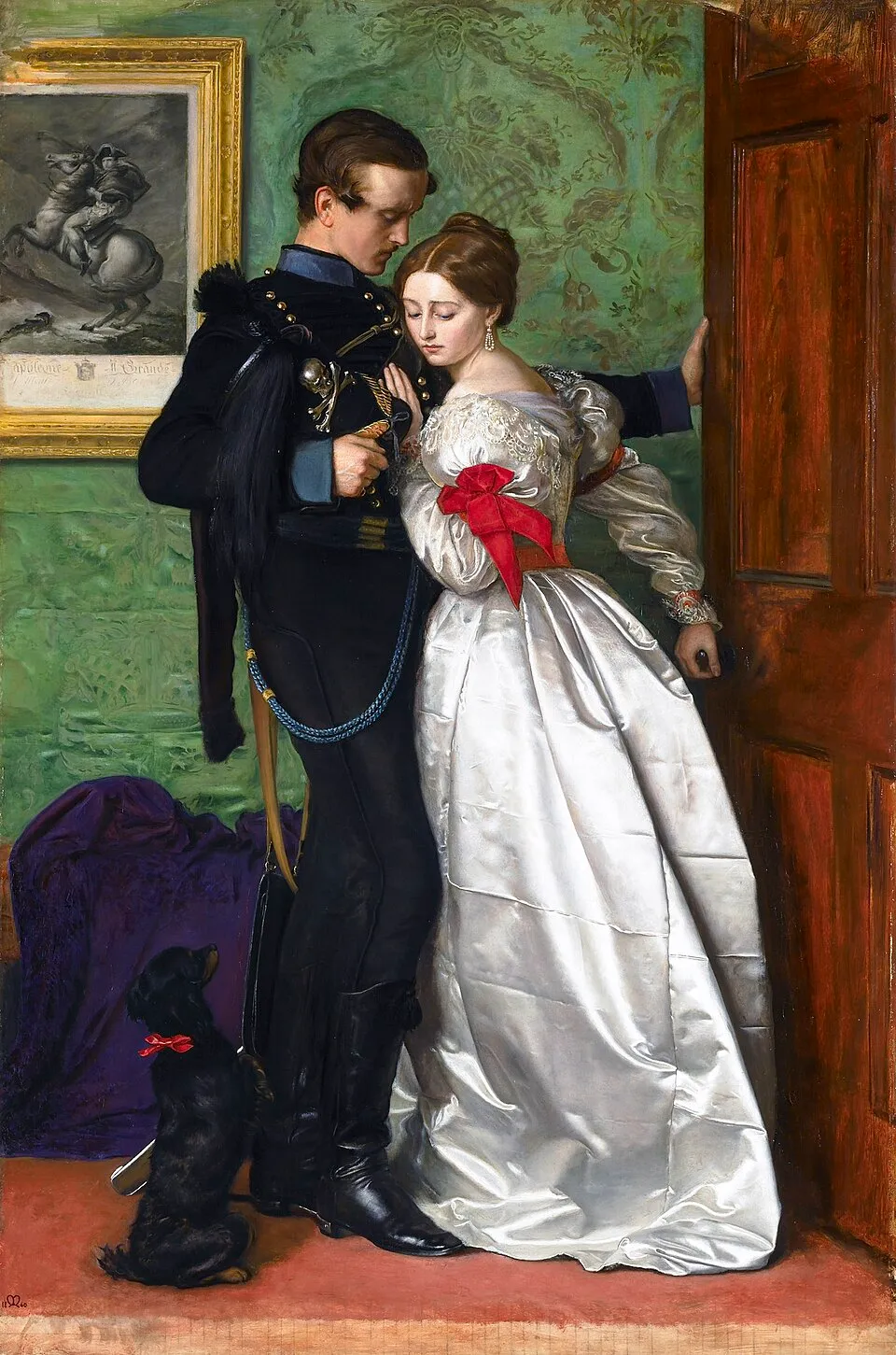
Victorian era
10 artworks
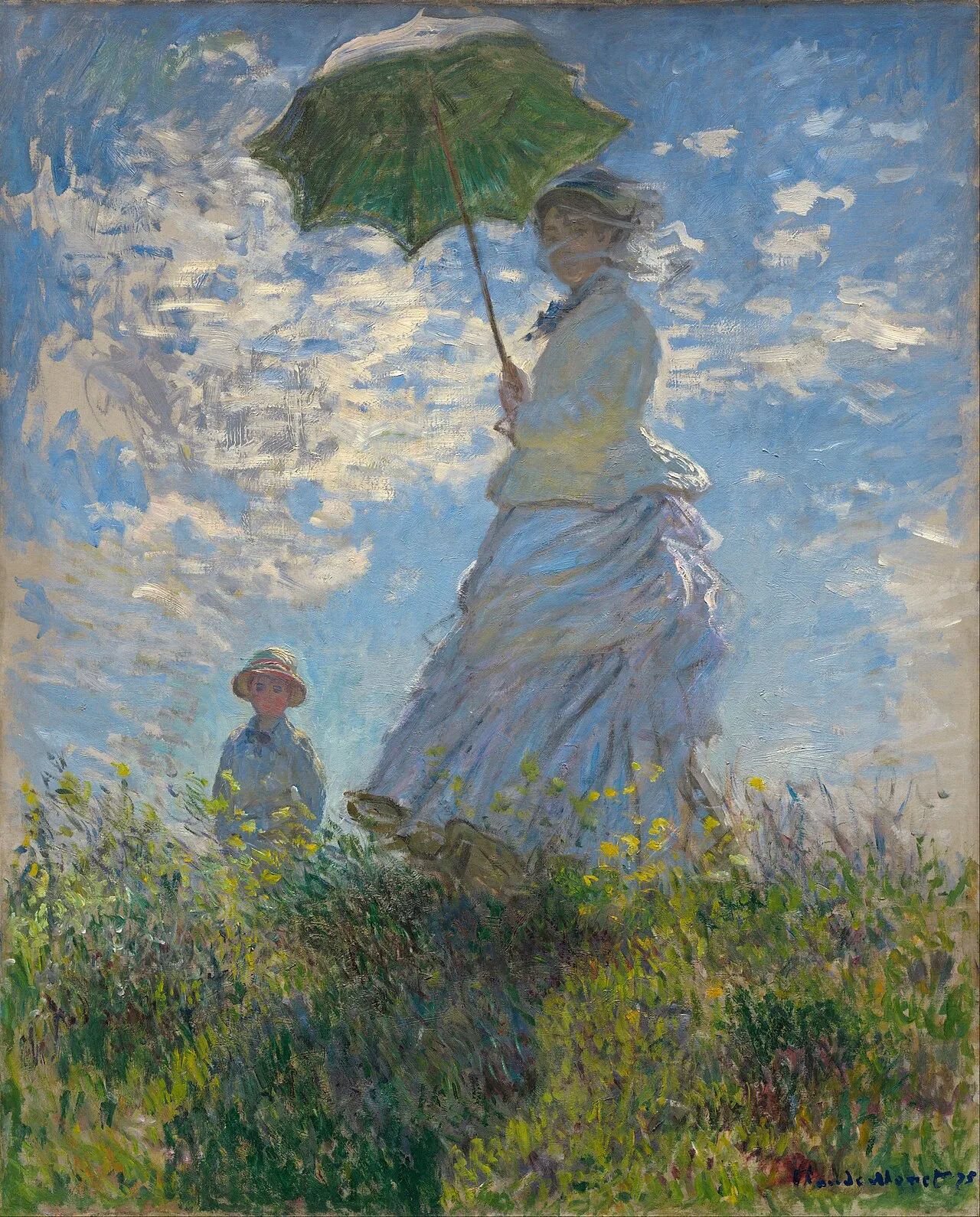
Impressionism
48 artworks
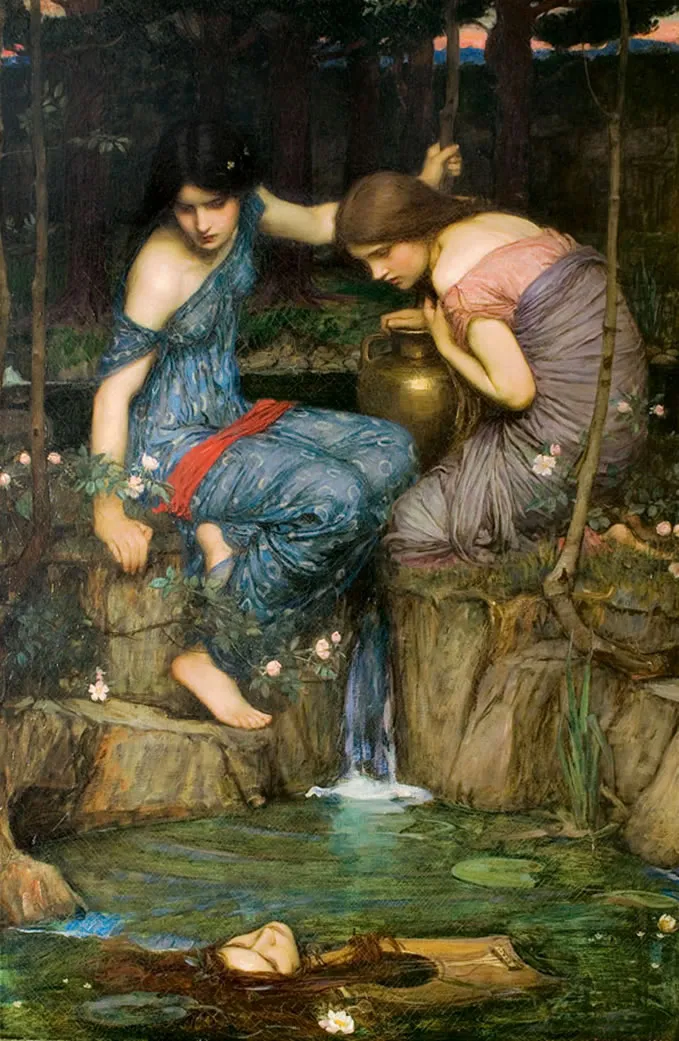
Late Pre-Raphaelite
10 artworks
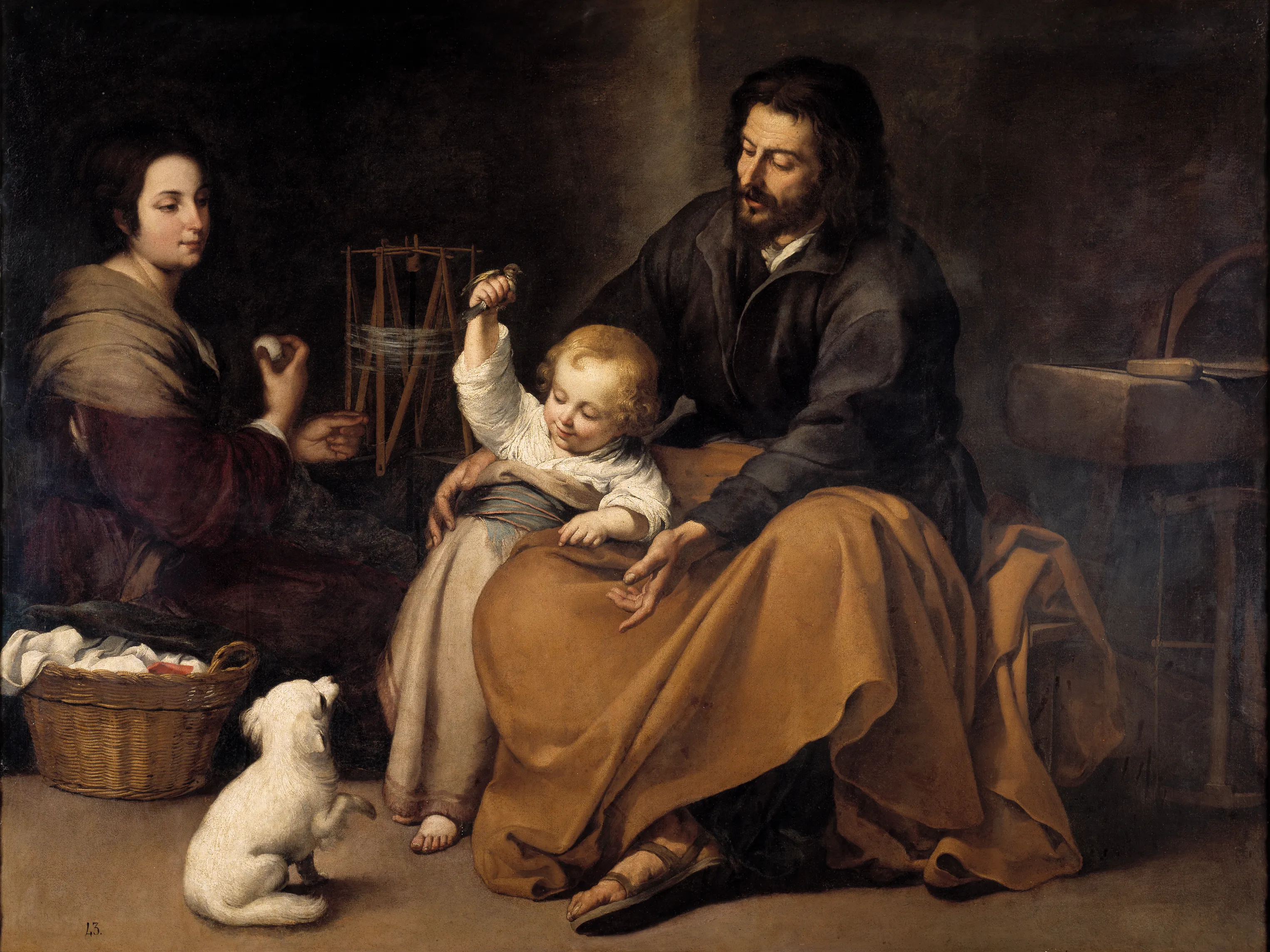
Baroque
2 artworks
American Impressionism
5 artworks
Realism
4 artworks
Pre-Raphaelite
3 artworks
Barbizon School
5 artworks
Academic art
5 artworks
Luminism
3 artworks
Rococo
2 artworks
Symbolism
22 artworks
Neo-Impressionism
3 artworks
Ukiyo-e
1 artworks
Japonism
4 artworks
Edo period
1 artworks
Fauvism
1 artworks
Naturalism
9 artworks
Russian Realism
1 artworks
Post-Impressionism
13 artworks
Genre painting
9 artworks
Neoclassicism
3 artworks
ウィーン分離派
7 artworks
自然主義
1 artworks
ナショナル・ロマンティシズム
1 artworks
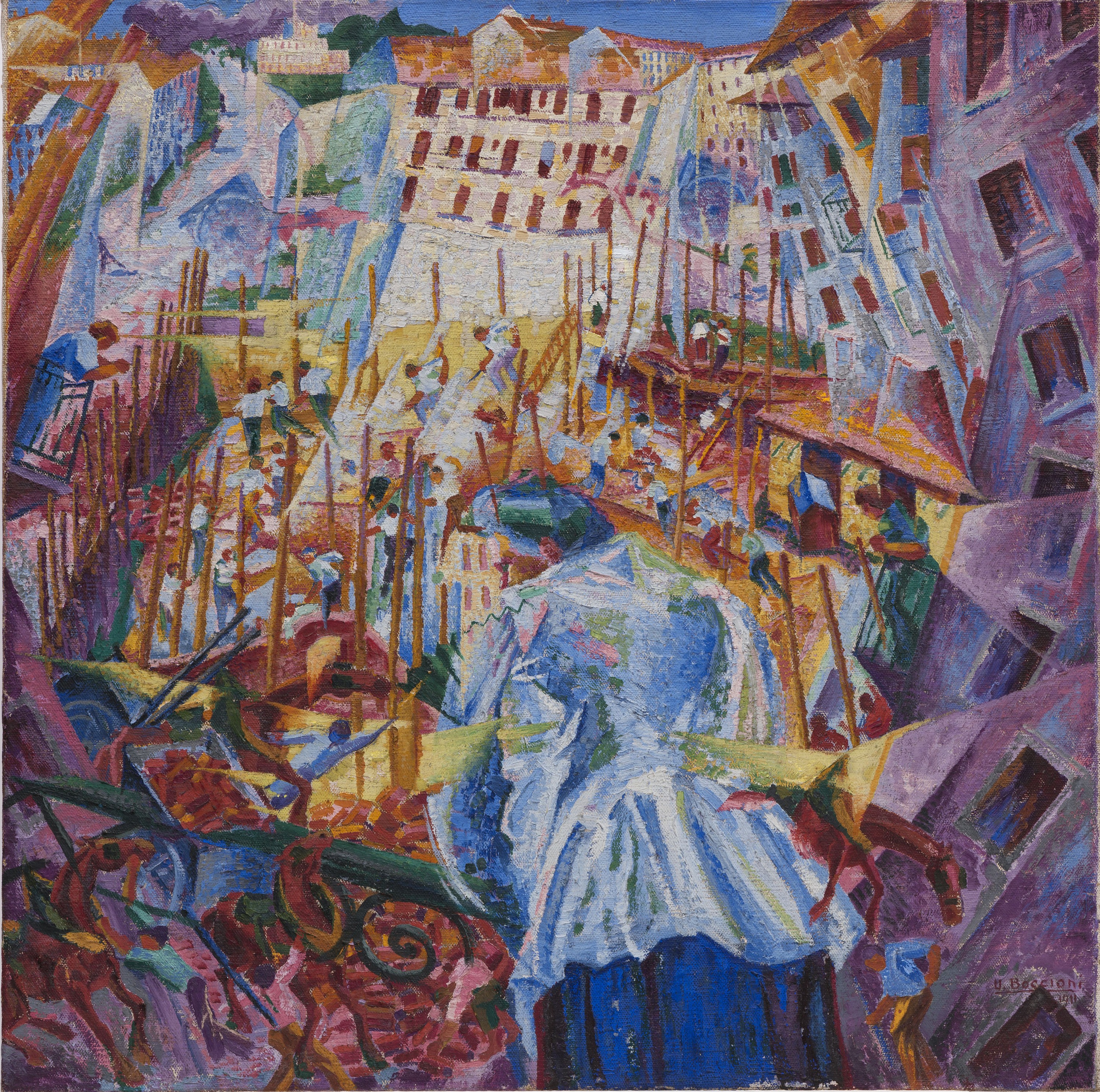
未来派
1 artworks
More artists
If you find an error in this content, please let us know here
This site is protected by reCAPTCHA, and the Google Privacy Policy and Terms of Service apply.