
Beethoven's Vision
1882
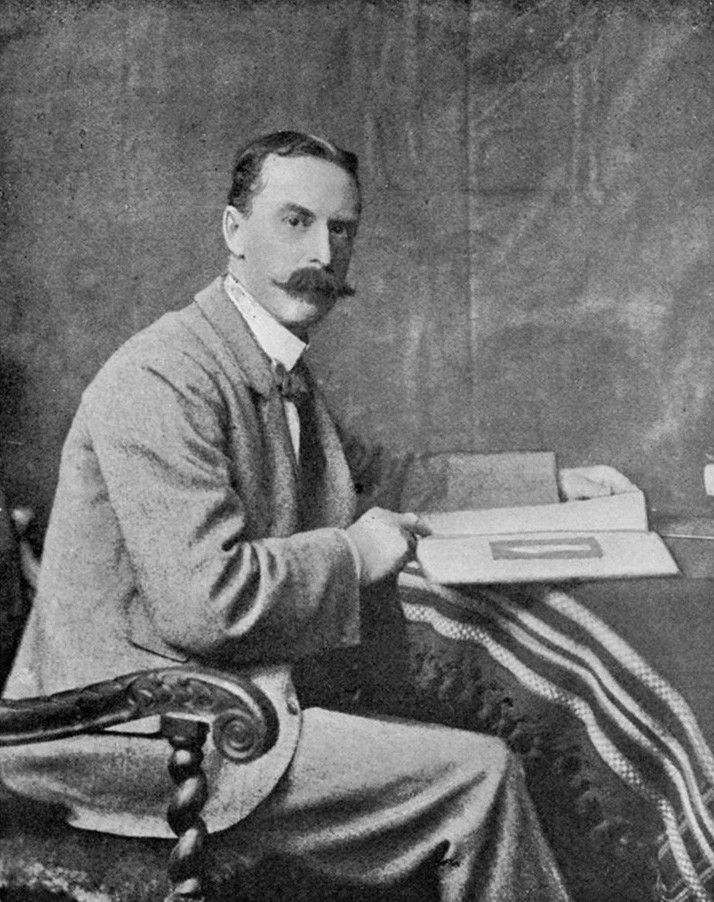
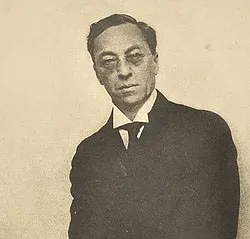
オーストリアの画家。ウィーンおよびミュンヘンの美術アカデミーで学び、16〜17世紀のオールドマスターや古典彫刻の分析を通じて、複雑な人体のデッサン能力を徹底的に…
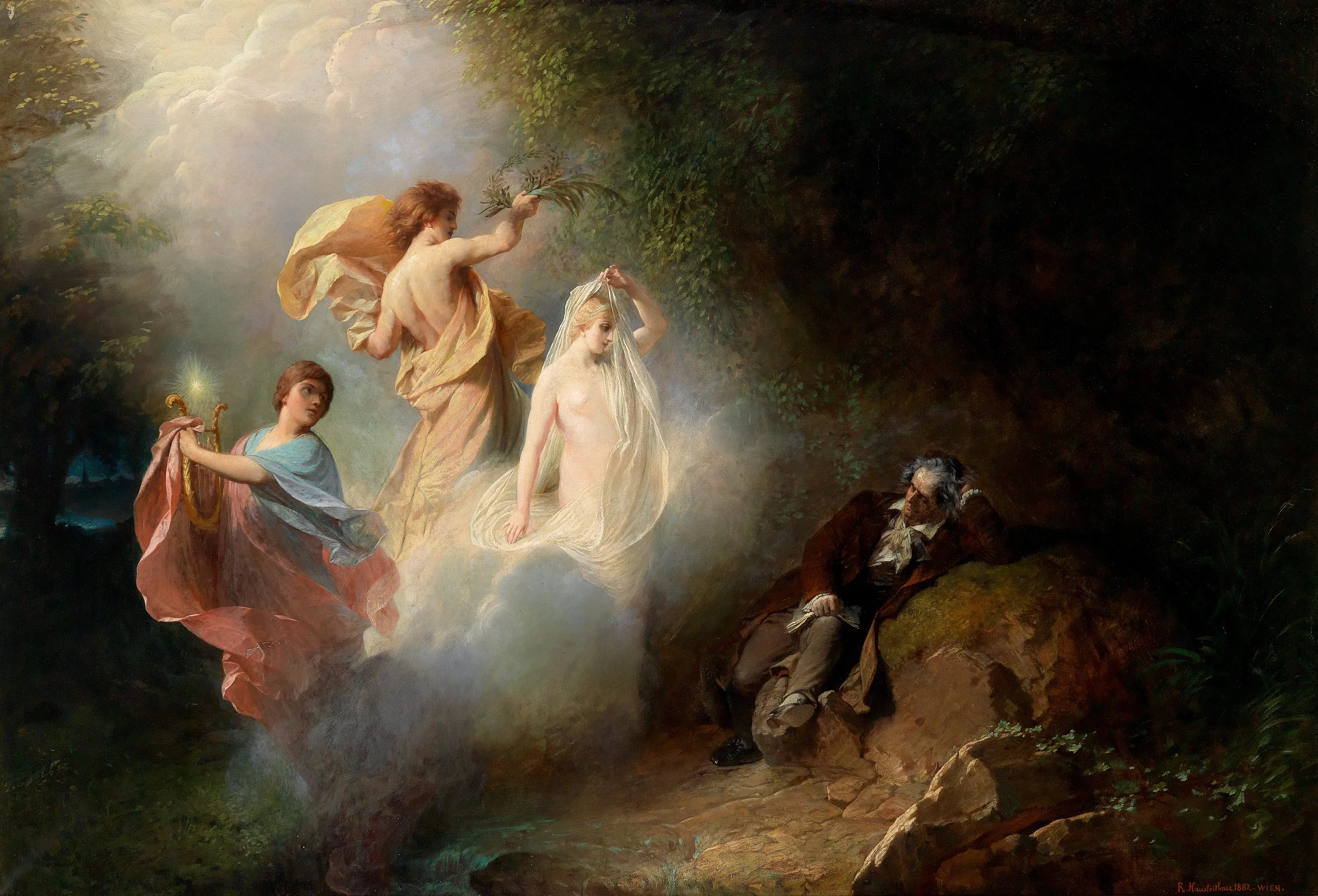
In a dense, dark forest.
A man leans against a rugged rock.
His eyes are tightly shut. A man who has lost all external sounds due to an ear disease. He seems to be in despair, as if asleep.
But that's not the case. He is now listening to the surging music. Not with his ears, but with his "eyes."
The man's name is Ludwig van Beethoven (1770-1827). As his hearing loss progressed, he was deprived of external sounds.
Silence. Only that remained. He left the city of Vienna. He fled to the Heiligenstadt Forest, where he found inspiration for his Symphony No. 6, 'Pastoral'.
A deep, deep forest. The noise of the city could no longer reach him. In that stillness, he confronted his solitude. He chose to protect his music, no matter what anyone said.
In 1882, the Austrian painter Rudolf Hausleithner completed this painting in Vienna. Measuring 117 cm high and 167 cm wide, the painter tackled a large canvas, attempting to visualize invisible sounds.
He was a court painter who also depicted Emperor Franz Joseph I. He was an elite artist who studied figure drawing from masters. That is why he was able to depict this mysterious scene.
Please look behind him. Goddesses emitting translucent light and spirits rise in a cluster. The rich drapery they wear.
These are the visions that comfort him. And at the same time, they are the very melodies resounding in his mind.
About 291 more words
Unlock this story's ending, and every article on MusicStory
- 42
Stories1–2 new every week
An archive of paintings paired with great music, made for a weekend night and a cup of coffee
- 282
Paintings with commentarygrowing daily
From simply looking to truly reading — the brushwork and the obsession of the masters
- 10
Music Librarygrowing daily
Know it first, and what reaches your ear changes — background music becomes art you keep for life
My Notes, unlimited
Every reading adds to a digital art notebook that is yours alone
Already have an account? Log in
Your Note
Write down what this painting made you feel in your art notebook.
Please sign up to write notes.
Sign up for freeRecommended Artworks
More artists
If you find an error in this content, please let us know here
This site is protected by reCAPTCHA, and the Google Privacy Policy and Terms of Service apply.