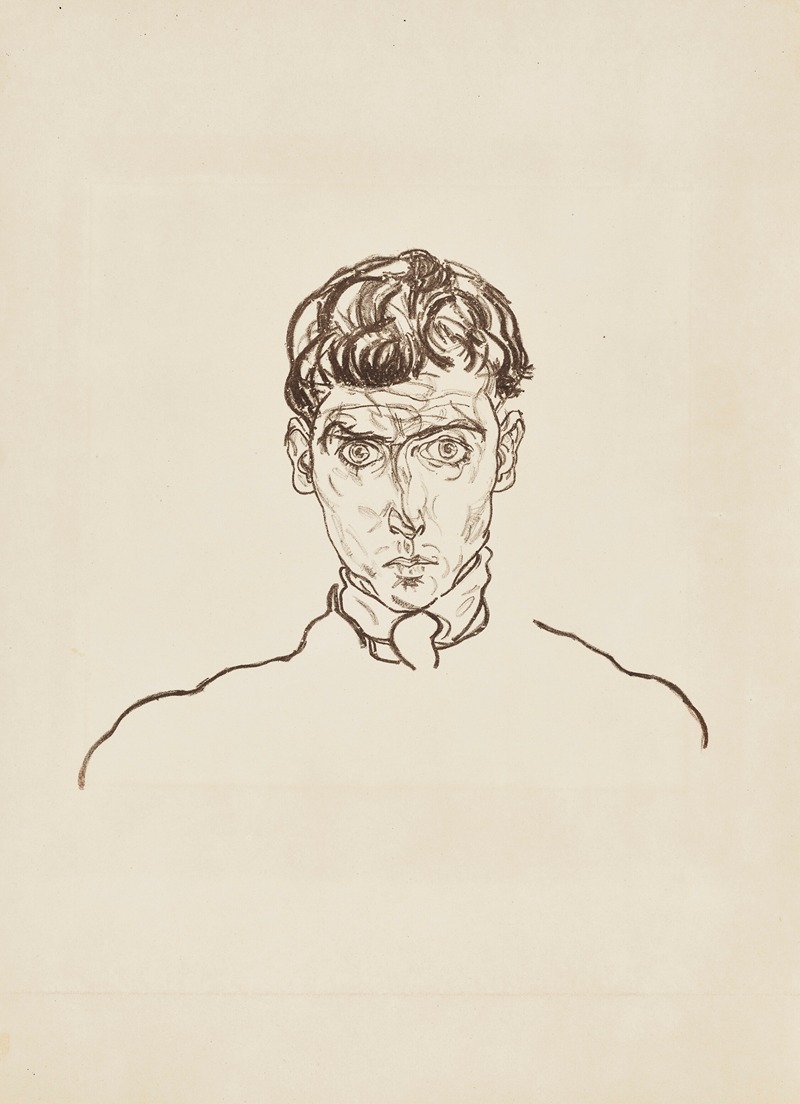
An Expressionist painter who dissected human existence and the psyche in 1910s Vienna, capturing radically distorted bodies set against stark, void-like backgrounds.
LifeLife and works
Egon Schiele was born in 1890 in Tulln an der Donau, Lower Austria, the son of a stationmaster. From early childhood, he showed an extraordinary gift for drawing railways, obsessively sketching locomotives and tracks—an experience that formed his foundational visual landscape. When he was fourteen, however, his father died in madness from progressive paralysis caused by syphilis, plunging the family from their middle-class status. The shadow of his father’s death would haunt Schiele’s artistic vision, reappearing in his later works as specter-like contours of mortality.
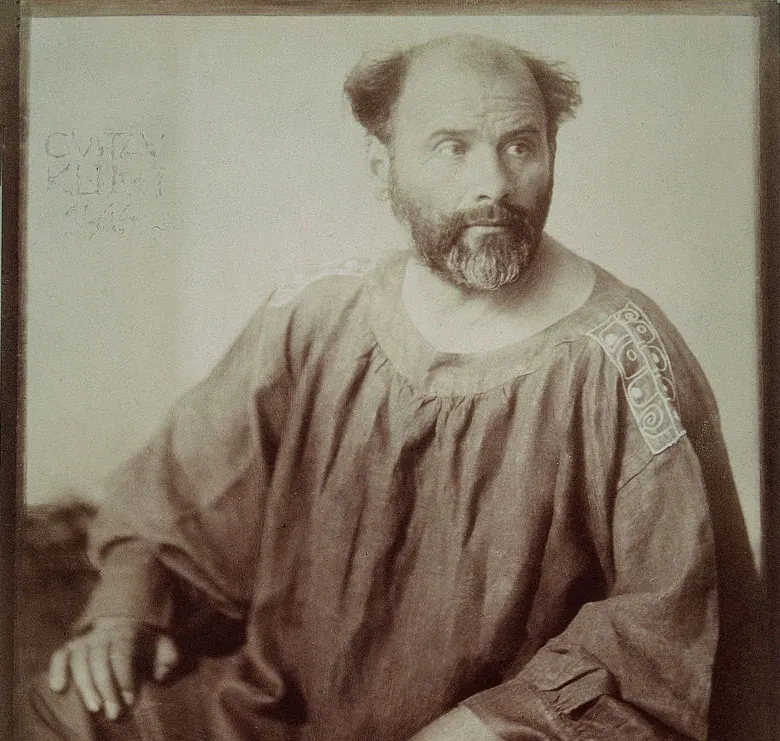
At sixteen, he entered the Academy of Fine Arts Vienna, where he received rigorous training in classicism and realism. The following year, he visited the studio of Gustav Klimt, the celebrated master of the Vienna Secession, who praised his talent effusively. Klimt supported the young artist by exchanging drawings and introducing models, and Schiele’s early works absorbed Klimt’s elegant, decorative use of gold and silver metallic powders. Frustrated by the academy’s conservative strictures, however, he chose to withdraw at nineteen and founded a new artistic group with fellow students.
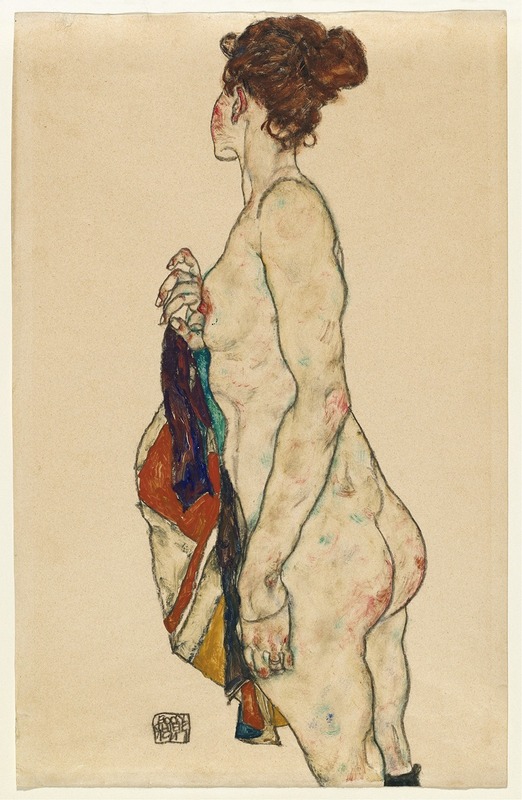
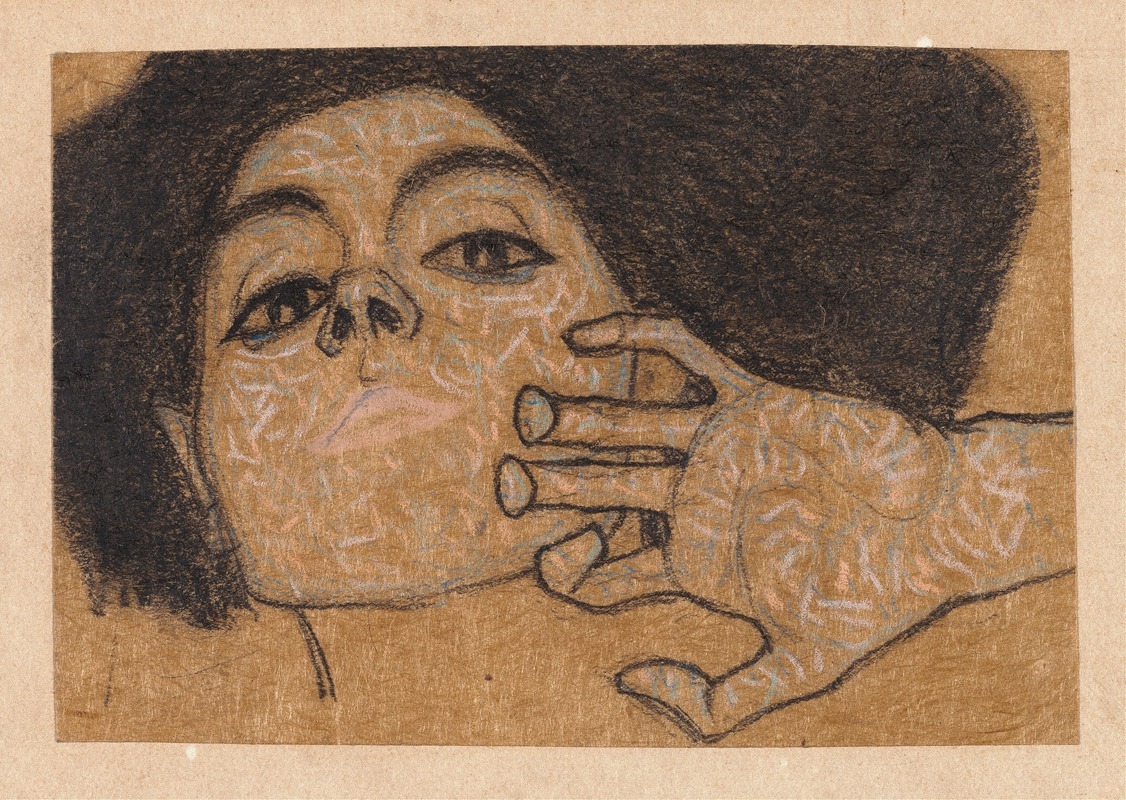
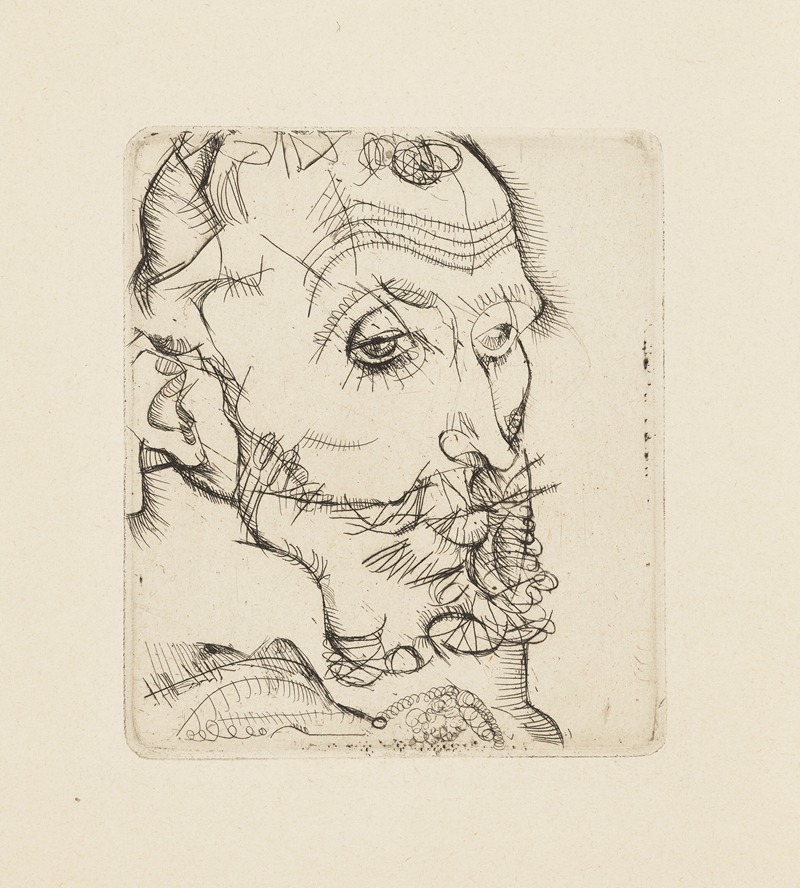
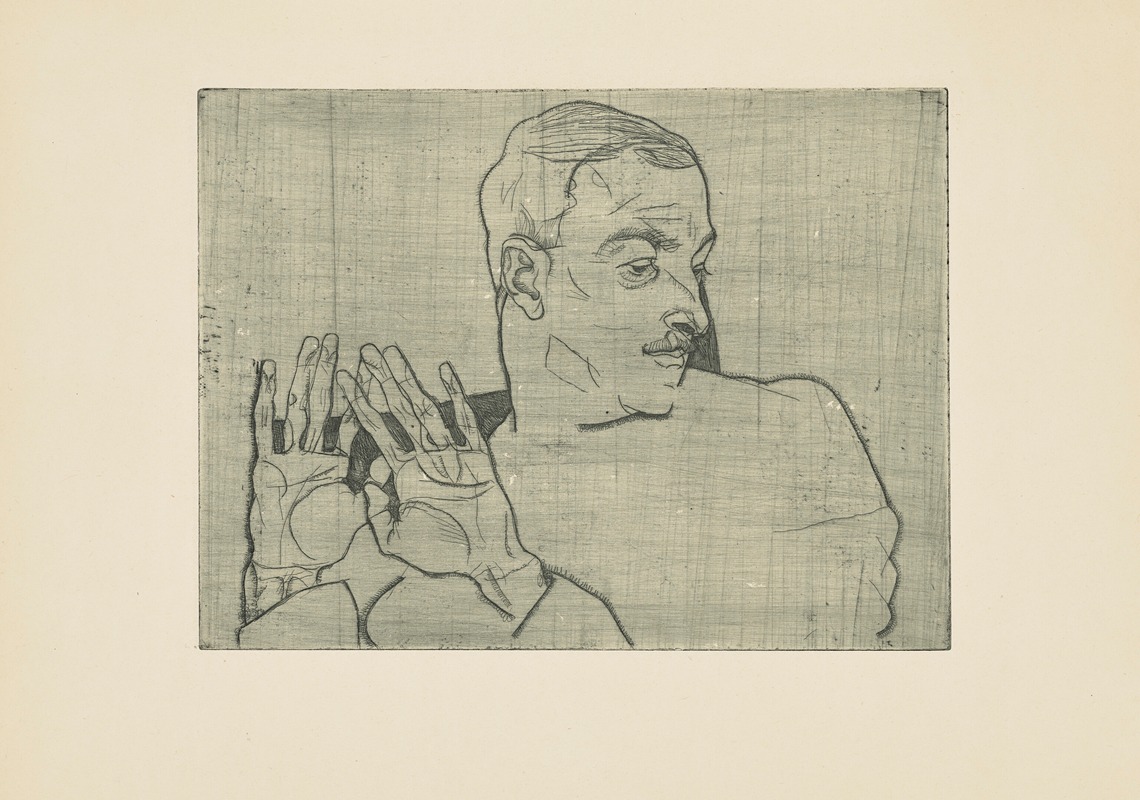
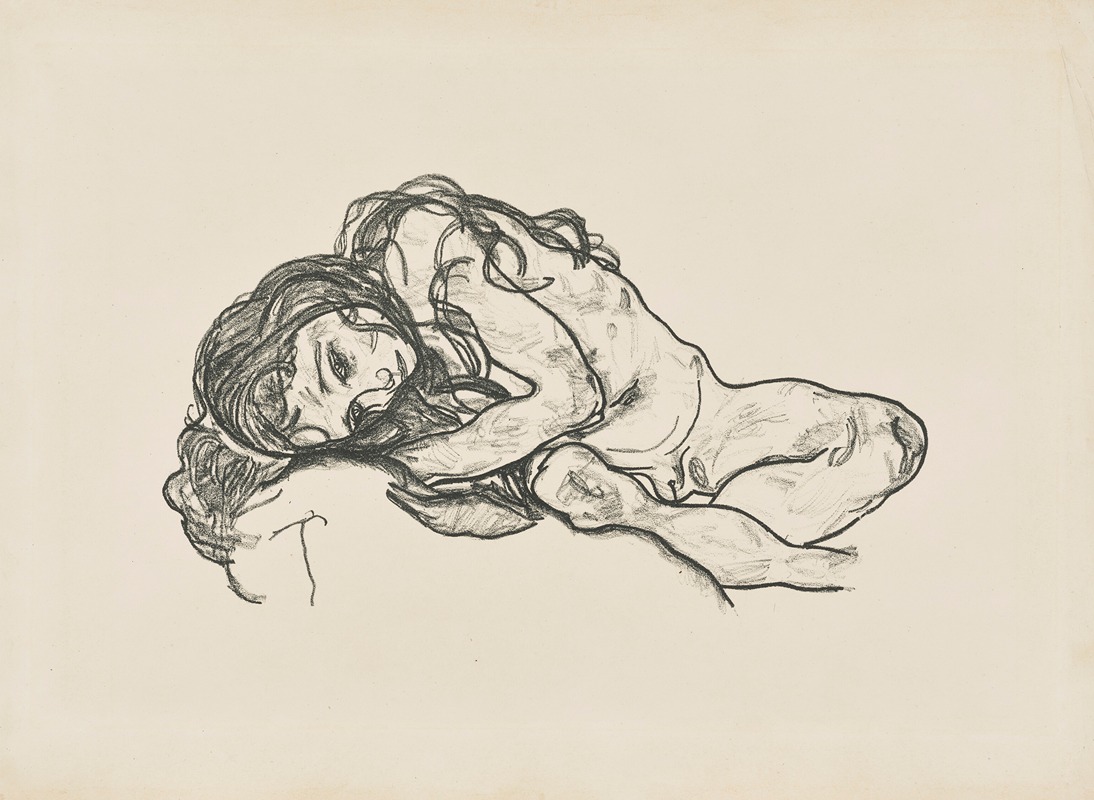
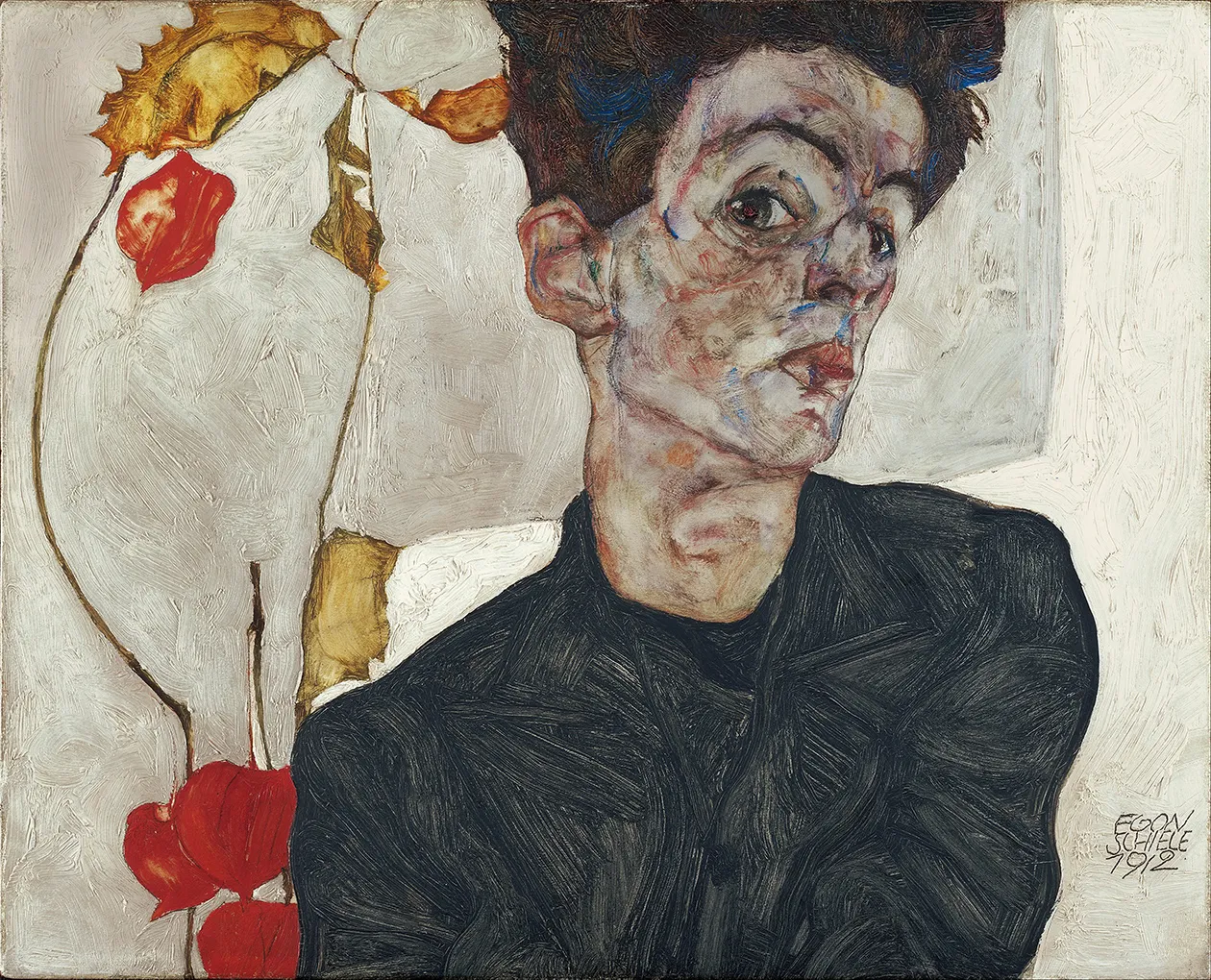
Striking out on his own, Schiele deliberately abandoned the flat, decorative aesthetic he had inherited from Klimt. While conventional portraiture integrated subjects harmoniously into their surroundings, he systematically erased all contextual background. Against empty expanses, he rendered emaciated bodies with exposed skeletons using shivering, barbed lines. In his self-portraits especially, he treated his own flesh not as mere documentation, but as a theatrical laboratory for dissecting existential angst. His gaze—staring out with a mix of defiance and vulnerability as his neck twists at unnatural angles—confronts the viewer with the bare human truth beneath societal deceptions.
At twenty-one, he began living with seventeen-year-old Wally Neuzil and moved to Krumau, a historic Bohemian town and his mother’s birthplace. In the crumbling walls of ancient houses and the winding river, he saw metaphors for the decaying human body. Yet their unmarried cohabitation and his use of local children as nude models provoked the townspeople's outrage, forcing them to leave after only a few months. In their next residence, Neulengbach, he was arrested after sheltering a runaway teenage girl and spent twenty-four days in solitary confinement. Although charges of abduction and abuse were ultimately dismissed, he was convicted of displaying erotic drawings where children could see them. This clash with conventional society forged his tragic identity as a persecuted artist.
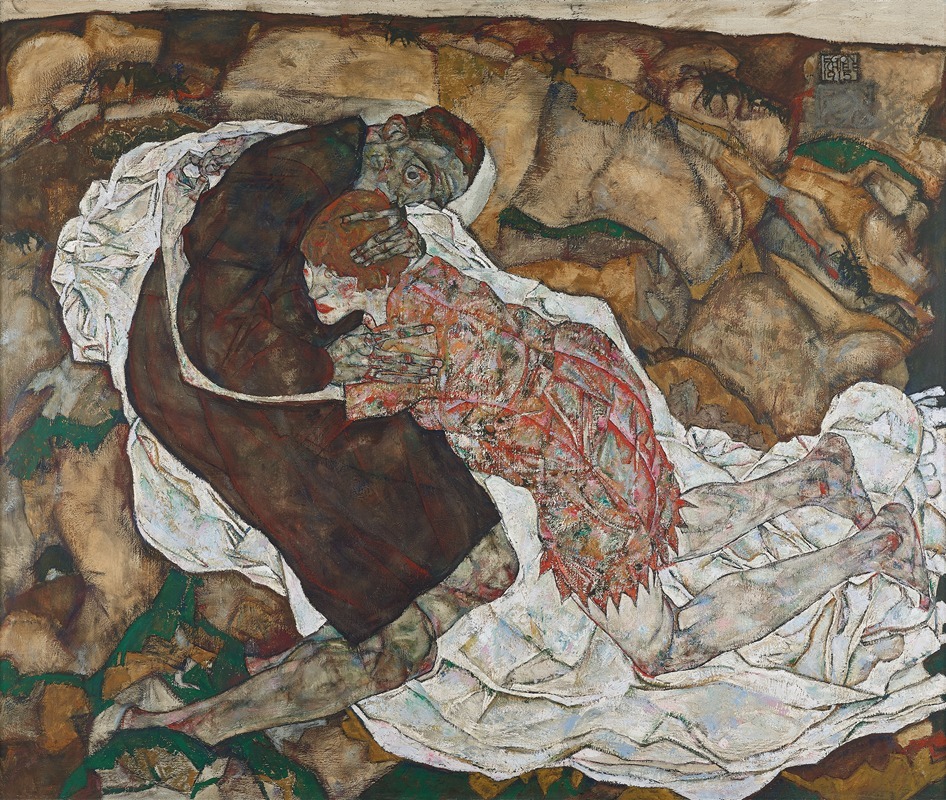
At twenty-five, he made a ruthless break with Wally, his companion of many years, to marry Edith Harms, a middle-class woman who lived opposite his studio. Just days after their wedding, he was drafted into the Austrian army during the First World War, yet sympathetic officers allowed him to continue producing numerous portraits throughout his service. During this period, his focus shifted from narcissistic introspection to the lives of others and universal human destiny. His sharp, jagged contours gradually softened, and the figures he depicted gained solid physical mass and a three-dimensional, sculptural presence.
In March 1918, he achieved triumphant commercial success when invited to hold a solo presentation in the central hall of the 49th Vienna Secession exhibition, where nearly all his exhibited works were sold. Commissions from wealthy patrons poured in, ushering in the most financially stable period of his life. He began painting a canvas featuring himself crouching nude in a dark interior, his wife Edith resting at his feet, and the unborn child she carried. He seemed at last to have transcended his tumultuous struggles, envisioning a harmonious family future. That autumn, however, the Spanish flu raged across Europe, claiming the life of his six-month pregnant wife, and just three days later, Schiele himself succumbed to the illness at the age of twenty-eight. His final family portrait remained forever unfinished and is now housed in the Belvedere Museum in Vienna.