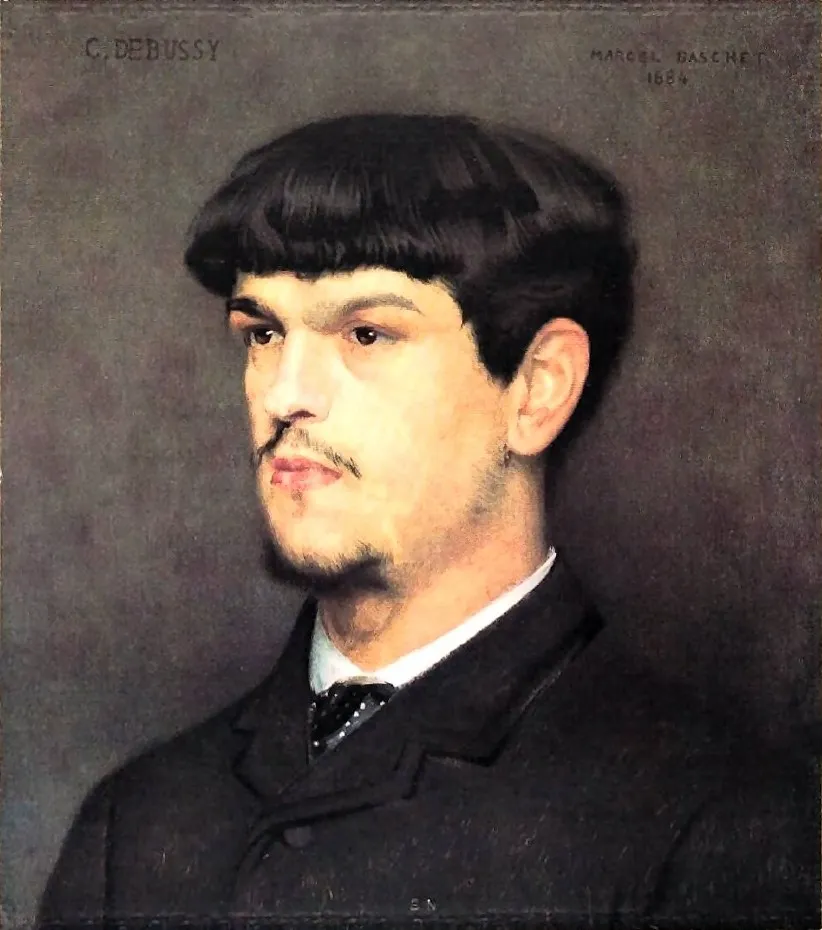
1862–1918 (France)
A leading master of modern French music, active from the late 19th to early 20th century. Breaking free from traditional…
A work that ushered in modern music, enveloping midsummer afternoon slumber and shapeless emotional tremors within a veil of sound.
Listen to a recording
Prelude to the Afternoon of a Faun
Piece Guide & Analysis
What Scene Does It Depict? — The Story Behind the Title
In the heat of a summer afternoon, a mythological faun slumbers in the shade. A languid, sensual atmosphere lingers as the boundary between reality and dream melts away. Completed by Claude Debussy in 1894, this piece was born from a profound resonance with the Symbolist movement that swept the late-19th-century French literary world, particularly the poem The Afternoon of a Faun by Stéphane Mallarmé. Debussy dedicated the score to composer Raymond Bonheur, a friend from his days at the Paris Conservatoire who had introduced him to Mallarmé's literary salon.
Originally, this project was conceived as incidental music to accompany a poetry reading or theatrical staging. Proposed by Mallarmé himself, it was initially announced as a triptych consisting of a "Prelude," "Interlude," and "Final Paraphrase." However, when the theatrical production fell through, Debussy discarded his sketches for the interludes and condensed all the musical material into a single-movement symphonic poem: the Prelude alone. Arising not from a formal commission but from the composer's own inner impulse, this decision ultimately liberated the music from being subordinate to the stage.
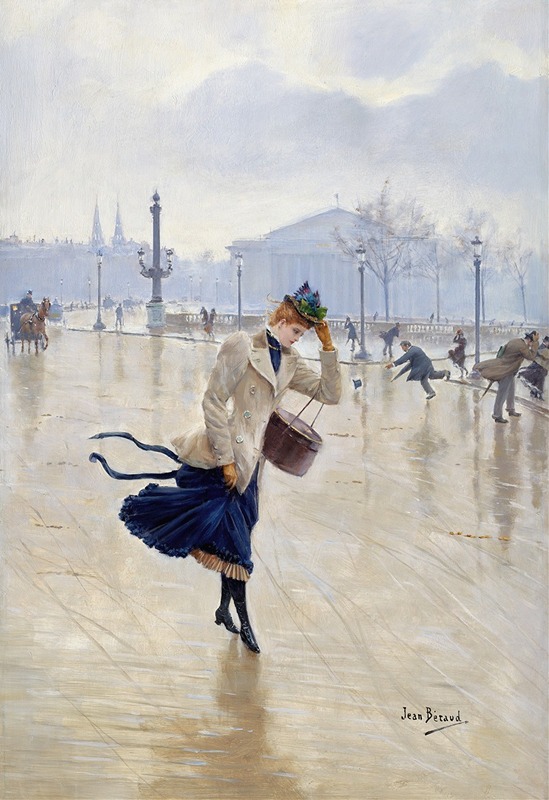
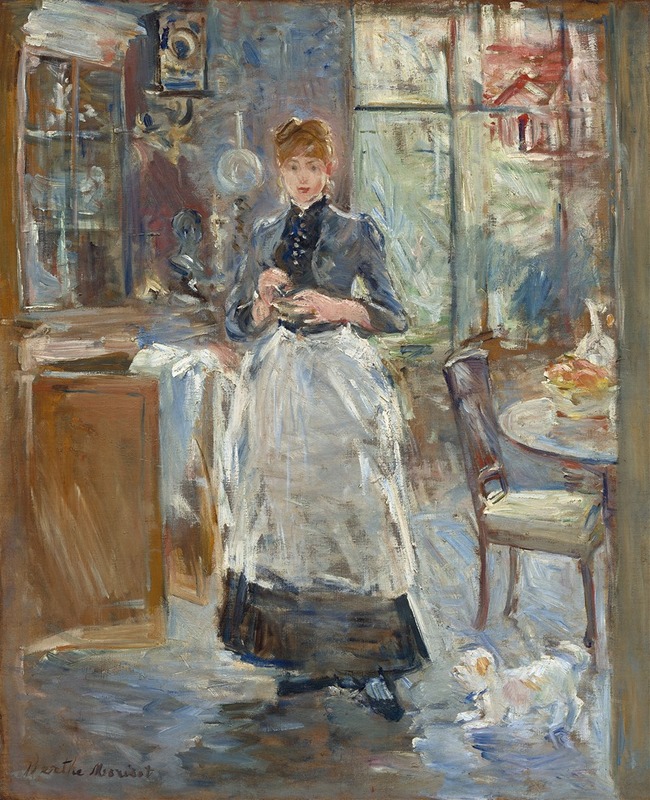
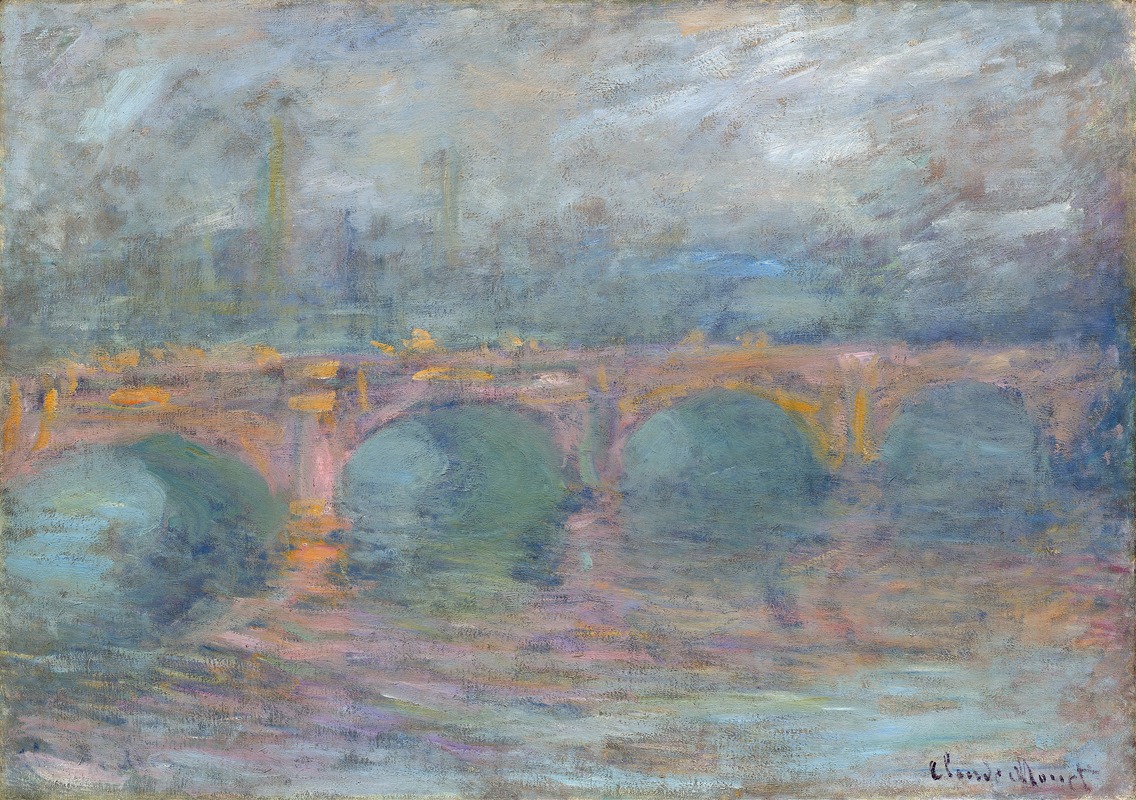
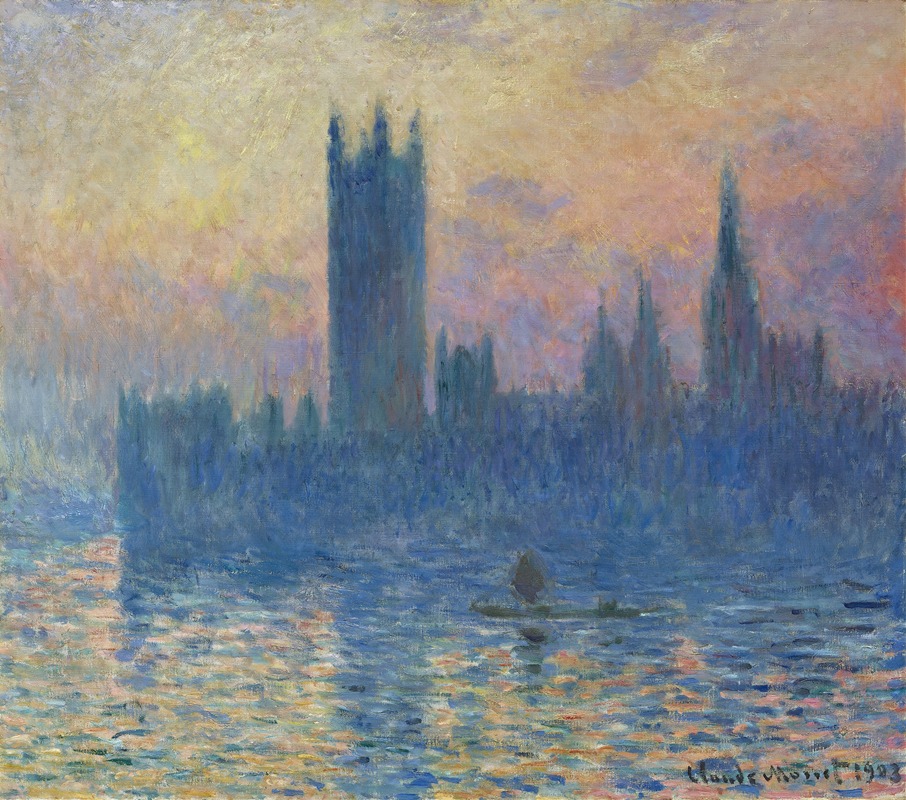
This piece is often described as translating the light and color of Impressionist painting—such as works by Monet or Renoir—into sound, but the reality is quite different. Debussy himself remained deeply skeptical throughout his life of critics' attempts to categorize him as an "Impressionist." What he sought was not to depict concrete objects directly, but rather to use the methods of Symbolism to suggestively evoke the subjective moods and elusive emotional tremors they awaken.
The Narrative — What Happens in This Music
The music traces the faun's shifting psychological states in Mallarmé's poem: slumber, desire, recollection, and oblivion. Intentionally dismantling classical sonata form, the narrative unfolds through Debussy's own flexible, ternary design. In the first section, an unaccompanied flute plays the faun's theme, and the forest air begins to tremble faintly. In the middle section, memories of nymphs and sensual longing overflow into an expansive, romantic melody. Finally, through the third section and the coda, the faun sinks back into a deep sleep.
The premiere took place on December 22, 1894, at the Salle d'Harcourt in Paris, conducted by Gustave Doret with the eighteen-year-old Georges Barrère on flute. The audience was ecstatic; as soon as the piece ended, thunderous applause erupted, leading to the rare occurrence of the entire work being encored on the spot. Mallarmé had initially harbored deep doubts about having his words translated into music, but upon hearing Debussy play it on the piano before the premiere, he praised it warmly, remarking that it extended the emotion of his poem and established the scene even more vividly than color. After the premiere, he presented Debussy with a deluxe edition of the poem accompanied by an autographed quatrain.
The sensuality and novelty of the music later spilled over into the physical realm of ballet. In 1912, Sergei Diaghilev's Ballets Russes staged the work using Debussy's original orchestral score. Vaslav Nijinsky, who choreographed and starred in the production, completely abandoned conventional, dazzling leaps in favor of two-dimensional, austere postures inspired by ancient Greek vase paintings. In the final scene, the faun lowers himself onto the veil left behind by a nymph—a gesture that shocked Parisian audiences and provoked a massive scandal.
Musical Analysis — Where Meter and Harmony Dissolve
Rather than merely a succession of beautiful melodies, this work is built upon a meticulous acoustic blueprint. Let us examine its inner workings through two perspectives: shifting rhythmic landscapes and harmonic function.
About 666 more words
Unlock this story's ending, and every article on MusicStory
- 42
Stories1–2 new every week
An archive of paintings paired with great music, made for a weekend night and a cup of coffee
- 282
Paintings with commentarygrowing daily
From simply looking to truly reading — the brushwork and the obsession of the masters
- 10
Music Librarygrowing daily
Know it first, and what reaches your ear changes — background music becomes art you keep for life
My Notes, unlimited
Every reading adds to a digital art notebook that is yours alone
Already have an account? Log in
Your Note
Write down what you felt and learned from this piece in your art notebook.
Please sign up to write notes.
Sign up for freeSources & references
- en.wikipedia.org
- www.riphil.org
- musicbrainz.org
- www.bso.org
- imslp.org
- fcsymphony.org
- brennawiinanen.com
- www.bruzanemediabase.com
- interlude.hk
- www.henle.de
- www.scribd.com
- www.cambridge.org
- www.rene-gagnaux.ch
- gabrieleslizyte.com
- www.scribd.com
- library.oapen.org
- ulverstonmusicfestival.co.uk
- www.auditorium-lyon.com
- csphilharmonic.org
- www.bruzanemediabase.com
This site is protected by reCAPTCHA, and the Google Privacy Policy and Terms of Service apply.
If you find an error in this content, please let us know here