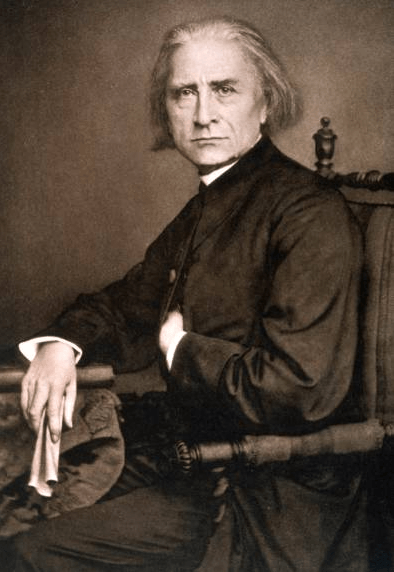
圧倒的な演奏技術で19世紀を熱狂させ、近代音楽の扉を開いた革新者
A Hungarian composer who was a leading figure of 19th-century Romanticism and one of the greatest pianists in music history. Known for his exceptional virtuosity and dazzling performances, he was dubbed the 'Wizard of the Piano' and sparked a fervent social phenomenon across Europe, giving rise to the term 'Lisztomania'. As a composer, he pioneered the 'symphonic poem,' a new genre that linked elements of literature, poetry, and landscape with music. Furthermore, he transcribed (arranged) masterpieces by other composers, such as Beethoven's symphonies and Schubert's Lieder, for the piano, playing a crucial role in popularizing them among the wider public. He was also dedicated to nurturing young talent, establishing the 'master class' teaching format that continues to this day, and producing many renowned pianists. As a leading figure of the 'New German School', he provided financial and artistic support to contemporary innovative musicians like Wagner and Berlioz. In his later years, he received minor orders in the Catholic Church, becoming 'Abbé Liszt', and explored avant-garde and mystical harmonies that foreshadowed 20th-century atonal music, continuously expanding the possibilities of music throughout his life.
作風の変遷 ― 超絶技巧の誇示から沈黙の和声革命へ
1830年代、パガニーニの演奏に衝撃を受けた初期のリストは、ピアノにおける技術の限界拡張に邁進します。この時期の代表作『パガニーニによる大練習曲 第3番「ラ・カンパネラ」』や『超絶技巧練習曲 第4番「マゼッパ」』では、極限の跳躍や激しい指の交差が求められました。しかし、彼は単なる見せかけの技巧を追求したわけではありません。ジョルジュ・サンド宛ての公開書簡で「技巧を目的ではなく手段とすることを心から望む」と記したように、超絶技巧はあくまで劇的な表現のための手段でした。
1847年に巡業演奏家からの引退を表明し、ヴァイマルの宮廷楽長に就任すると、中期リストの関心は大規模な構造の探求へと移ります。この時期の金字塔が、1853年に完成した『ピアノソナタ ロ短調』です。従来の多楽章形式を解体し、単一楽章の中にソナタ形式やスケルツォなどの要素を凝縮する革新的な手法をとりました。また、管弦楽の分野でも『交響詩 第3番「前奏曲(レ・プレリュード)」』を発表し、短い動機を変容させながら物語を描き出す「交響詩」というジャンルを確立します。
晩年のリストの楽曲は、老齢による技巧の衰退や精神的な鬱症状によって難解になったと言われがちですが、実際は高度に計算された和声革命でした。1881年に作曲された『灰色の雲』などの小品では、華やかな技巧が完全に削ぎ落とされています。主和音への解決という従来のルールを意図的に停止させ、増三和音や不協和音をそのまま響かせる実験的な様式へと到達しました。この不協和音のまま唐突に終わる音楽は、後のドビュッシーの印象主義やシェーンベルクの無調音楽を数十年前も先取りする歴史的な偉業となりました。
神話の解体 ― ベートーヴェンの接吻と最期の言葉
リストの生涯には、後世に作られたドラマチックな神話が数多く存在します。その代表が、1823年のウィーンでの演奏会にまつわる逸話です。神童リストの演奏に感動した巨匠ベートーヴェンがステージに上がり、彼の額に「祝福の接吻」を与えたと長く語り継がれてきました。しかし、当時のベートーヴェンはすでに重度の難聴を患っており、この演奏会に出席していたという客観的な記録は存在しません。実際には、リスト自身が後年になって自らの音楽的な正統性を印象づけるために、このストーリーを補強し流布させたことが分かっています。
また、リストの最期の瞬間にまつわる伝説も、事実とは異なります。1886年にバイロイトで息を引き取った際、彼が「トリスタン……」という言葉を残したと当時の新聞などで報じられました。しかし、最期に立ち会った弟子の私的な日記によれば、病床のリストは急性肺炎による高熱で錯乱状態にあり、意味のある言葉を残せる状態ではありませんでした。この劇的な最期の言葉は、娘のコジマが夫であるワーグナーとの結びつきを神格化するために作り上げた虚構だったのです。
こうした神話が生まれるほど、リストという存在が19世紀のヨーロッパ社会に与えた衝撃は計り知れないものでした。しかし、作られた伝説を削ぎ落とした後に浮かび上がる実像こそが、彼の真の偉大さを物語っています。無償で弟子を育て、ワーグナーら同時代の作曲家を庇護し、音楽の未来を切り拓くために生涯を捧げた知的な求道者。それこそが、フランツ・リストという人間の本当の姿なのです。
Read each piece's commentary as you listen, and what reaches your ear changes. Start with whichever title catches your eye.
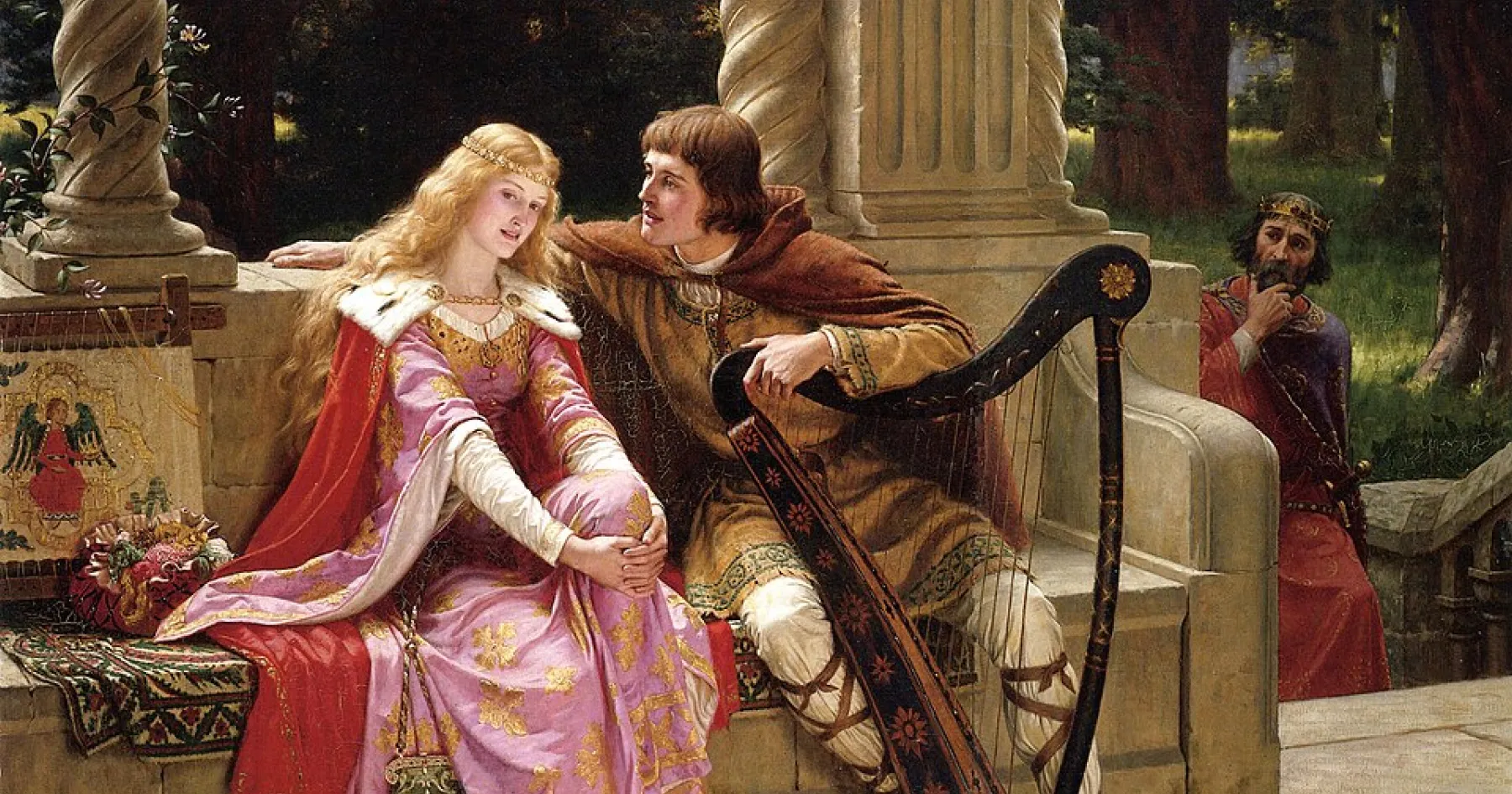
- 1811(aged 0)
ハンガリー王国のライディングにて、エステルハージ家に仕える両親のもとに誕生する。
- 1821(aged 10)
ウィーンへ移住し、カール・チェルニーにピアノ、アントニオ・サリエリに作曲を師事する。
- 1823(aged 12)
パリへ移住するも、外国人であることを理由にパリ音楽院への入学を拒否される。
- 1827(aged 16)
父アダムが客死し、精神的ショックから演奏活動を休止して読書と信仰に没頭する。
- 1831(aged 20)
パリでニコロ・パガニーニの演奏を聴き、ピアノ演奏技術の限界拡張を決意する。
- 1838(aged 27)
ペシュトの大洪水を知り、ウィーンで被災者救済のためのチャリティ演奏会を開催する。
- 1839(aged 28)
ロンドン等で独奏ピアニストのみによる史上初の「ソロ・リサイタル」を開催する。
- 1847(aged 36)
キエフでの演奏会でキャロライン公女と出会い、巡業演奏家からの引退を表明する。
- 1848(aged 37)
ヴァイマル公国の宮廷楽長に就任し、交響詩の作曲やワーグナー作品の指揮に注力する。
- 1853(aged 42)
従来の多楽章形式を解体し単一楽章に凝縮した『ピアノソナタ ロ短調』を完成させる。
- 1865(aged 54)
ローマにて下級小品位を受け、「アベ・リスト(リスト神父)」と呼ばれるようになる。
- 1886(aged 75)
娘コジマが主催するバイロイト音楽祭の訪問中に急性肺炎を発症し、7月31日に死去する。
演奏会、それは私だ
高貴さが義務を課すというならば、高貴さ以上に――天才は義務を課す!
私たち音楽家にとって、ベートーヴェンの作品はイスラエルの民を砂漠で導いた雲の柱であり火の柱である
トリスタン……

カール・チェルニー
Relation: Teacher
ウィーン時代に無償でピアノを指導し、圧倒的な打鍵技術を植え付けた。
Niccolò Paganini
Relation: Influenced by
1831年にパリで演奏を聴き、ピアノにおける技術革新の決意を与えた。
Ludwig van Beethoven
Relation: Admired
生涯の道標として全交響曲をピアノ用に編曲し、記念碑建立も支援した。
ジギスモント・タールベルク
Relation: Rival
1837年にパリのサロンで対峙し、ロマン派ピアノ表現の可能性を高め合った。
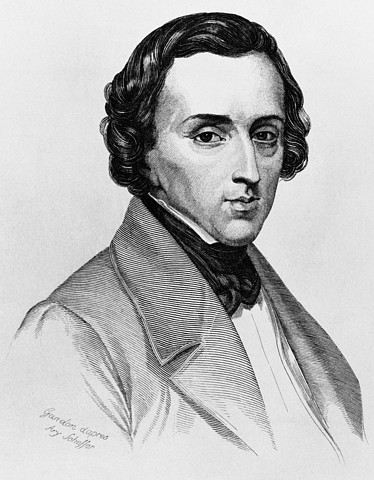
Frédéric Chopin
Relation: Friend & patron
1830年代のパリで親交を結び、リストは彼の作品を絶賛して積極的に普及させた。
ハンス・フォン・ビューロー
Relation: Student
1850年代に指導を受け、リストの革新的な指揮法とピアニズムを継承した。
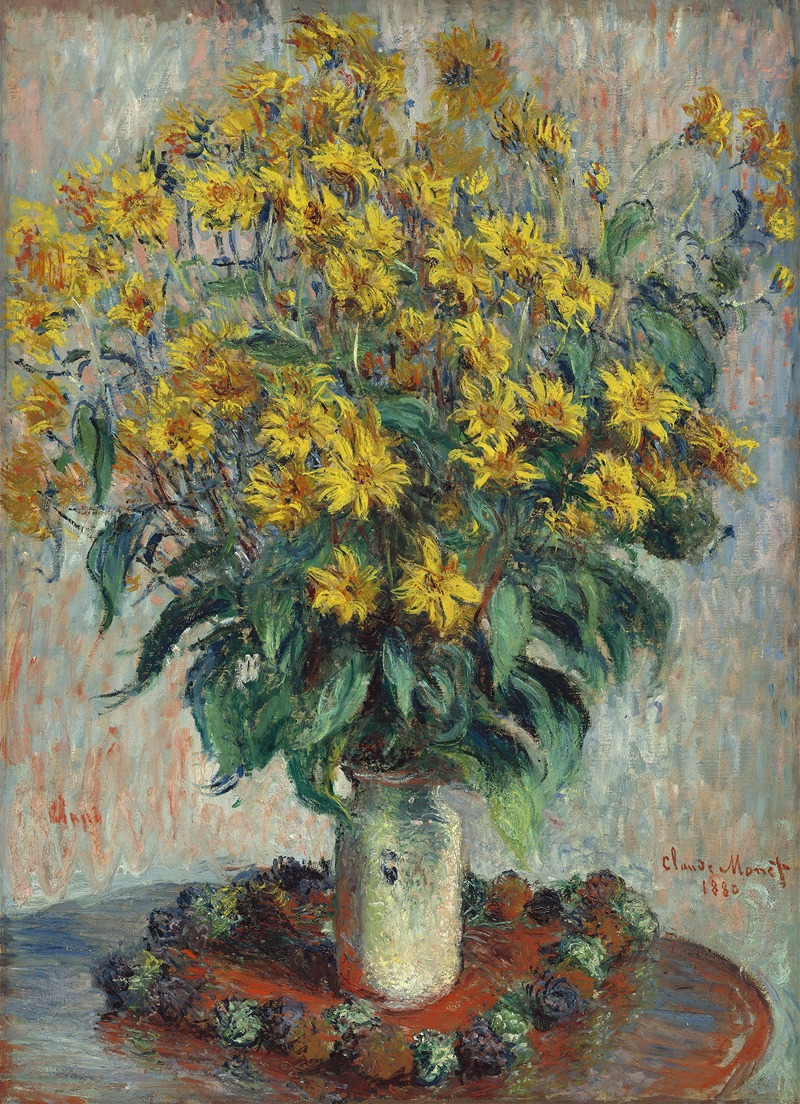
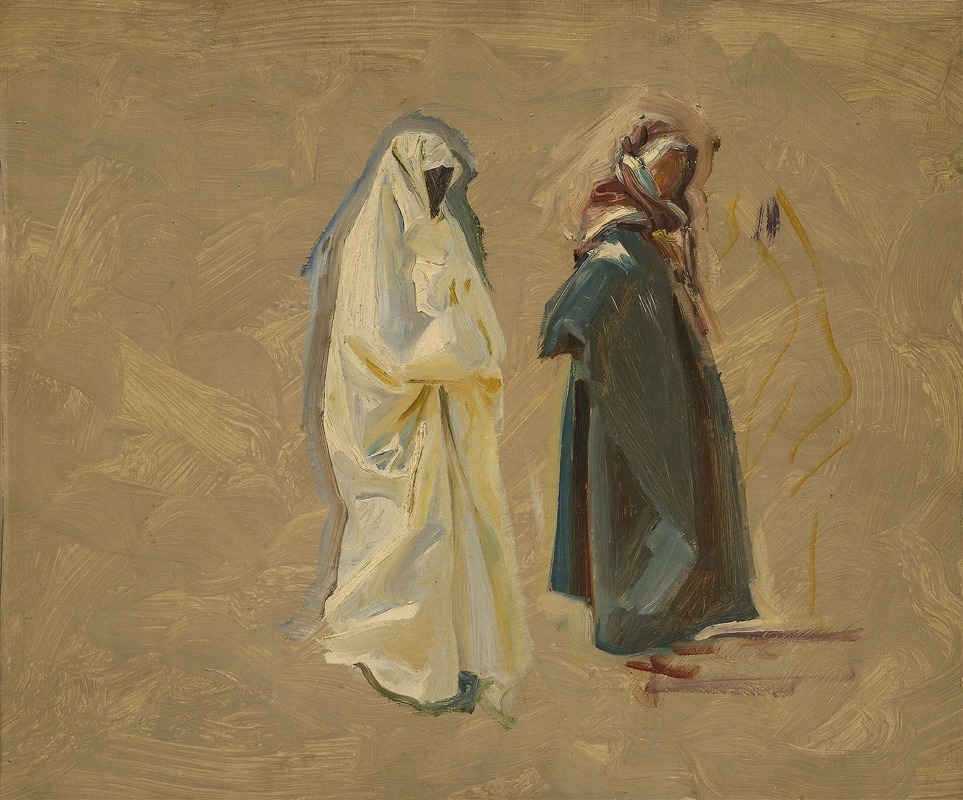
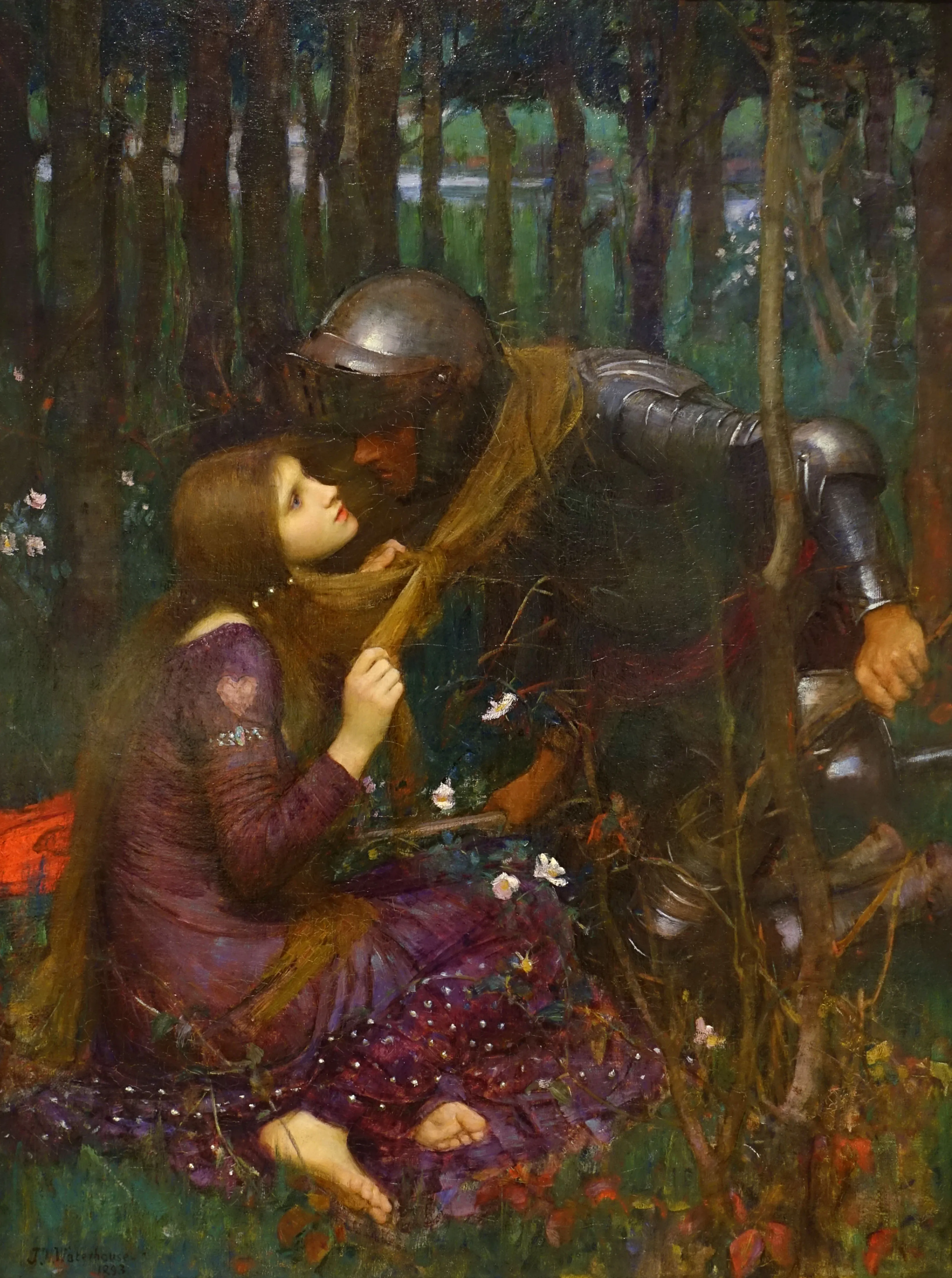
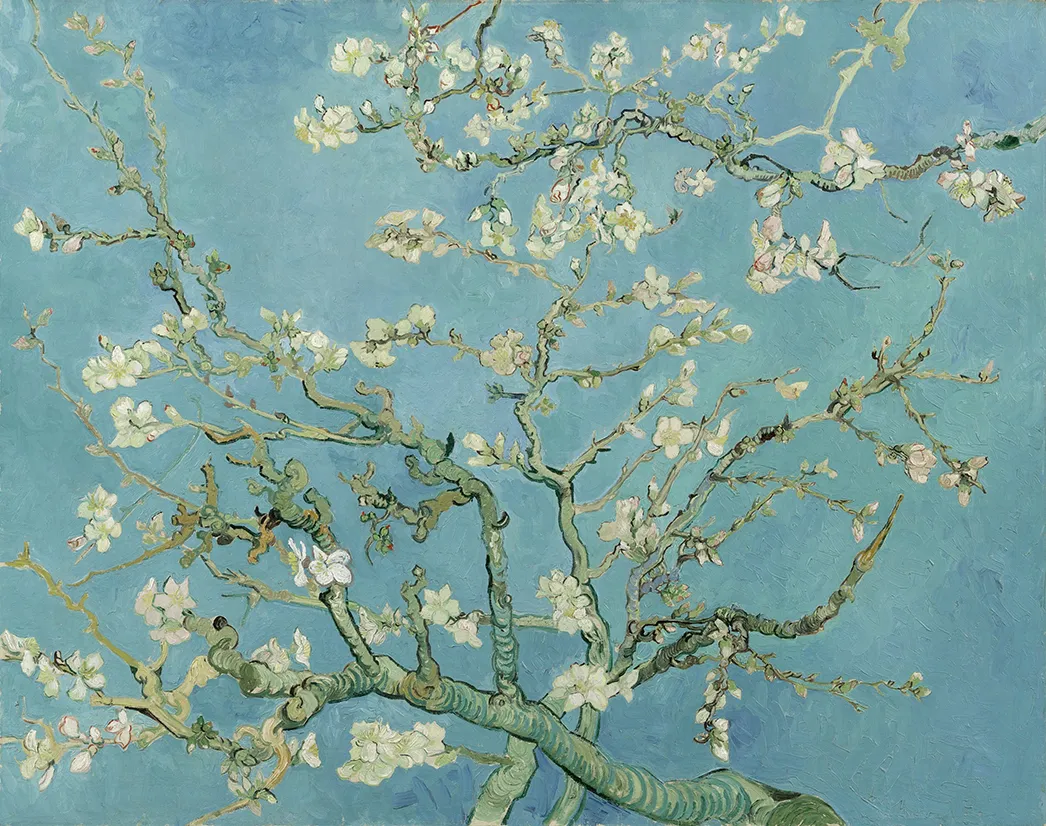
What were painters creating in the age of Franz Liszt?