
Étretat, Falaise d'Aval
1885
MomentImpressionism
_Claude_Monet_(W_P_76).webp)
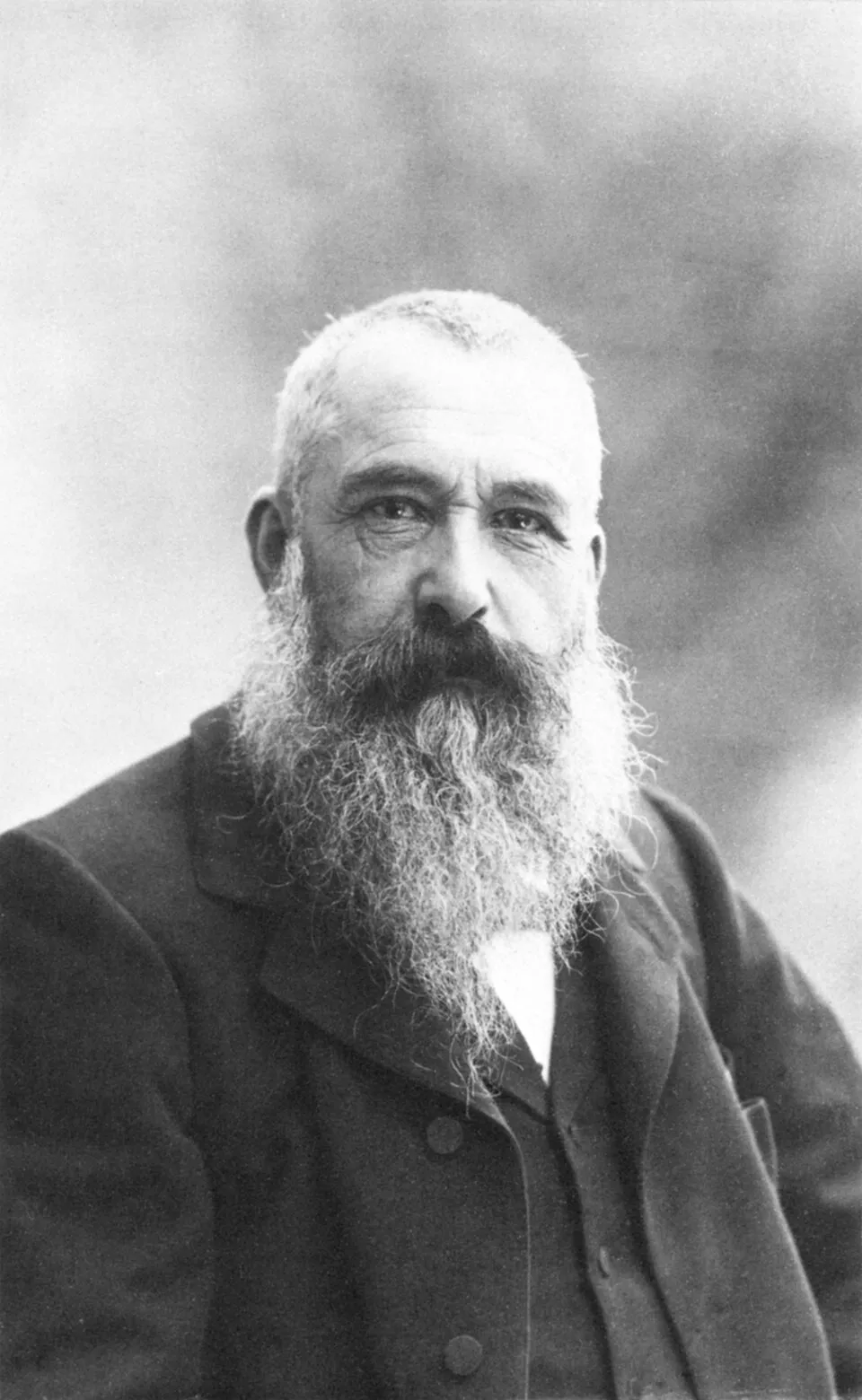
Celebrated as a founding figure of Impressionism, he is one of France’s most ren…
The sea, where the rough Atlantic waves crash, and the colossal chalk arch cliffs towering above it.
A magnificent and dramatic natural landscape, sparkling under the sunlight.
Yet, in fact, when this painting was created, the painter Monet was in the throes of maddening anguish, battling against uncontrollable nature.
Sign up free to keep reading
About 155 more words
Read stories of masterpieces for free
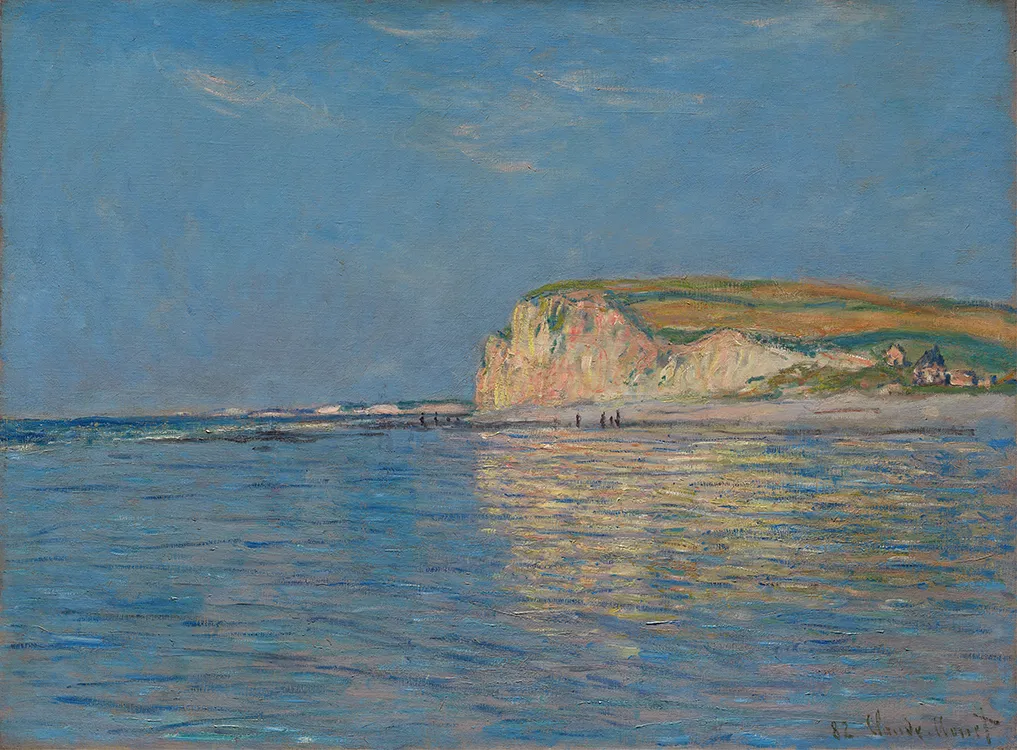
Stories featuring this painting
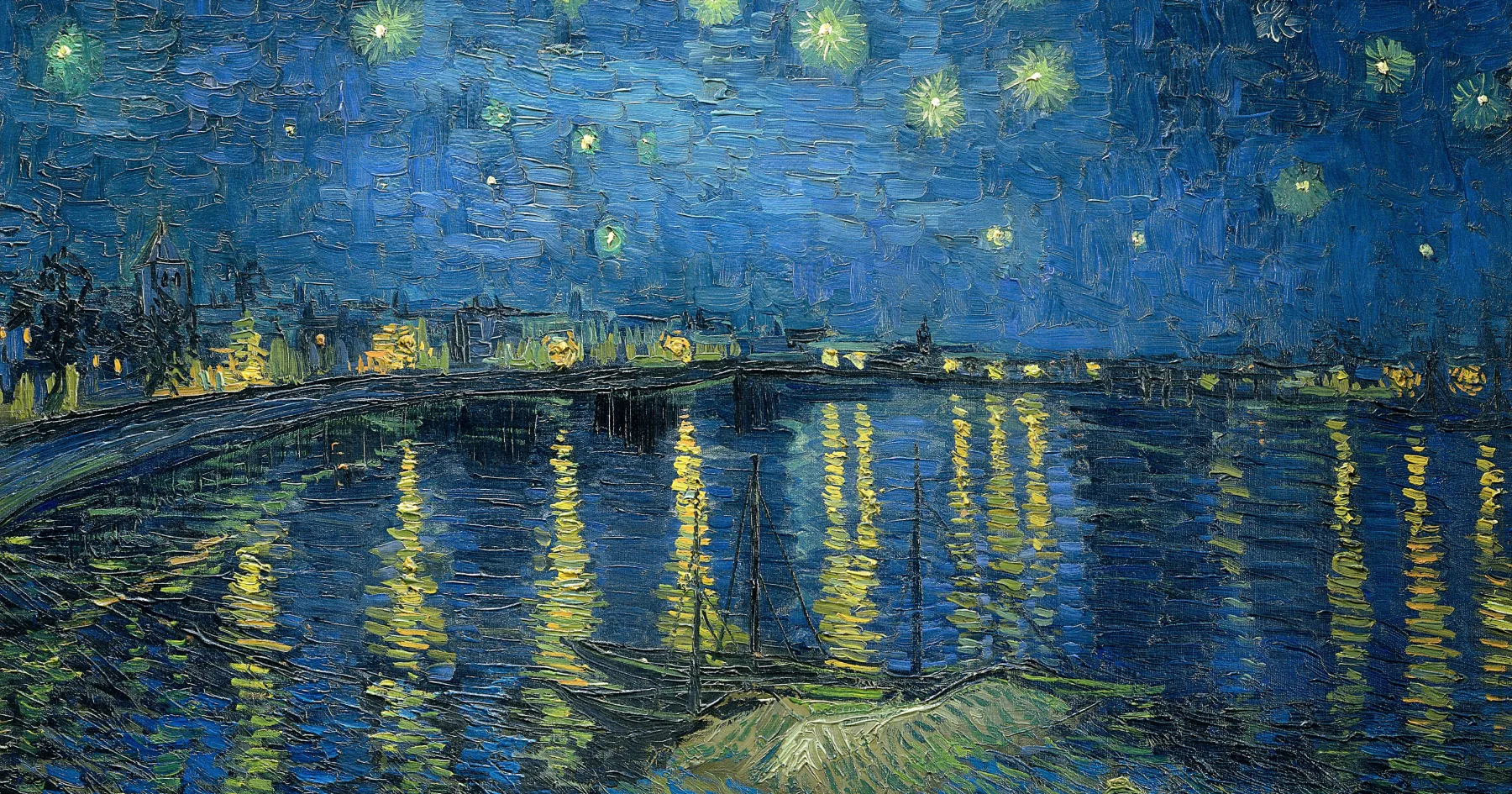
Your Note
Write down what this painting made you feel in your art notebook.
Please sign up to write notes.
Sign up for freeRecommended Artworks
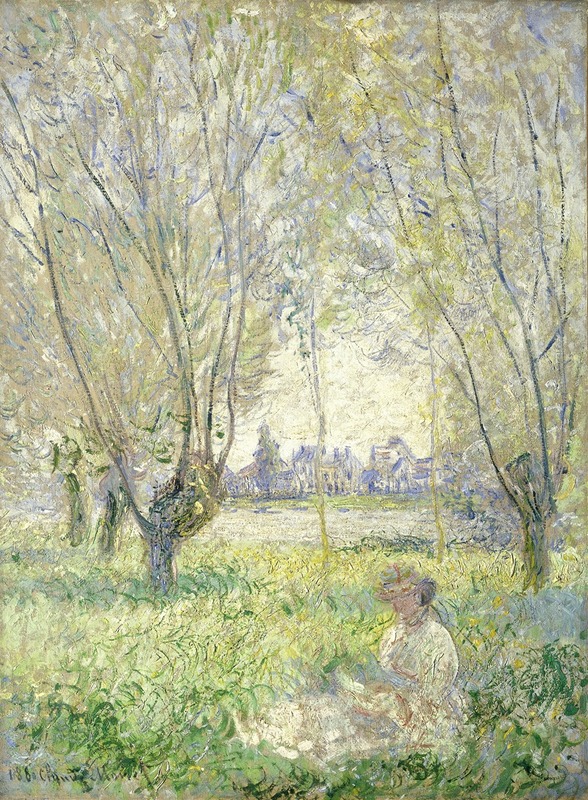
_Claude_Monet_-_Muse%CC%81e_des_Beaux-Arts_de_Lyon_(W821)+(1).webp)
More artists

If you find an error in this content, please let us know here
This site is protected by reCAPTCHA, and the Google Privacy Policy and Terms of Service apply.