
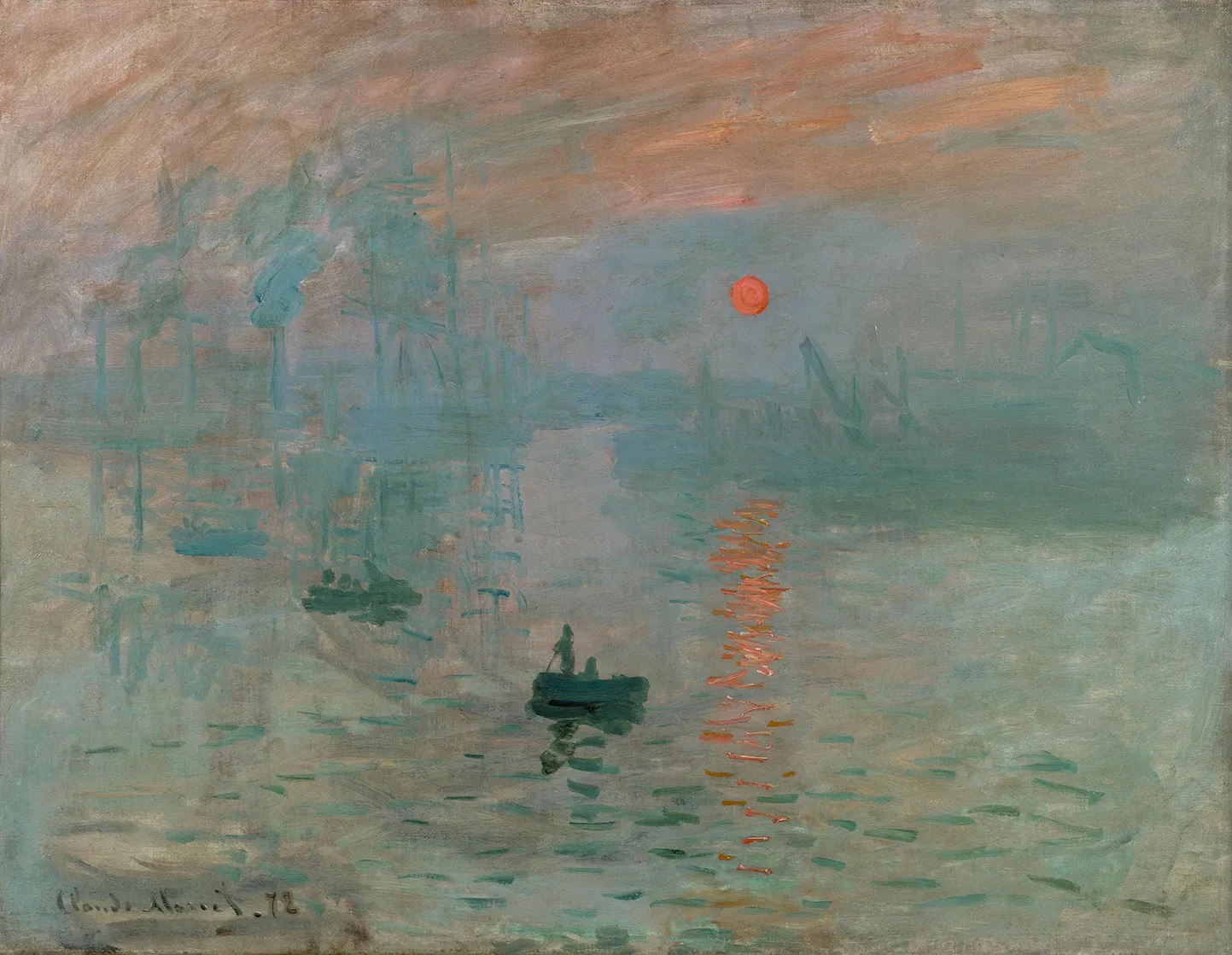
Impression, Sunrise
1872
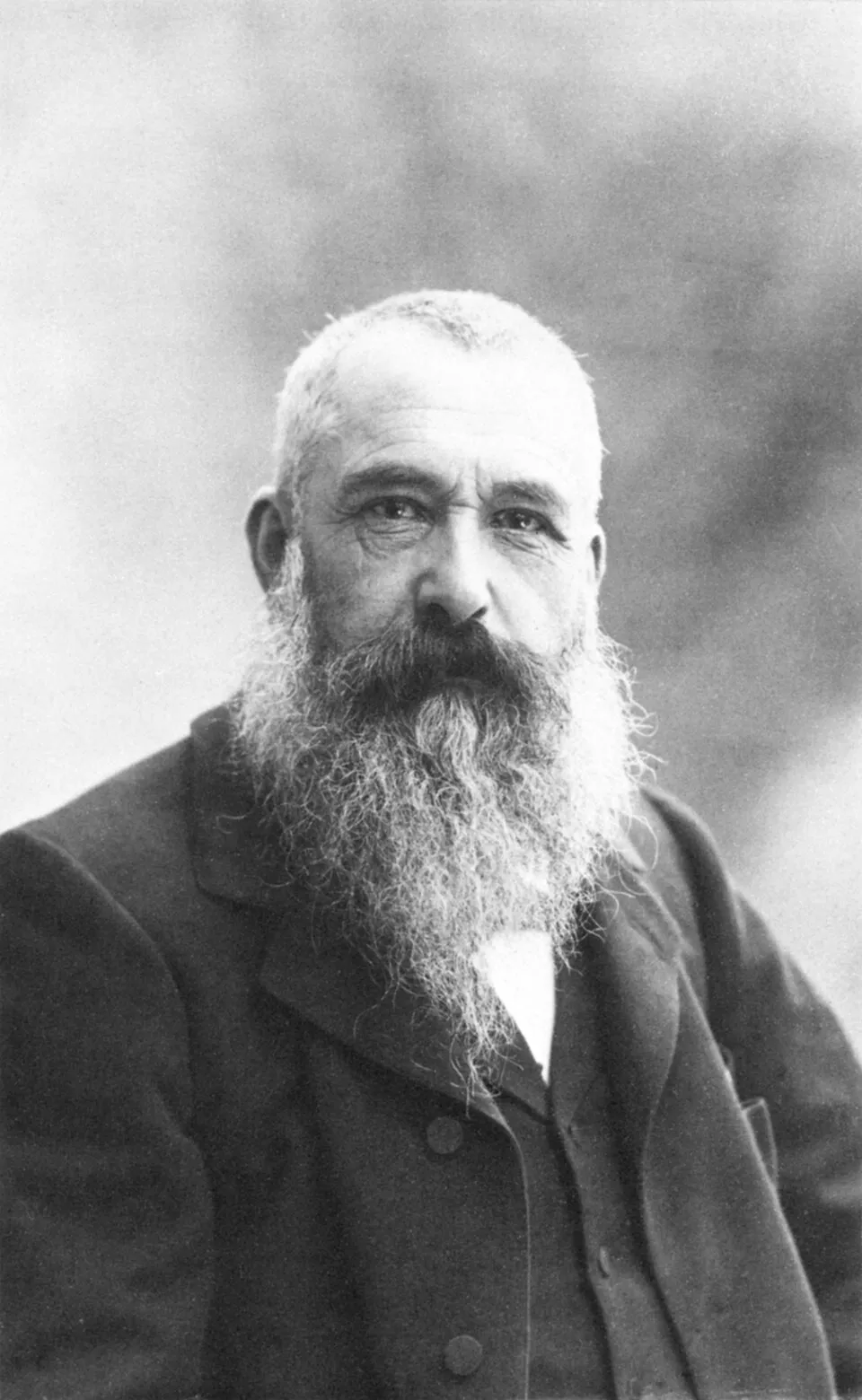
Celebrated as a founding figure of Impressionism, he is one of France’s most ren…
Le Havre harbor, enveloped in bluish-gray mist, with small boats gently swaying on the water. A cityscape at dawn, where modern factory chimneys and cranes emerge as silhouettes.
However, in reality, when this painting was created, the painter Monet and his homeland France had just overcome a dark and difficult period.
The nation was devastated and in turmoil due to the defeat in the Franco-Prussian War.
About 150 more words
Read stories of masterpieces for free
Stories featuring this painting
Your Note
Write down what this painting made you feel in your art notebook.
Please sign up to write notes.
Sign up for freeRecommended Artworks
_Claude_Monet_-_Muse%CC%81e_des_Beaux-Arts_de_Lyon_(W821)+(1).webp)
More artists

If you find an error in this content, please let us know here
This site is protected by reCAPTCHA, and the Google Privacy Policy and Terms of Service apply.