
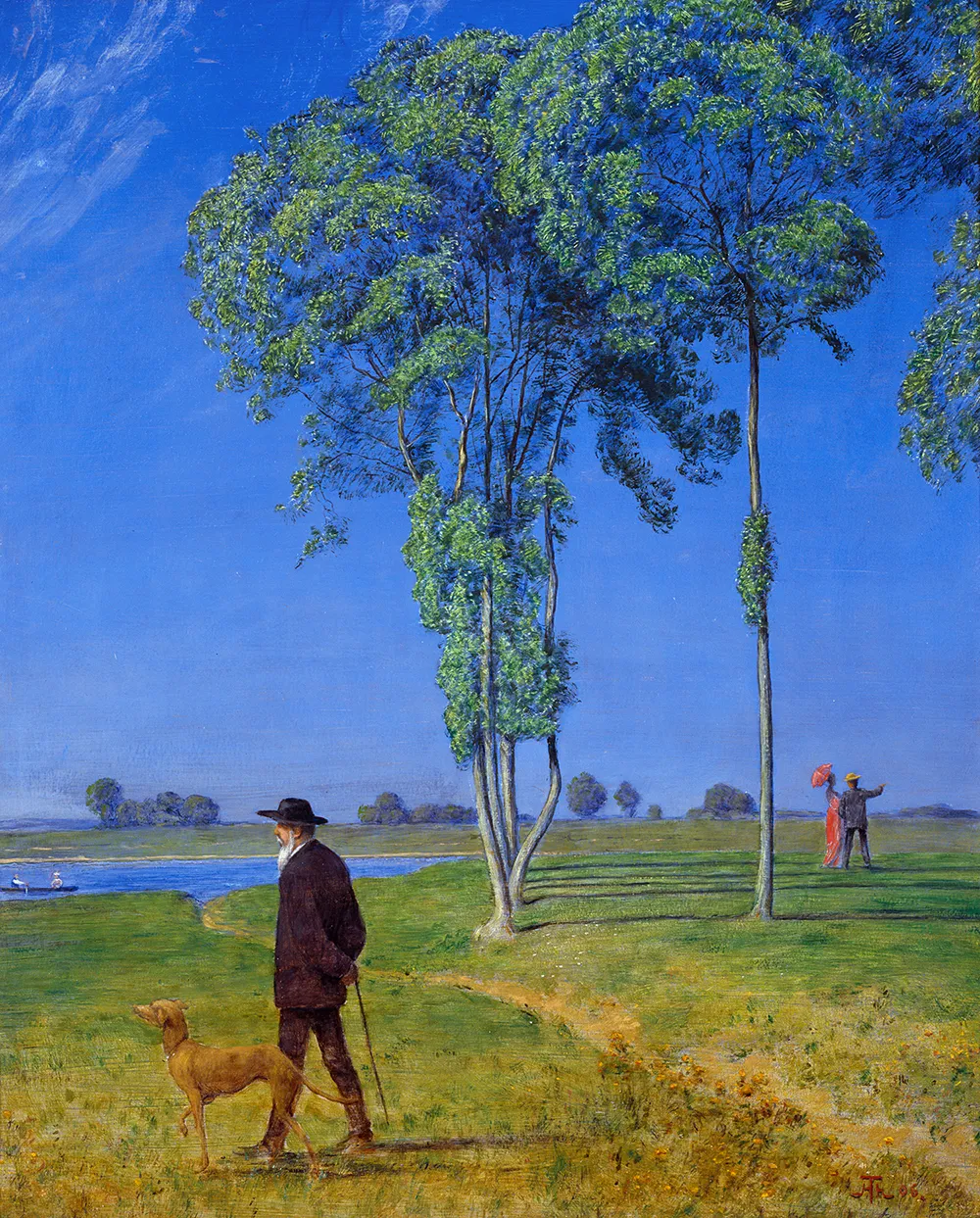
Solitude
1906
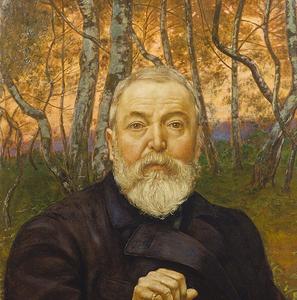
Hans Thoma was a German painter. He was born on 2 October 1839 in Bernau, Grand…
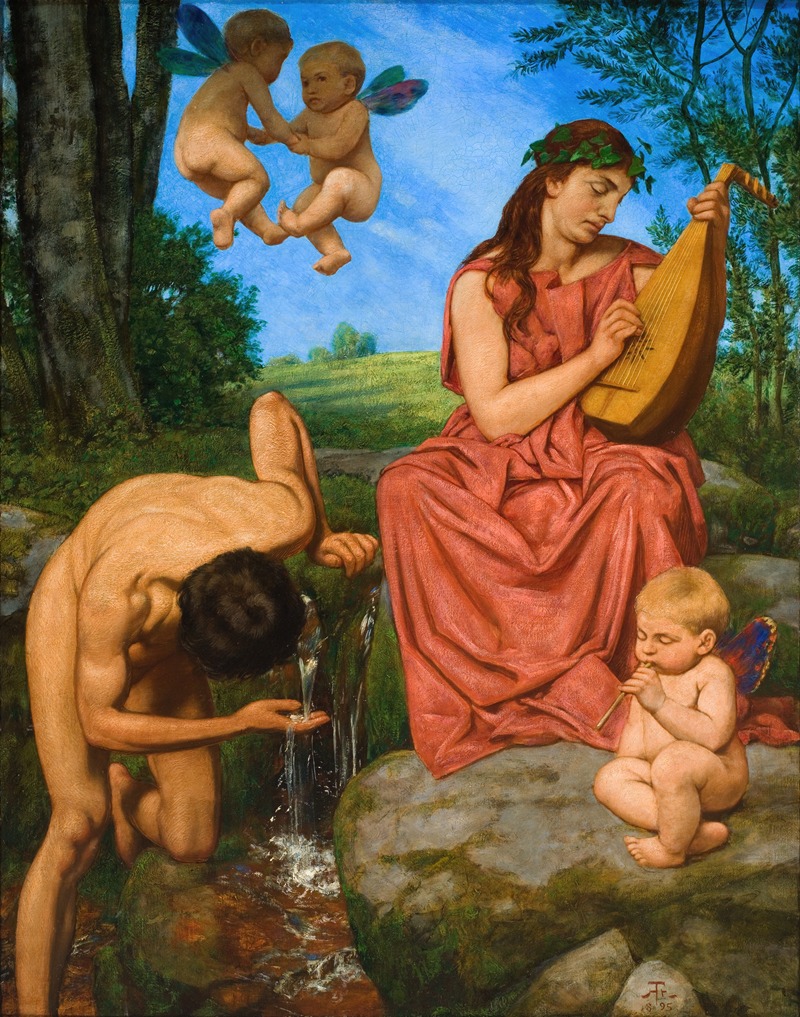
Meticulously depicted natural details and a mythical figure standing within them.
At first glance, it's a nostalgic and serene landscape, reminiscent of Arcadia (an ideal realm).
However, behind this idyllic work lies the painter's profound solitude in the face of reality and a strong yearning for 'another world' (a counter-world).
About 136 more words
Unlock this story's ending, and every article on MusicStory
- 42
Stories1–2 new every week
An archive of paintings paired with great music, made for a weekend night and a cup of coffee
- 282
Paintings with commentarygrowing daily
From simply looking to truly reading — the brushwork and the obsession of the masters
- 10
Music Librarygrowing daily
Know it first, and what reaches your ear changes — background music becomes art you keep for life
My Notes, unlimited
Every reading adds to a digital art notebook that is yours alone
Already have an account? Log in
Music recommended for this painting
Your Note
Write down what this painting made you feel in your art notebook.
Please sign up to write notes.
Sign up for freeRecommended Artworks
.webp)
More artists
If you find an error in this content, please let us know here
This site is protected by reCAPTCHA, and the Google Privacy Policy and Terms of Service apply.