
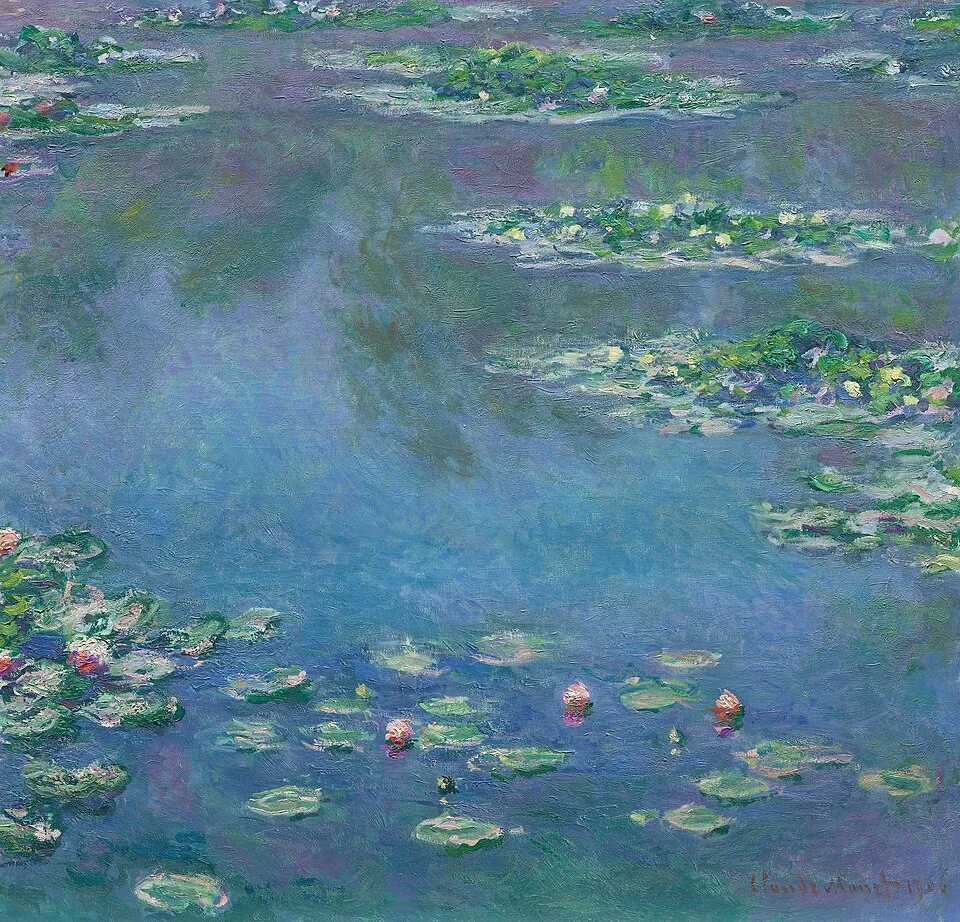
The Water-Lily Pond (Water Lily Pond), circa 1917-19
1919

Celebrated as a founding figure of Impressionism, he is one of France’s most ren…
With no horizon or banks visible, the water surface fills the entire view.
A vast, immersive landscape where only the pond, reflecting the sky like a mirror, and clusters of water lilies floating upon it, extend.
Yet, at the time this painting was created, the painter Monet was plunged into the depths of despair, both physically and mentally.
About 182 more words
Read stories of masterpieces for free
Music recommended for this painting
Stories featuring this painting
Impressionism
Why Did Monet Paint the Same Landscape So Many Times?
Premium ImpressionismWaterWater surface
The Same Beauty of Water, Seen Through Canvas and Keys: Debussy's Piano Piece 'Reflections in the Water'
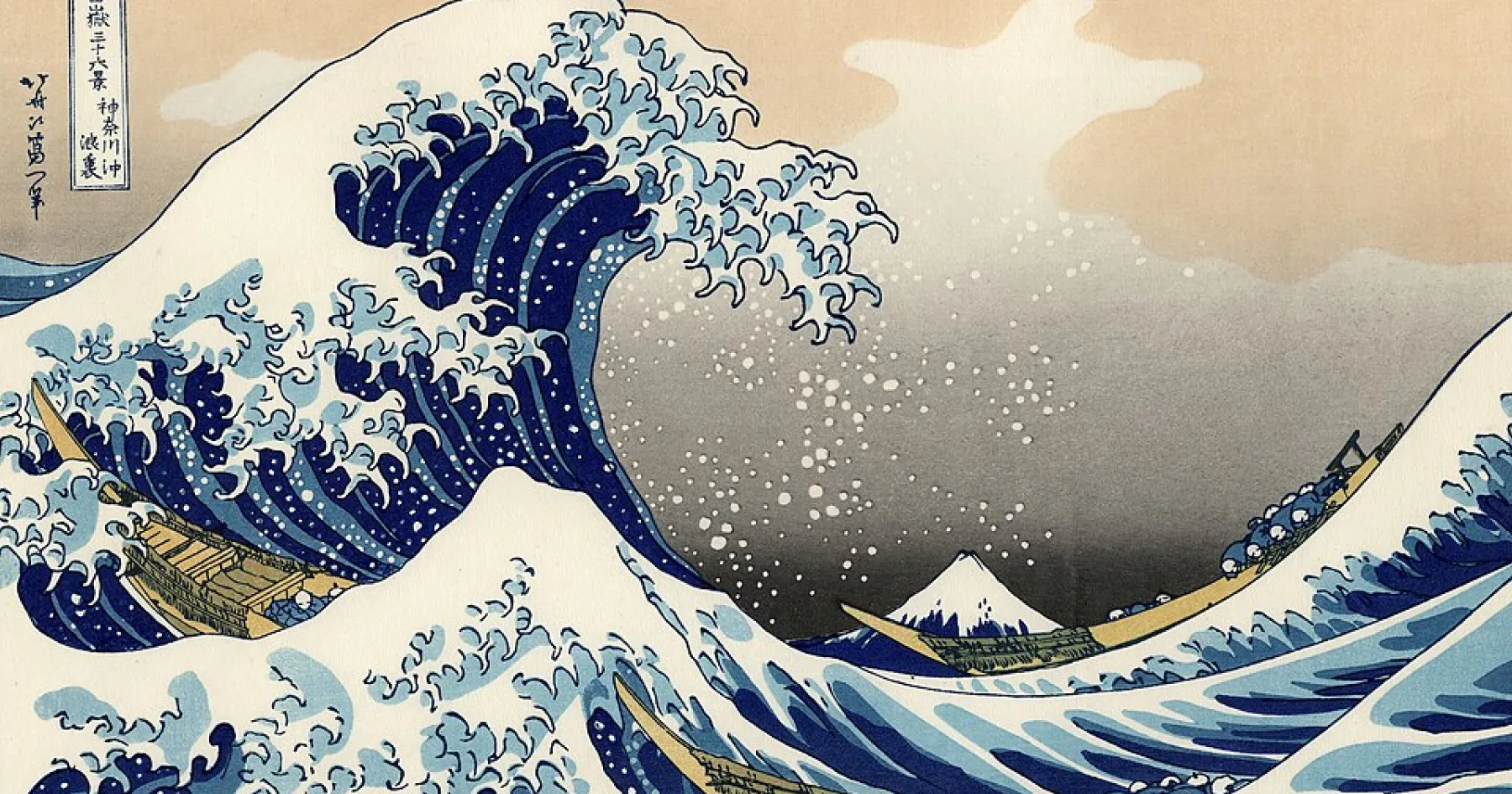
Premium ImpressionismSeaJaponism
Pure Swells of Waves, Stripped of Landscape: Debussy's Symphonic Poem, La Mer
Your Note
Write down what this painting made you feel in your art notebook.
Please sign up to write notes.
Sign up for freeRecommended Artworks

More artists








If you find an error in this content, please let us know here
This site is protected by reCAPTCHA, and the Google Privacy Policy and Terms of Service apply.