
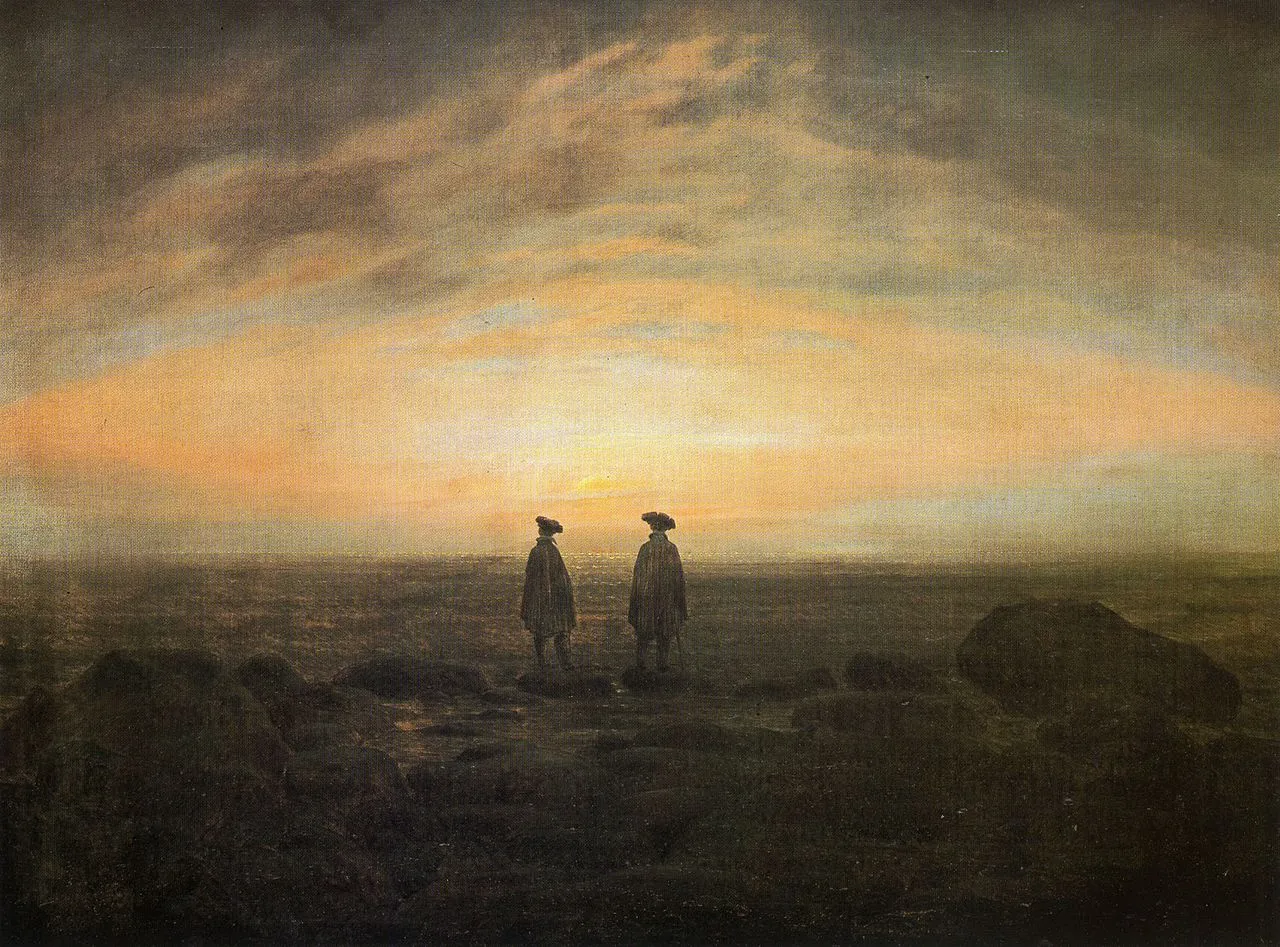
Two Men by the Sea
1817
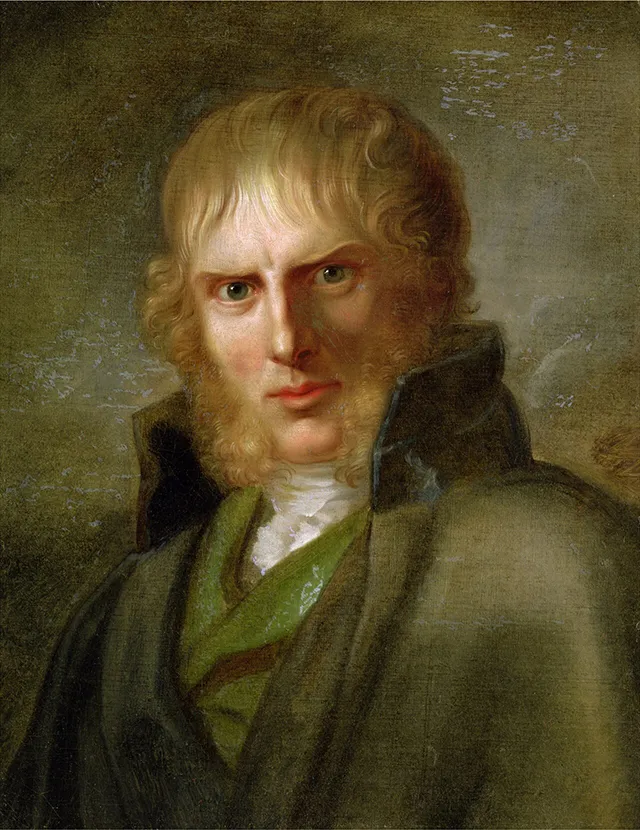
Active from the late eighteenth to the early nineteenth century, this German pai…
The backs of two men gazing quietly at the horizon on a seashore where the twilight glow faintly lingers.
A serene and mysterious landscape painting, typical of Romanticism, depicting the smallness of humans standing before the vast sea and sky.
But in fact, the clothes they are wearing conceal the painter's 'quiet resistance' to the society of his time.
Germany in 1817, when this painting was created, was a time when the Napoleonic Wars had ended, and the suppression of people seeking freedom and democracy was growing stronger day by day.
About 154 more words
Unlock this story's ending, and every article on MusicStory
- 42
Stories1–2 new every week
An archive of paintings paired with great music, made for a weekend night and a cup of coffee
- 282
Paintings with commentarygrowing daily
From simply looking to truly reading — the brushwork and the obsession of the masters
- 10
Music Librarygrowing daily
Know it first, and what reaches your ear changes — background music becomes art you keep for life
My Notes, unlimited
Every reading adds to a digital art notebook that is yours alone
Already have an account? Log in
Stories featuring this painting
Your Note
Write down what this painting made you feel in your art notebook.
Please sign up to write notes.
Sign up for freeRecommended Artworks
![Untitled [Rescue boat]](https://musicstory-assets-682855971161-ap-northeast-1-an.s3.ap-northeast-1.amazonaws.com/artworks/paintings/untitled-rescue-boat.jpg)
More artists





If you find an error in this content, please let us know here
This site is protected by reCAPTCHA, and the Google Privacy Policy and Terms of Service apply.