
 日本語 (JA)
 English (EN)
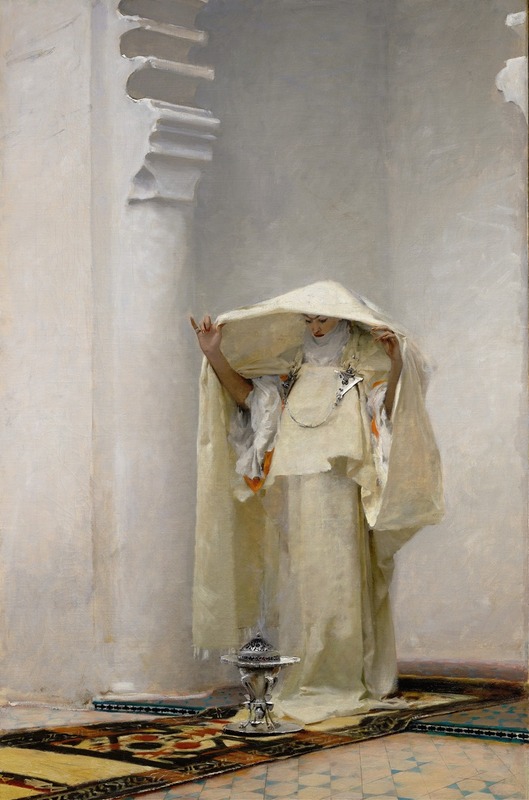
Fumée d’ambre Gris (Smoke of Ambergris)
1880
- Dimensions
- 139.1 × 90.6 cm
- Medium
- Oil on canvas
- Collection
- Clark Art Institute
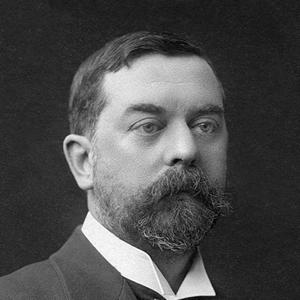
Born in Italy to American parents, he spent his early years in Paris before esta…
✦ Highlights (technique & color)
The highlight of the work is the chromatic polyphony created by the variations of white. From cool pure white and milky tones to cream and pearlescent gray, these subtle shifts are rendered with astonishing nuance. The delicate silver brooch painted with an ultra-fine brush, the orange at the cuffs, and the red-tinted fingernails provide striking accents against the predominantly white composition.
✦ The setting of this painting
Begun in the winter of 1879 during Sargent's travels in Tangier, Morocco, this space featuring white marble columns and high arches does not depict a specific real-world location. Instead, it serves as a stage for an "Oriental fantasy seen through Western eyes," constructed in his Paris studio by freely combining architectural details and costumes from across North Africa.
✦ Historical context
From the late 1870s through the early 1880s, Orientalism—centered on North African and Middle Eastern themes—was creating a sensation in the French art world. The 23-year-old Sargent was keenly aware of this trend, yet he sought to forge his own distinct visual language that went beyond conventional exoticism.
A woman in white attire bathes in the smoke rising from a silver censer.
She holds a veil above her head, creating a tent-like enclosure to let the fragrance permeate her clothes, a serene posture.
An exotic daily ritual performed in Tangier, Morocco.
We feel as if we are peeking into a real scene from 19th-century North Africa.
However, this space does not actually exist.
It is a meticulously constructed, fantastical setting created in a Parisian studio.
In the winter of 1879,
23-year-old John Singer Sargent embarked on a journey to Tangier, Morocco,
seeking exoticism and new artistic inspiration.
Born in Florence to American parents and raised traveling across Europe,
the young painter, with his cosmopolitan perspective unconstrained by a single nationality, was strongly drawn to unknown cultures.
He rented a house there and made numerous sketches, posing models in the courtyard.
He paid meticulous attention to even a single hand pose, leaving behind elaborate drawings.
However, what he wanted to depict was not merely a travelogue.
Upon returning to his Parisian studio, he reconstructed the materials he had gathered:
architectural details from various parts of North Africa,
and diverse costumes.
He arbitrarily combined them to create an 'Oriental fantasy as perceived by a Western eye.'
About 250 more words
Sign up free and enter Your Museum
Read the stories behind great paintings and music for free, in Your Museum
Your Note
Write down what this painting made you feel in your art notebook.
Please sign up to write notes.
Sign up for freeRecommended Artworks
Sources & references
More art movements
Pre-Baroque
1 artworks
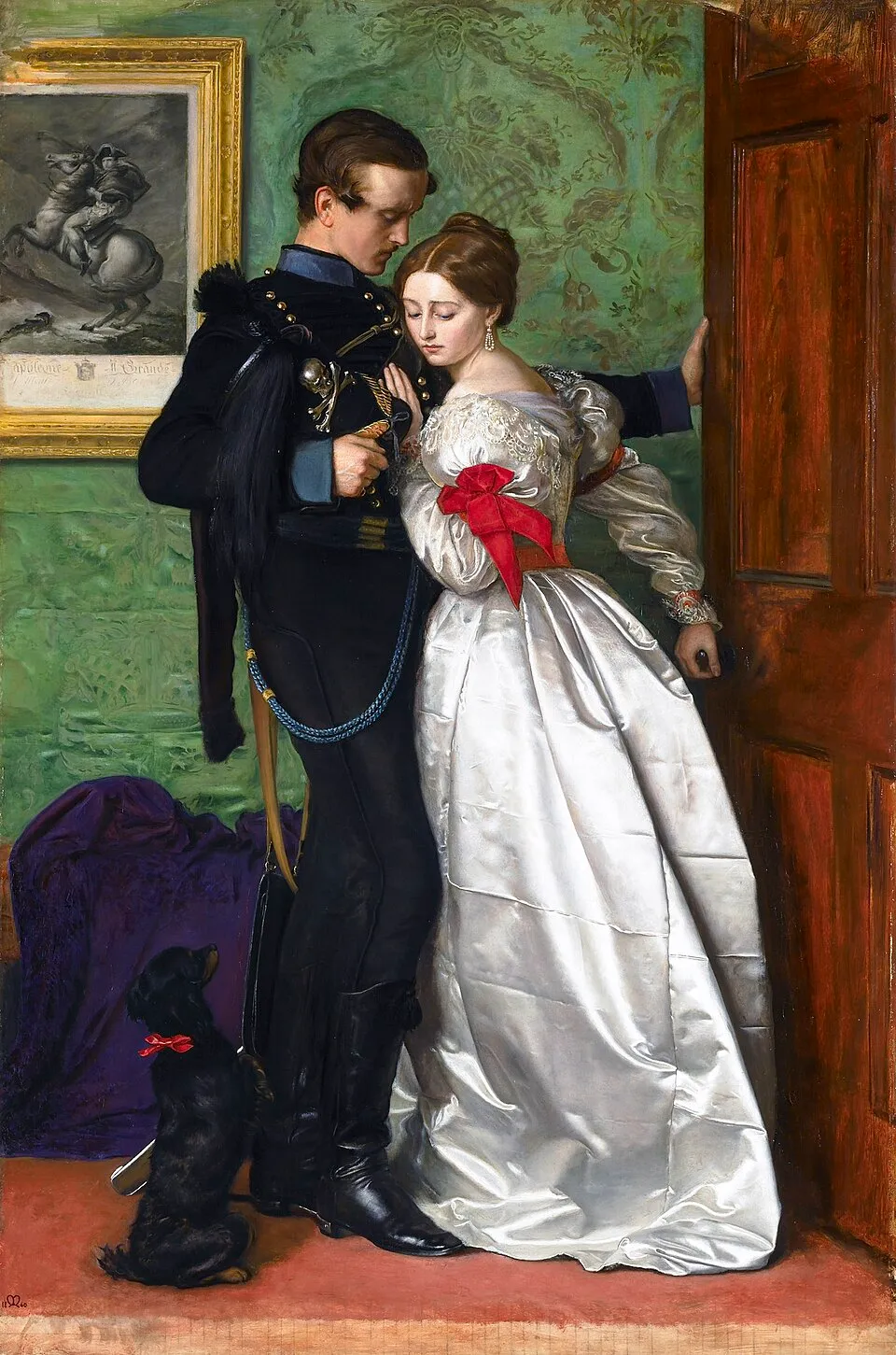
Victorian era
10 artworks
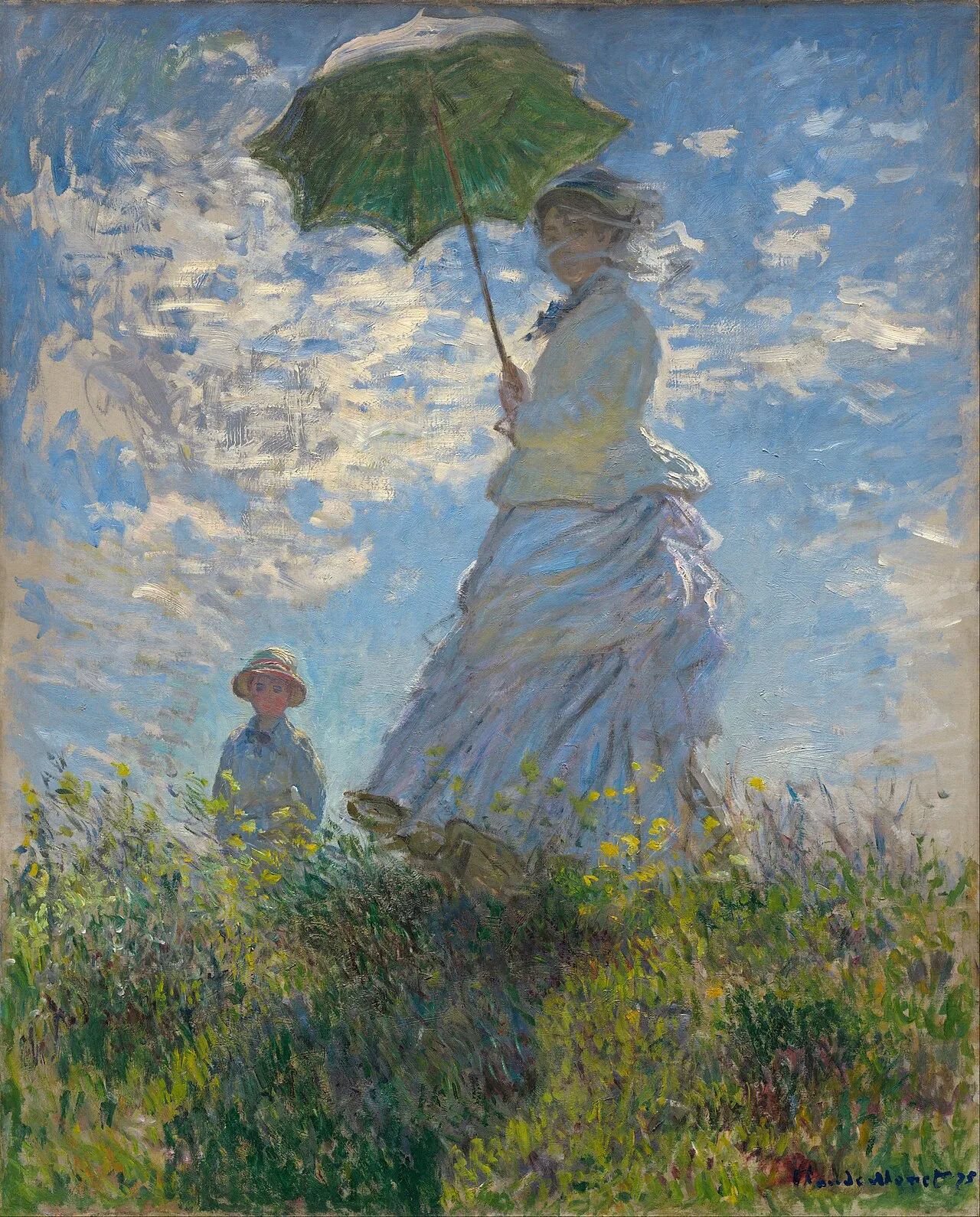
Impressionism
48 artworks
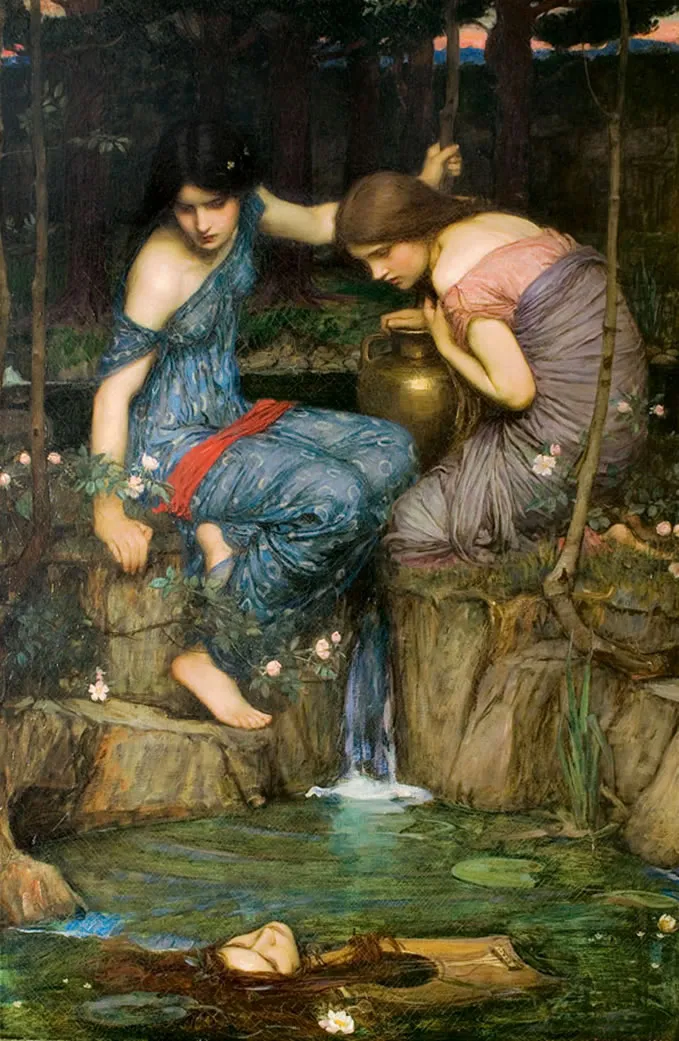
Late Pre-Raphaelite
10 artworks
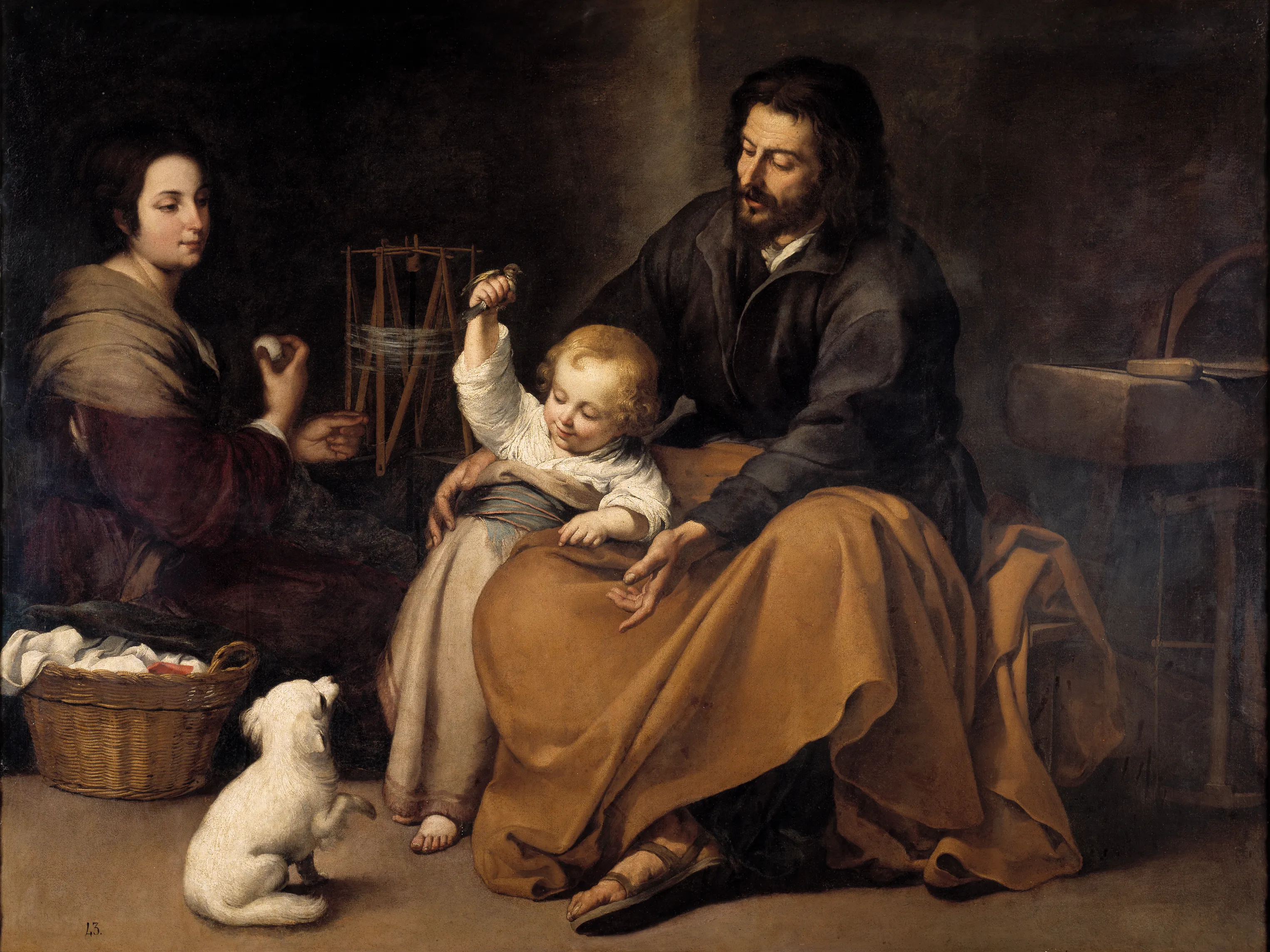
Baroque
2 artworks
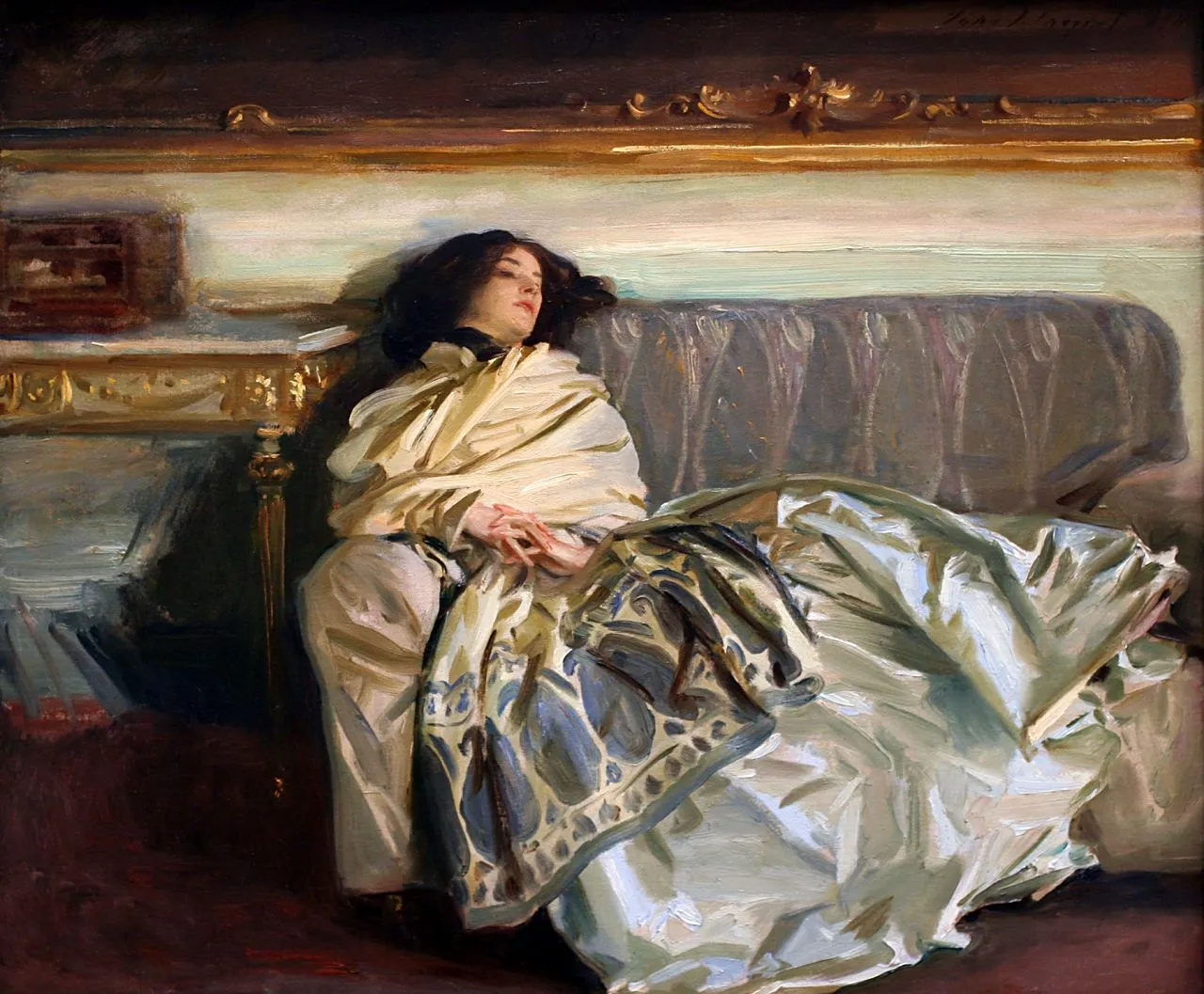
American Impressionism
5 artworks
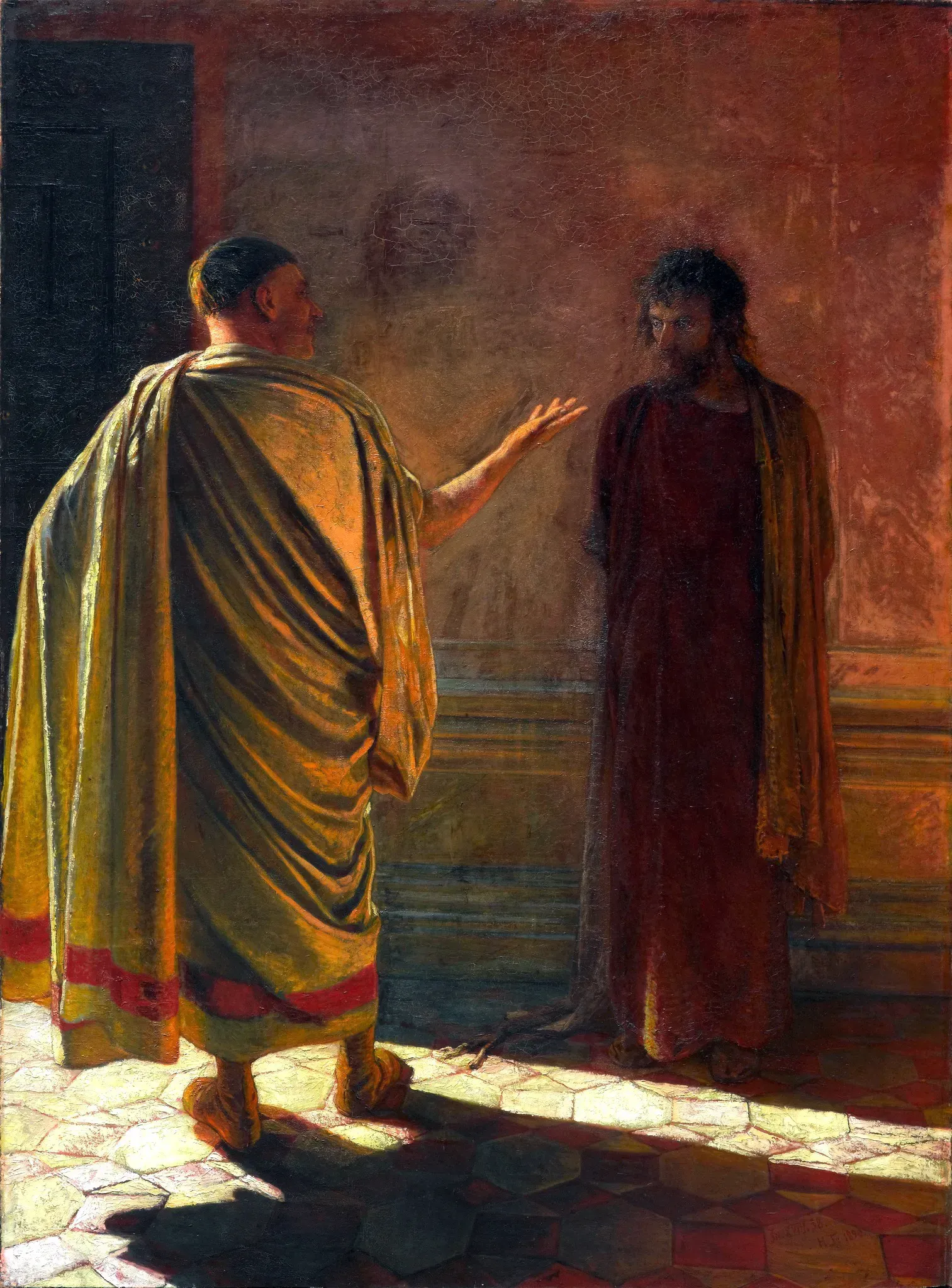
Realism
4 artworks
Pre-Raphaelite
3 artworks
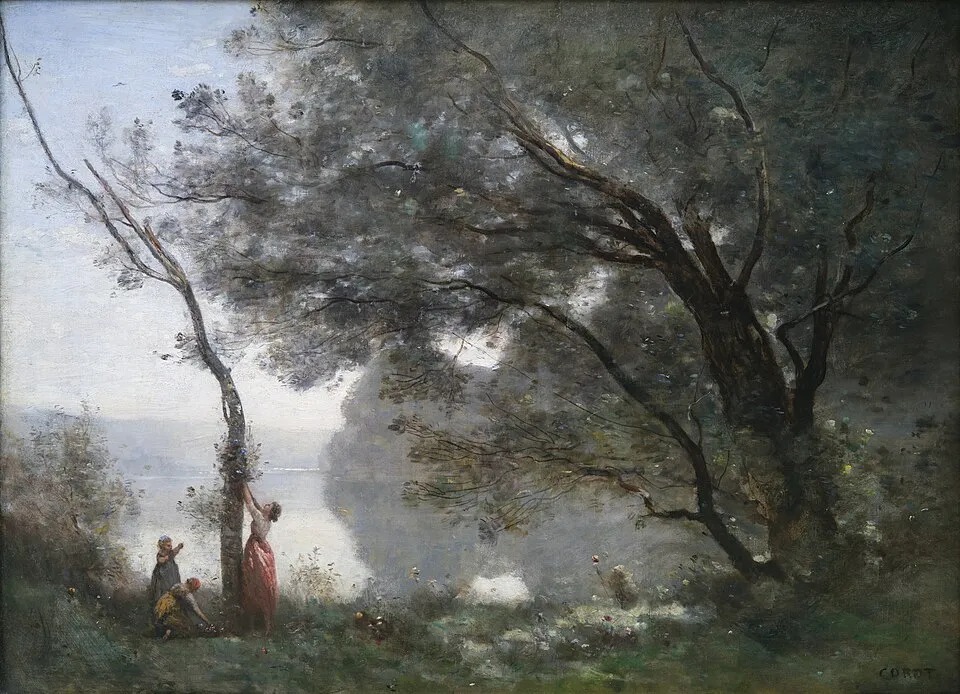
Barbizon School
5 artworks
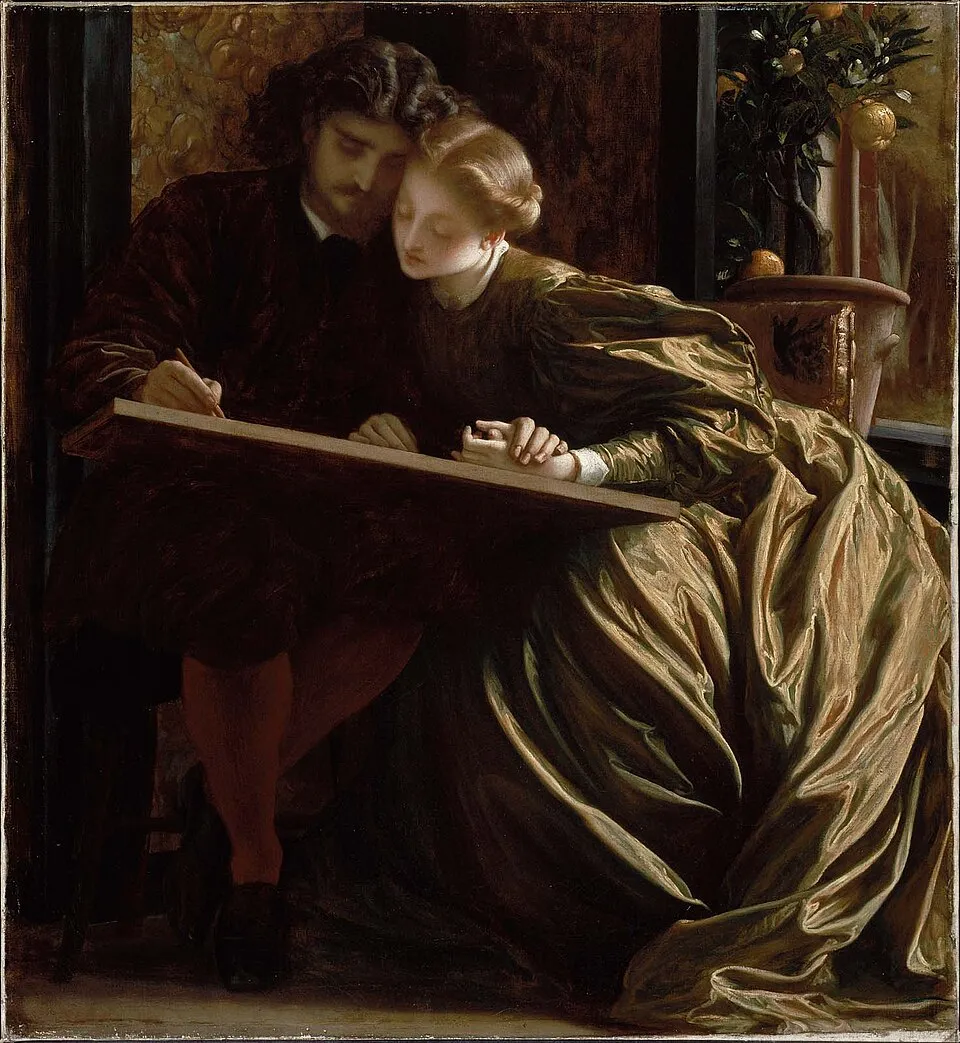
Academic art
5 artworks
Luminism
3 artworks
Rococo
2 artworks
Symbolism
22 artworks
Neo-Impressionism
3 artworks
Ukiyo-e
1 artworks
Japonism
4 artworks
Edo period
1 artworks
Fauvism
1 artworks
Naturalism
9 artworks
Russian Realism
1 artworks
Post-Impressionism
13 artworks
Genre painting
9 artworks
Neoclassicism
3 artworks
ウィーン分離派
7 artworks
自然主義
1 artworks
ナショナル・ロマンティシズム
1 artworks
未来派
1 artworks
More artists
If you find an error in this content, please let us know here
This site is protected by reCAPTCHA, and the Google Privacy Policy and Terms of Service apply.