
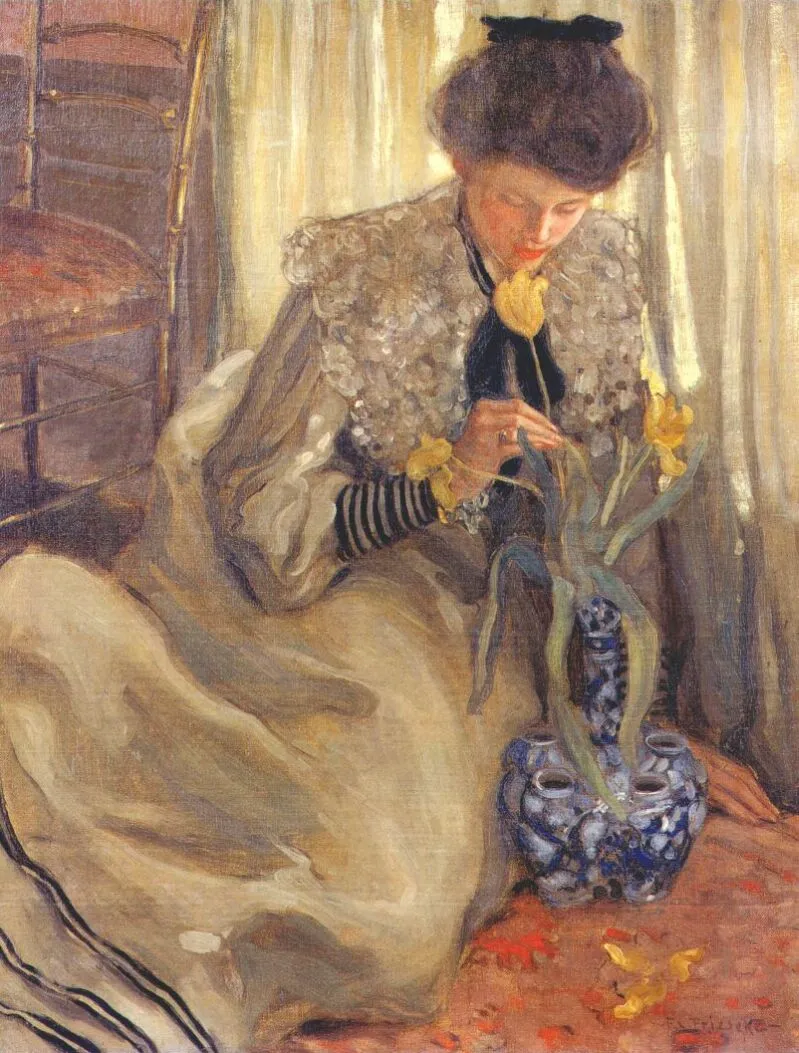
The Yellow Tulip
1902
CalmnessLightAmerican Impressionism
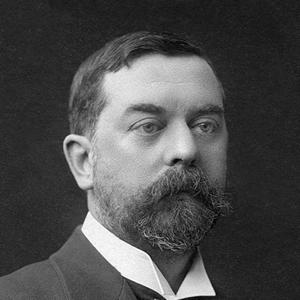
アメリカ印象派を代表する画家の一人。 ミシガン州に生まれ、シカゴやニューヨークで美術を学んだ後、1898年にフランスへ渡り、生涯の大部分を同国で過ごした。
Even though the curtains are drawn, the entire room is enveloped in a warm, golden light, like a summer sunbeam.
An elegantly dressed young woman, seated on the floor, gently gazes at a yellow tulip emerging from a blue and white Delft vase.
She is completely captivated by the flower before her, as if she is unaware of anyone else's presence in the room.
Sign up free to keep reading
About 163 more words
Read stories of masterpieces for free
Stories featuring this painting
Your Note
Write down what this painting made you feel in your art notebook.
Please sign up to write notes.
Sign up for freeRecommended Artworks
.webp)
More artists




If you find an error in this content, please let us know here
This site is protected by reCAPTCHA, and the Google Privacy Policy and Terms of Service apply.