
 日本語 (JA)
 English (EN)
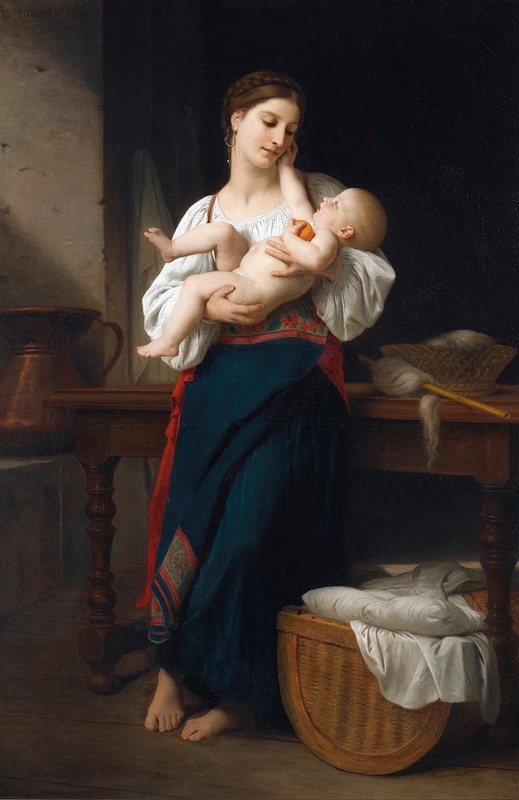
- Dimensions
- 190.0 × 127.5 cm
- Medium
- Oil on canvas
- Collection
- Private collection
1866年のパリ・サロンに出品するため、画家が自主的に制作した。当時の社会が求める母性愛の重要性や道徳的理想を、完璧な技術と古典的な構図を用いて表現しようとした。
✦ Highlights (technique & color)
In contrast to the darkened background, exceptionally soft natural light enters from the left, bathing the skin of the mother and child. Seamless color gradations, rendered without a trace of visible brushwork, recreate the warmth of blood beneath the skin and delicate shadows, breathing life into the plump texture of the baby's limbs. The child's innocent gesture, reaching out a tiny hand to touch the mother's cheek, evokes a profound sense of intimacy.
✦ The setting of this painting
An introspective, warm interior of a modest French rural home. The background is cast in subdued, dark tones, while a woven laundry basket behind the mother and child and the faint edge of a wooden table quietly speak to their simple daily life and domestic routine. The intimate, enclosed setting acts almost theatrically to distill a single, tender moment of affection from everyday existence.
✦ Historical context
In French society under the Third Republic around 1901, concerns over declining birth rates fostered a widespread secular ideology that promoted maternal care and breastfeeding within the home. The tender interaction between an innocent infant and an affectionate mother depicted in this work resonated completely with this societal ideal of motherhood, earning the painting immense popularity among the public.
With a gentle smile, the mother leans down, embracing the innocent affection of her child head-on. Their gazes meet closely in a profound connection, quietly yet powerfully conveying an intimate emotional bond. Dressed in a simple, clean, peasant-style white blouse and a dark skirt, the mother is depicted as an idealized, rustic rural woman. In the background, muted elements such as dark interior walls, a wooden table, and a laundry basket are discreetly arranged, their chiaroscuro contrast accentuating the figures of mother and child.
From the moment of its creation, this single painting captured the hearts of the public, embarking on an extraordinary journey through time.
The "Ideal Mother and Child" Demanded by a Nation
In French society of the 1860s, anxieties over national population stagnation led to a rising moral emphasis on maternal devotion and breastfeeding. Campaigns promoting maternal nursing were championed by physicians and clergy alike, and society urged mothers to raise their children with their own hands. In literature, verses celebrating domestic affection flourished, offering spiritual comfort and moral guidance to a yearning public.
Created during this era, the painting stood as the very embodiment of society's ideals. The toddler's "first caresses" depicted here symbolized the spontaneous awakening of filial love, evoking deep moral resonance among contemporaries. Masterfully transposing the compositions and tender gestures of traditional Madonna and Child imagery since the Renaissance into the secular realm of nineteenth-century bourgeois and rustic life, the work garnered immense acclaim from middle-class viewers as a Madonna for a new age. The painting seemed to quietly absorb the warm gazes bestowed upon it, alongside the earnest, almost prayerful longings they held.
Fervor and Cool Detraction at the Salon
In May 1866, the painting made its public debut at the Salon held in Paris at the Palais de l'Industrie. Depicting the mother and child across a monumental canvas towering nearly 190 centimeters in height, it held visitors spellbound.
Upon its unveiling at the 1866 Salon, the art critic Charles Blanc praised the work for rendering an intimate domestic scene on such a grand scale, marveling that it was "finished with the perfection of a miniature enlarged under a microscope." The critic Jules-Antoine Castagnary likewise lauded its consummate draughtsmanship and solid sense of form. The painting was swept up in a tide of admiration for its refined academic perfection.
At the same time, it drew cool skepticism from the burgeoning realist circle. Champions of realism and early Impressionism, notably Émile Zola, criticized its slick, saccharine finish as commercial, contrasting it unfavorably with the unvarnished realism of Gustave Courbet and Édouard Manet. To their eyes, the painting's immaculate beauty may have seemed an artifice designed to conceal the grittier realities of life.
Yet the painting remained unperturbed by critique. Indeed, its tender sweetness and flawless technique were precisely the solace the public craved, serving as the bedrock of its overwhelming popularity. Amid the storm of debate, the canvas firmly cemented its undeniable presence.
"Caresses" Delivered to Homes Around the World
The sensational reception at the Salon bestowed a new destiny upon the painting. Goupil & Cie, a leading international art dealership of the day, commissioned the artist to produce a small-scale reduction of his Salon sensation in order to create and sell reproductions.
In July 1866, following the Salon exhibition, the painter completed a first reduction at approximately half the original dimensions and delivered it to Goupil. A second reduction was also created in parallel. In spawning these replicas, the painting prepared itself to touch the lives of countless more admirers.
Leveraging the latest technologies of the time, such as steel etching and photogravure, Goupil printed and distributed vast quantities of prints, introducing the image into households across Europe and America. Transcending the walls of prestigious museums and affluent mansions, the gentle warmth of these "caresses" found its way into the modest living spaces of ordinary people. Through mass reproduction, the painting proliferated across the globe as a universal emblem of love that crossed national borders and social divides.
A 190-Centimeter Masterpiece Acquired by a Railroad Tycoon
While reproductions were cherished worldwide, the monumental 190-centimeter original from the 1866 Salon followed a remarkable path of its own. After its dazzling debut at the Salon, the masterpiece crossed the Atlantic and was purchased in 1880 by the American railroad magnate Jay Gould.
For an industrialist who had amassed vast wealth in the rising United States, this painting, embodying European tradition and consummate beauty, was a jewel fit to crown his success. Today, the monumental canvas is held at Lyndhurst, Gould's historic estate in New York, where it remains quietly on display in its historic setting.
The colossal canvas that once ignited a storm of debate at the Paris Salon and gave rise to countless reproductions continues to speak to visitors today, radiating breathtaking beauty and the enduring tenderness between mother and child.
About 532 more words
Read the rest of this commentary —
and step into a secret gallery
opened just for you
An "art letter" delivered to you every Saturday morning
Works, music and words chosen for your sensibility, from your artist-type result and the paintings you love
A library of masterpieces and music you can enjoy "in your own words", not just look at
A "digital art notebook" (unlimited) where your impressions build into your own taste
Unlimited likes and notes
¥980 / month¥0 today
¥980/month (tax incl.) from day 8. Cancel anytime.
Already have an account? Log in
Your Note
Write down what this painting made you feel in your art notebook.
Please sign up to write notes.
Sign up for freeRecommended Artworks
Sources & references
More art movements
Pre-Baroque
1 artworks
Victorian era
10 artworks
Impressionism
48 artworks
Late Pre-Raphaelite
10 artworks
Baroque
2 artworks
American Impressionism
5 artworks
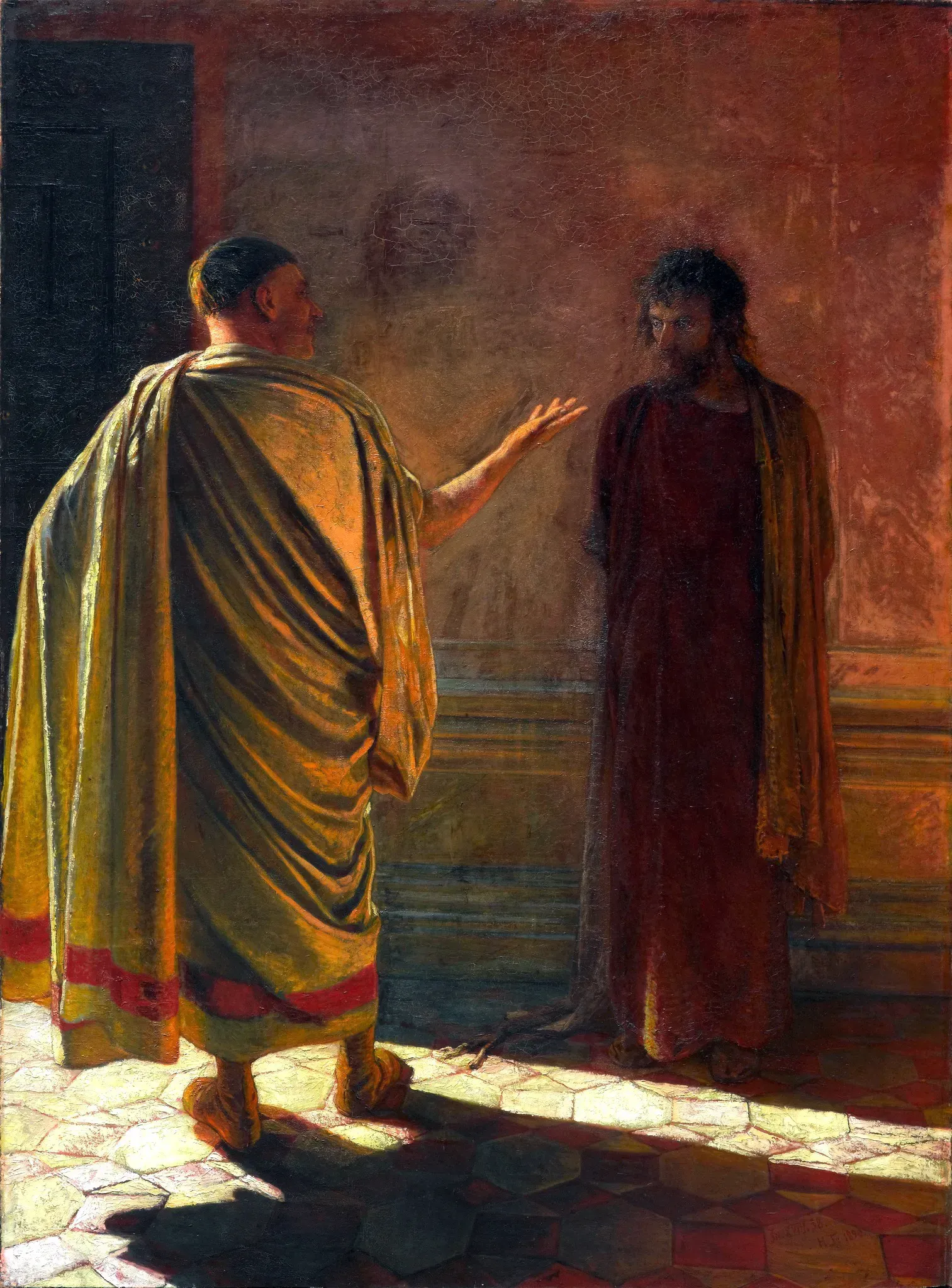
Realism
4 artworks
Pre-Raphaelite
3 artworks
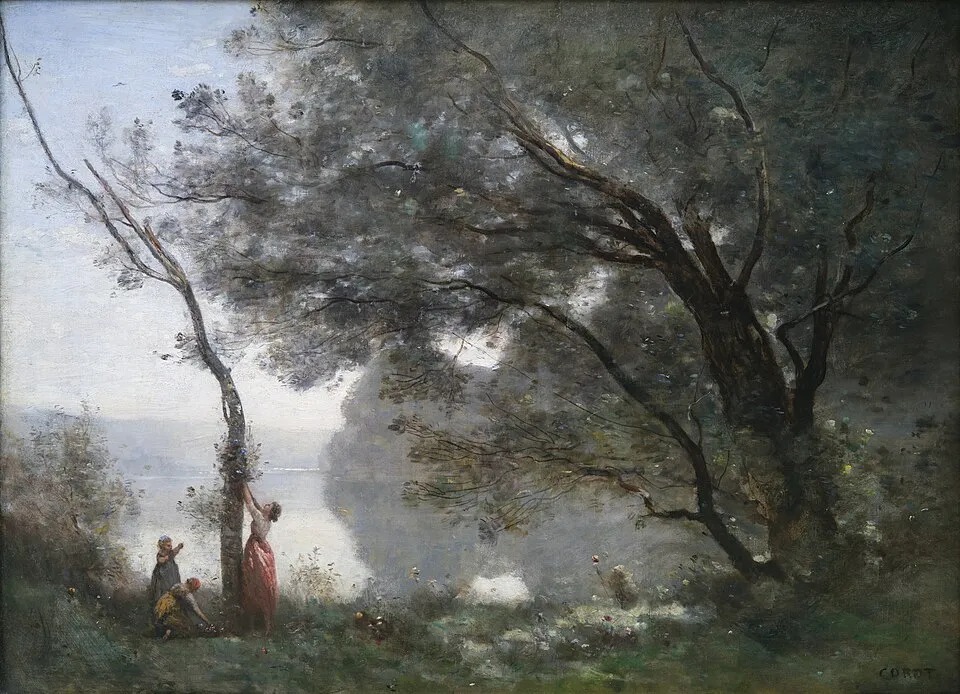
Barbizon School
5 artworks
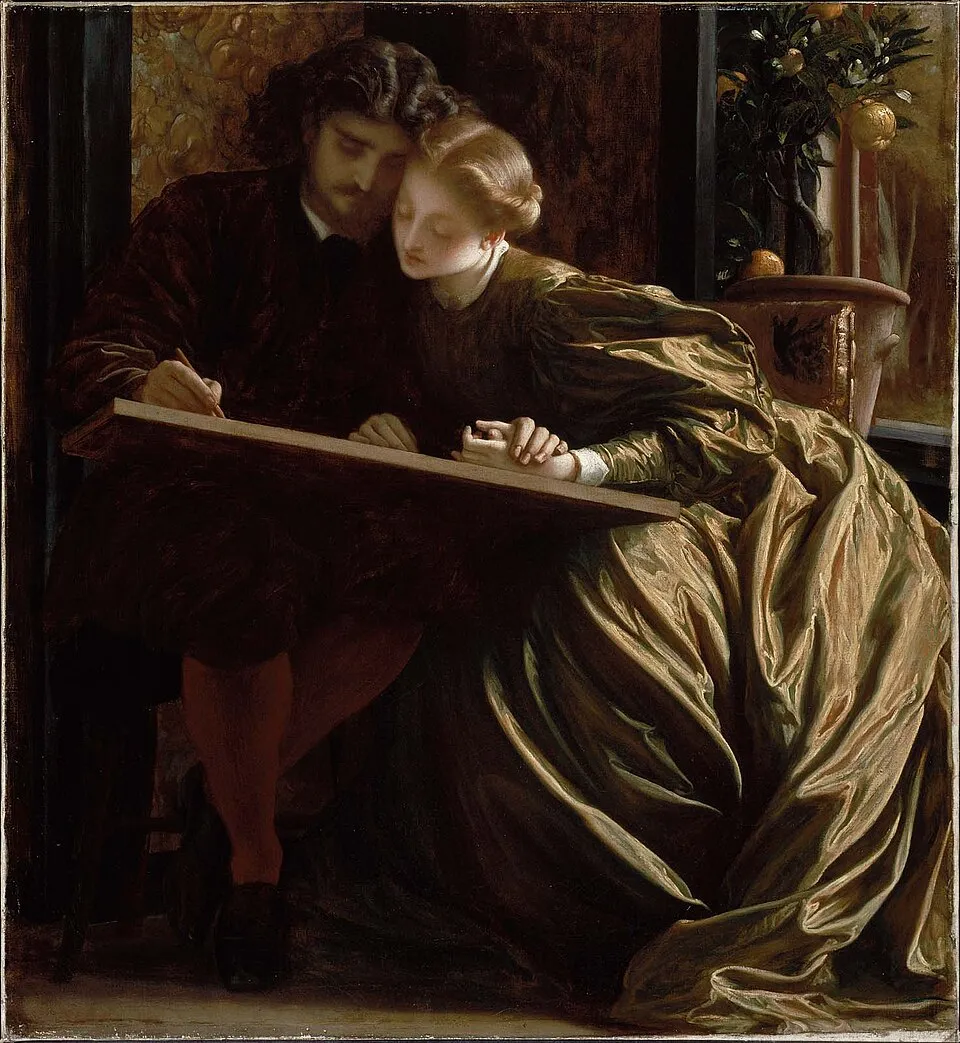
Academic art
5 artworks
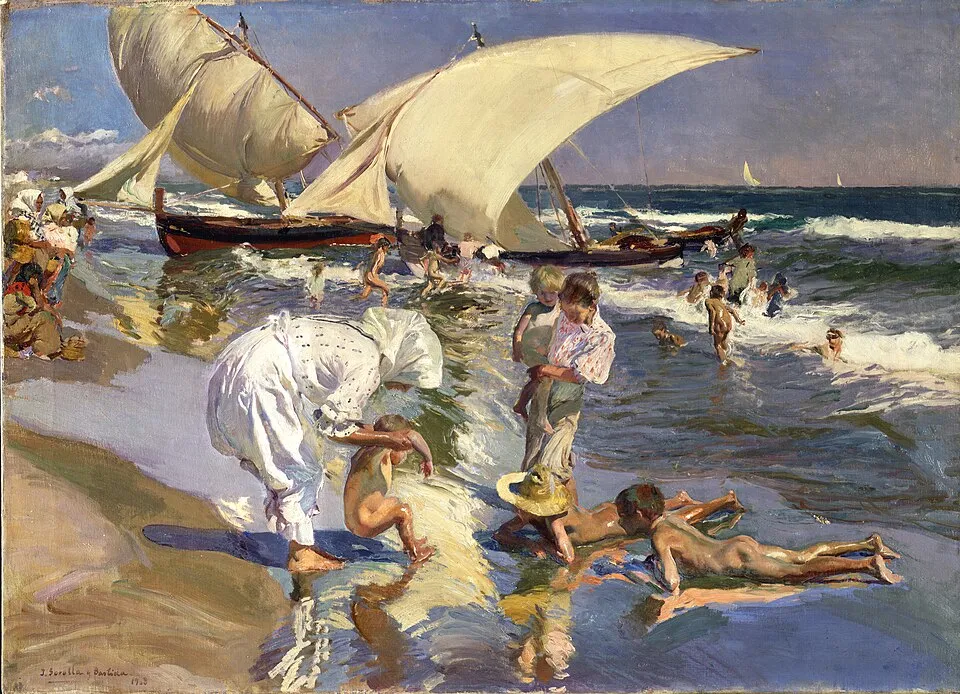
Luminism
3 artworks
Rococo
2 artworks
Symbolism
22 artworks
Neo-Impressionism
3 artworks
Ukiyo-e
1 artworks
Japonism
4 artworks
Edo period
1 artworks
Fauvism
1 artworks
Naturalism
9 artworks
Russian Realism
1 artworks
Post-Impressionism
13 artworks
Genre painting
9 artworks
Neoclassicism
3 artworks
ウィーン分離派
7 artworks
自然主義
1 artworks
ナショナル・ロマンティシズム
1 artworks
未来派
1 artworks
More artists
If you find an error in this content, please let us know here
This site is protected by reCAPTCHA, and the Google Privacy Policy and Terms of Service apply.