
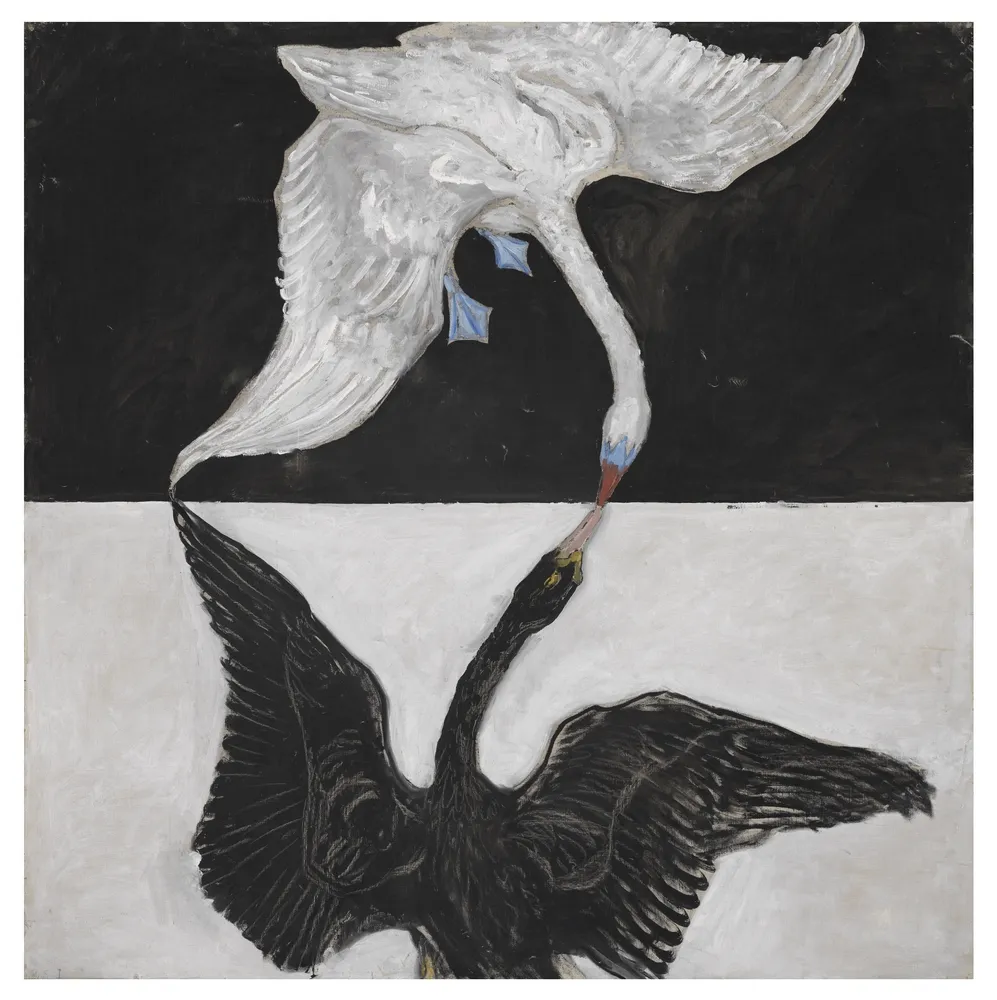
Group IX/SUW, The Swan, No. 1
1915
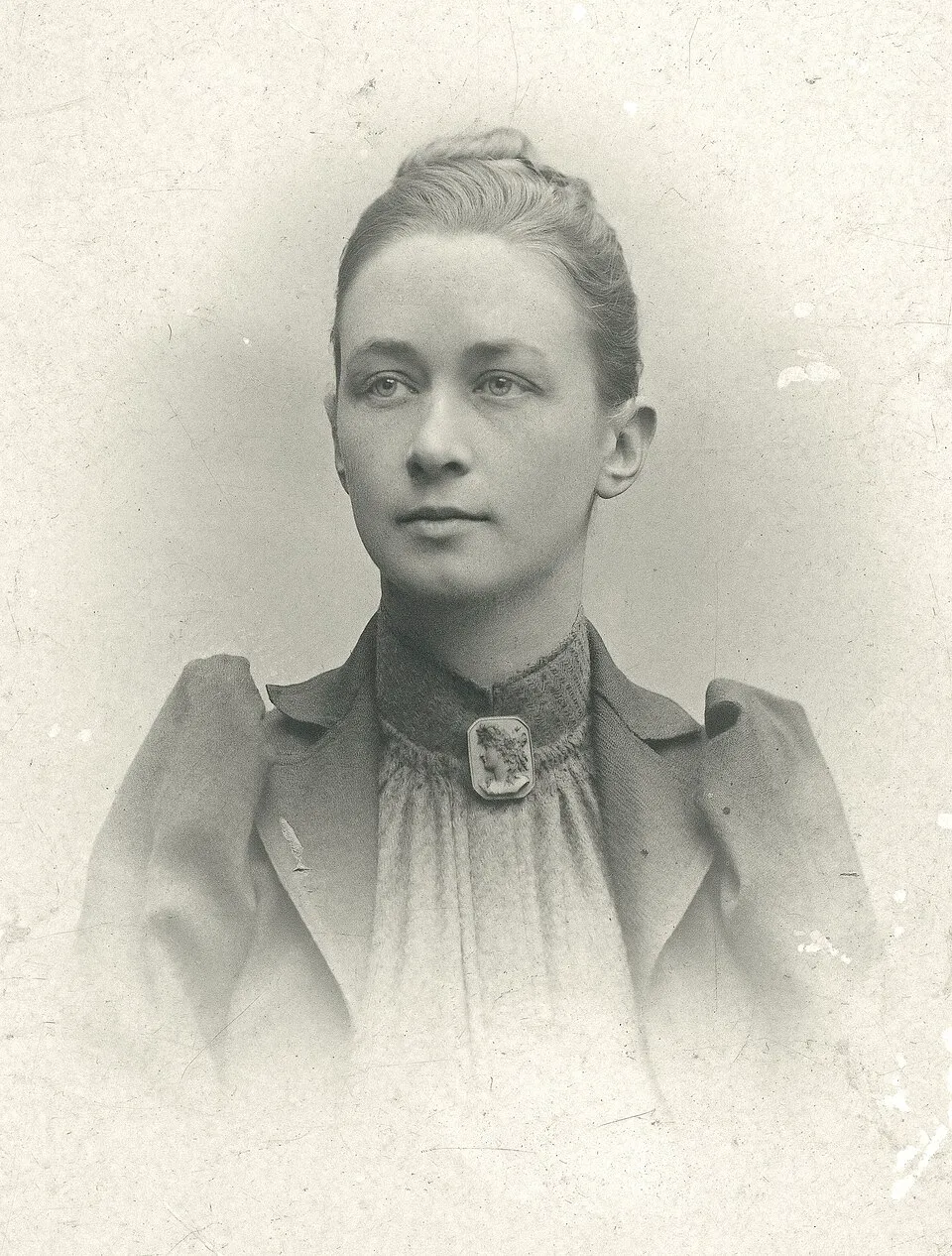
One of Sweden's foremost women artists, she studied at the Royal Academy of Fine…
A space divided into stark black and white. Within it, a white swan and a black swan meet beak to beak.
At first glance, it appears to be a beautiful, mirror-like symmetry. However, it is actually a quiet yet intense intersection of energy, where 'opposition' and 'integration' collide.
From 1914 to 1915, when this painting was created, the world was engulfed in the chaos and slaughter of World War I.
About 150 more words
Unlock this story's ending, and every article on MusicStory
- 42
Stories1–2 new every week
An archive of paintings paired with great music, made for a weekend night and a cup of coffee
- 282
Paintings with commentarygrowing daily
From simply looking to truly reading — the brushwork and the obsession of the masters
- 10
Music Librarygrowing daily
Know it first, and what reaches your ear changes — background music becomes art you keep for life
My Notes, unlimited
Every reading adds to a digital art notebook that is yours alone
Already have an account? Log in
Your Note
Write down what this painting made you feel in your art notebook.
Please sign up to write notes.
Sign up for freeRecommended Artworks
More artists



If you find an error in this content, please let us know here
This site is protected by reCAPTCHA, and the Google Privacy Policy and Terms of Service apply.