
Adieu (Goodbye)
1901
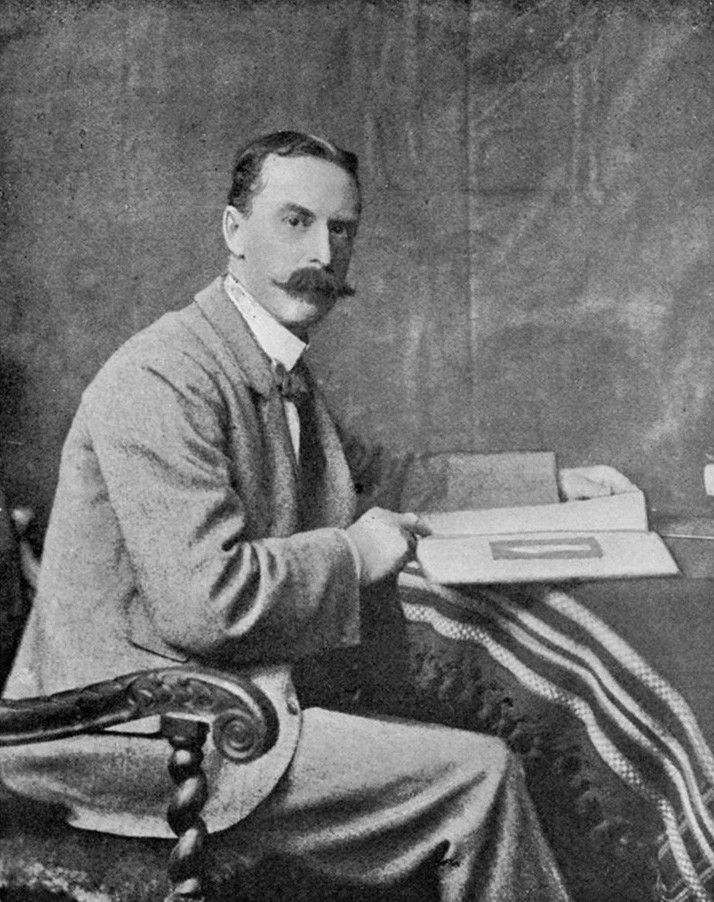
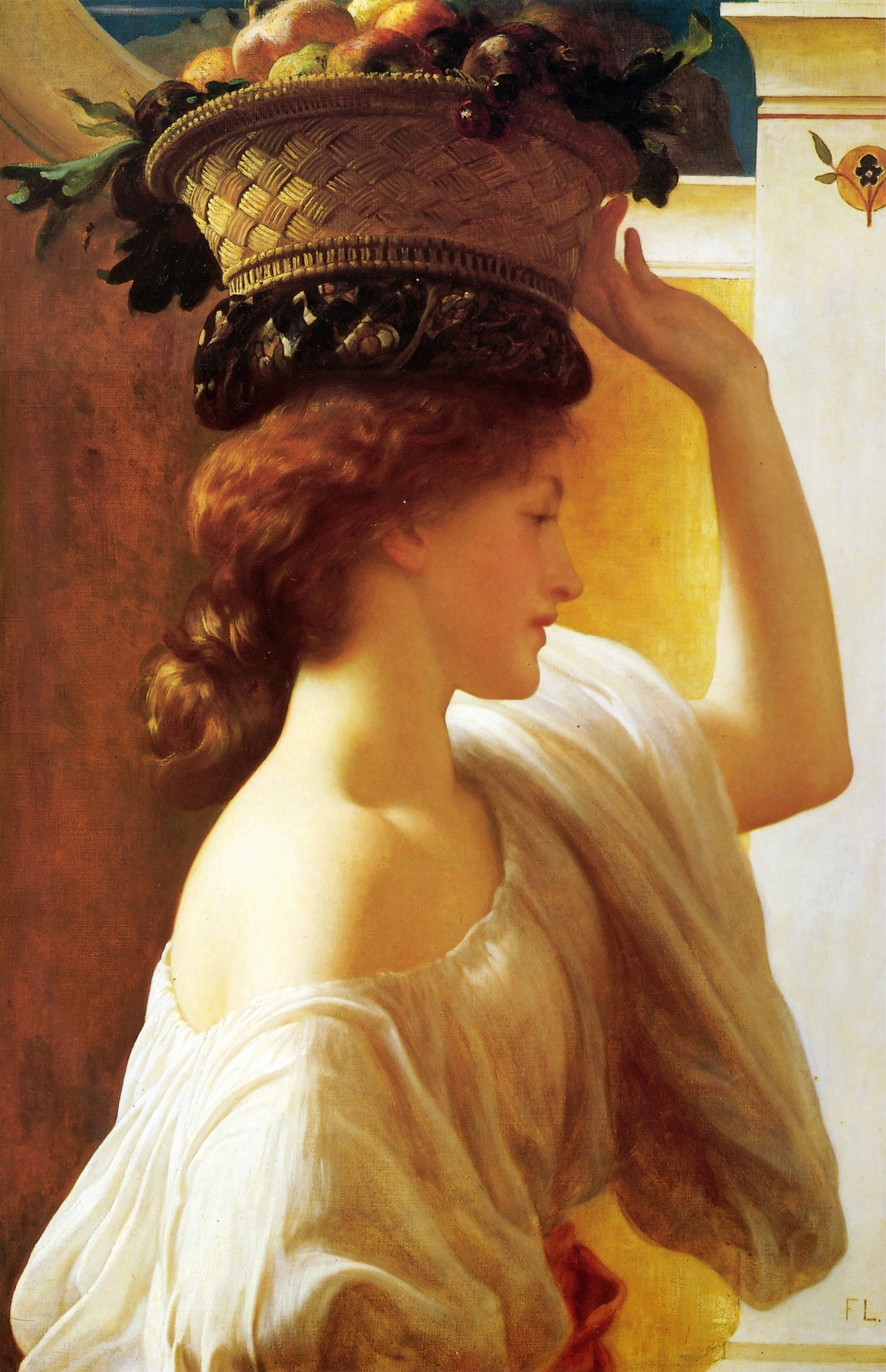
Active in London during the late Victorian and Edwardian eras, he was an artist…
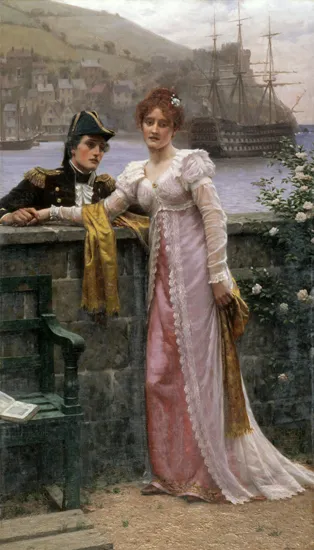
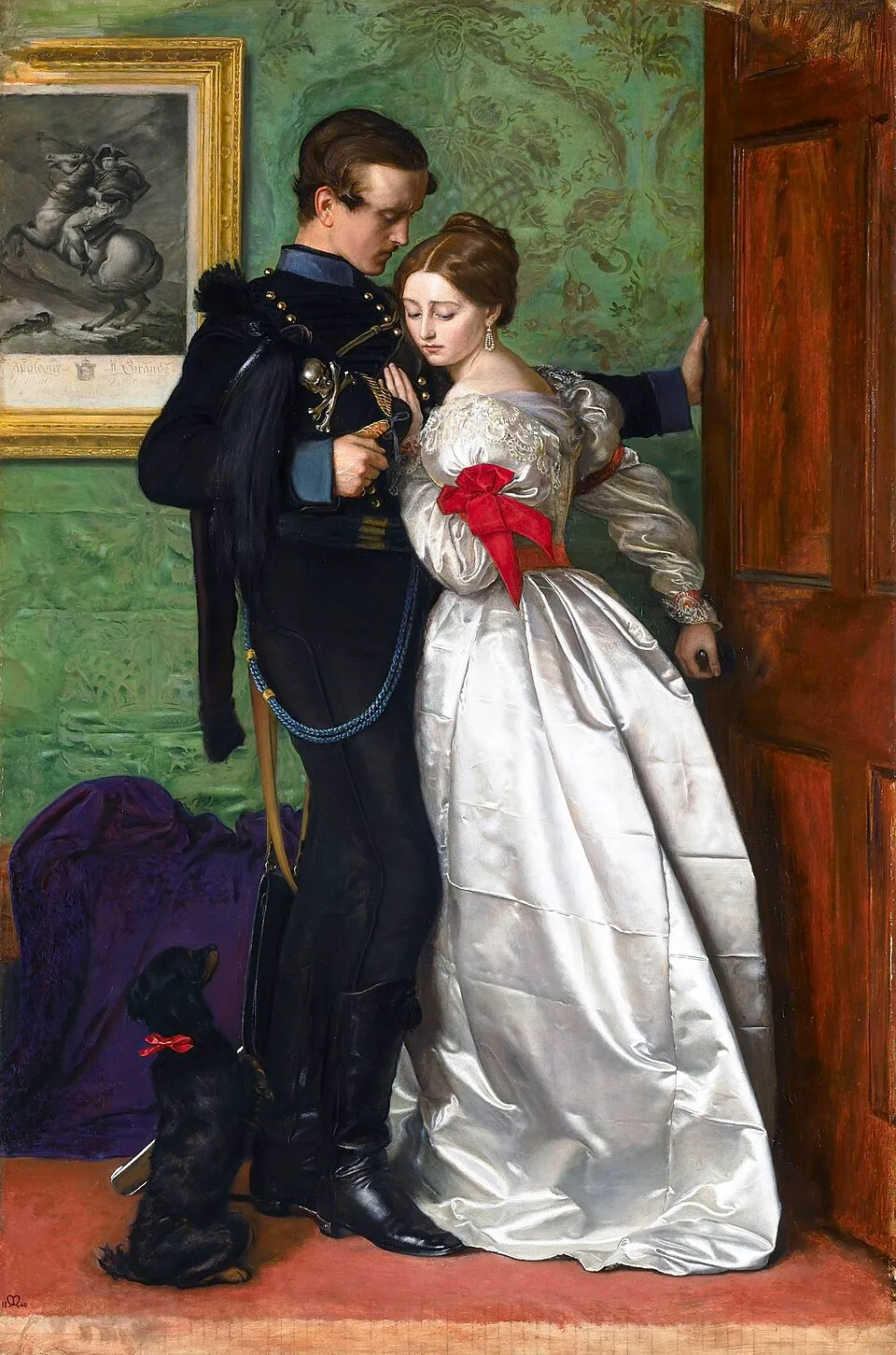
A woman in a beautiful lace overdress bids farewell to a sailor. An elegant and romantic scene from the past, set during the Napoleonic Wars (Regency era).
However, a profound sorrow permeates the woman's clinging posture. Will her beloved, departing for war, truly return alive? Her expression reveals a poignant anxiety and fear, lacking any certainty of his safe return.
In 1901, when this painting was unveiled, British society was also enveloped in deep sorrow. It was the height of the brutal Boer War. Many women, just like the one in the painting, were sending their beloved family members and lovers to the battlefield, trembling at the prospect that they might never return.
About 78 more words
Unlock this story's ending, and every article on MusicStory
- 42
Stories1–2 new every week
An archive of paintings paired with great music, made for a weekend night and a cup of coffee
- 282
Paintings with commentarygrowing daily
From simply looking to truly reading — the brushwork and the obsession of the masters
- 10
Music Librarygrowing daily
Know it first, and what reaches your ear changes — background music becomes art you keep for life
My Notes, unlimited
Every reading adds to a digital art notebook that is yours alone
Already have an account? Log in
Stories featuring this painting
Your Note
Write down what this painting made you feel in your art notebook.
Please sign up to write notes.
Sign up for freeRecommended Artworks
_Leighton.webp)
.webp)
.webp)
More artists







If you find an error in this content, please let us know here
This site is protected by reCAPTCHA, and the Google Privacy Policy and Terms of Service apply.