
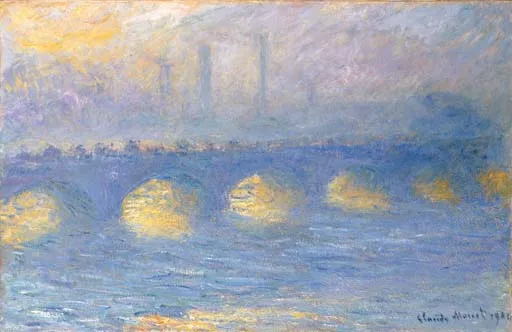
Waterloo Bridge
1904
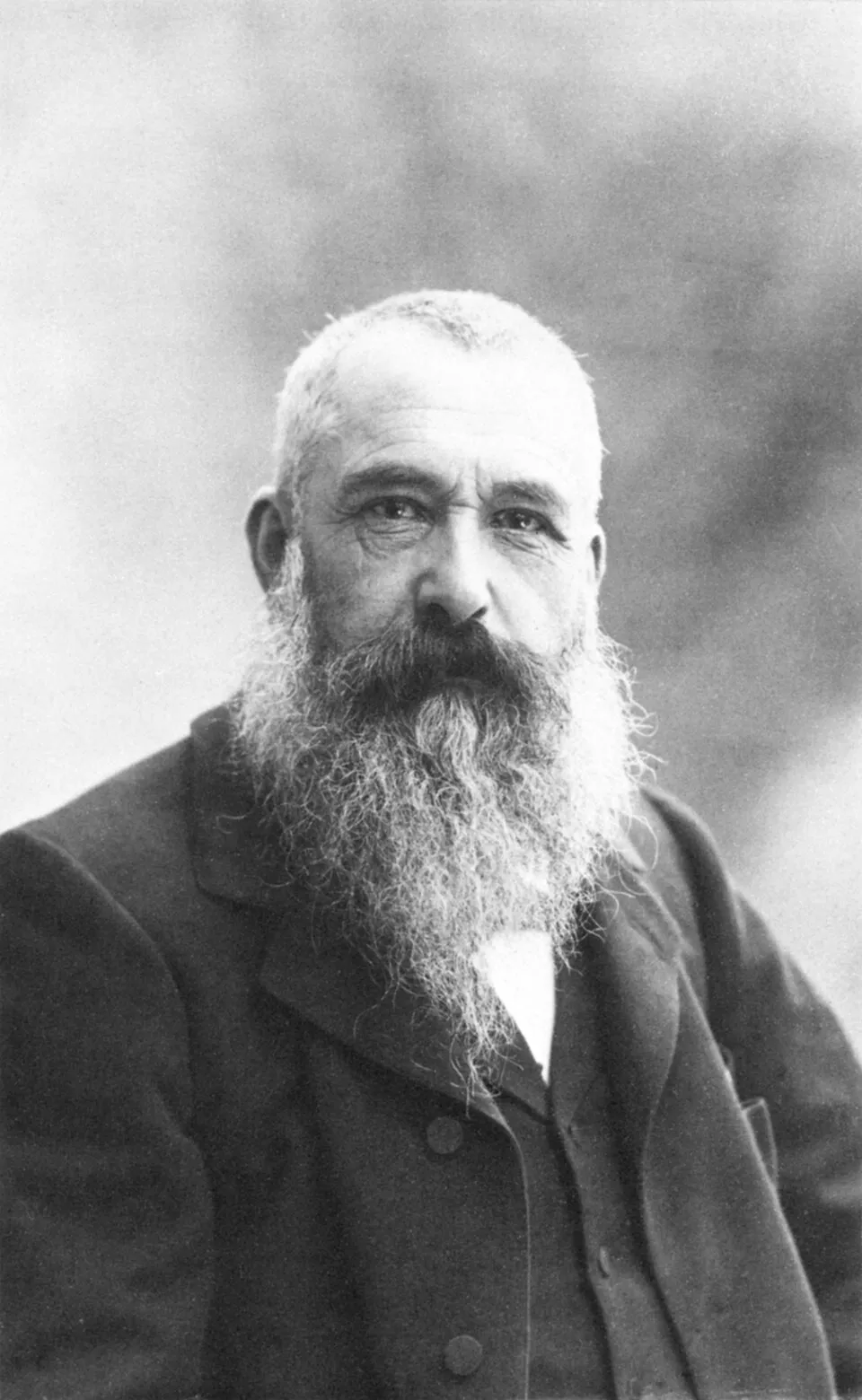
Celebrated as a founding figure of Impressionism, he is one of France’s most ren…
An arched bridge emerges like a ghost from a cotton candy-like pink and lavender mist.
A fantastical scene of London's River Thames, enveloped in thick smog from the Industrial Revolution.
But in fact, when this painting was completed, the painter Monet was confronting the limitations of Impressionism, which aimed to 'capture a fleeting moment,' and was in the midst of endless revisions.
About 174 more words
Read stories of masterpieces for free
Stories featuring this painting
Your Note
Write down what this painting made you feel in your art notebook.
Please sign up to write notes.
Sign up for freeRecommended Artworks
More artists

If you find an error in this content, please let us know here
This site is protected by reCAPTCHA, and the Google Privacy Policy and Terms of Service apply.