
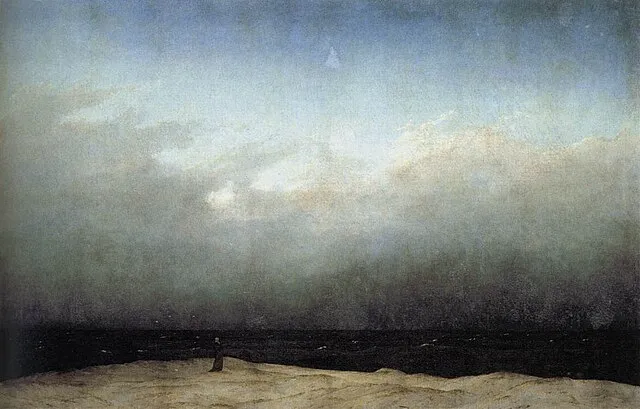
The Monk by the Sea
1810
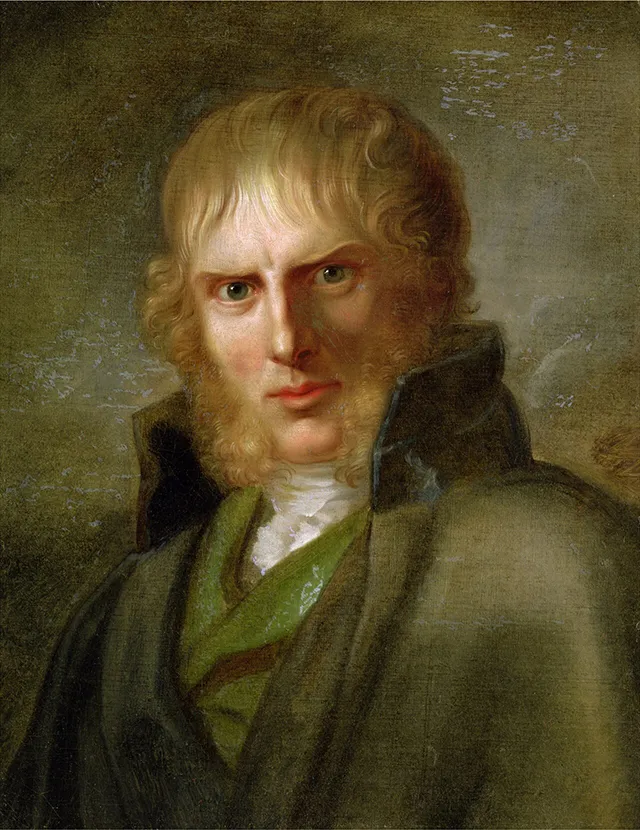
Active from the late eighteenth to the early nineteenth century, this German pai…
A leading painter who spearheaded German Romanticism in 19th-century Germany.
Known for depicting the profound solitude and spiritual quest within individuals, often against the backdrop of awe-inspiring vast nature, a theme deeply influenced by his harsh personal experience of losing family members one after another in his youth.
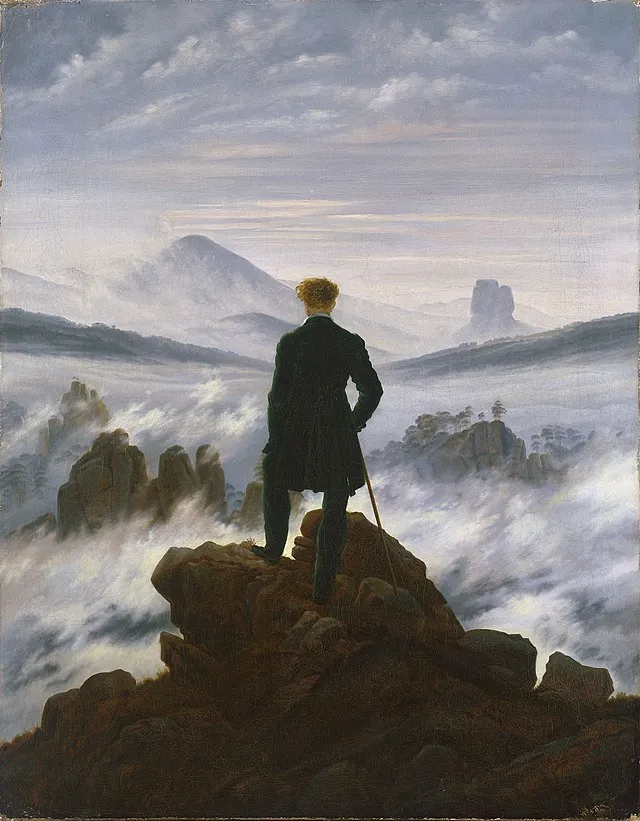
This painting captures the moment a young man in a dark green coat, his hair blowing in the wind, stands alone on a jagged rocky peak, silently gazing down at a vast sea of thick clouds stretching beneath him.
About 200 more words
Read stories of masterpieces for free
Your Note
Write down what this painting made you feel in your art notebook.
Please sign up to write notes.
Sign up for freeRecommended Artworks


More artists

If you find an error in this content, please let us know here
This site is protected by reCAPTCHA, and the Google Privacy Policy and Terms of Service apply.