
 日本語 (JA)
 English (EN)
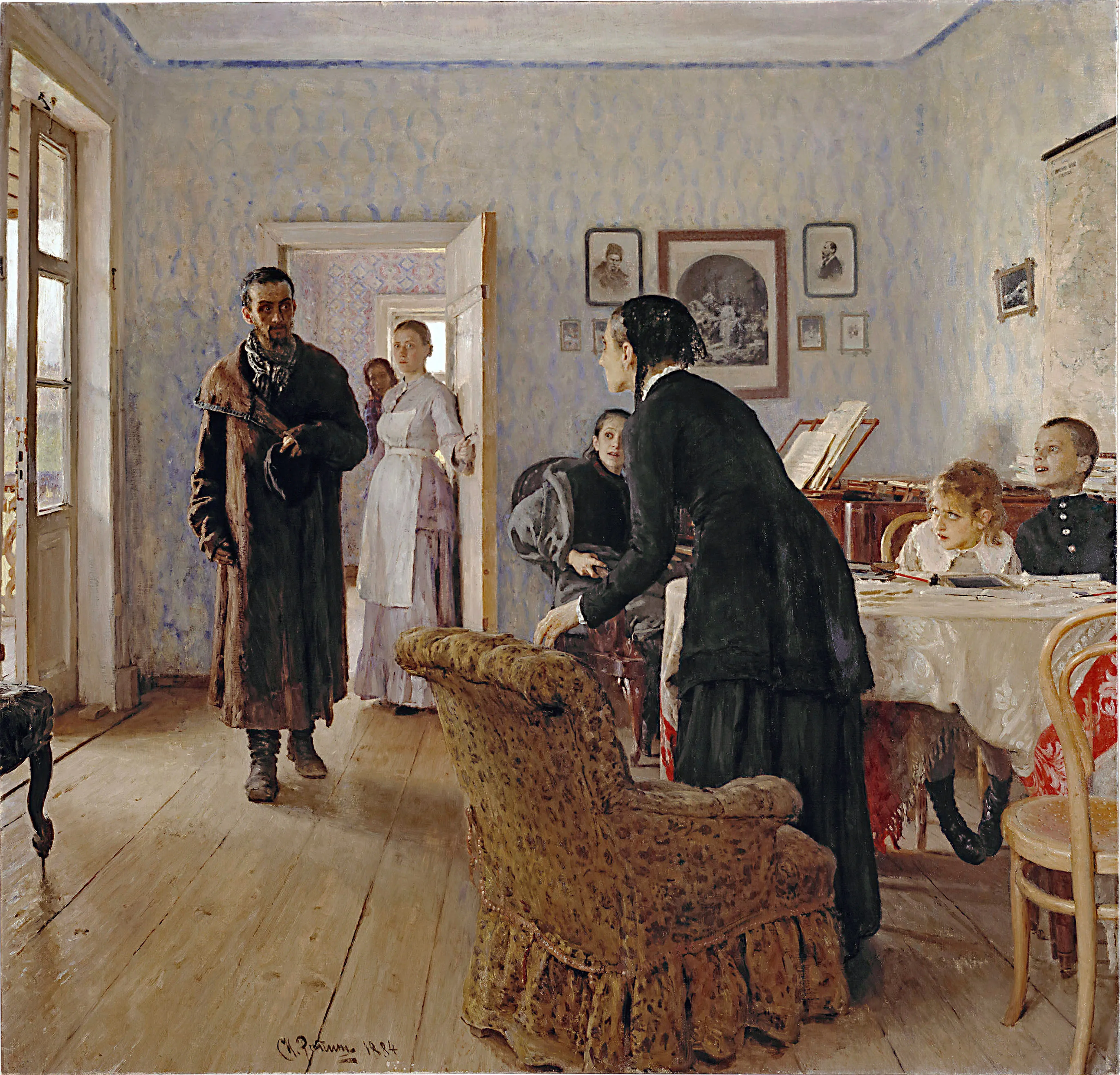
- Dimensions
- 160.5 × 167.5 cm
- Medium
- 油彩、カンヴァス
- Collection
- 国家トレチャコフ美術館(モスクワ、ロシア)
19世紀後半のロシア写実主義を牽引した画家であり、「移動派」を代表する中心的な人物。
✦ Highlights (technique & color)
左側の開いた扉から差し込む光と、奥のバルコニー扉から注ぐ光という「2つの自然光」が交差する位置に帰還者の男が立っています。床の木目や壁の直線が作る遠近法の線は男の背後へと収束し、部屋の平和な空間に突如割り込んだ「異物」であることが造形的に際立ちます。科学的調査により、中央奥の壁に掛かる聖画『ゴルゴタにて』の下層には当初、新皇帝アレクサンドル3世の肖像が描かれていたこと、そして男の頭部には4層もの描き直しの痕跡があることが判明しています。
✦ The setting of this painting
描かれている場所は、ロシアの知識人家庭が夏を過ごす郊外の別荘(ダチャ)のリビングです。美術史家イーゴリ・グラバーリやアレクセイ・フョードロフ=ダヴィドフらは、レーピンが1883年夏に滞在したサンクトペテルブルク近郊マルティシキノの別荘の室内を描いたと指摘しています(一方、関係者フセヴォロド・マモントフはモスクワ近郊ホチコヴォの別荘だと回想しています)。白く塗られた簡素な板壁、光を反射するフローリング、バルコニーから差し込むみずみずしい緑の光など、都会の喧騒から離れた穏やかな休息の場が、突如として緊張の舞台へと一変しています。
✦ Historical context
1881年3月1日の皇帝アレクサンドル2世暗殺事件と、それに続く反体制派(ナロードニキ)への苛烈な大弾圧が吹き荒れた1880年代のロシア帝国が背景にあります。1883年の新皇帝アレクサンドル3世即位に伴い、過去の政治犯に対する恩赦や減刑が一部で実施され、シベリアへ流刑となっていた知識人たちが予告なく帰還し始めました。なお、歴史家エカテリーナ・シチェルバコワは、皇帝暗殺のようなテロに関与した急進派に恩赦は出なかったため、帰還した男は過激派ではなく穏健派ナロードニキか刑期満了者だったと指摘しており、彼の思想的立場には諸説が存在します。
Into a quiet room bathed in the soft light of summer, unfamiliar footsteps suddenly echoed.
Standing before the open doorway is a man cloaked in a tattered, threadbare peasant coat (armyak), covered in mud and dust.
On his feet are worn, misshapen boots, and in his hand, a crumpled hat is clutched hesitantly.
The moment they lay eyes on him, time freezes for the entire family in the room, as if suddenly turned to ice.
In the foreground, the elderly mother seated in an armchair begins to rise slowly on trembling legs, as though beholding the impossible.
Dressed in black mourning clothes, her back painfully conveys a shock and bewilderment too profound for words.
The young wife seated at the piano has ceased her playing and turns around, her eyes wide with astonishment.
The young boy studying at the table looks up, his face lighting up with joy as he gazes at his father.
Yet beside him, the little girl freezes in fear, recoiling as if from a stranger.
Further back, from behind the door, a maid and a cook peer hesitantly into the room with perplexed expressions.
They Did Not Expect Him: The Story of a Man Who Stripped Away the Mask of a Hero
This suffocating, tense moment was captured on canvas by Ilya Repin, the foremost master of 19th-century Russian Realism. Titled They Did Not Expect Him, this world-renowned masterpiece preserves the very first second when a man returns home unannounced after a grueling Siberian exile, and confronts the family that receives him.
Yet pause for a moment and consider: if you stood before this painting, what would command your attention most? Would it be the beauty of the light-filled room, or the astonishment frozen across the faces of his family?
In all likelihood, the longer you look, the harder it will be to tear your eyes away from the expression of the man standing timidly in the center of the room. There is not a trace of the pride one might expect from a hero who has endured prolonged suffering. Instead, his eyes hold a timid, pleading, fragile light, as if silently asking: Was it truly right for me to return? Will my family still take me back?
Why did Repin, celebrated as Russia's greatest genius of painting, depict a protagonist who had defied cruel fate in such a vulnerable, pathetic state? Behind this expression lies an urgent human story that Repin fought to preserve, even at the risk of losing his fortune and hard-won renown.
The Artist Set Out to Depict a Hero, but Could Never Accept the "First Face"
"A great masterpiece is conceived in its entirety by an extraordinary genius, who envisions the finished work from the start and paints it in a single burst of inspiration."
When we visit an art museum, don't we often hold an assumption like this somewhere in our minds?
We might even feel intimidated, thinking, "I have no artistic sensibility, so I cannot possibly comprehend the painter's sublime intent."
Yet reality was entirely different.
Repin himself hesitated, struggled, and spent years groping through the dark, just like any of us.
The direct impetus for this painting was the 1881 assassination of Tsar Alexander II by young anti-regime revolutionaries.
Staying in Saint Petersburg at the time, Repin witnessed with his own eyes the public hanging of the young conspirators in the square.
The tragedy of these youths who threw away their lives to change society for the better, together with the oppressive atmosphere of a convulsing Russian society, left an indelible scar on Repin's soul.
He felt compelled to record on canvas the fate of these young people who had sacrificed everything for their ideals.
With this fierce resolve, Repin set to work on a massive canvas in the summer of 1883 at a rented dacha in Martyshkino, near Saint Petersburg.
(While some contemporary accounts, such as the memoirs of Vsevolod Mamontov, recall the setting as a dacha in Khotkovo near Moscow, most art historians agree that the interior depicts the dacha in Martyshkino.)
When he began, Repin intended to portray this returned exile as a proud revolutionary hero possessed of an unyielding will of steel.
He envisioned a powerful, dignified figure who had pursued his ideals even at the expense of his family.
In February 1884, when the painting was shown at the 12th Peredvizhniki (Itinerants) Exhibition in Saint Petersburg, it caused an immediate sensation.
The art critic Vladimir Stasov, an ardent supporter, proclaimed it the greatest triumph, declaring that no work in Russia had ever expressed contemporary tragic life with such perfection, igniting fierce debate in newspapers and intellectual circles as the centerpiece of the exhibition.
Yet alongside the fervent praise came voices of cold disapproval.
The conservative critic Aleksey Suvorin remarked sharply in his newspaper review that the strange appearance of the man entering the room was completely out of harmony with the atmosphere of a well-to-do household, thereby weakening the painting's impact.
Above all, the person least satisfied with the painting was Repin himself.
The man on the canvas was undeniably imposing.
Yet gazing into that face, Repin felt a chilling unease take hold of him.
"Something is wrong. This is not a living human being. It is nothing more than a convenient ideal, like a painted placard."
Could a man who had abandoned his young children and wife to pursue his convictions, and who had spent years freezing in the unforgiving snows of Siberia, truly wear such a proud expression upon finally crossing the threshold of his beloved home?
His mother's back was bent, aged by grief and worry; his wife may have worn mourning dress, resigned to his death.
His son faintly remembers him, yet his young daughter shrinks back in terror, unfamiliar with her own father's face.
Confronted with the years of loneliness and suffering he had forced upon his family, could anyone truly remain a "hero"?
What swept through Repin was a fierce irritation at the superficial lie of the "unbending hero" he had fabricated.
Purchased for a Fortune, Yet Tormenting the Artist as a "Failure"
In February 1885, Pavel Tretyakov, a wealthy Moscow merchant and Russia's preeminent art collector, decided to purchase They Did Not Expect Him.
The purchase price was 7,000 rubles. In the Russian art market of the time, this was an extraordinary sum, capable of buying several houses.
Tretyakov had initially hesitated, writing in a letter that while the painting possessed many merits, it also had flaws; its subject matter did not interest him, though it seemed to make a powerful impression on the public.
However, when another prominent collector—Ivan Tereshchenko, a patron from Kiev—made an inquiry to acquire it, Tretyakov ultimately agreed to Repin's full asking price and added it to his collection.
Under normal circumstances, the story would have reached a triumphant conclusion here.
The painting had received wild acclaim at the exhibition, had been acquired for a massive sum by the nation's leading gallery, and was hung in a place of honor upon its walls.
Repin had achieved both fame and wealth as an artist.
Everyone hailed him as a resounding success, looking upon him with envy.
Yet Repin's soul knew no peace.
Each time he visited the Tretyakov Gallery and saw his painting hanging in its magnificent frame, the exile's face seemed to rebuke him fiercely:
"Did you not run away from the human truth you were supposed to paint?"
In everyday life, we unconsciously expect the protagonists of our stories to be strong, noble, and righteous.
No one wishes to see them show weakness or stumble in pathetic doubt.
Yet Repin could no longer bear that he had allowed himself to be trapped by this simplistic notion of righteousness.
What the man carried was not merely the brilliance of his ideals.
He carried the irredeemable guilt of having wounded his family and shattered their precious everyday life, alongside the terror of being rejected.
Unless he captured that inner tremor, the painting would remain nothing more than empty fiction.
In 1887, two years after the sale, Repin finally took an extraordinary step—an act completely unthinkable by the conventions of the art world.
About 1,219 more words
Read the rest of this commentary —
and step into a secret gallery
opened just for you
An "art letter" delivered to you every Saturday morning
Works, music and words chosen for your sensibility, from your artist-type result and the paintings you love
A library of masterpieces and music you can enjoy "in your own words", not just look at
A "digital art notebook" (unlimited) where your impressions build into your own taste
Unlimited likes and notes
¥980 / month¥0 today
¥980/month (tax incl.) from day 8. Cancel anytime.
Already have an account? Log in
Music recommended for this painting
Your Note
Write down what this painting made you feel in your art notebook.
Please sign up to write notes.
Sign up for freeRecommended Artworks
More art movements
Pre-Baroque
1 artworks
Victorian era
10 artworks
Impressionism
48 artworks
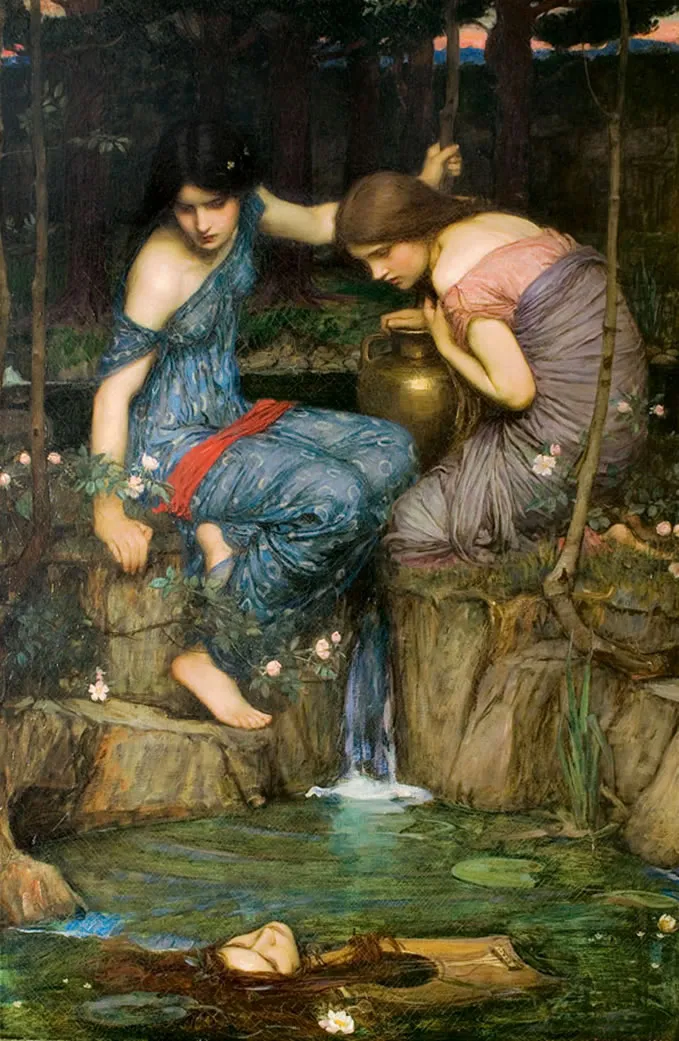
Late Pre-Raphaelite
10 artworks
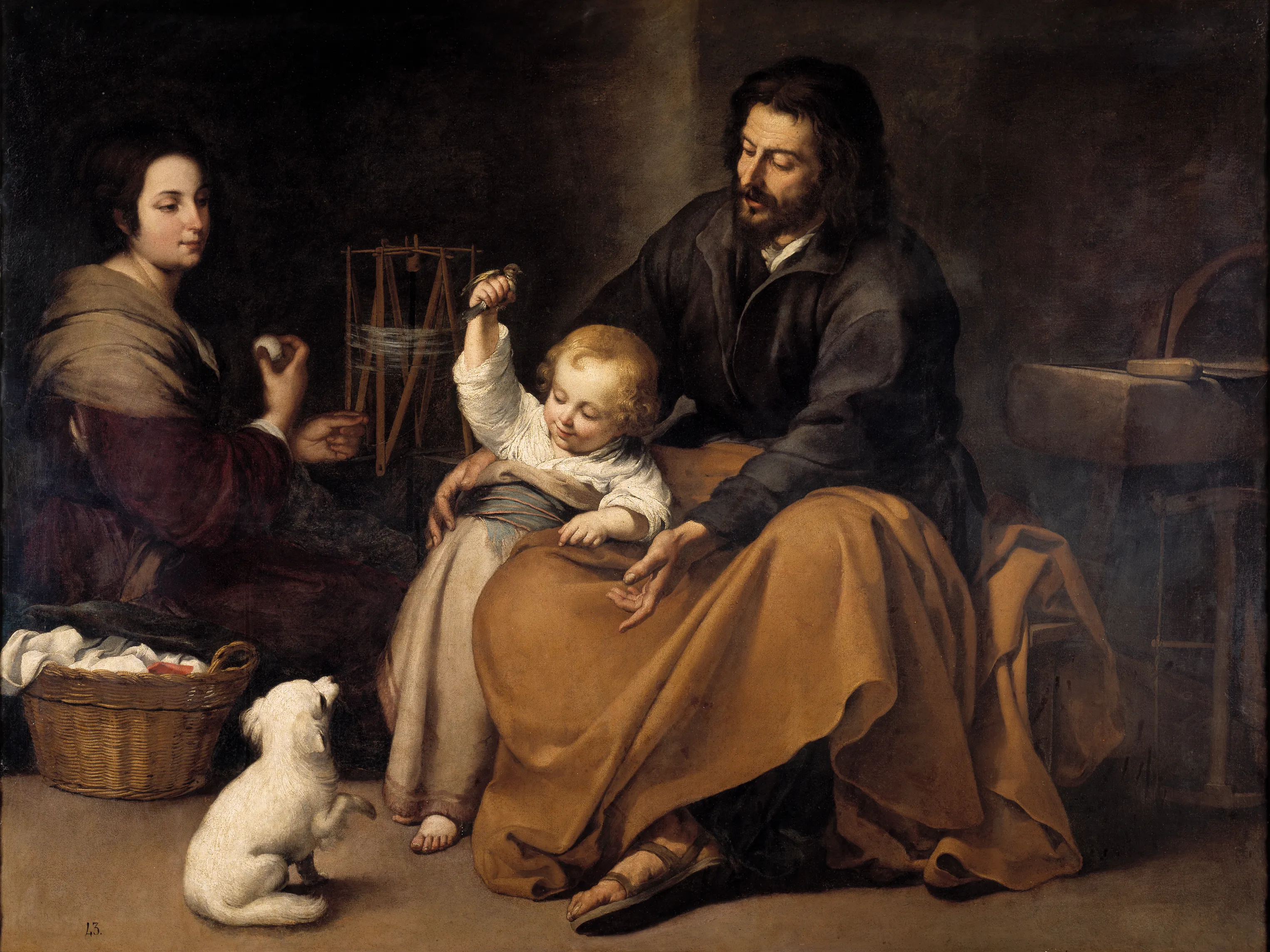
Baroque
2 artworks
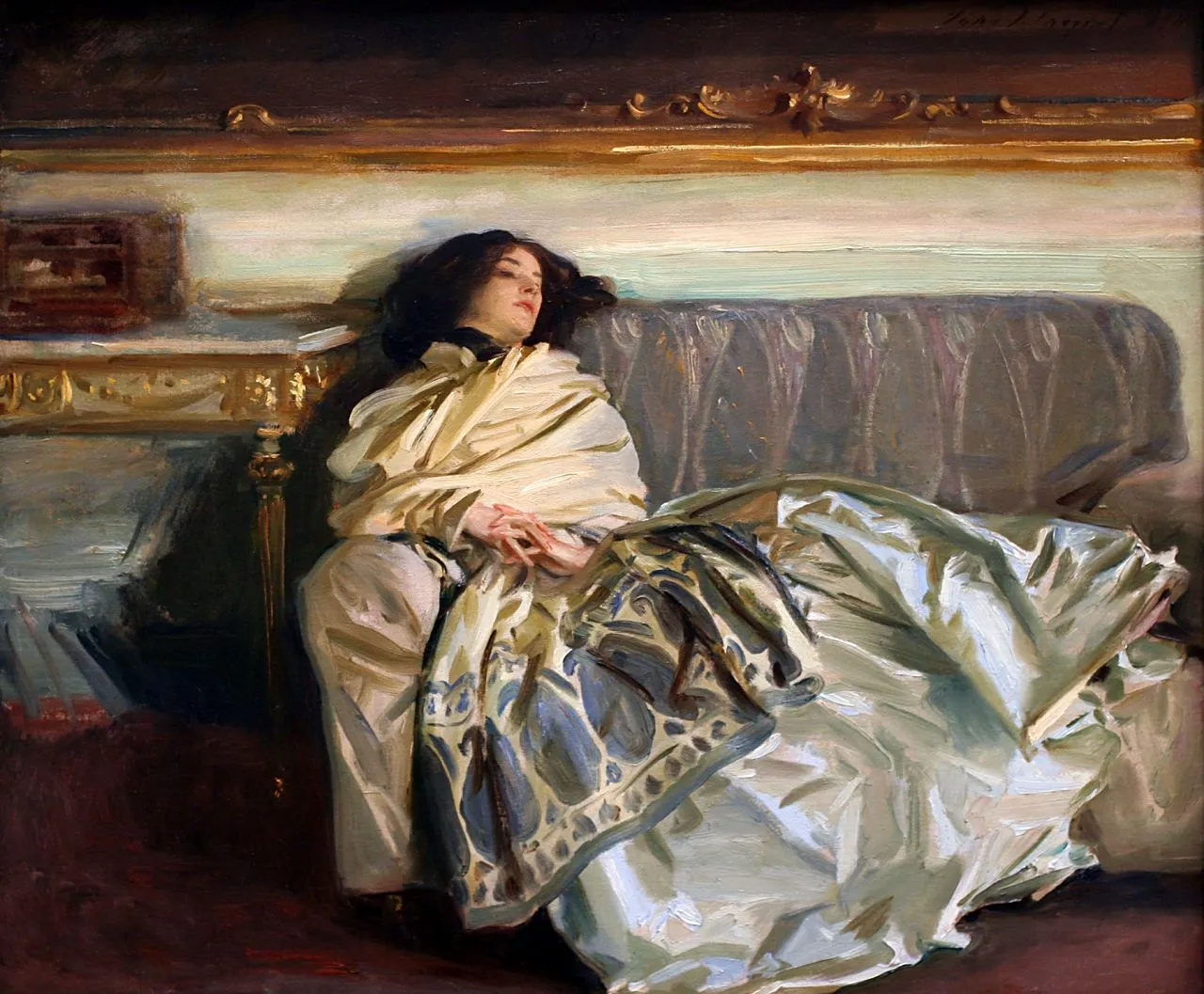
American Impressionism
5 artworks
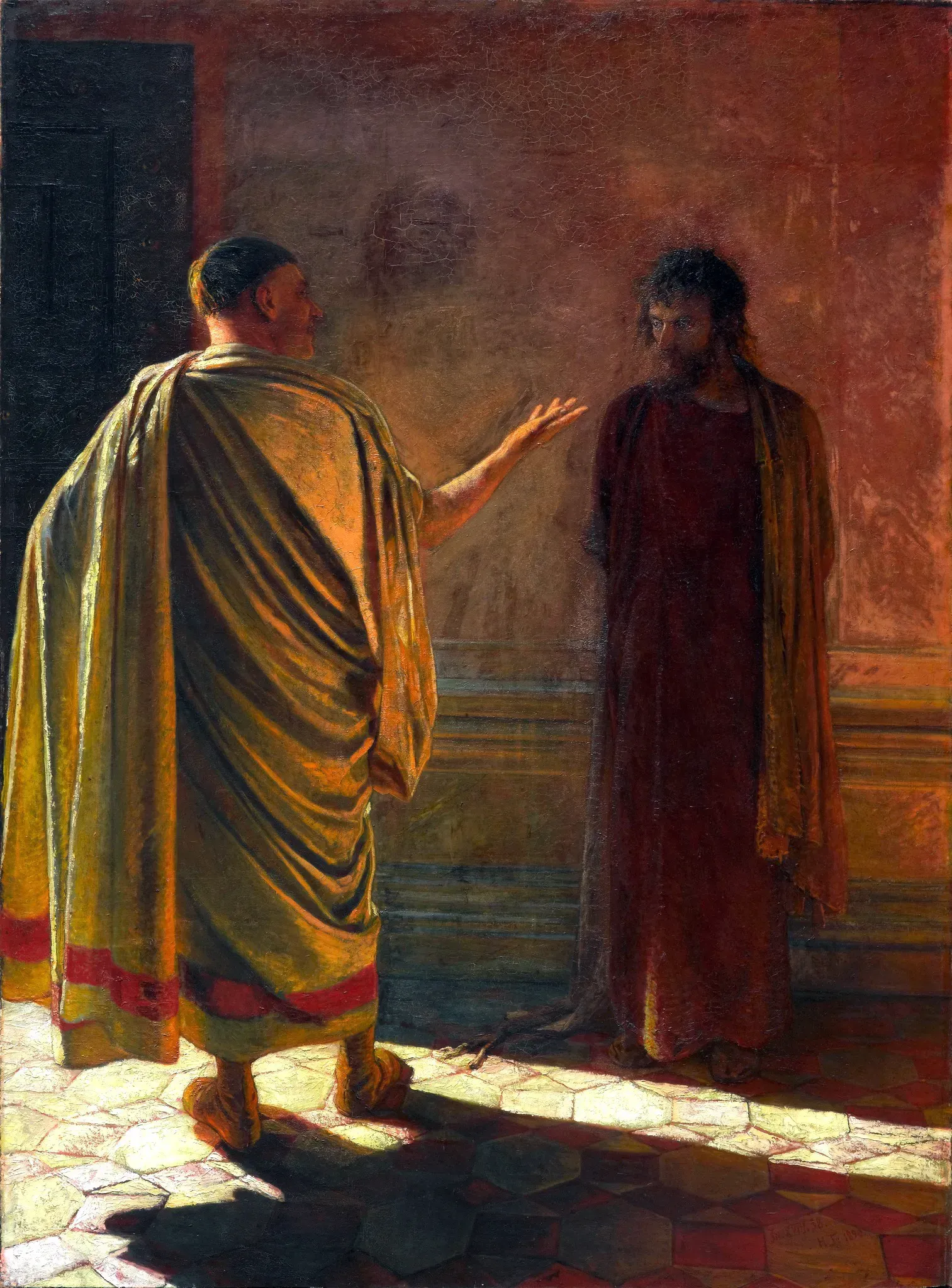
Realism
4 artworks
Pre-Raphaelite
3 artworks
Barbizon School
5 artworks
Academic art
5 artworks
Luminism
3 artworks
Rococo
2 artworks
Symbolism
22 artworks
Neo-Impressionism
3 artworks
Ukiyo-e
1 artworks
Japonism
4 artworks
Edo period
1 artworks
Fauvism
1 artworks
Naturalism
9 artworks
Russian Realism
1 artworks
Post-Impressionism
13 artworks
Genre painting
9 artworks
Neoclassicism
3 artworks
ウィーン分離派
7 artworks
自然主義
1 artworks
ナショナル・ロマンティシズム
1 artworks
未来派
1 artworks
More artists
If you find an error in this content, please let us know here
This site is protected by reCAPTCHA, and the Google Privacy Policy and Terms of Service apply.