
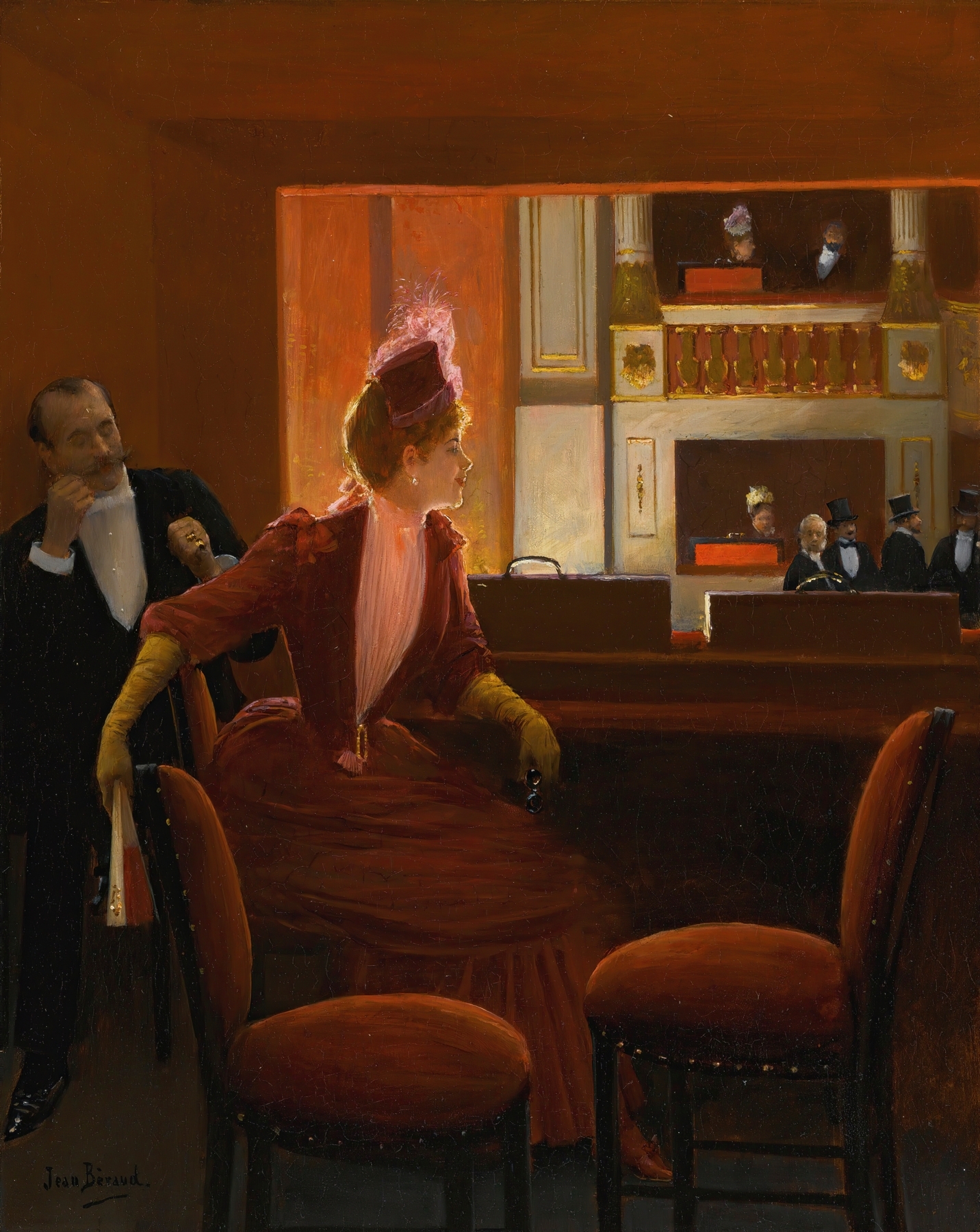
La Loge (At the Theater Box)
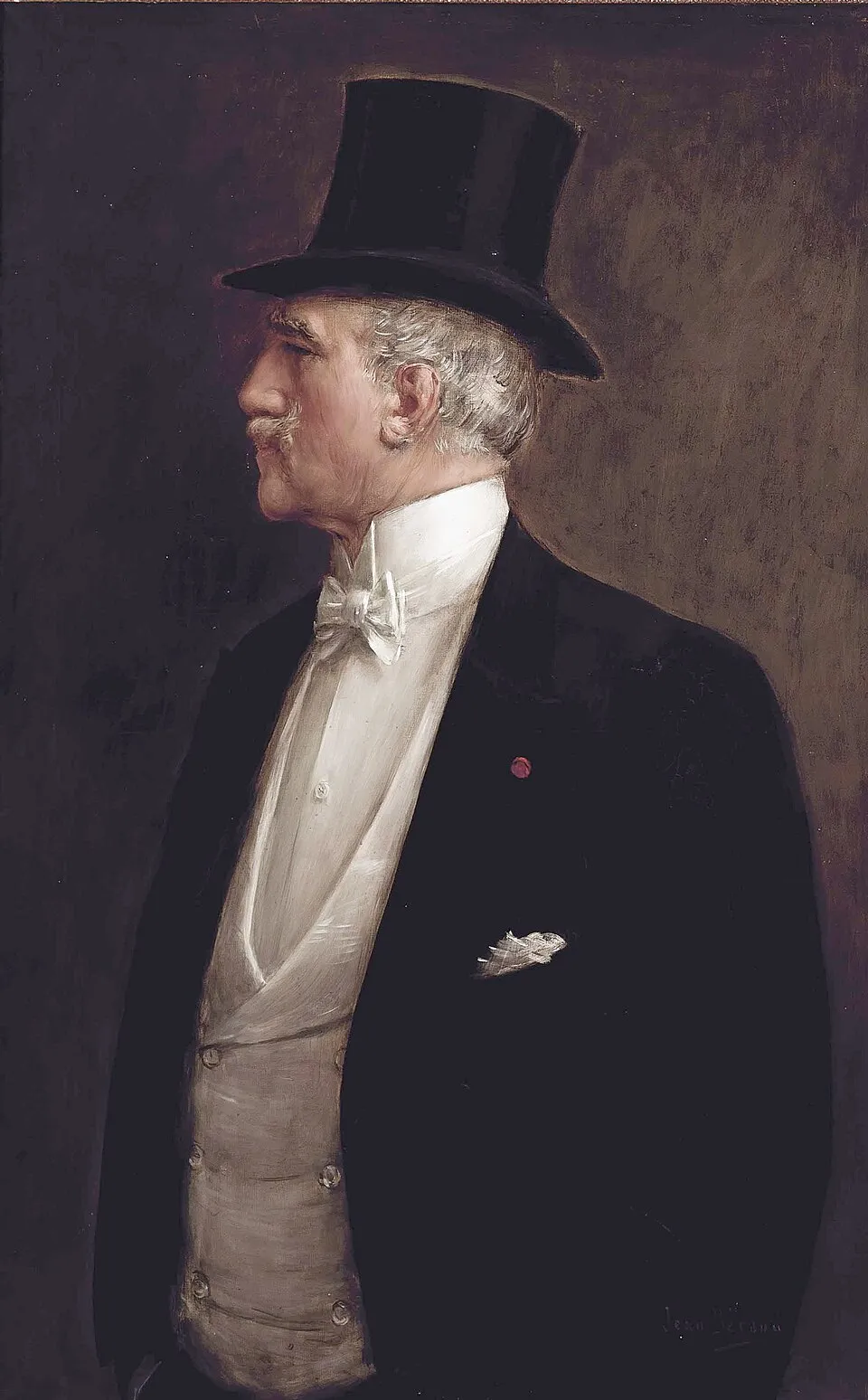
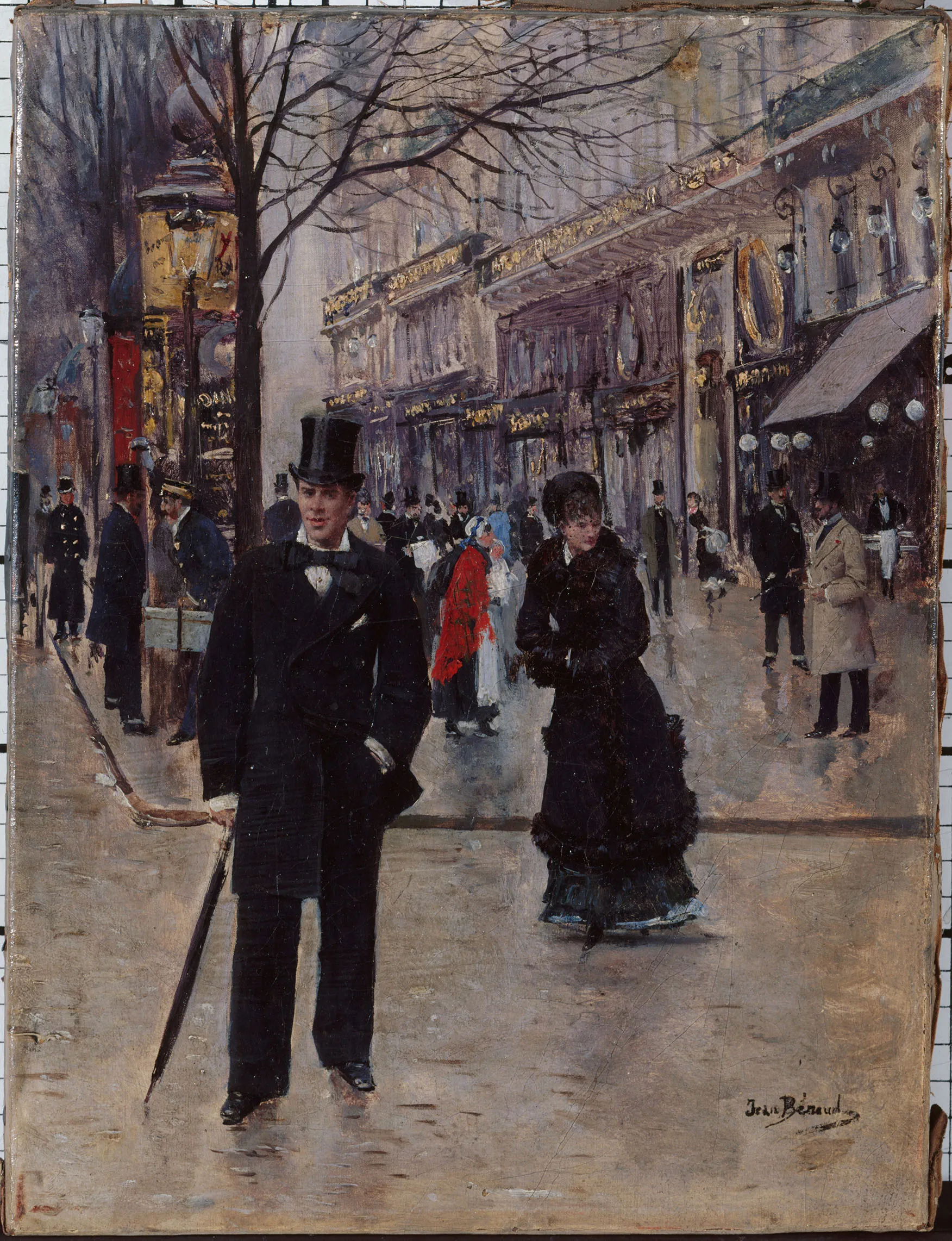
19世紀末から20世紀初頭のフランスにおいて、目まぐるしく変化する大通りの人間模様をスナップショットのように切り取った芸術家である。
A woman in a vibrant red dress and a pink feathered hat, bathed in the dazzling artificial light.
However, next to her, sunk in shadow, sits a gentleman with a somewhat bored and distracted expression.
Late 19th-century Paris, during the Belle Époque. The 'loges' (boxes) of theaters and opera houses were not merely places to watch a performance.
About 170 more words
Unlock this story's ending, and every article on MusicStory
- 42
Stories1–2 new every week
An archive of paintings paired with great music, made for a weekend night and a cup of coffee
- 282
Paintings with commentarygrowing daily
From simply looking to truly reading — the brushwork and the obsession of the masters
- 10
Music Librarygrowing daily
Know it first, and what reaches your ear changes — background music becomes art you keep for life
My Notes, unlimited
Every reading adds to a digital art notebook that is yours alone
Already have an account? Log in
Your Note
Write down what this painting made you feel in your art notebook.
Please sign up to write notes.
Sign up for freeRecommended Artworks
More artists
If you find an error in this content, please let us know here
This site is protected by reCAPTCHA, and the Google Privacy Policy and Terms of Service apply.