
The Lady of Shalott
1888
.webp)
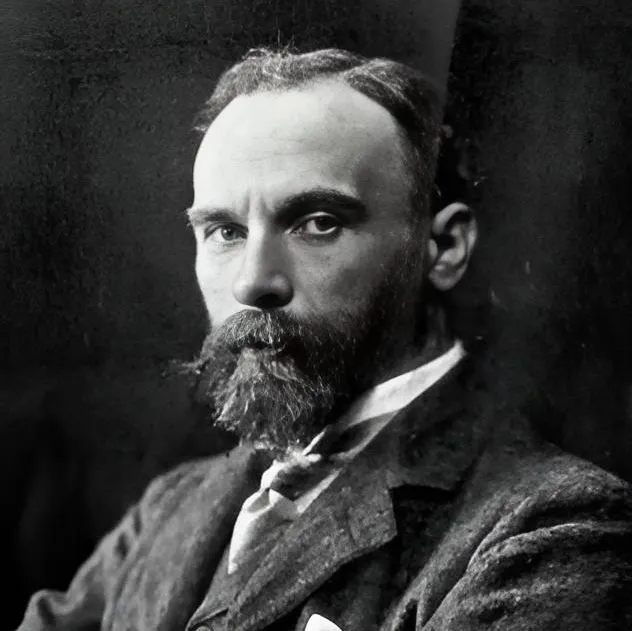
An English painter deeply influenced by the spirit of the Pre-Raphaelite Brother…
A woman in a white dress sits in a small boat adorned with a colorful tapestry, about to unfasten the chain to the shore.
A crucifix stands at the bow, and two of the three candles beside it have already been extinguished by the cold autumn wind.
This is one of Waterhouse's most famous masterpieces, inspired by Alfred Tennyson's renowned poem.
Yet, beneath the melancholic figure of this tragic heroine journeying towards death, there lies a quiet yet powerful drama of self-liberation that transcends the simple label of a 'pitiable victim'.
About 284 more words
Unlock this story's ending, and every article on MusicStory
- 42
Stories1–2 new every week
An archive of paintings paired with great music, made for a weekend night and a cup of coffee
- 282
Paintings with commentarygrowing daily
From simply looking to truly reading — the brushwork and the obsession of the masters
- 10
Music Librarygrowing daily
Know it first, and what reaches your ear changes — background music becomes art you keep for life
My Notes, unlimited
Every reading adds to a digital art notebook that is yours alone
Already have an account? Log in
Stories featuring this painting
Your Note
Write down what this painting made you feel in your art notebook.
Please sign up to write notes.
Sign up for freeRecommended Artworks
.webp)
_Leighton.webp)
More artists
If you find an error in this content, please let us know here
This site is protected by reCAPTCHA, and the Google Privacy Policy and Terms of Service apply.