
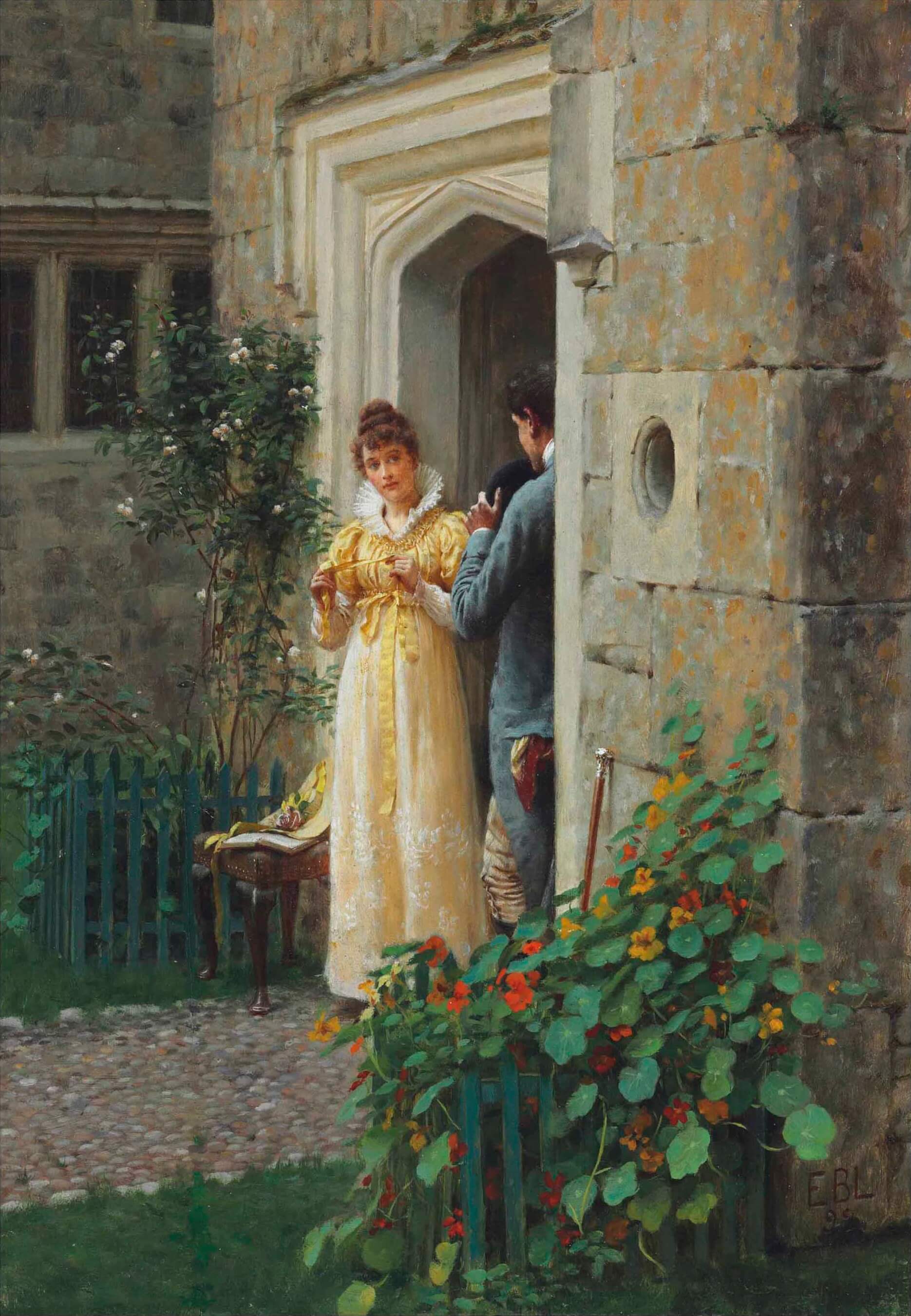
A Favour
1898
_Leighton.webp)
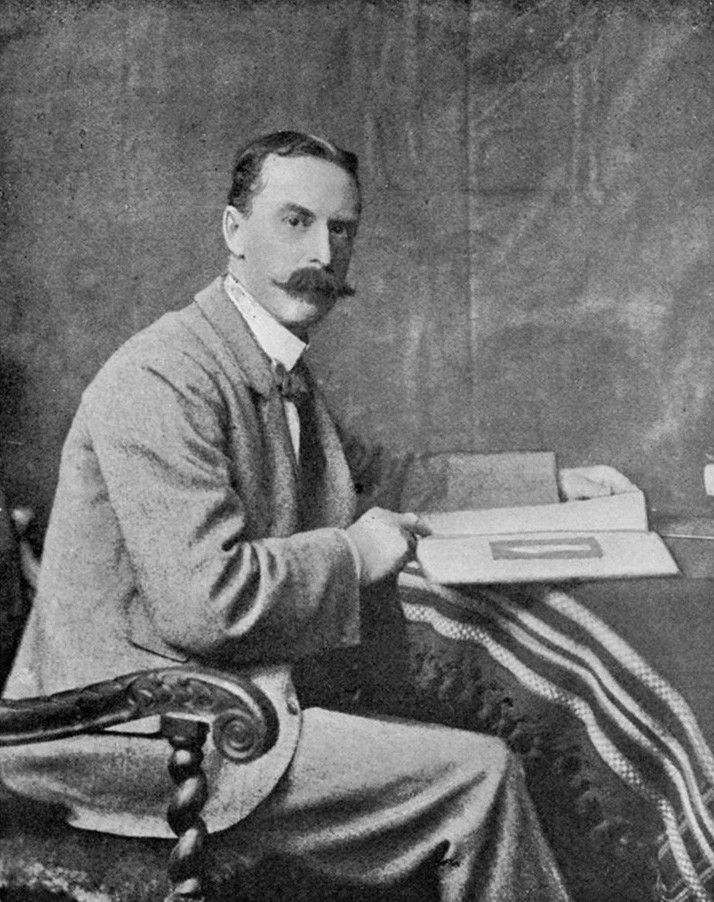
Active in London during the late Victorian and Edwardian eras, he was an artist…
A beautiful woman in an elegant white dress from the early 19th century, the Regency era.
A romantic and sweet everyday scene from a bygone era. However, in reality, at the end of the 19th century when this painting was created, Leighton was regarded as a 'lonely outsider' in the art world.
Having lost his father, a painter, at a young age, he began working in a tea merchant's office at 15. Surrounded by ledgers during the day, he was a hard worker who secretly saved his wages to attend night art school. His intricate and nostalgic paintings garnered immense popularity from the public and fetched high prices, but the art world of the time was already moving towards new waves like Modernism.
About 171 more words
Read stories of masterpieces for free
Your Note
Write down what this painting made you feel in your art notebook.
Please sign up to write notes.
Sign up for freeRecommended Artworks
.webp)
.webp)
More artists

If you find an error in this content, please let us know here
This site is protected by reCAPTCHA, and the Google Privacy Policy and Terms of Service apply.