
- Order
- Inward
- Delicate
- Tradition
A structure of silence, pared of all excess
Your sense of beauty
Picture yourself in a quiet, empty room, watching a shaft of light come in through the window. What draws you deeply is an arrangement stripped of ornament, where only the necessary elements stand quietly side by side. Faced with a space whose positions and intervals have been calculated to the millimeter, built on conventions handed down from earlier masters, you feel your mind settle. You avoid loud assertion; you prefer to take your time with the fine gradations of a shadow, or with harmonies that overlap in secret. There you find construction that leaves nothing to chance, and a clear completeness that lives inside silence. You know that within a structure emptied of all waste lies the true refinement that outlasts its own century.

What moves you
Time spent before a small painting in a hushed gallery, following the pale shadows cast by particles of light. Or standing inside the afterglow of quiet string harmonies as they slide smoothly from one to the next.
The beauty you tend to overlook
Uneven expression born of momentum and sudden inspiration, with no design worked out in advance. Warmth of life hides in the tremor of an unruled line too. Sometimes let yourself meet work that has deliberately been broken open.
The composer in tune with you: Gabriel Fauré
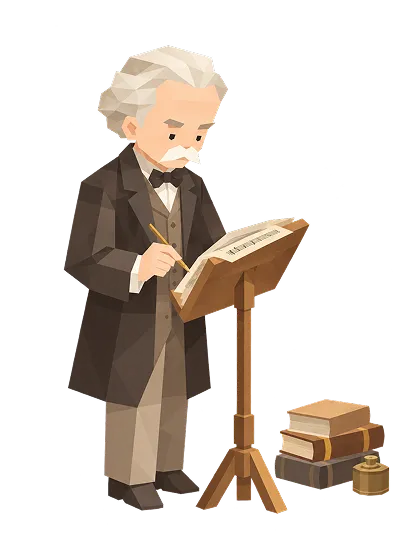
Fauré studied counterpoint — the craft of layering melodic lines — at the École Niedermeyer, a school of religious music. In his Requiem he deliberately leaves out the Dies irae sequence, normally the great climax of the form. Excess of feeling is refused; the sound is assembled quietly from clear melodic lines and finely graded harmonic change. It resonates deeply with your love of construction in which nothing is wasted.
Learn more about Gabriel FauréThe painter who resonates with you: Johannes Vermeer

Pinholes remain in Vermeer's canvases at the vanishing point, and he is thought to have stretched a thread from them to build his perspective exactly. In The Art of Painting, the calculated placement of wall and furniture and layers of ultramarine catch a soft light. Pared of everything unnecessary and ordered down to the smallest detail, that quiet interior resonates with a sensibility that finds beauty inside meticulous construction.
Learn more about Johannes VermeerWhat links the two
There is no historical connection between the two. But they share a quality: restraining excessive emotion, and through meticulous calculation and technique, building silence into a structure of great density.
Three paintings for you
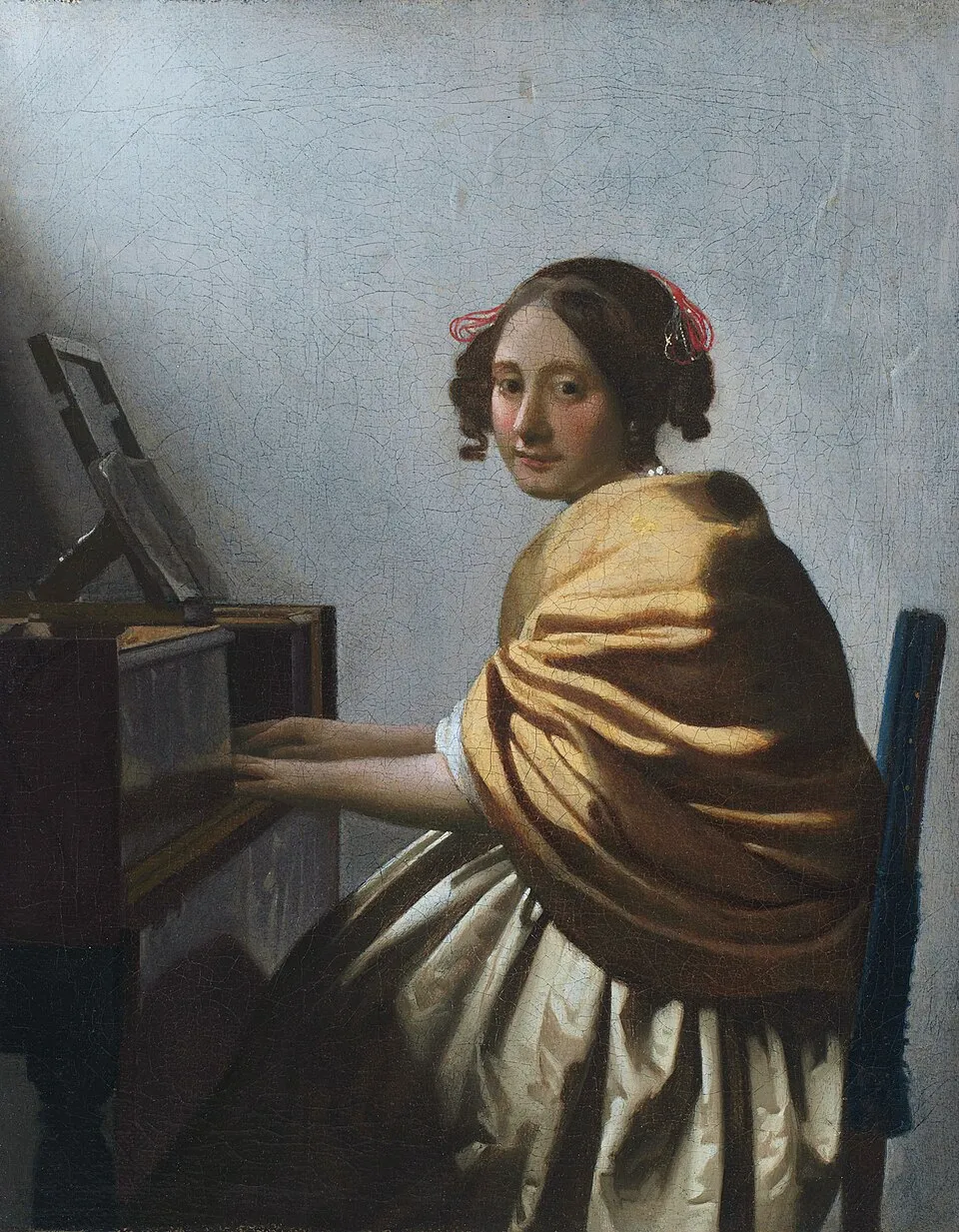
A Young Woman Seated at a Virginal
Johannes Vermeer
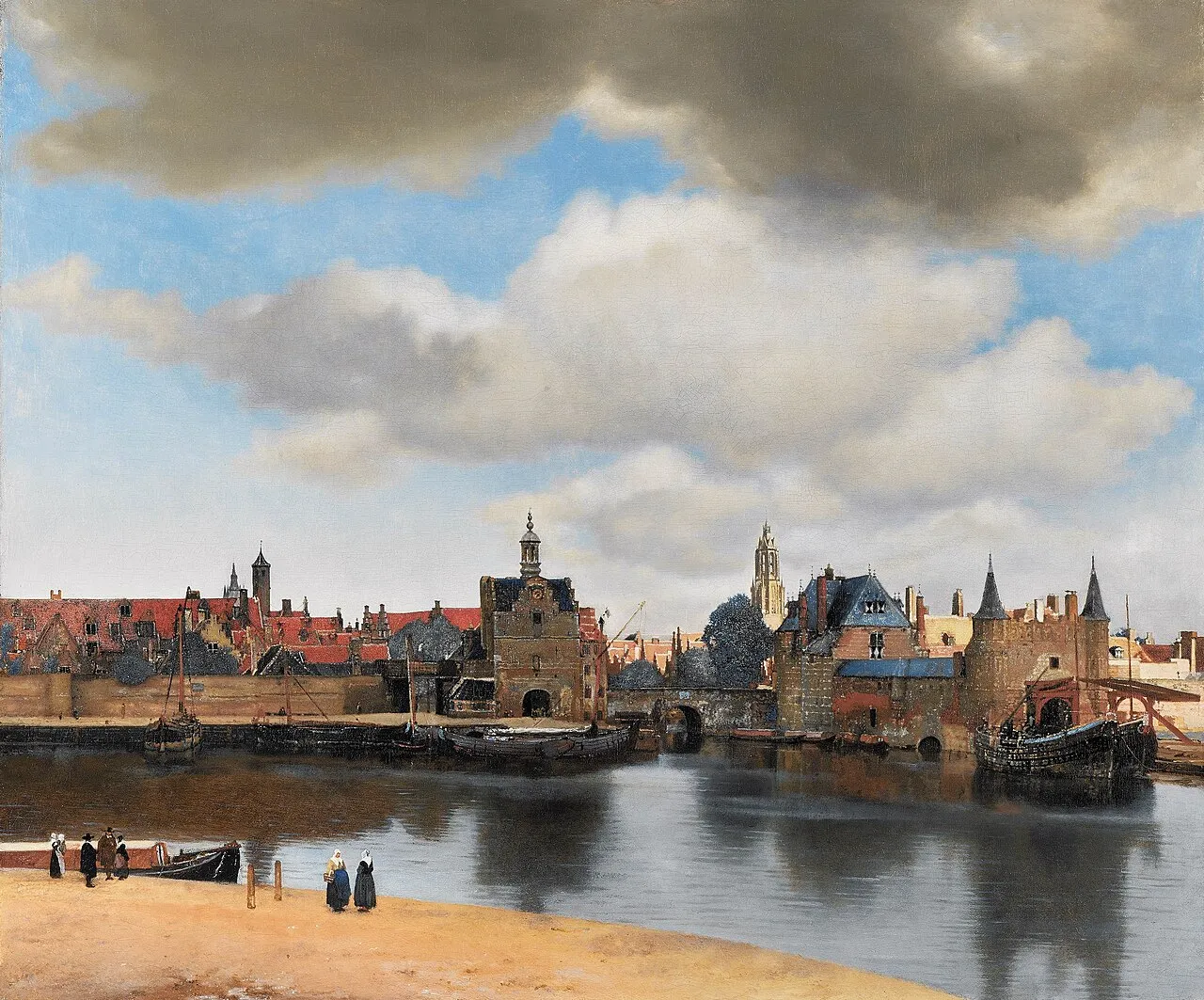
View of Delft
Johannes Vermeer
Sign up free to read the painting and music commentary
A single shaft of light falling into a hushed room already knows every answer.
Who stands beside you changes the work
Walk through the same exhibition, hear the same performance, and what you take home still changes with the person standing beside you.
A type who is fun to go and see things with
Without a word between you, your hearts move in the same place.



A type who finds what you overlooked
Half of it overlaps, half of it shifts. They show you what you would have walked past.


A type who sees from a completely different point of view
You spend the same hours, and the painting or the piece each of you remembers is a different one.
Types close to yours
See the other types

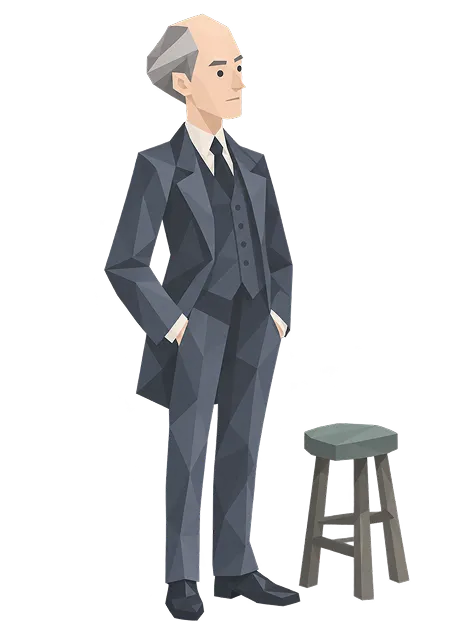 The Philosopher of SilenceOISNErik Satie × Edward Hopper
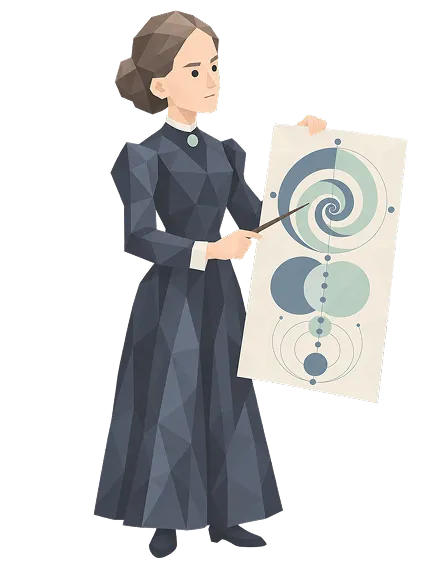 The Mystic VisionaryOIMNAlexander Scriabin × Hilma af Klint
 The Magician of ColorOESNMaurice Ravel × Henri Matisse
 The Avant-Garde PioneerOEMNIgor Stravinsky × Pablo Picasso
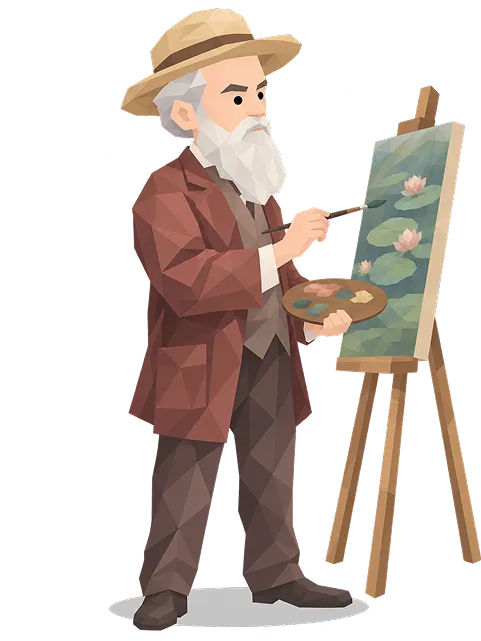 The Dreaming RomanticPISTFrédéric Chopin × Claude Monet
 The Poet of SorrowPIMTPyotr Tchaikovsky × Vincent van Gogh
 The Teller of NostalgiaPESTAntonín Dvořák × Jean-François Millet
 The Passionate RevolutionaryPEMTLudwig van Beethoven × Francisco de Goya
 The Solitary SeekerPISNJohannes Brahms × Caspar David Friedrich
 The Mad GeniusPIMNHector Berlioz × Edvard Munch
 The Free SpiritPESNFranz Liszt × Gustav Klimt
 The Iron-Willed ChallengerPEMNRichard Strauss × J. M. W. Turner

Where music and art meet,
stories that move you.
Reading that awakens a new sensibility

From “just looking”
to “reading” a painting
One painting becomes dramatically more interesting

The more you know,
the more you hear.
Commentary & analysis