
- Order
- Inward
- Powerful
- Innovation
Calculated to the finest degree, and still without end
Your sense of beauty
Looking at the geometric patterns in an illustrated encyclopedia or the arrangement of stars in the night sky flips a particular switch in you. What draws you deeply is work that takes the invisible laws and order behind the visible world and builds them perfectly into a code of its own. Faced with a creator who has devised a private theory or system of signs and used it to draw out an enormous vision, you feel intellectual excitement and a deep exhilaration. Mere copying of reality will not satisfy you; you find absolute beauty in expression where mathematical exactness and the scale of an unseen world become one.
What moves you
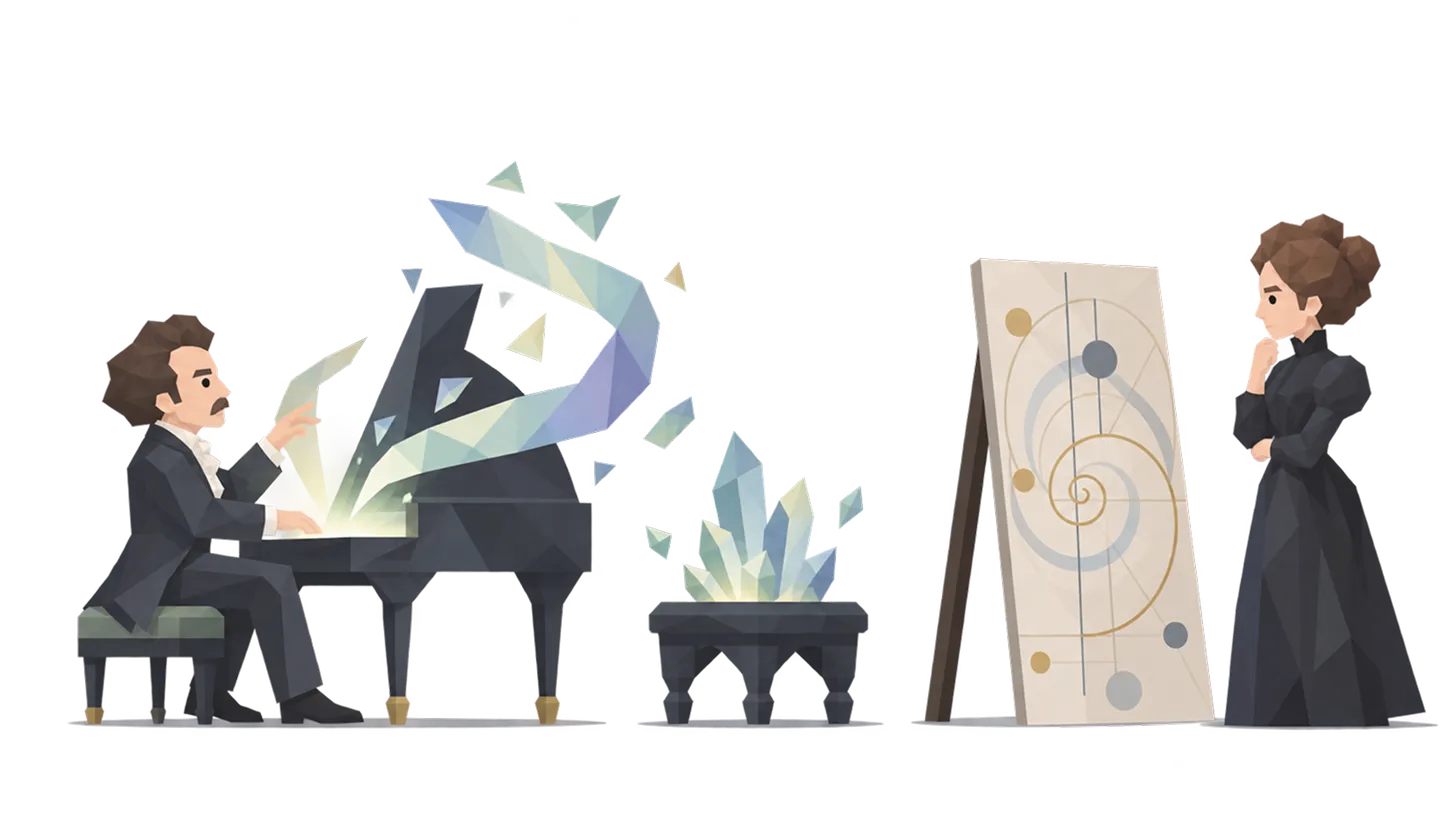
The moment you see an old star chart of combined figures and symbols and sense, behind its perfect arrangement, the law of the universe. Or the experience of a weighty, unheard-of resonance filling the hall until you seem to see particles of light spreading out.
The beauty you tend to overlook
Small everyday events that carry no special theory and no grand vision. In time spent taking the warmth of the tea in front of you or an ordinary conversation exactly as it is, without demanding deep meaning, there is a goodness that loosens the mind.
The composer in tune with you: Alexander Scriabin

In the symphony Prometheus, completed in 1910, Scriabin established an intervallic structure of his own known as the "mystic chord." He also wrote a part for a color organ (luce) into the orchestral score, envisioning sound and colored light working together throughout the whole space. A system of his own that unified sound and light through his own theory resonates with your sense of beauty.
Learn more about Alexander ScriabinThe painter who resonates with you: Hilma af Klint
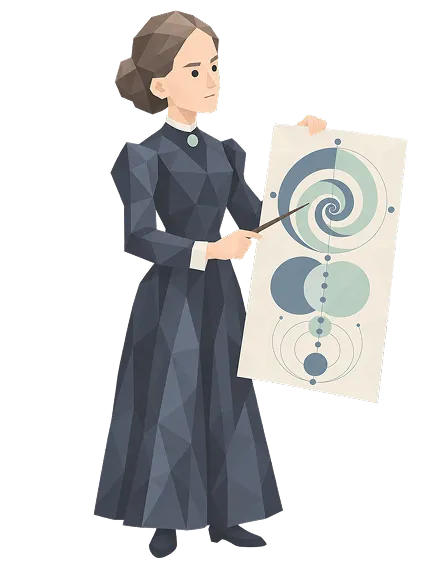
Af Klint recorded the meanings of colors and forms — spirals and circles — in detailed notebooks, working out a system of signs of her own. In works such as The Tree of Knowledge, vivid geometric figures and symbols are set in order across enormous sheets. A manner of painting that makes invisible laws visible through rules of her own devising overlaps with your love of structure and mystery.
Learn more about Hilma af KlintWhat links the two
There is no historical connection between the two. But they share a quality: reducing the laws of an invisible world to orderly rules of their own — a private harmonic theory, a private code of color — and drawing them out from there.
Three paintings for you
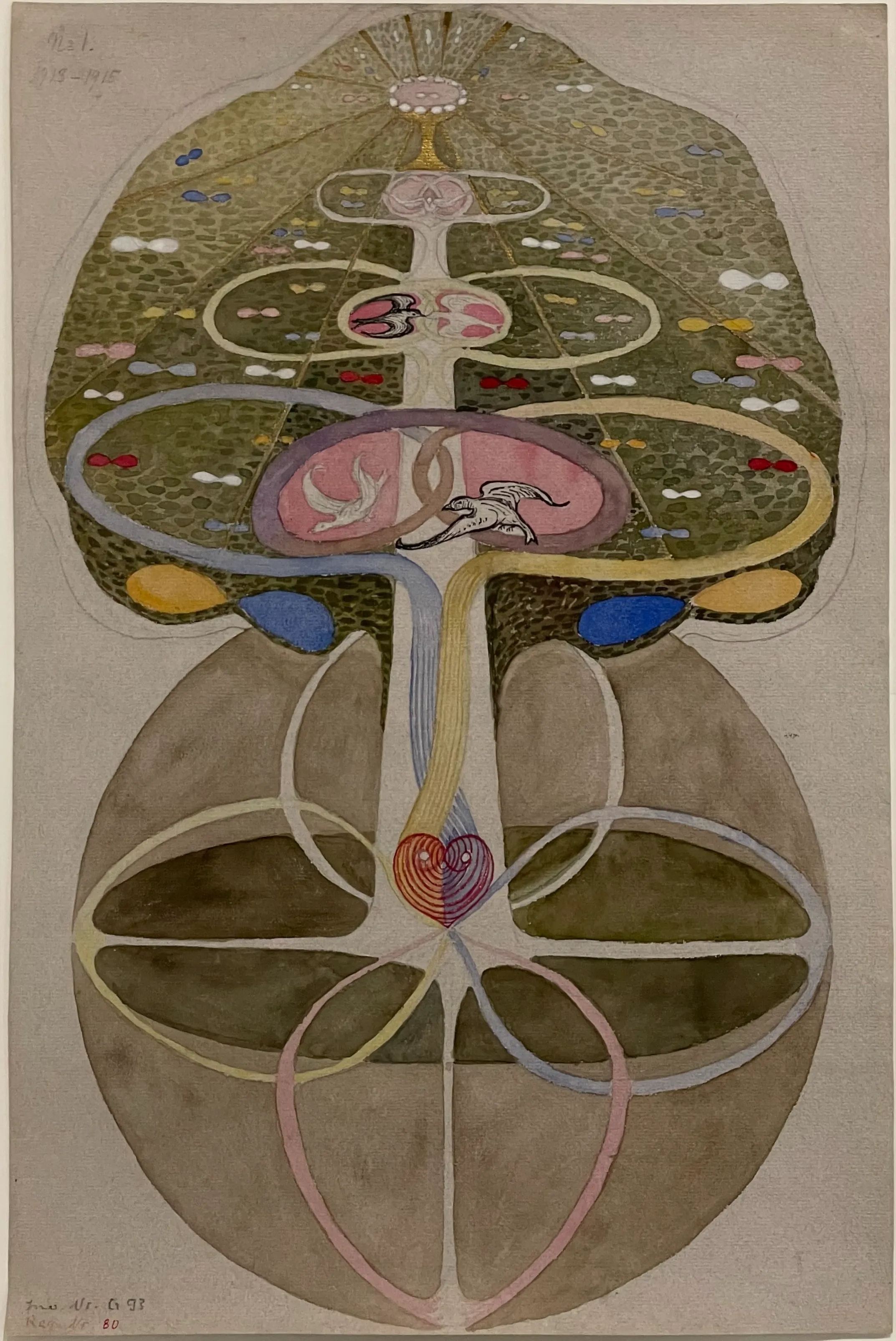
The Tree of Knowledge, No. 1
Hilma af Klint
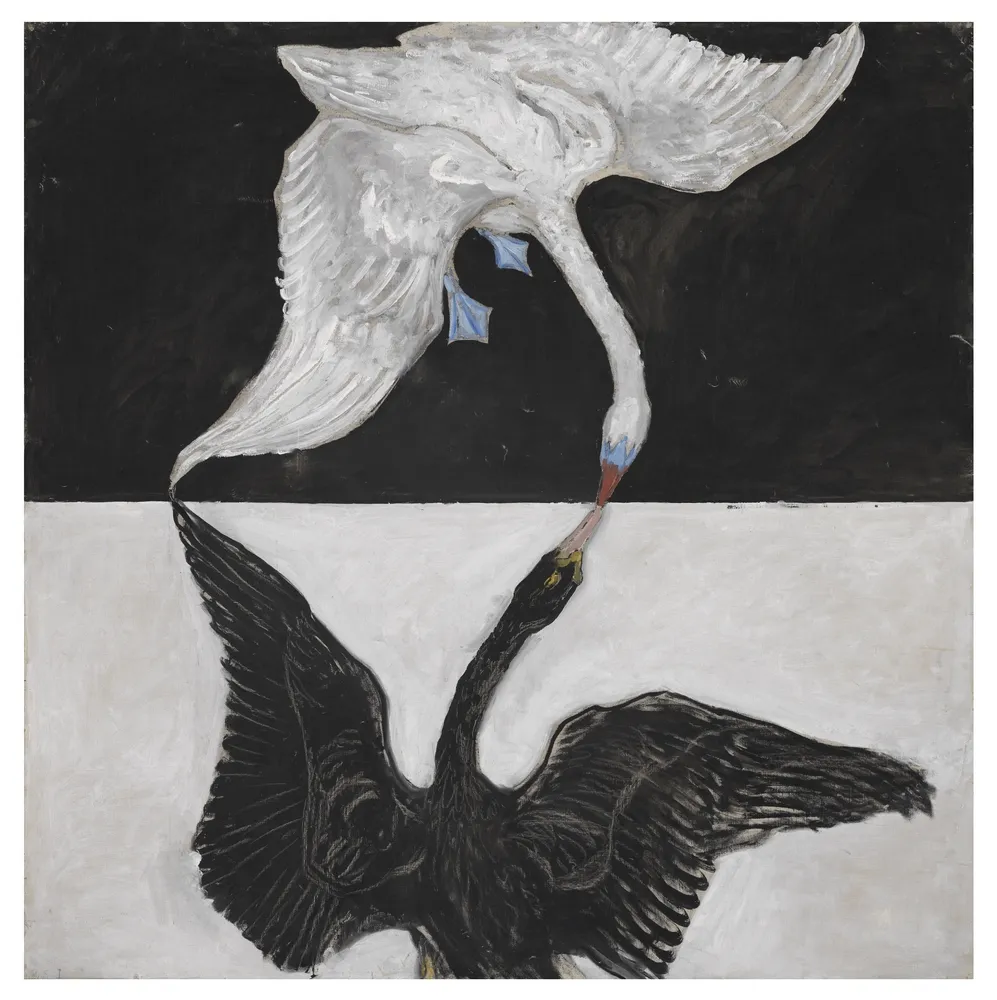
The Swan, No. 17
Hilma af Klint
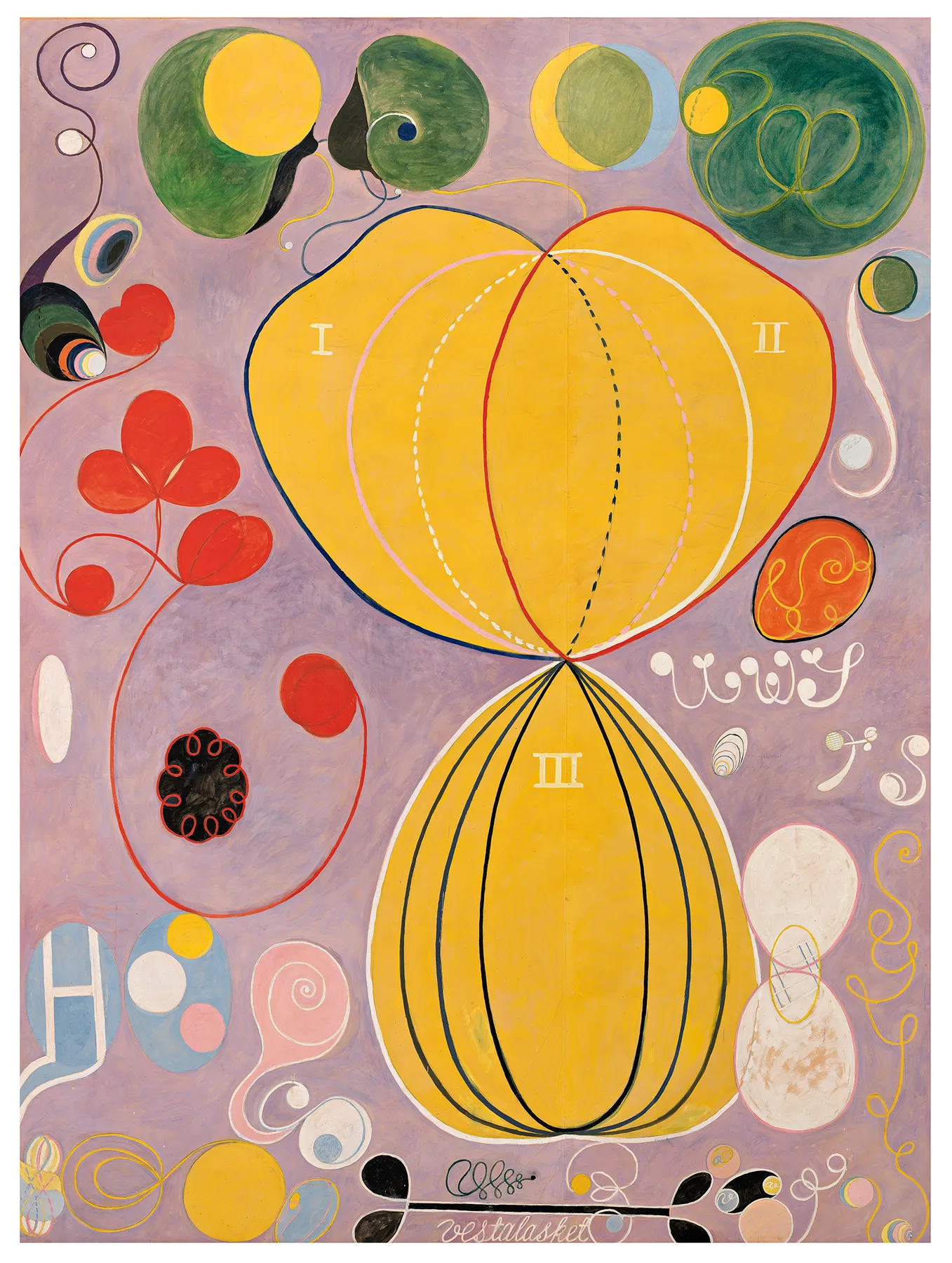
The Ten Largest, No. 7, Adulthood
Hilma af Klint
Sign up free to read the painting and music commentary
Trust not the visible form, but the law of the stars hidden behind it.
Who stands beside you changes the work
Walk through the same exhibition, hear the same performance, and what you take home still changes with the person standing beside you.
A type who is fun to go and see things with
Without a word between you, your hearts move in the same place.




A type who finds what you overlooked
Half of it overlaps, half of it shifts. They show you what you would have walked past.


A type who sees from a completely different point of view
You spend the same hours, and the painting or the piece each of you remembers is a different one.
Types close to yours
See the other types
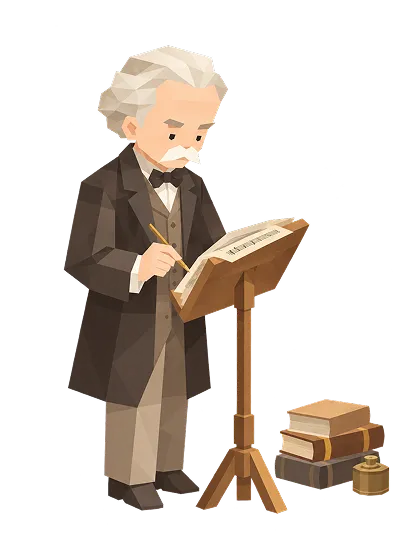
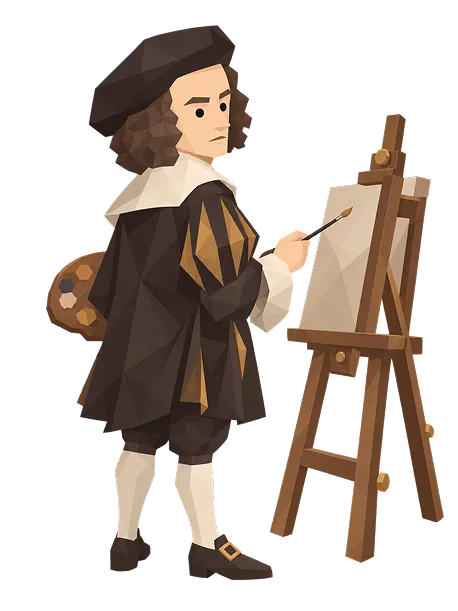 The Meticulous ArtisanOISTGabriel Fauré × Johannes Vermeer
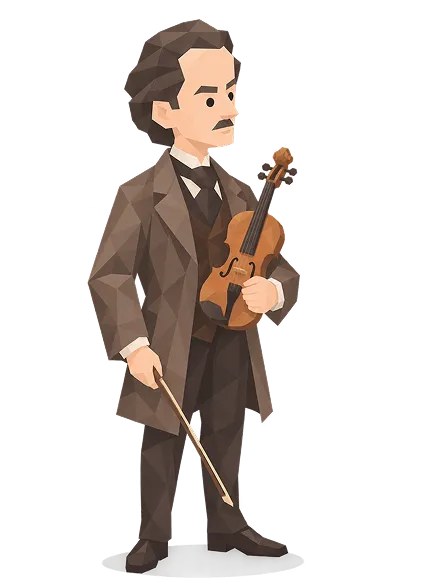 The Perfectionist ArchitectOIMTJohann Sebastian Bach × Paul Klee
 The Graceful HarmonistOESTFelix Mendelssohn × William Bouguereau
 The Brilliant EntertainerOEMTWolfgang Amadeus Mozart × Pierre-Auguste Renoir
 The Dreaming RomanticPISTFrédéric Chopin × Claude Monet
 The Poet of SorrowPIMTPyotr Tchaikovsky × Vincent van Gogh
 The Teller of NostalgiaPESTAntonín Dvořák × Jean-François Millet
 The Passionate RevolutionaryPEMTLudwig van Beethoven × Francisco de Goya
 The Solitary SeekerPISNJohannes Brahms × Caspar David Friedrich
 The Mad GeniusPIMNHector Berlioz × Edvard Munch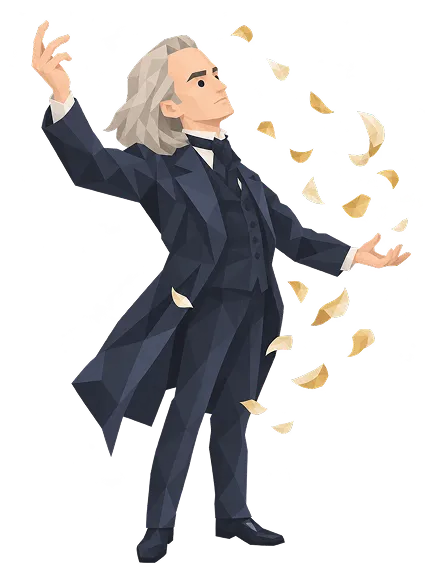
 The Free SpiritPESNFranz Liszt × Gustav Klimt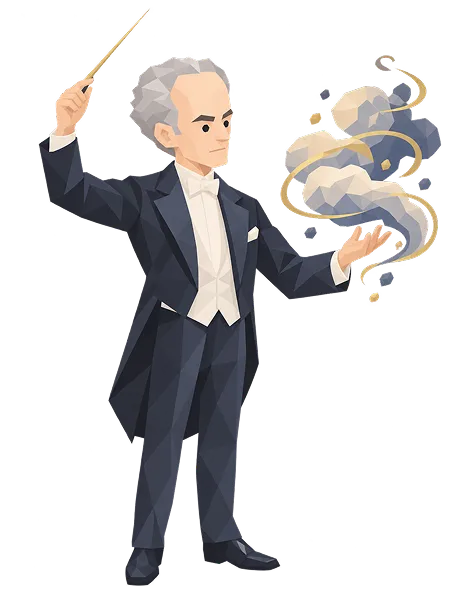
 The Iron-Willed ChallengerPEMNRichard Strauss × J. M. W. Turner

Where music and art meet,
stories that move you.
Reading that awakens a new sensibility

From “just looking”
to “reading” a painting
One painting becomes dramatically more interesting

The more you know,
the more you hear.
Commentary & analysis