
- Impulse
- Outward
- Delicate
- Innovation
Breaking convention, releasing a dazzling sensuality
Your sense of beauty
Overflowing light, blinding gold, color vivid enough to take the eye. What draws you is work that leaps lightly over the laid track and over a dull morality to let human sensuality and beauty explode. However conservative people may point at it as scandalous, you are captivated by expression that trusts its own senses, invents one new technique after another, and pulls the audience into a whirl of excitement. Not merely keeping to the forms of the past, but pushing form open from inside with overflowing passion and repainting the world in a dazzling light — in that challenge you find the highest beauty.
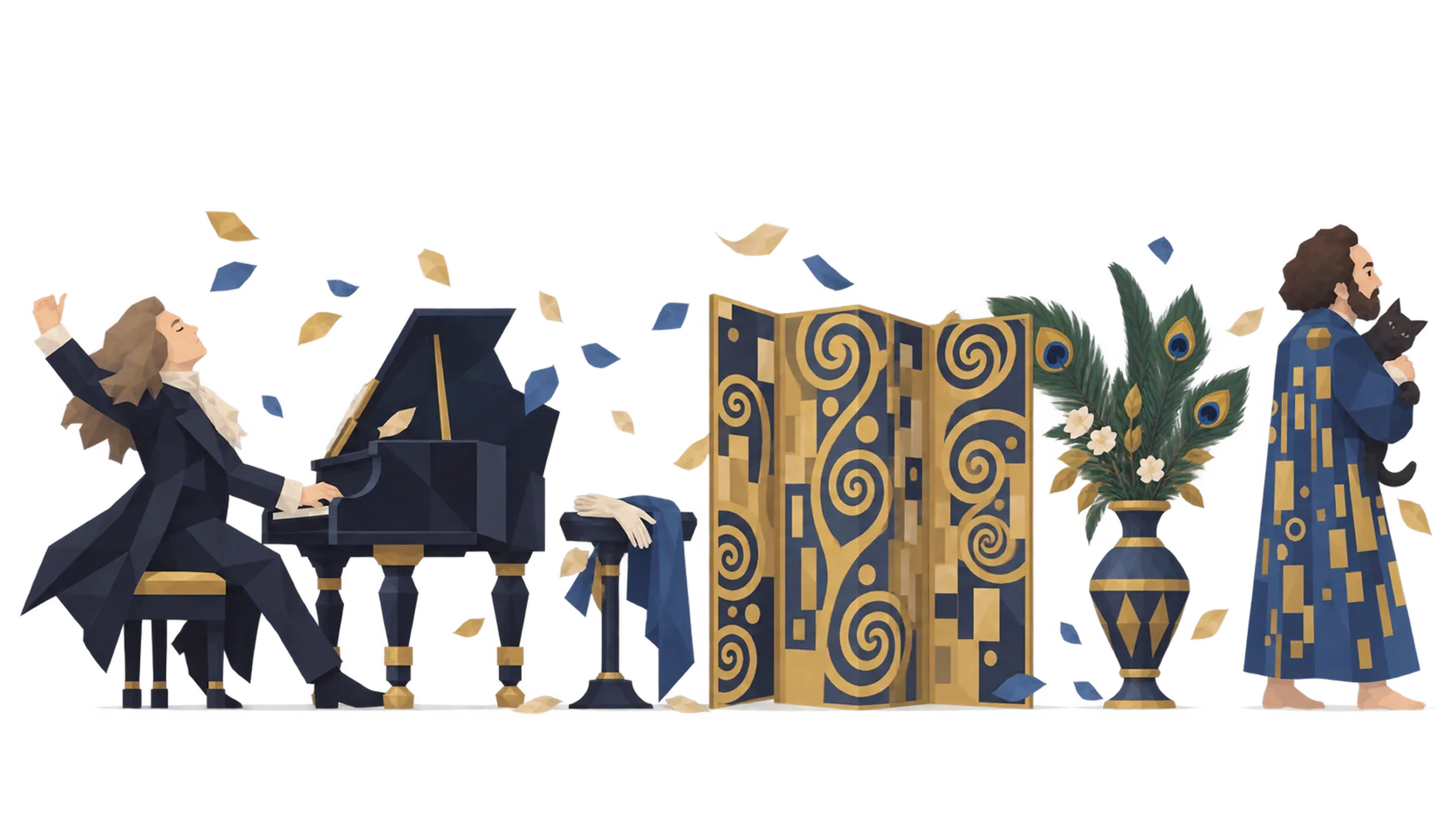
What moves you
The live moment when a transcendent piano technique throws off sparks and the whole audience is swallowed into a whirl of excitement. Or standing before a painting where a figure rises out of geometric gold-leaf ornament and a sensual light shines dazzlingly across the surface.
The beauty you tend to overlook
A plain, quiet scene of ordinary life, or an unassuming presence with all showy staging pared away. Step a little back from overflowing stimulus and touch the quiet warmth sleeping inside something modest and unadorned; a new depth is added to your sensibility.
The composer in tune with you: Franz Liszt

Shaken by hearing Paganini play in 1832, Liszt honed a technique beyond any previous limit, and in the 1840s set off the fervor of "Lisztomania" across Europe. Expression in which particles of sound burst brilliantly across the keyboard resonates deeply with a sense of beauty that leaps past the frame of convention in search of overwhelming pleasure.
Learn more about Franz LisztThe painter who resonates with you: Gustav Klimt

Klimt founded the Vienna Secession in 1897 and drew public condemnation as "sensual and contrary to morality" for works such as his university ceiling paintings. In The Kiss, the embrace of a man and a woman is drawn amid dazzling gold leaf and vivid pattern. A surface that goes on challenging the limits of sensuality and beauty without fear of public criticism resonates strongly with your sensibility.
Learn more about Gustav KlimtWhat links the two
There is no historical connection between the two. But they share a quality: in the conservative societies of Vienna and of Europe, setting up a scandalous sensuality and an innovative beauty that shook the public.
Three paintings for you
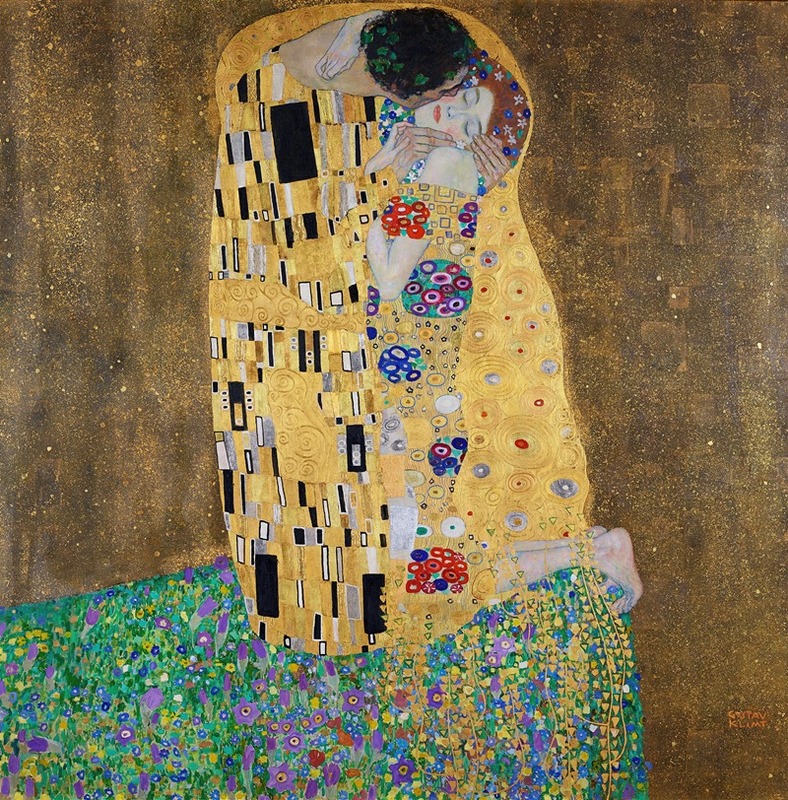
The Kiss
Gustav Klimt
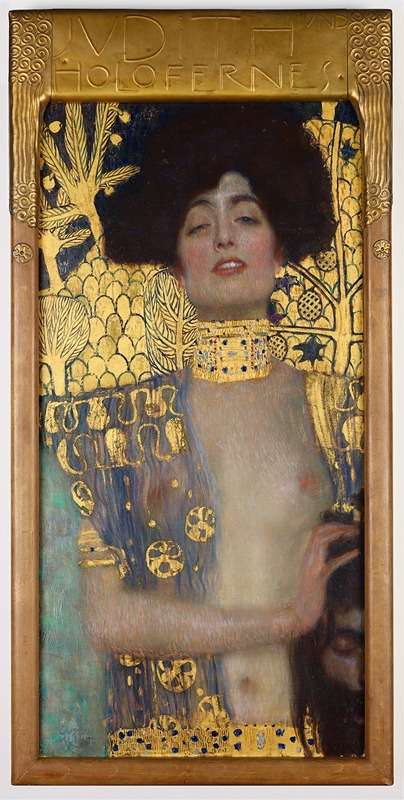
Judith I
Gustav Klimt
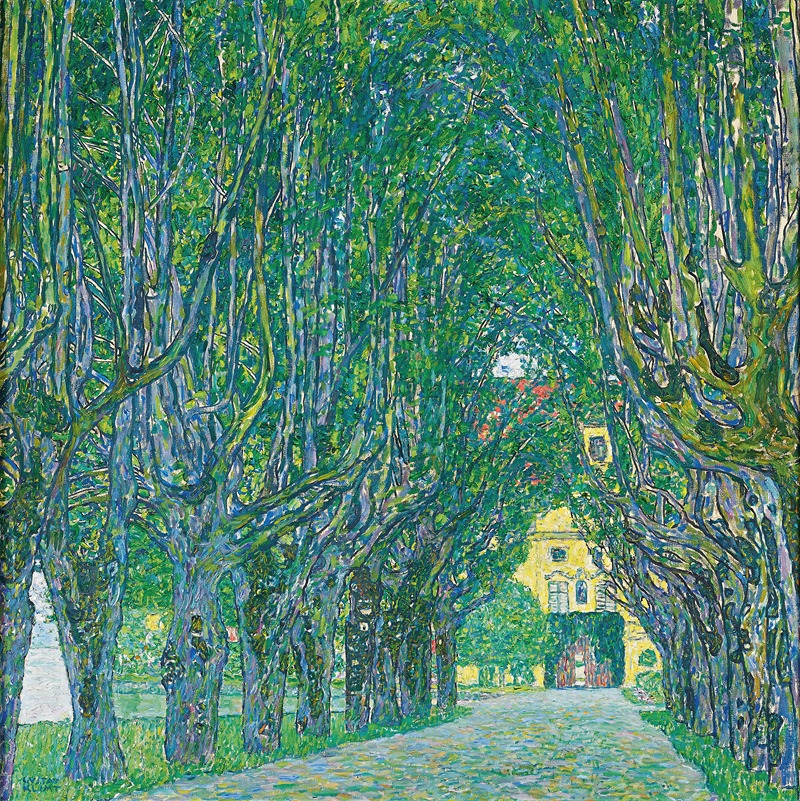
Avenue in the Park of Schloss Kammer
Gustav Klimt
Sign up free to read the painting and music commentary
Whose convention is it, anyway? Now is the time to step out into the dazzling light.
Who stands beside you changes the work
Walk through the same exhibition, hear the same performance, and what you take home still changes with the person standing beside you.
A type who is fun to go and see things with
Without a word between you, your hearts move in the same place.
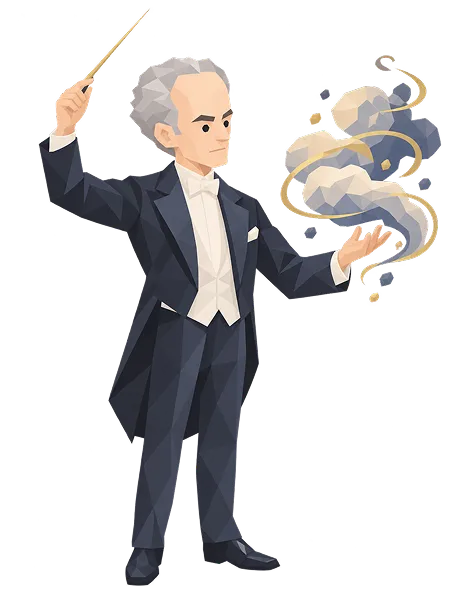



A type who finds what you overlooked
Half of it overlaps, half of it shifts. They show you what you would have walked past.


A type who sees from a completely different point of view
You spend the same hours, and the painting or the piece each of you remembers is a different one.
Types close to yours
See the other types
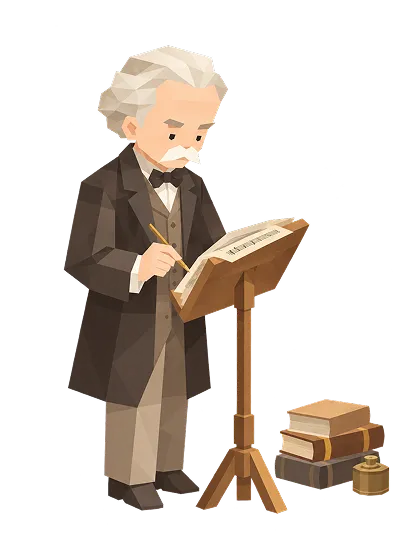
 The Meticulous ArtisanOISTGabriel Fauré × Johannes Vermeer
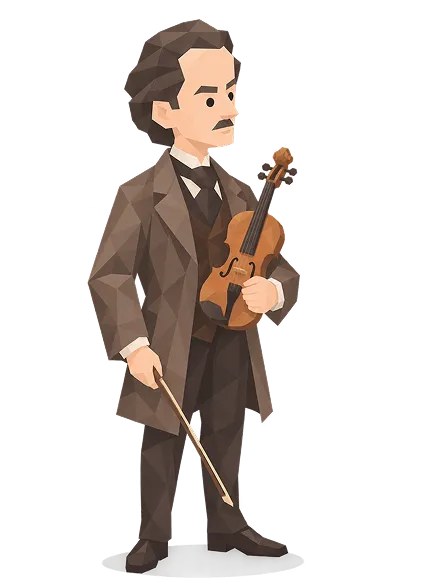 The Perfectionist ArchitectOIMTJohann Sebastian Bach × Paul Klee
 The Graceful HarmonistOESTFelix Mendelssohn × William Bouguereau
 The Brilliant EntertainerOEMTWolfgang Amadeus Mozart × Pierre-Auguste Renoir
 The Philosopher of SilenceOISNErik Satie × Edward Hopper
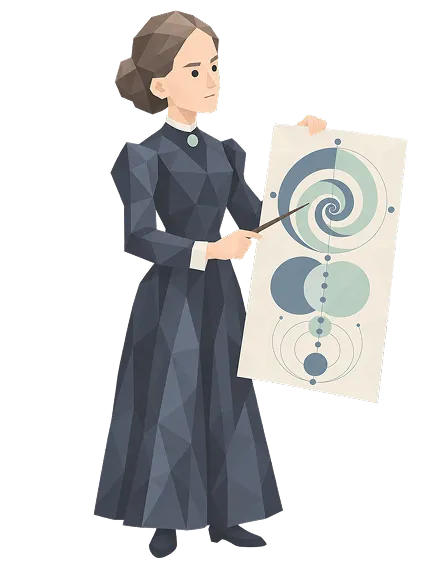 The Mystic VisionaryOIMNAlexander Scriabin × Hilma af Klint
 The Magician of ColorOESNMaurice Ravel × Henri Matisse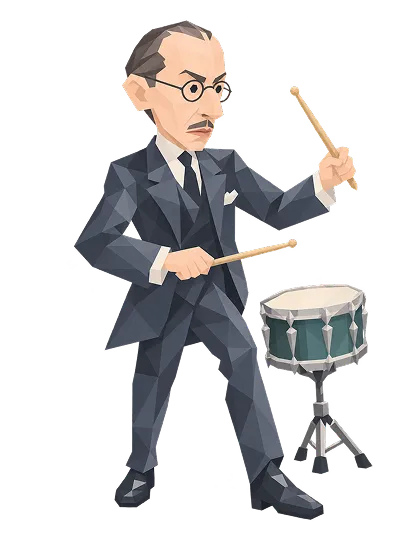
 The Avant-Garde PioneerOEMNIgor Stravinsky × Pablo Picasso
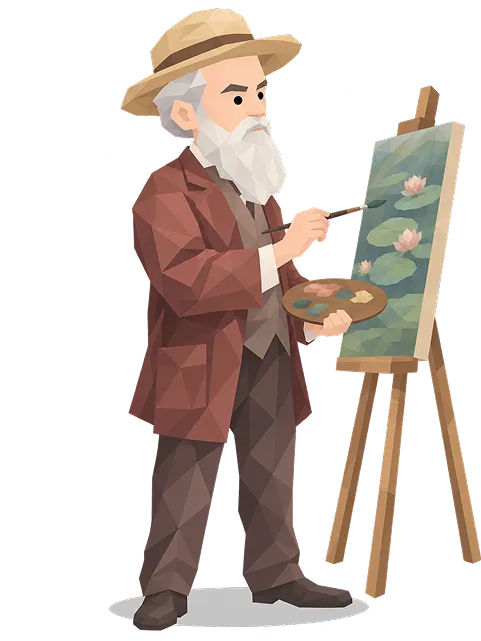 The Dreaming RomanticPISTFrédéric Chopin × Claude Monet
 The Poet of SorrowPIMTPyotr Tchaikovsky × Vincent van Gogh
 The Teller of NostalgiaPESTAntonín Dvořák × Jean-François Millet
 The Passionate RevolutionaryPEMTLudwig van Beethoven × Francisco de Goya

Where music and art meet,
stories that move you.
Reading that awakens a new sensibility

From “just looking”
to “reading” a painting
One painting becomes dramatically more interesting

The more you know,
the more you hear.
Commentary & analysis