
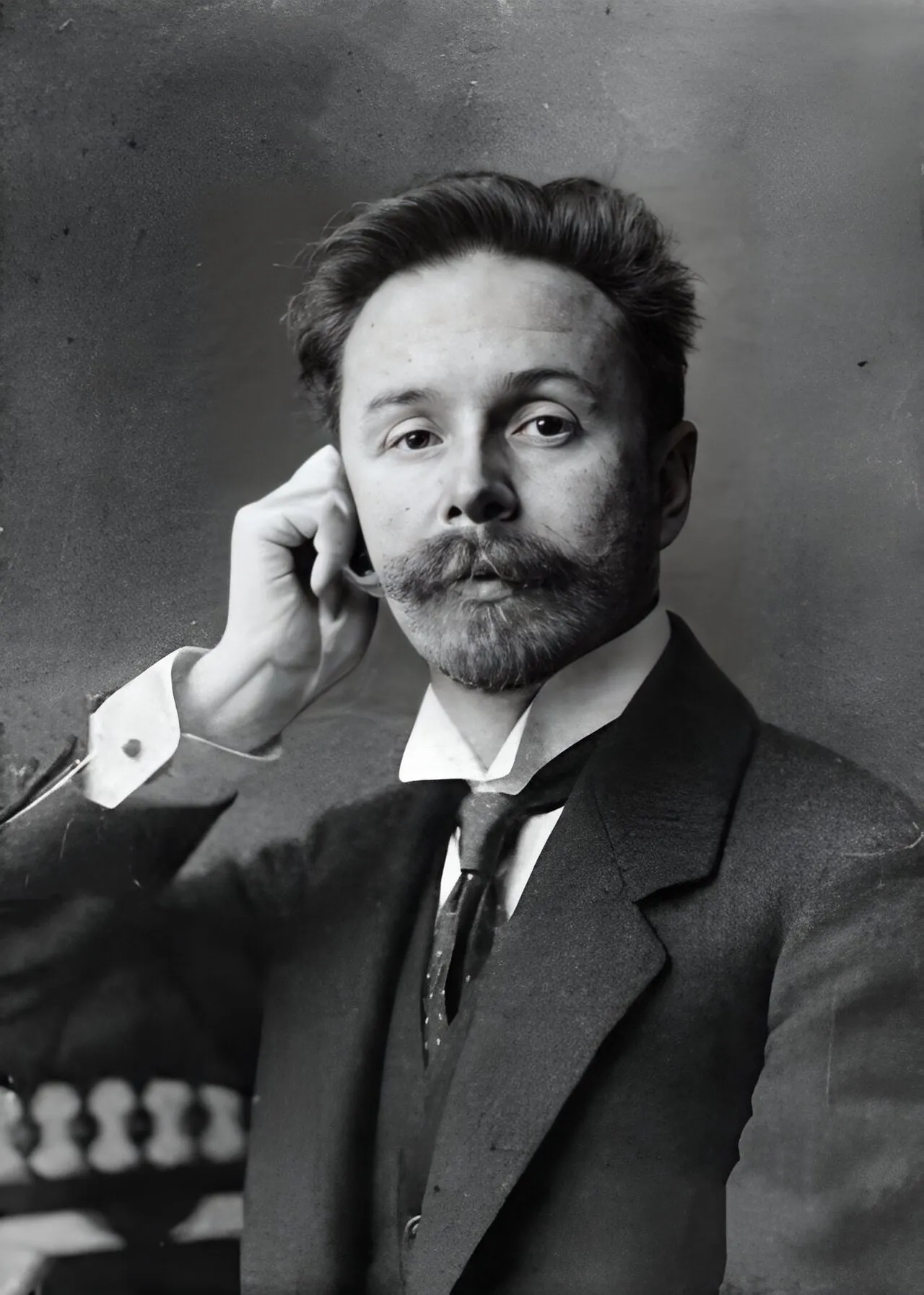
AlexanderScriabin
Russia·1872 – 1915
An innovator who transcended the bounds of tonality, reaching the heights of mysticism through the synthesis of sound and color
Alexander Scriabin was a Russian composer and pianist of the late 19th and early 20th centuries who forged a unique sonic language beyond traditional tonality, guided by a deeply mystical aesthetic. Born into a noble Moscow family in 1872, he lost his pianist mother in infancy and later blossomed at the Moscow Conservatory. Starting from a delicate Romantic style heavily indebted to Chopin, he ultimately arrived at his own idiosyncratic creation, the "mystic chord."
The first major turning point in his artistic journey arrived at the age of nineteen. Pushing himself to the limit in competitive practice with a classmate over virtuosic repertoire, he developed severe tendinitis in his right hand. Plunged into despair over the potential end of his performing career, he conceived the Pieces for the Left Hand, Op. 9. This misfortune ultimately served as a vital catalyst, prompting him to explore the multi-layered and sophisticated harmonic textures that would characterize his later works.
In 1904, Scriabin separated from his wife and relocated to Switzerland, beginning an itinerant life abroad. During this period, he immersed himself in esoteric currents such as Theosophy, profoundly transforming his musical philosophy. By 1907, confident in his emerging musical language, he wrote in a letter to a French newspaper editor: "I am currently working on my Fifth Sonata. This piece will be the greatest among all my creations."
In his later years, he aspired to realize a synesthetic total work of art uniting sound and vision. In the score of his symphonic poem Prometheus, he included a dedicated part for the "clavier à lumières" (color organ) to visually render the harmonic shifts of the music. He was genuinely convinced that the combined power of sound and light could elevate listeners into an ecstatic trance, bringing about spiritual transcendence.
In 1915, while absorbed in the grand design of his Mysterium—a monumental endeavor intended to bring about the spiritual rebirth of humanity—he developed septicemia from a minor blemish on his upper lip and died suddenly at the age of forty-three. Although his work was later condemned at times under the Soviet regime as "bourgeois mysticism," his revolutionary music was quietly kept alive. Long dismissed by detractors as an eccentric occultist, he was in truth a profound pioneer of modern music who built avant-garde soundscapes upon rigorous logic and structure.
作風の変遷 ― 沈黙と絶望が独自の和声を生むまで
スクリャービンの創作活動は、生涯を通じて劇的な変化を遂げました。初期の彼は、少年期からの偶像であったショパンの影響を色濃く受けた、繊細な後期ロマン派様式から出発しています。モスクワ音楽院時代には右手を故障する絶望を味わいますが、その中で生み出された『左手のための小品 Op. 9』は、片手のみとは信じがたい多層的な和声の広がりを見せました。24歳で書き上げた美しくメランコリックな『ピアノ協奏曲 嬰ハ短調 Op. 20』など、この時期の作品にはロシア的な哀愁と深い抒情性が横溢しています。
1903年にモスクワ音楽院の教授を辞任し、スイスへ移住した頃から、彼の中期が始まります。神智学などの神秘主義思想に傾倒した彼は、伝統的な機能和声の解体へと向かいました。肉体的な自我の闘争から精神の解放を描いた『交響曲第3番《神聖な詩》Op. 43』は、その転換点を示す大規模な作品です。さらに1907年の『ピアノソナタ第5番 Op. 53』では、単一楽章形式を採用し、調性感を脱した新たな響きの予兆を提示しました。驚異的な跳躍とトランス状態の疾走が交錯するこの作品で、彼は独自の音楽言語への確信を深めていきます。
1907年以降の晩年は、「神秘和音」を軸に無調体系を打ち立てた時期です。交響曲『プロメテウス・火の詩 Op. 60』では、神秘和音を全面的に骨格とし、音と色彩のダイナミックな対位法を表現しました。また、禍々しいモチーフが支配的な『ピアノソナタ第9番《黒ミサ》Op. 68』や、全宇宙が光と炎の柱となって燃え上がる光景を描いたピアノ小品『焔に向かって Op. 72』など、前衛的で圧倒的なエネルギーを持つ傑作を次々と生み出しました。ロマン派のピアニズムは、ここでついに現代音楽の扉を開いたのです。
通説と実像 ― 狂気の神秘主義者か、論理的な革新者か
スクリャービンの生涯には、オカルト的な伝説や通説が数多く付きまとってきました。例えば、彼は音を聴くと物理的な色彩が鮮明に浮かび上がる「共感覚者」であったと言われがちです。しかし実際の研究によれば、彼が提示した音階と色彩の対応表は、アイザック・ニュートンの可視光線スペクトルの配列と完璧に合致しています。つまり、脳神経学的な共感覚というよりも、光学理論や神智学のシンボリズムに基づいて人工的かつ論理的に構築された「概念的な共感覚」だった可能性が高いのです。
また、晩年の彼が全人類を解脱・滅亡させる《神秘劇》の構想に憑りつかれ、完全な狂気に陥っていたというのも有名な俗説です。実際には、当時のロシア象徴主義の文化圏において「芸術の力で物質世界を精神世界へと変容させる」という思想は真剣に議論されていました。彼は孤立した狂信者ではなく、同時代の文化人たちと交流しながら、その思想を独自の幾何学的・論理構造で精緻に体系化しようとしていたに過ぎません。最晩年には実現不可能性を自覚し、より現実的な作品へと計画を修正する理性も持ち合わせていました。
43歳での突然の死についても、神の領域に踏み込もうとしたための「天意や呪い」として語られることがありました。しかし実態は、ロンドン公演中に上唇にできた小さな面疔を自身で潰してしまい、そこから細菌が入り込んで敗血症を引き起こしたという純医学的なものです。抗生物質が存在しなかった当時としては、決して不思議ではない悲劇でした。彼の実像は、狂気やオカルトに支配された人物ではなく、緻密な論理で未知の音響空間を切り拓こうとした真摯な探求者だったと言えます。
- 1872(aged 0)
モスクワの貴族の家に誕生する
- 1888(aged 16)
モスクワ音楽院に入学し、ピアノと対位法を学ぶ
- 1891(aged 19)
右手を故障し、絶望の中で左手のための小品を着想する
- 1894(aged 22)
サンクトペテルブルクでピアニストとしてデビューする
- 1897(aged 25)
ピアニストのヴェーラ・イサコヴィチと結婚する
- 1904(aged 32)
妻と別居してスイスへ移住し、国外での放浪生活に入る
- 1907(aged 35)
パリへ移り、交響曲第4番《法悦の詩》を完成させる
- 1908(aged 36)
指揮者クーセヴィツキーと契約し、多大な資金援助を得る
- 1910(aged 38)
色光鍵盤のパートを含む交響曲《プロメテウス》を完成させる
- 1915(aged 43)
上唇の腫物から敗血症を発症し、43歳で急逝する
私は神だ! 私は無であり、私は遊びであり、私は自由であり、私は生である。私は境界であり、私は頂点である……
創造するとは、自らを制限することである
音楽と色彩を通して、そして香りの助けを借りて、人間の心は単なる肉体的感覚を超え、純粋な抽象的法悦と知的思索の世界へと引き上げられることができる。
あなたたちがいなければ、彼らはこの地上で何者でもないのだ!
私は今、第5ソナタに取り組んでいる。ほぼ完成した……この作品は私の作品の中で最も素晴らしいものになるだろう。

ワシーリー・サフォーノフ
Relation: Teacher
モスクワ音楽院でピアノを指導し、初期交響曲の初演も指揮した。
Sergei Rachmaninoff
Relation: Rival
音楽院の同級生。対極の音楽性を持っていたが、互いの才能を深く認め合った。
ミトロファン・ベリャーエフ
Relation: Friend & patron
生涯のパトロンとして、出版や海外演奏旅行のための資金援助を続けた。
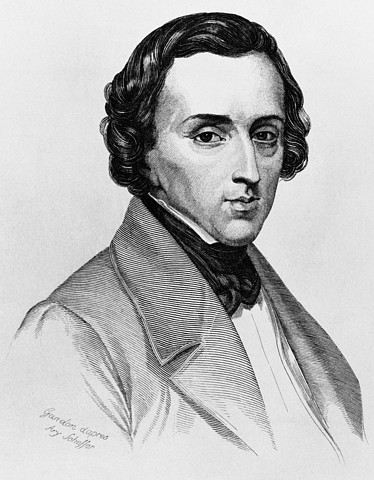
Frédéric Chopin
Relation: Admired
少年期からの偶像であり、初期作品の詩的語法に決定的な影響を与えた。
ヘレナ・P・ブラヴァツキー
Relation: Influenced by
彼女の神智学思想を熟読し、自らの音楽哲学や宇宙観に取り入れた。
レオニード・サバネーエフ
Relation: Friend & patron
晩年の最側近として日々行動を共にし、対話や色光理論を後世に書き残した。
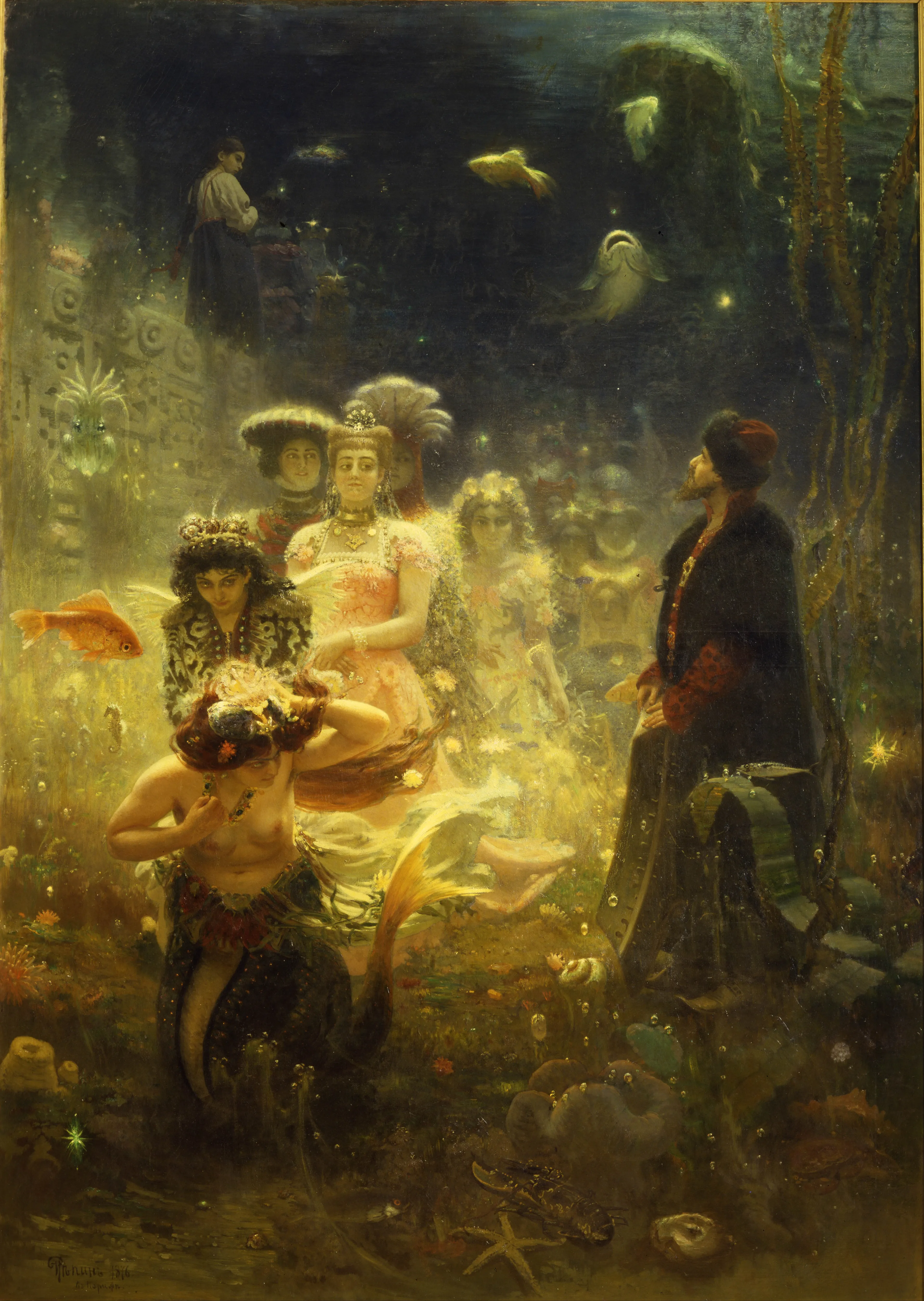
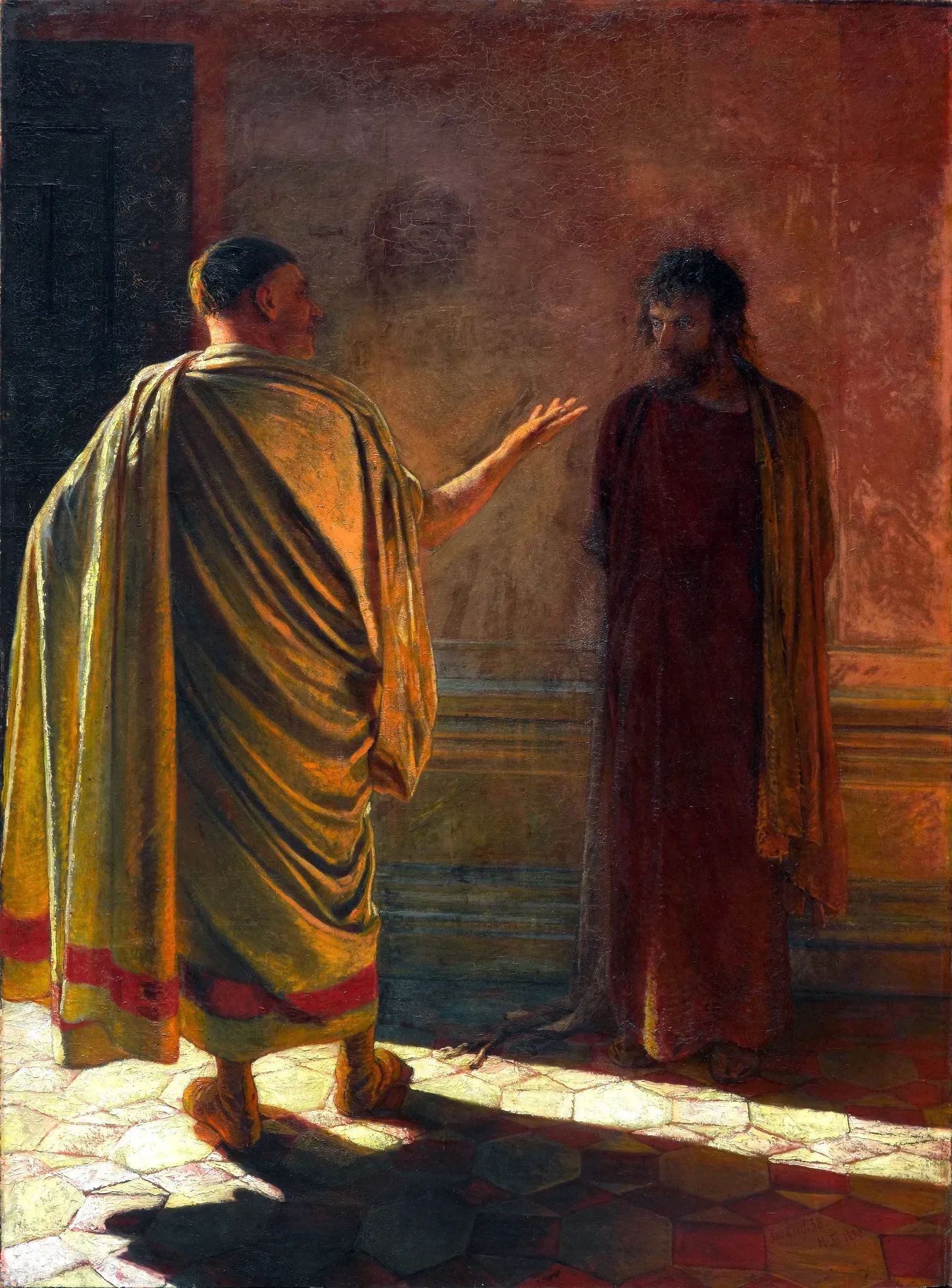
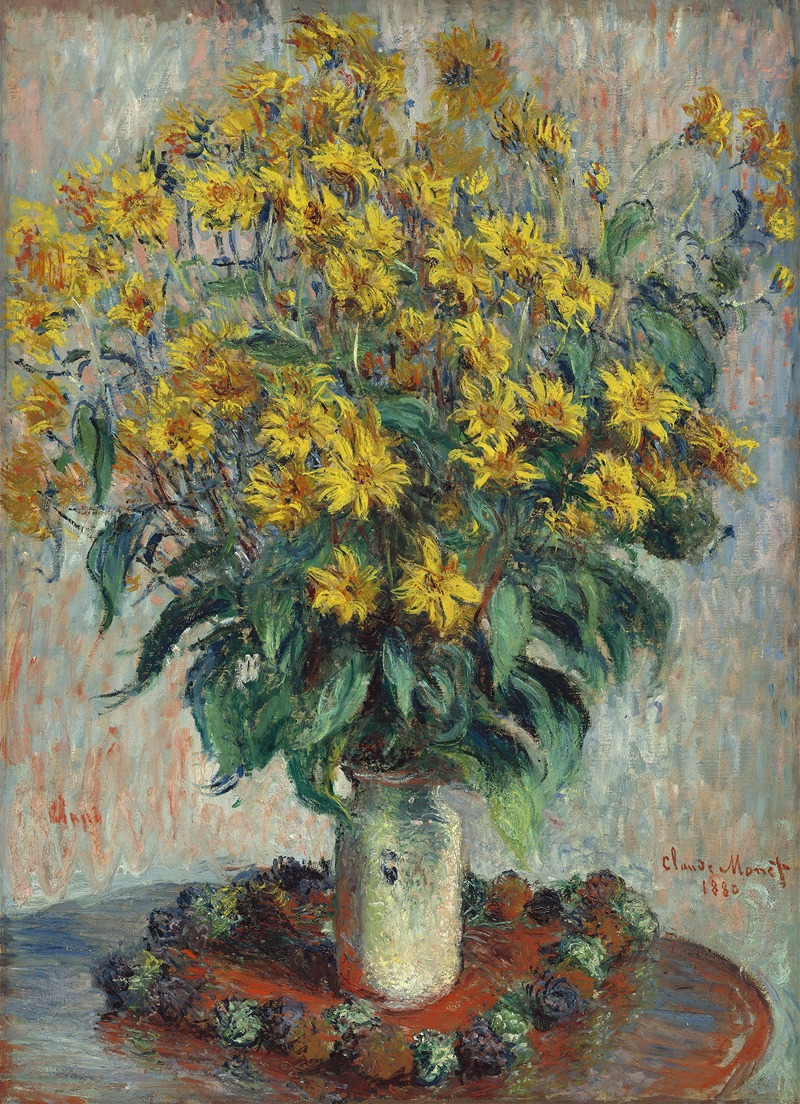
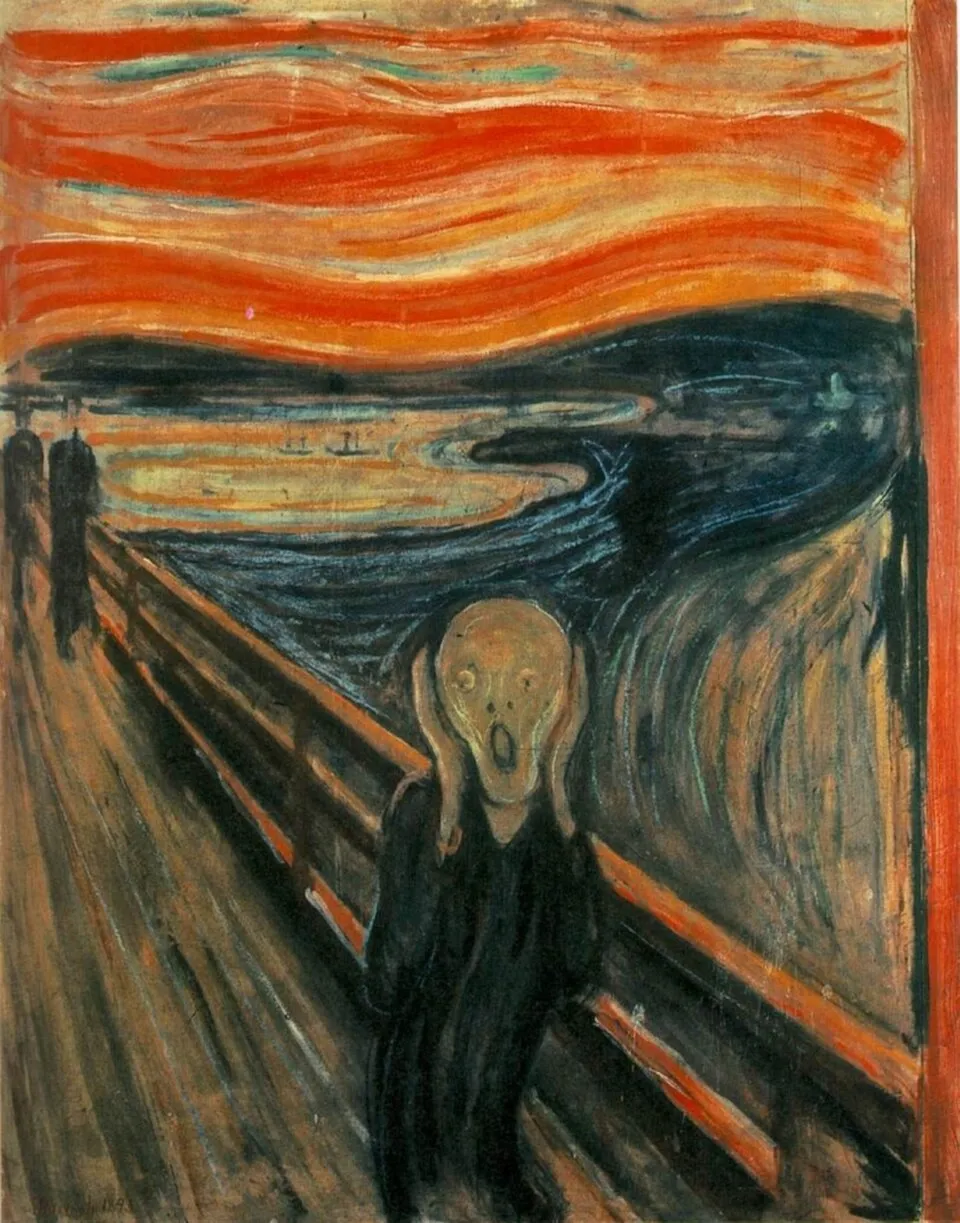
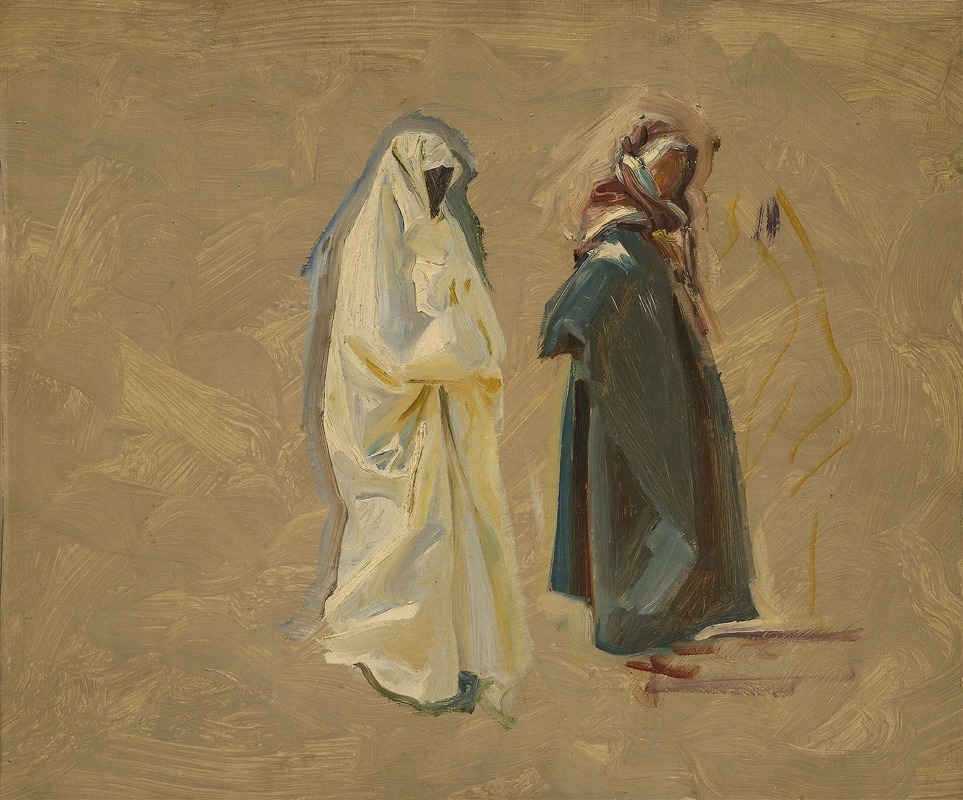
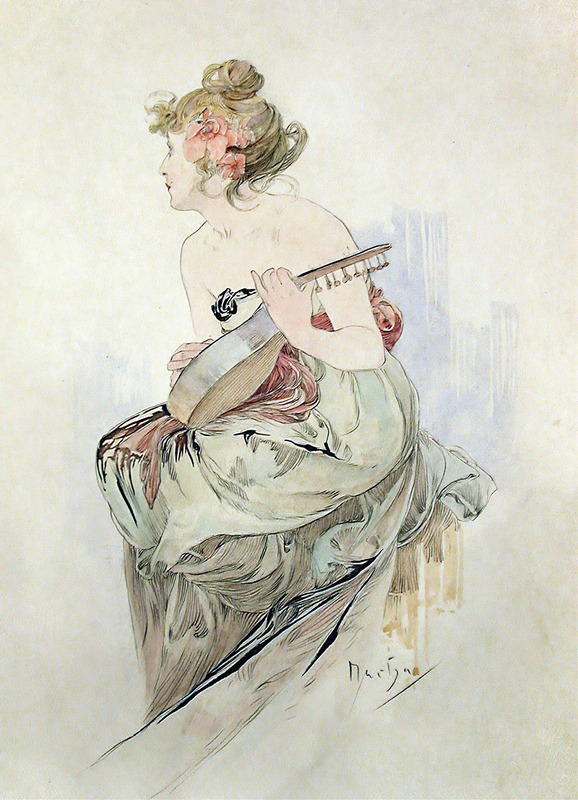
What were painters creating in the age of Alexander Scriabin?
Stories
Featured stories for this composer are on the way. In the meantime, explore the other composers.