
A pioneer of modern painting who rose to the pinnacle of court life under an absolute monarchy, yet abandoned the conventions of idealization to unflinchingly capture human folly and the atrocities of war.
LifeLife and works
At the foundation of Francisco de Goya's artistic vision was a confrontation between the light of reason championed by the Enlightenment and the madness and violence lurking within human nature. Born in 1746 into the family of a gilder in Aragon, he trained in Zaragoza before moving to Madrid. In 1775, he began designing tapestry cartoons for the Royal Tapestry Factory, securing a steady livelihood with a fixed annual salary. During this period, influenced by the French Rococo style, he used a vibrant palette to depict the lively everyday scenes of Madrid's common people.
While steadily advancing in court society, he was struck by a mysterious and severe illness during a stay in Cádiz in 1792. Though he survived after hovering between life and death, he permanently lost more than ninety percent of his hearing. Cut off from the sounds of the outside world, this crisis directed the painter's gaze inward toward the human psyche and the darker corners of society. Despite serving as deputy director of painting at the Royal Academy of Fine Arts of San Fernando, he criticized the academic curriculum that imposed uniform classical rules on all students as an immense obstacle, turning instead toward a search for his own distinct expression.
In 1799, seeking to expose the pervasive ignorance, superstition, and clerical corruption of society, he independently produced and offered for sale on the open market a suite of eighty etchings. Free from the constraints of commissions from patrons such as the Crown or the Church, he employed printmaking as a medium to communicate his personal convictions.
That same year, he was promoted to First Court Painter, the highest honor an artist could achieve, becoming a man of substantial wealth with a generous stipend and an allowance to maintain a carriage. Yet even when depicting the royalty at the pinnacle of power, his objective eye never wavered. In the official group portrait he created between 1800 and 1801, while rendering the dazzling textures of fabrics and decorations in exquisite detail, he captured the sitters without concealing their vanity or physical imperfections.
The outbreak of the Peninsular War in 1808 directed his gaze toward an even harsher reality. Witnessing his homeland devastated by Napoleon's invading forces, he documented the violence and death endured by ordinary, nameless civilians. In the history paintings he produced with state support after the war, rather than glorifying idealized heroes, he presented a stark contrast between the terror of citizens facing a firing squad and the cold, mechanical detachment of the soldiers pulling the triggers.
Amid the growing reactionary politics of the restored absolute monarchy, he purchased a country house on the outskirts of Madrid in 1819. In this private retreat, secluded from the turmoil of the world, he once again fell gravely ill, though he was saved by the care of his physician. He subsequently painted a cycle of fourteen murals in oil directly onto the plaster walls of rooms such as the ground-floor dining room. Created for a private space with no intention of public exhibition or sale, these works were steeped in dark, brooding themes, from the dread of aging and death to the monstrous madness of power.
In 1824, to escape the persecution of liberals, he departed for France under the pretext of seeking thermal spa treatments and settled in Bordeaux. Even in exile, his royal pension was maintained, allowing him to live an economically independent life. In his final years, he embraced the newly developed technique of lithography, producing series depicting bullfights and other themes. Around 1827, turning away from dark tones, he completed a portrait of a woman rendered with delicate brushstrokes in luminous blues and greens. In the early hours of April 16, 1828, he passed away following a stroke at the age of eighty-two, and his remains were interred at the Church of Notre-Dame in Bordeaux.
Works Works
No works yet
Stories Featured stories
Premium Romanticism
The Severed Portrait: Chopin and George Sand, Where Nine Years of Love Led
Premium Post-Impressionism
Van Gogh, the Painter of Passion Who Drenched the World in Yellow, and the "Symphony in Blue and Yellow"
Premium ImpressionismSummerSeaLuminism
Joaquín Sorolla: Painting a Different Light from Monet, and Memories of the Mediterranean
Premium
The Silent Symphony: Deciphering the Musical Cryptograms of the Old Masters
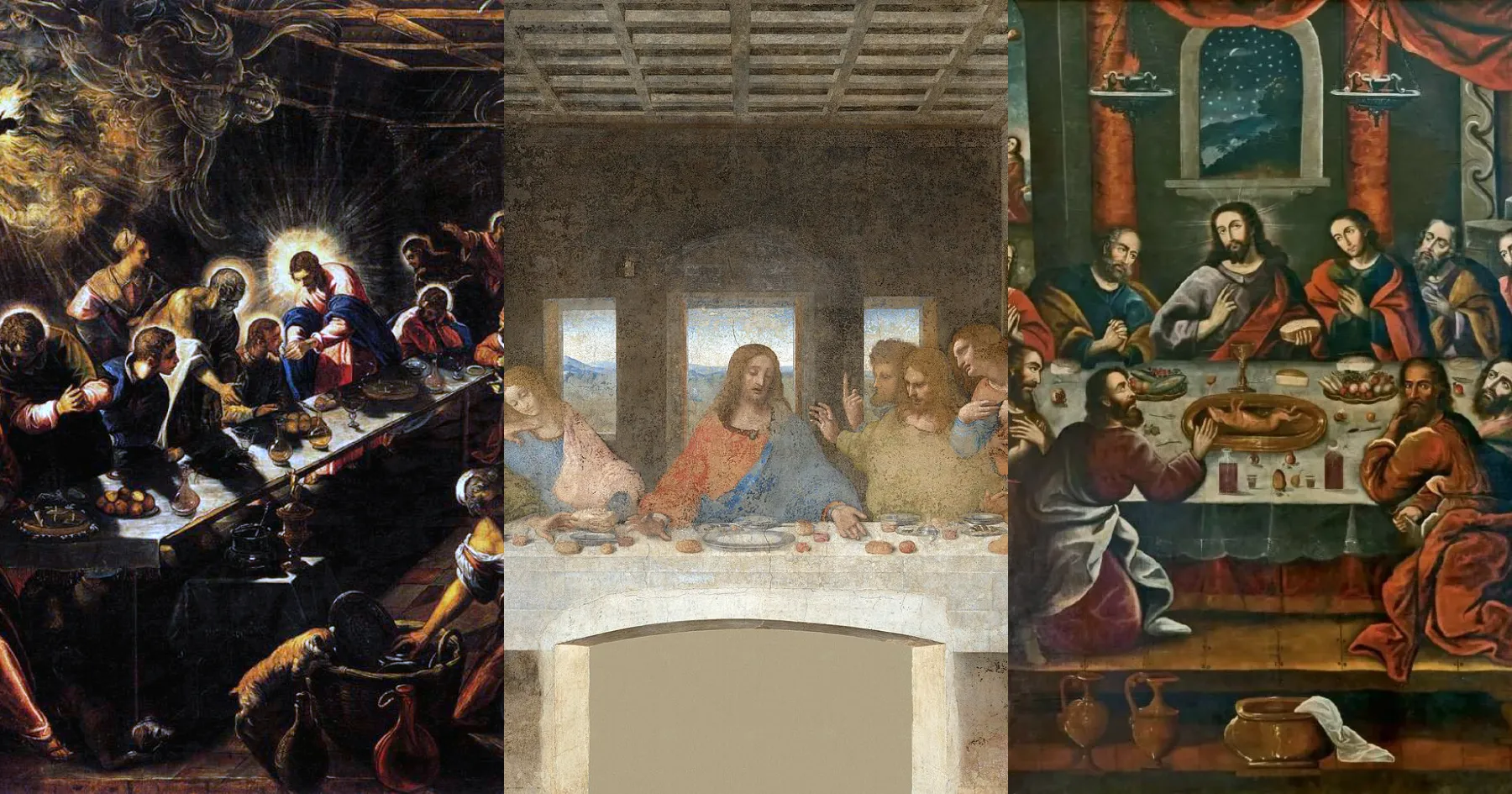
A Journey of Mysteries: Exploring "The Last Supper" Around the World
Premium Late Romanticismウィーン分離派