中世フランドル絵画の厳格な線描と近現代のデフォルメを統合し、人間の内なる魂の存在を視覚化したベルギーの画家。
LifeLife and works
ギュスターフ・ヴァン・デ・ヴスタインが対峙し続けたのは、網膜が捉える一時的な光の反射ではなく、物質的世界の背後に潜む霊性であった。1881年にベルギーのヘントで裕福な真鍮鋳造業者の家に生まれた彼は、9歳で父を亡くし、4歳上の兄で詩人のカレルが精神的な支柱となる。ヘント王立美術アカデミーで厳格な素描技術を学ぶものの、呼吸器系の疾患により中退を余儀なくされた。健康回復のため、1900年に兄と共に田園地帯シント=マールテンス=ラーテムへ移住したことが、彼の画業の出発点となる。
ラーテムの素朴な農村風景の中で、彼は15世紀のヤン・ファン・エイクら初期フランドル派の古典絵画に傾倒していく。極めて緻密な線と彫刻的な質感を重視した彼の画面には、都市の近代工業化に対する拒絶が込められていた。1908年に制作された『悪しき種まく人』は、実在の老農民デースケ・クヌッデをモデルにしながらも、背景に中世のイコン画を思わせる金泥を施している。乾いた土壌に種をまく男の姿は、生々しい労働の再現ではなく、人間の宿命を示す抽象的な象徴として描かれた。
1909年、彼はラーテムを去りレーヴェンへと移住する。物理的に農村のモデルから遮断されたこの都市環境は、彼の作風に画期的な変化をもたらした。かつての農民たちの姿を記憶のみに頼って再構成することで、作品はより純化されていく。1910年の『二つの春』では、赤い胴着を着た素朴な農村の少女と、赤い羽飾りの帽子をかぶった都会の女を並置し、都市の虚栄に対する農村の精神的優位を示した。描かれる人物たちの多くが視線をそらし、あるいは目を閉じて深い瞑想に沈んでいるのは、外界への拒絶と内省的な孤独の表れである。
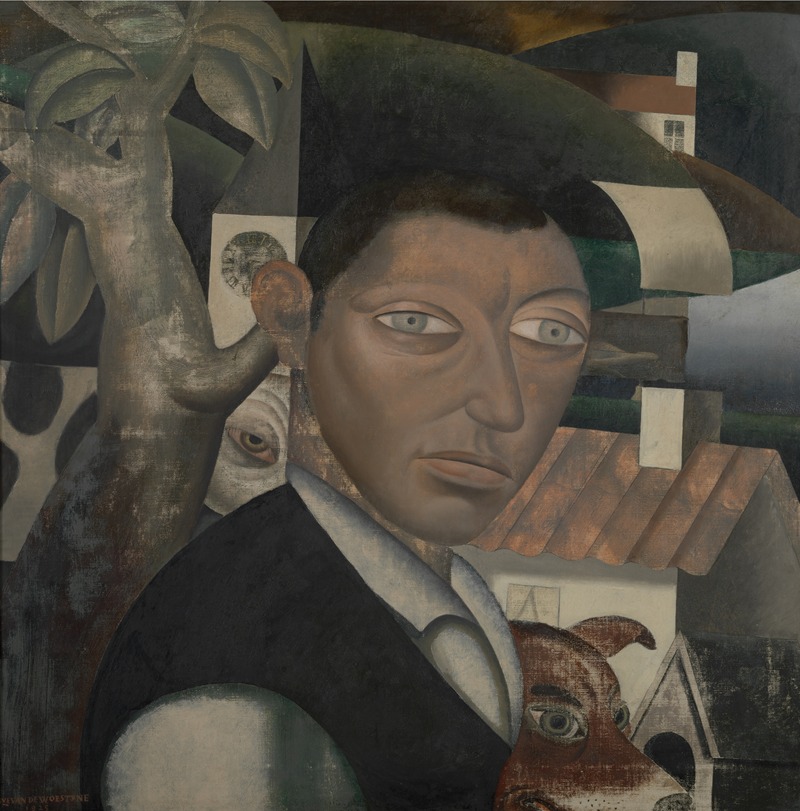
第一次世界大戦が勃発した1914年、戦火を避けてイギリスのウェールズへ亡命したことが、彼の表現を大きく変容させる。陰鬱で壮大な丘陵地帯の景観と難民としての孤独感は、中世風の過剰な細部描写を削ぎ落とさせた。代わって画面に現れたのは、角張ったキュービックな造形や不自然な遠近法といった、国際的な前衛モダニズムと連動する表現主義的な歪曲であった。この時期、富豪デイヴィス姉妹の支援を受けて制作に没頭し、戦争の破壊から逃れた人間の生の無垢を象徴する『眠る人々』を完成させている。
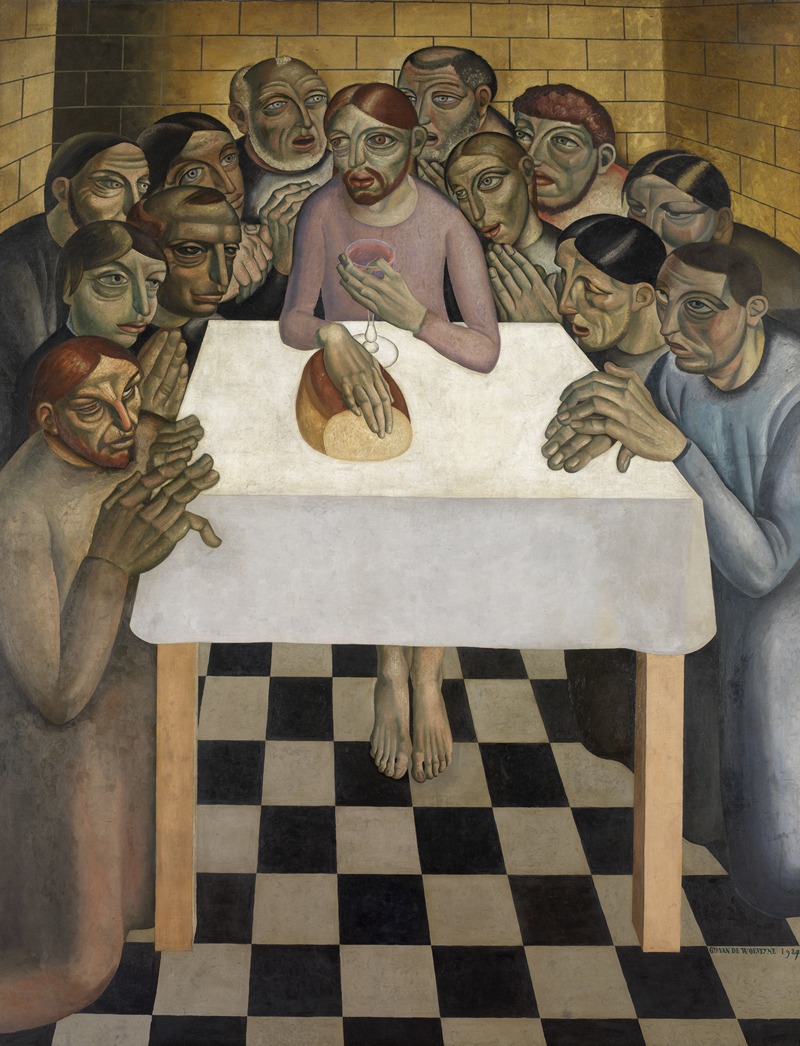
大戦後にベルギーへ帰還すると、彼の経済的基盤は劇的に安定する。1925年にメヘレン王立美術アカデミー長および絵画教授に就任し、さらにユダヤ人銀行家ダヴィッド・ヴァン・ビュレン夫妻という強力なパトロンを得た。この時期の作品は、より巨大な空間構成や不条理なスケール比を導入した魔術的リアリズムへと接近していく。1923年の『ガストンと彼の姉』では、おもちゃのような小さな家を見下ろす二人の巨人のような配置を用い、シュルレアリスムに近い疎外感を醸し出した。1927年には縦横約4メートルに達する壁画『最後の晩餐』を手がけ、異様に歪められた身体と大きな手を持つ使徒たちを狭苦しい密室に描き込んでいる。
1929年に精神的支柱であった兄カレルが急逝し、自身の呼吸器系疾患も悪化していく中で、彼の作風は輪郭線が霧のように融解するスタイルへと移行していった。物質性を超えた精神的平穏を模索する中、1947年にブリュッセル近郊のユックルで息を引き取る。現在、彼の残した約30点もの重要作品は、最大の支援者であったヴァン・ビュレン夫妻の旧邸であるブリュッセルのヴァン・ビュレン美術館に所蔵されている。また、アントワープ王立美術館やヘント美術館の常設展示室では、冷徹な線描と現実から乖離したスケール比によって視覚化された、静かなる精神的深淵を直接目にすることができる。