
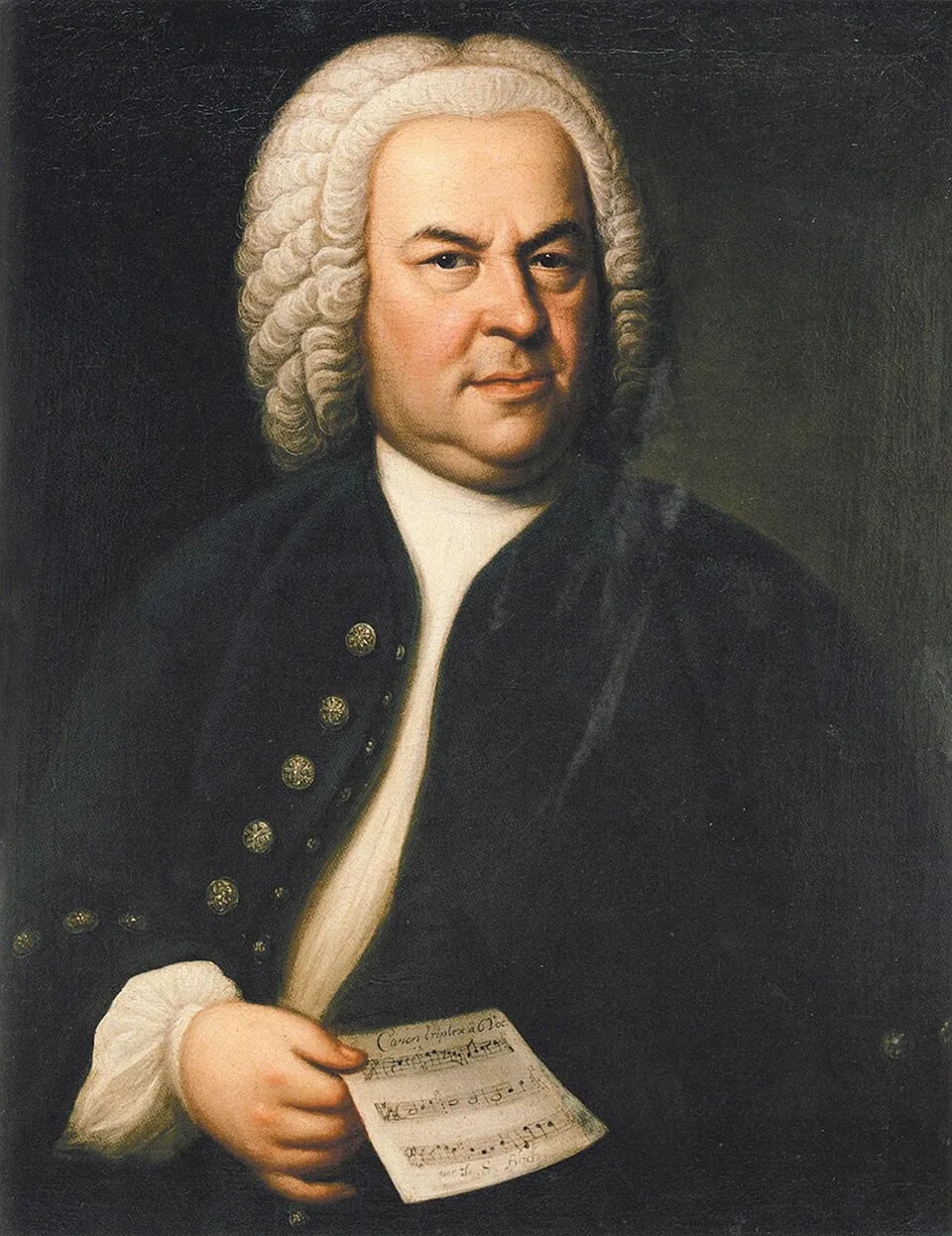
Johann SebastianBach
Germany·1685 – 1750
A master craftsman who perfected counterpoint amid grueling working conditions, bringing the Late Baroque to its zenith
Johann Sebastian Bach was an 18th-century Holy Roman Empire composer who brought the Late Baroque era to its ultimate culmination by brilliantly uniting traditional polyphonic counterpoint with modern harmonic principles. While later generations in the Romantic era often deified him as the "Father of Western Music" or a solitary, godlike genius, he was in reality a thorough professional musician employed by local churches and courts, grounding his composition in the diligent fulfillment of daily duties and rigorous technical mastery.
His career was marked by ceaseless workplace friction with his employers—municipal authorities and church councils—over remuneration and staffing. In 1717, after obstinately demanding his dismissal from the court of Weimar, he was even imprisoned for nearly a month. Later, in 1730 after assuming the post of music director in Leipzig, he vividly voiced his frustration with the demanding conditions in a letter to his old friend Georg Erdmann, lamenting that the local authorities were "odd and little devoted to music," leaving him to "live amid almost continual vexation, envy, and persecution."
Even amidst such taxing realities, Bach never lost sight of his artistic vision. As early as 1708, in his letter of resignation to the Mühlhausen city council, he vigorously declared his ultimate goal to be the cultivation of "well-regulated church music." He also found solace in his domestic life; as he noted in his letter to Erdmann, "my present wife sings a very clear soprano," cultivating a vibrant musical haven with his second wife, Anna Magdalena, and his children. It was from this domestic sphere that monumental works such as The Well-Tempered Clavier, Book I were born—masterpieces that were both pedagogical and revolutionary in their exploration of all twenty-four keys.
In his final years, Bach suffered from severe vision loss due to cataracts, and his death was precipitated by unsuccessful operations performed by a traveling English eye surgeon. While often romanticized as eyestrain caused by composing under dim candlelight, the true cause was a severe intraocular infection resulting from unhygienic surgical procedures, followed by a stroke. Although some critics of the younger generation dismissed his style during his lifetime as overly artificial, the mathematical and theological musical order he forged through his arduous labors was never eclipsed. Assembled through his lifelong struggle as a craftsman against the realities of his world, this exquisite sonic architecture continues to endure as a universal heritage that moves hearts across the globe.
作風の変遷 ― 職務と信仰が導いた対位法の極致
バッハの作風は、彼が就いた職務の性質と密接に結びつきながら発展していきました。初期のアルンシュタットやミュールハウゼン時代には、オルガニストとしての活動が中心でした。この時期には、北ドイツの巨匠ディートリヒ・ブクステフーデのもとへ約400キロの道のりを徒歩で赴き、オルガンの即興演奏や聖楽の技法を吸収しています。若き日の情熱的な徒歩旅行と言われがちですが、実際は当時の音楽家ギルドの伝統的な「遍歴の旅」であり、技術習得と就職活動を兼ねた現実的なものでした。この時期の経験は、後の壮大なオルガン作品の基礎を築くことになります。
中期のヴァイマル時代からケーテン時代にかけては、宮廷での職務が彼の作風を大きく広げました。ヴァイマルではアントニオ・ヴィヴァルディらの協奏曲スコアを鍵盤用に編曲し、イタリアの明るい調性様式を取り入れます。続くケーテン時代には、音楽を深く理解する君主のもとで恵まれた環境を与えられ、『ブランデンブルク協奏曲』や『無伴奏ヴァイオリンのためのパルティータ第2号』など、数多くの優れた器楽作品を生み出しました。特に後者の終楽章「シャコンヌ」は、急死した最初の妻マリア・バルバラへの追悼の念が込められていると伝わります。
後期のライプツィヒ時代には、聖トーマス教会の合唱長として膨大な宗教声楽曲の創作に没頭しました。『ヨハネ受難曲』や『マタイ受難曲』といった大作では、ルター派の神学思想と、歌詞の意味を音型化する「音楽修辞学」が見事に融合しています。晩年には、自らの対位法技術を後世に残すための集大成に取り組みました。カトリックの式典用大作『ロ短調ミサ』は、宗派を超えた遺言として書かれたと言われがちですが、実際は宮廷作曲家の称号を得るための現実的な就職活動が契機でした。しかし最終的には、過去の自作カンタータの優れた旋律を再利用しながら、生涯の音楽的遺言とも言える最高峰の聖楽へと昇華させたのです。
時代が求めた「わかりやすさ」との衝突
バッハの音楽は、同時代の人々から常に手放しで称賛されていたわけではありません。1730年代以降の音楽界では、親しみやすく明確な旋律を重視する「ギャラント様式」が主流となりつつありました。そのため、あらゆる声部に緻密な対位法を施し、装飾音までも譜面に細かく書き込むバッハの厳格な書法は、新しい世代の耳には古臭く響くようになっていたのです。
1737年、若手批評家のヨハン・アドルフ・シャイベは、雑誌のなかでバッハの作風を「過度に作為的で自然さを損ねている」と公然と批判しました。この出来事は、同時代人がバッハの天才を全く理解できず不当に無視していた証拠だと言われがちですが、実際はそうではありません。バッハは鍵盤演奏家やオルガン鑑定の第一人者として、当時から絶対的な名声を誇っていました。シャイベの批判は無理解から生じたものではなく、バロック末期における美学的価値観の世代間ギャップが表面化したものだったのです。
この批判に対し、バッハ側はライプツィヒ大学の修辞学講師であるヨハン・アブラハム・ビルンバウムを立てて反論を展開しました。ビルンバウムの論述は、バッハが伝統的な修辞学の理論を完全に習得し、それを作曲の実践として応用していた事実を客観的に証明しています。時代の流行が移り変わるなかにあっても、バッハは自らの信じる複雑で高度な音楽構造を決して手放すことはありませんでした。その揺るぎない信念があったからこそ、彼の作品は時代を超えて生き残ることができたのかもしれません。
- 1685(aged 0)
アイゼナハの町音楽師の末子として誕生する
- 1695(aged 10)
両親を亡くし、長兄のもとに引き取られて鍵盤教育を受ける
- 1703(aged 18)
アルンシュタットの聖ボニファティウス教会オルガニストに就任する
- 1705(aged 20)
休暇を取り、徒歩でブクステフーデを訪ねてリューベックへ赴く
- 1708(aged 23)
ミュールハウゼン参事会へ辞任願を提出し、ヴァイマルへ移住する
- 1717(aged 32)
辞意を強硬に申し出て投獄され、釈放後にケーテン宮廷楽長に就任する
- 1720(aged 35)
旅行中に妻マリア・バルバラが急死する
- 1723(aged 38)
ライプツィヒのトーマスカントル兼市内音楽監督に就任する
- 1727(aged 42)
聖金曜日に聖トーマス教会にて『マタイ受難曲』を初演する
- 1737(aged 52)
批評家シャイベから作風を「難解で不自然」と批判される
- 1747(aged 62)
プロイセン王の宮廷を訪問し、王の主題による即興演奏を行う
- 1750(aged 65)
眼科手術の失敗による感染症と脳卒中を併発し、死去する
神の栄光のため、そして皆様のご意向に沿った整然とした教会音楽を演奏することこそが私の終局目標であり…
至高の神にのみ栄光を帰し、隣人がそれによって自らを教導せんがために
当地の当局は音楽に対して風変わりで関心が薄く、その結果私は絶え間ない不快感、嫉妬、迫害の中で生きねばなりません
演奏は少しも難しくない。ただ正しい鍵盤を正しいタイミングで押すだけで、あとは楽器が自ら演奏してくれる

ヨハン・クリストフ・バッハ
Relation: Teacher
両親亡き後にバッハを引き取り、鍵盤演奏とオルガン構造の基礎教育を授けた。
ディートリヒ・ブクステフーデ
Relation: Influenced by
リューベックでオルガン即興演奏と聖楽の技法をバッハに伝えた。
ヨハン・アドルフ・シャイベ
Relation: Rival
雑誌でバッハの作風を「過度に作為的」と批判し、論争へ発展した。
ゲオルク・エルトマン
Relation: Friend & patron
リューネブルクへ共に赴いた学友。後にバッハが不満を吐露する書簡を送った。
ケーテン伯レオポルド
Relation: Friend & patron
音楽を深く理解した君主であり、バッハに理想的な宮廷楽団環境を提供した。
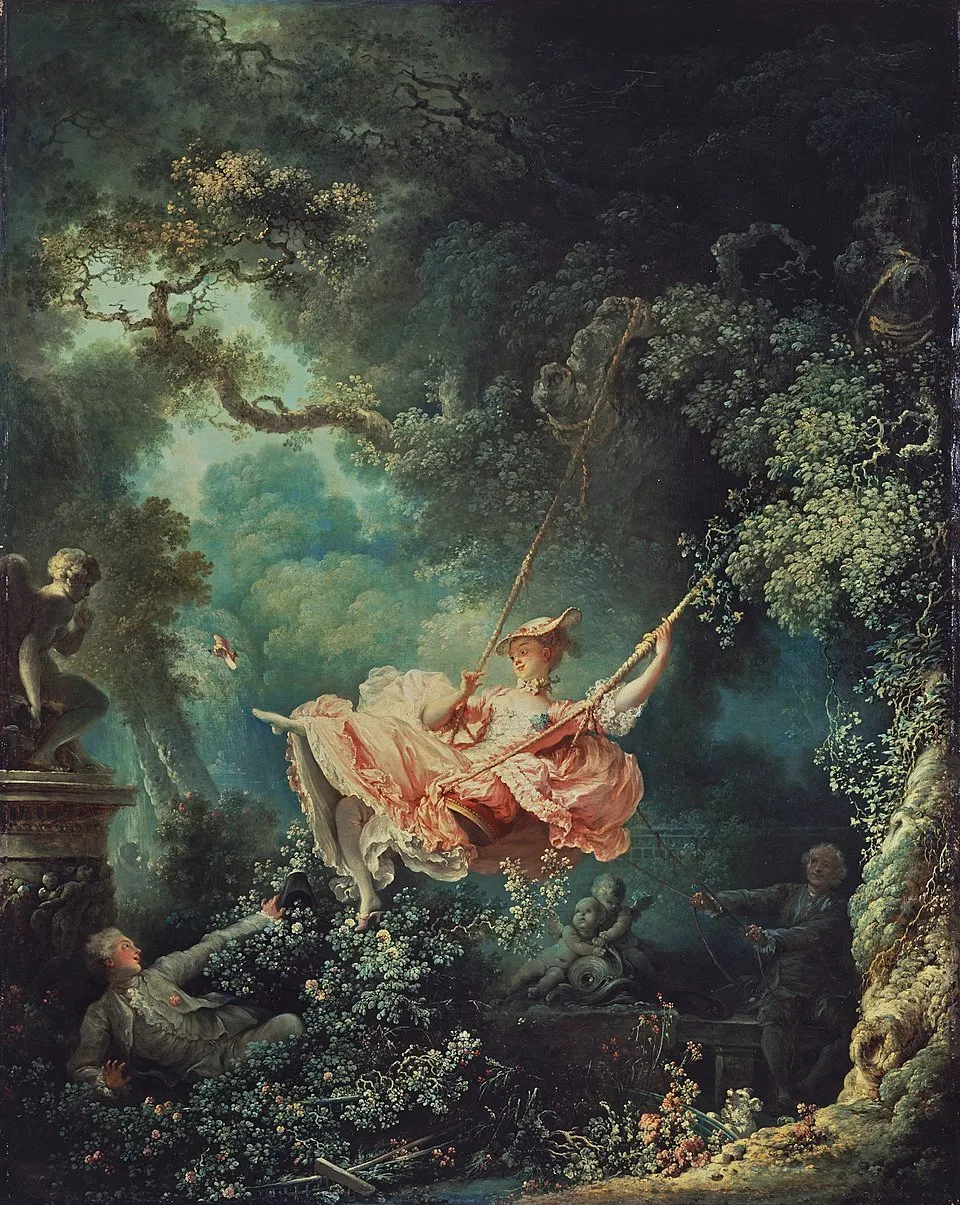
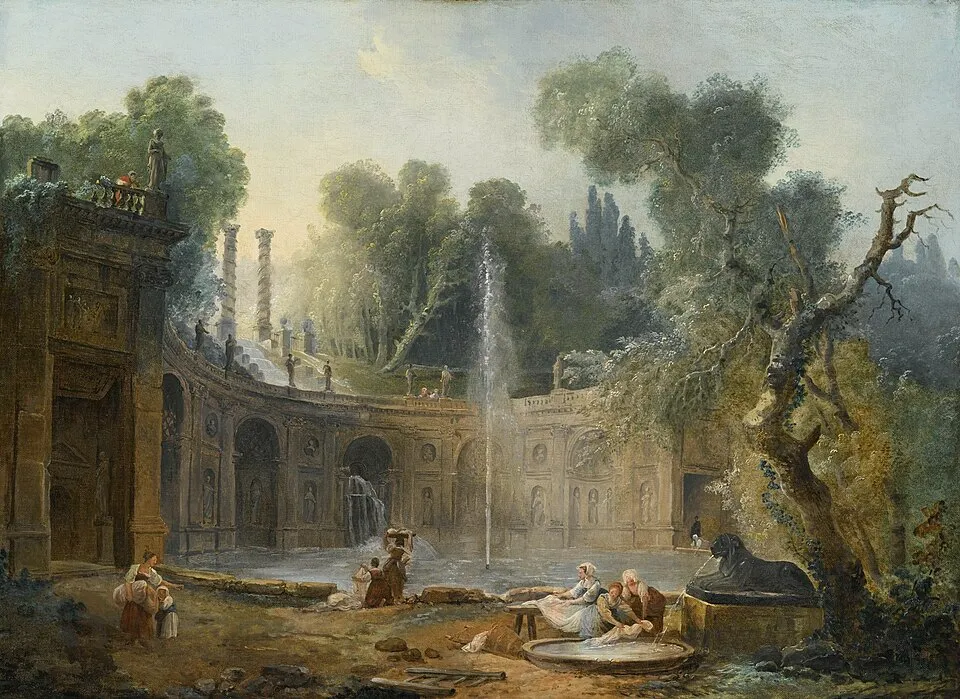
What were painters creating in the age of Johann Sebastian Bach?
Stories
Featured stories for this composer are on the way. In the meantime, explore the other composers.